Fishing Rod Length Guide: How to Choose the Right Size
Learn how to choose the right fishing rod length. Discover ideal sizes for freshwater, saltwater, casting tips, materials, and expert selection advice.
The length of fishing rod is important to the casting distance, accuracy and fish control. The right fishing rod length is better, as it will increase angling performance, minimize fatigue, and make the process of fishing enjoyable. Regardless of whether the species are freshwater or saltwater, rod knowledge can assist an angler to choose the appropriate rod to use in their locality, level of expertise, and rod technique to guarantee good performance of different kinds of fishing strategies and conditions at all times.
Various rod lengths are applicable in certain fishing. The shorter rods are also more accurate and can be used more easily in a narrow area, whereas the longer ones enhance the range of casting and power in combat. Novices and advanced fishers find it helpful to be aware of these differences, so that they can select the right rods to use in species, environment, and style of fishing. This is a guide to the length, type and use of fishing rod.
Why Rod Length Matters
The length of the rod has an impact on the casting performance, accuracy, and capture of fish. The longer rods have longer casts, better line control and hook setting. Shorter rods give accurate casts where the bank is narrow e.g. streams and docks or dense cover. The right length is the right amount of distance to cast, sensitivity, and comfort of the angler, which increases the rate of success and minimizes fatigue when fishing.
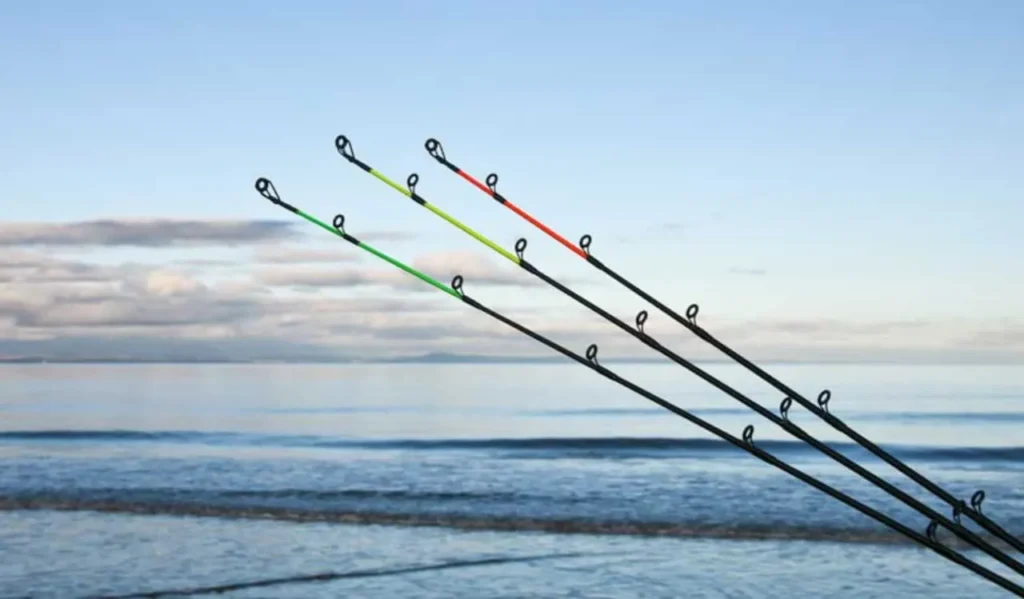
Lure presentation and technique is also affected by rod length. Shorter rods are more controllable and subtle in finesse techniques whereas long rods are good in distance casting or in battling larger fish. Correct rod length choice assists the angler to suit different conditions, fish species and environment to enhance efficiency, control and pleasure in freshwater, inshore or offshore fishing adventure in a regular manner.
Common Fishing Rod Lengths
The fisher rods are usually between 4 and 14 feet according to the species and method used. Panfish, small trout or fishing in tight areas are best done with short (46 feet) rods. The medium rods (6 8 feet) are all-purpose rods applicable to bass, walleye, and other freshwater. Surfcasting, trolling, or large species that need distance casting are done with long rods (814 feet).
Must-Read Guide for Top Picks of Best Fishing Reels
The choice of length is based on preferences of the angler, setting and fishing style. The longer rods give more leverage to fighting fish whereas shorter ones give more precision. Knowing the average lengths enables an angler to match conditions to the rod that best suits the given conditions so as to achieve maximum casting and control and handling of fish in both freshwater and saltwater situations.
Rod Length for Freshwater Fishing
In case of freshwater fishing, the rod length is usually 5 to 8 feet. Streams, small rivers, or ponds can be served with short rods (5 feet to 6 feet), which are very accurate and also more easily controlled in narrow areas. Bass, trout, and walleye are good in medium rods (67 feet) which can be used to adapt to various freshwater fishing methods such as spinning or baitcasting.
Freshwater rods with longer lengths (7-8 feet) give more length in casting in the open water or with top water lures. They provide greater line management and advantage on fights. The accurate, efficient, and pleasurable fishing in freshwater areas is always guaranteed by the use of the right length, depending on the target species, environment and casting method.
Rod Length for Saltwater Fishing
Saltwater rods are also longer and typically 7 to 14 feet in length to allow distance casting, trolling or fighting large fish. Inshore rods (7-8 feet) are the appropriate rods used in nearshore fishing, which offer control and comfort. The longer surf or offshore rods (10-14 feet) enable the ability to cast longer distances and have an advantage against the strong fish in strong currents or rough waters.
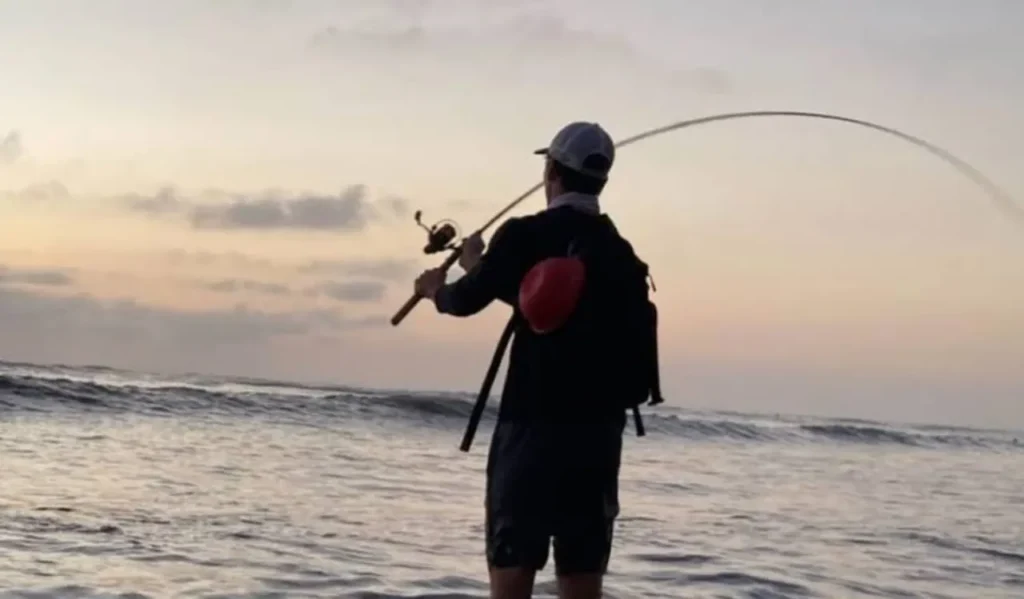
The choice of rod length makes sure that an angler is able to cast, control the line and be able to control the fish. The matching rod, environment, species and technique are used to increase performance, travel at a reduced fatigue, and increase chances of successful catches in saltwater fishing adventures on a regular basis.
How Rod Length Affects Casting
The longer the rods, the longer are the casts made with more line speed and leverage. They are perfect when surfcasting, open water or when maximum distance is needed. Short rods are also accurate so that they can be properly placed in narrow areas, under docks or in places that are near vegetation. The right rod length is one that has achieved a balance between distance, control, and precision in order to perform optimally during casting.
The lure presentation is also determined by rod length. Shorter rods are used to give finesse casts with light baits whereas longer rods have more controlled casts with heavier baits. The knowledge of rod length influence on casting enables an angler to adopt environmental factors, species behavior, and individual technique to lead to more productive fishing activities whenever and wherever.
Rod Length and Fish Control
The length of the rods affects fights between fish and leverage and control. The longer rods will give more leverage to rotate and lift bigger fish, and this will cause less strain on the line. Shorter rods provide accurate manipulation of tiny fish in narrow areas or where there are impediments and the chances of snagging or losing the fish when they are caught are minimized.
Different rod lengths are matched to species and environment to enhance efficiency of the angler. The right length improves hook-setting, controlling of fights and safe landing of fish. This relationship can be understood to help both amateurs and seasoned fishermen to maximize their performance, conserve equipment, and have more productive fishing time with each of the many types of fish.
Tips for Choosing the Right Rod Length
Choose rod length depending on target species, environment and technique. Short rods (46 feet) are best in tight areas and in small fish. Medium rods (68 feet) offer flexibility to a number of freshwater uses. It is a good rod to use in distance casting, surf fishing, and when fighting large saltwater fish.
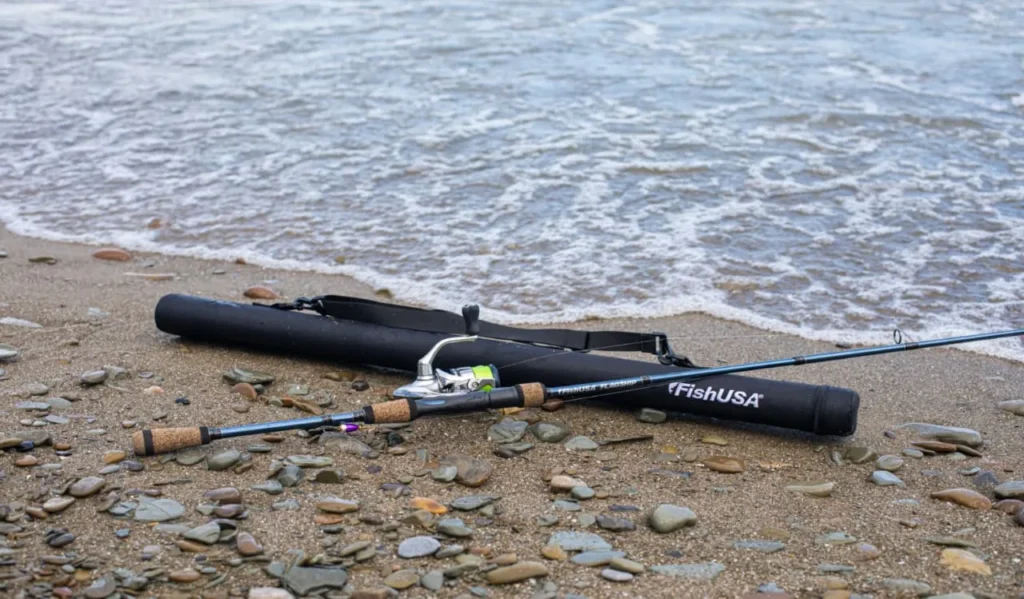
Take into account the rod action, power, and type of handle and length to provide a balance. Selection should be based on personal comfort, casting style and preference of technique. This is because a proper rod length will choose the right length of rod to use, which will result in better casting and control of fish and less fatigue among the beginners and even the experienced angler.
Materials and Durability
The fishing rods are composed of graphite, fiberglass, or composite. Graphite rods weigh very little and are sensitive, which is best used in detecting slight bites. Fiberglass rods are more durable and strong enough to be used with a big game or heavy use. Composite rods combine strength, sensitivity and cost to be used in a variety of fishing.
Must-Read Guide for Anyone Looking for Top Rods
The type of rod used affects the durability, performance of casting, and fish control. The lightweight rods are used in long sessions to eliminate fatigue and the heavyweight rods are used to catch bigger fish and in harsh conditions. Knowing the material properties enables the angler to select the right rod in terms of length, environment, and species to ensure that the rod is reliable and provides a pleasurable fishing experience every time.
Common Mistakes Anglers Make
Novices usually take rods that are either excessively long, heavy or they are not matched to their approach or species. The length of a rod used in narrow areas should be as short as possible to achieve a high level of accuracy and control. The wrong rod may lead to fatigue, bad casting, or loss of fish, which will affect the enjoyment and performance of the fishing experiences.
Failure to consider rod action and power in comparison with length is another error. Poor mixes decrease leverage, line control and handling of fish. Knowledge of rod length, species, and environment helps avoid mistakes, enhance the performance of the angler, and enhance successful rates and pleasant fishing experience in different freshwater and saltwater habitats.
Why Rod Length Knowledge Matters
The knowledge of rod length enables an angler to cast effectively, manage fish and also be able to adapt to various fishing conditions. By using the correct weight of rods, fatigue is minimized, accuracy is increased and fish handling is improved during hauling. Novices are advantaged with knowledge on rod length, which makes them choose the right setups with consideration of species, water conditions, and techniques, hence become more confident and successful on each fishing expedition.
The proper rod length will also make the lure presentation, casting range, and performance to be optimized. With rod length equalization to the environment, the species and the angling style, the novice and experienced angler have better fishing experiences, more successful catches and efficiency as well as the equipment being protected against unnecessary strain or damage at all times.
Frequently Asked Questions
Final Thoughts
The length of a fishing rod has a great impact on the distance of the cast, accuracy and the fish control. The correct rod choice will increase the performance, decrease fatigue, and increase the overall success of angling. Novices are supposed to know the difference in rod length so that they can select the appropriate setups to use in various species and conditions.
The appropriate rod length gives an advantage of better presentation of the lure, better control of the line and efficient handling of the fish. Rod length knowledge enables the angler to have a productive, stress-free and successful fishing experience every time in the freshwater and saltwater environment.