How to Use Braided Line Like a Pro: Improve Casting and Hook Sets
Learn how to use braided line correctly. Tips on spooling, knots, leaders, and fishing techniques for better catch rates and line performance.
Fishing line braided is mainly used due to the fact that it is very strong, does not stretch a lot, and is very thin in diameter so that it is usually used in long casts and heavy cover. When properly used it is fully optimized and the problems of line slippage or fraying are minimized. Proper set up, choice of knots and techniques of handling have been known to make fishing experience more productive and effective in any environment.
Braided line is compatible with the right rod, right reel and leader material. It has a low stretch which enables it to detect better the bite and set the hook whereas the thin diameter extends the casting distance. We have the right equipment and line test strength on the intended species and thus you have control over the fight and reduce the chance of losing the fish through breakage or poor technique.
Spooling Braided Line
When winding braided line on a reel, one must be careful not to get twists and slipping. Use light pressure in wrapping the line all over the spool. When filling up, do not overfill and it will lead to tangles and backlash. A monofilament backing can be used initially to allow the braid to hold the spool and give it extra cushioning that will allow easy casts and lessen the tendencies of the line to slip during fights.
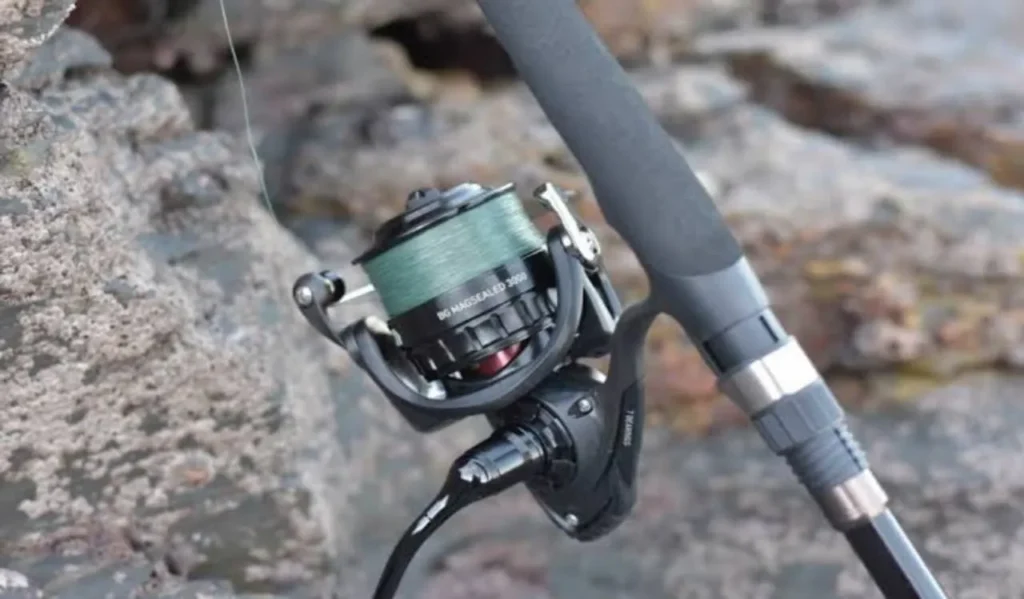
Braided line is known to retain memory when it is not put away. Wind it and ensure there are no twists every time. When spooled properly, the performance is enhanced, snarls are avoided and the life of the line is extended. It should be well rigged to allow maximum casting range and power and minimum frustration due to knots, line tangles, or on-the-fly failure due to strong fish runs.
Knot Selection for Braided Line
Braided line is slippery, and therefore the choice of knot is important. Such knots as the Palomar, Double Uni, and FG knot are the most powerful and reliable. Wet knots before tying them so that they do not become frictional and thus damage. Knots help in making the hook-setting more efficient, minimizing line failure, and allowing the full strength of the braid to be employed in fish-catching.
Must-Read Guide for Anyone Looking for Top Rods
Do not knot too tight, the knot can be loosened by excessive force. Snagging Trim tag ends in order to avoid snagging. Training on knot tying using a braided line makes one more confident and gets fewer missed hits. A combination of correct knots and correct handling of the rod will help one to fish successfully and with ease even in heavy cover, when fishing big or aggressive fish.
Using Leaders with Braided Line
Braided line is very observable and therefore a leader minimises spooking fish. Monofilament or fluorocarbon leaders are the best to use in stealth and abrasion resistance. Fix the leaders with powerful knots such as FG or Double Uni knot. The correct choice of the leader enhances presentations, eliminates breakage in coarse structures, and assists in catching wary fish, which is sensitive to the visibility of the line.
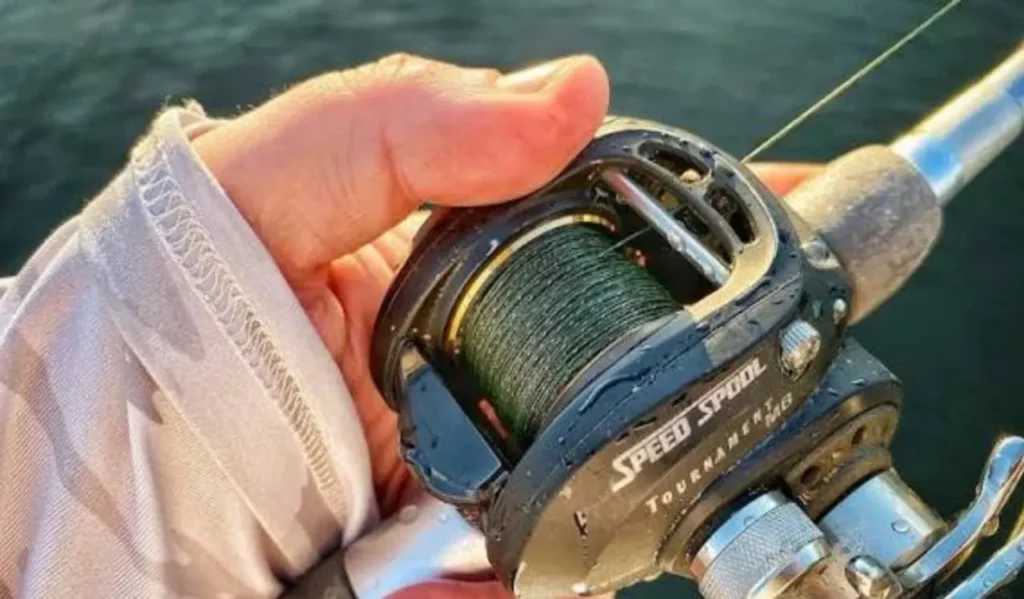
The length and strength of leaders are dependent on the species of fish, clarity of water, and structure. Longer leaders enhance stealth but to some extent decrease sensitivity. Select a strength of a leader that is compatible with target species and braid test. The proper combination of leaders increases lure manipulation, bite rate and general catch rates particularly in clear water or fishing areas of high pressure.
Fishing Techniques with Braided Line
Braided line is best in cases where sensitivity and strength are needed. It suits well in flipping, pitching, deepwater jigging as well as heavy cover fishing. Small stretch makes it possible to set hook instantly, and thin diameter makes it possible to cast long. The right set of the reel drag will give the line strength without overloading it, which will enable easy fights and minimize the breakage.
Must-Read Guide for Top Picks of Best Fishing Reels
Braided line should be handled with care so as not to fray or abrade. Do not drag it over sharp edges and rough structures. Check frequently in case of wear especially around knots and guides. Proper use of braid guarantees longevity, easy retrieval, and consistent operation, which makes the angler catch trophy fish without having to replace the braid very often and miss fish because of its failure.
Maintenance and Storage
Check braided line frequently in case of fray, knots or damage. Mend damaged parts so as to avoid breakouts during fights. Keep in a cool dry place without exposure to sunlight so as to retain strength. It should not be coiled long, but should be twisted in light loops, or left to spool on the best fishing reel. Best practice increases life and performance.
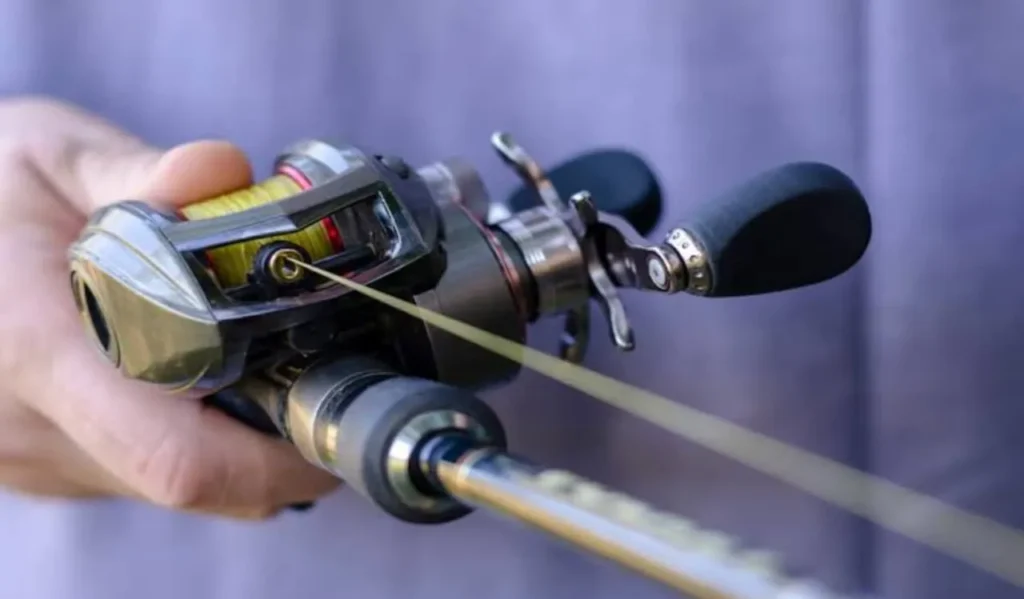
Knots of checks and heads prior to any journey. Wash braid a little after using saltwater so that it is not damaged by dirt and debris. Braid maintenance will guarantee smooth casts, sets of the hook and reliable fights. Its storage, inspection and cleaning bring maximum benefits of braided line which provides confidence and efficiency to the angler in every fishing expedition.
FAQs About How to Use Braided Line
Final Thoughts
To correctly use braided line, it is necessary to spool it properly, use knots, leaders, and handle it. It is the best choice in different techniques since its low stretch, high strength and thin diameter enable it to be used in different ways. Through such instructions, the angler will enhance the rate of bite detection, hook-setting, and performance and reduce the rate of broken lines and lost fish in their freshwater or saltwater fishing.
Training on braided line develops confidence and competency. Its peculiarities enable you to adjust methods of casting, catching, and fishing fish. Its benefits are maximized by regular maintenance, correct knot tying and use of leaders. With such skills, you are guaranteed of having a dependable and adaptable tool in your fishing kit, braided line.