Bank Fishing Guide: Best Techniques, Gear & Tips for Shoreline Anglers
Bank fishing guide with locations, rods, reels, lines, baits, techniques, safety tips, mistakes, and beginner advice for consistent shoreline fishing success.
One of the most convenient and cheap fishing techniques is bank fishing, which allows the fishers to fish in the shoreline without using boats. It is exercised on reservoirs, ponds, lakes and rivers. It is simple because no special equipment is required, and both beginners and experienced anglers like it. Bank fishing is a specialty that involves reading of water, selection of appropriate places and the use of baits on land.
Bank fishing is also a form of observation, patience, and technique instead of electronics and mobility. Anglers are taught to fish in feeding areas, form and underwater protection at low angles. This technique of fishing develops a solid background that can be used in any other fishing technique. Bank fishing is as fruitful and exciting as boat fishing with the proper attitude.
What Is Bank Fishing?
Fishing on shore is known as bank fishing rather than fishing by boat or walking into the deep water. Fishermen fish on land and catch fish on the bank. This technique is also widely used as it does not need a lot of equipment and a boat is not needed. It opens up to the public waters which are otherwise hard to approach using a boat.
Since the angler does not move, his success is greatly reliant on selecting effective spots and accurate casting. Bank fishing also helps the angler learn how to read the flow of the water, the structure that holds the fish, and how to figure out the seasonal behavior of the fish. It enjoys popularity in fresh water and a little salt water surf zone. Distance does not only make the difference; proper positioning makes the difference.
Best Locations for Bank Fishing
The most productive spots to fish in the bank are points, coves, drop-offs along the shore, edges of weeds, docks and submerged structures. These regions create some cover, food and ambush points of fish. Fish are also attracted to moving water like the inlet of creek and culverts because of the availability of more oxygen and floating food. Fish are commonly found in shaded areas in warmer aspects of the day.
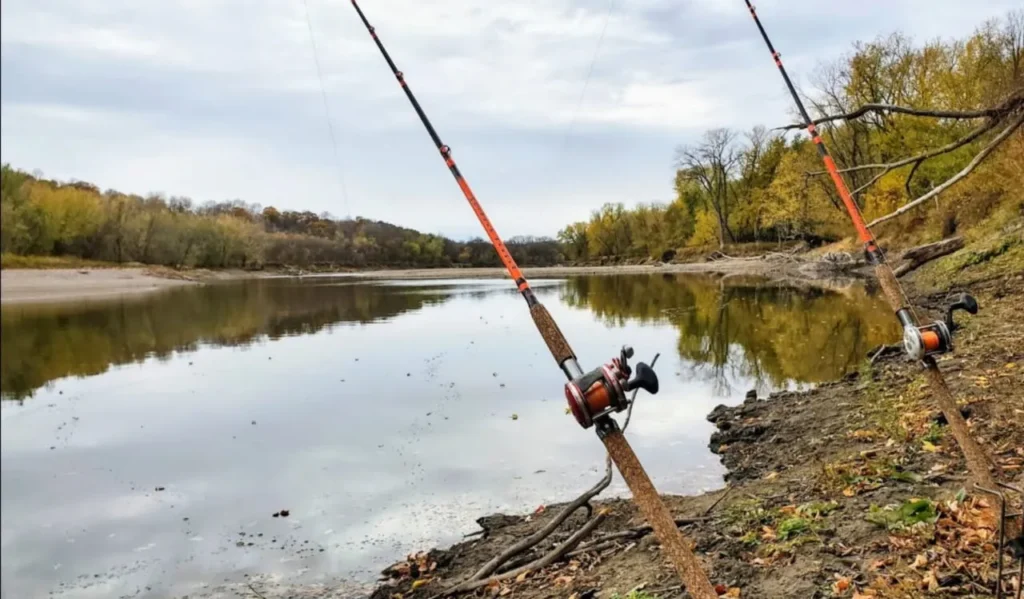
Movement of seasons alters optimal fishing areas of banks. During spring, fish shift to the shallow waters to spawn. In summer they underhold almost darker sides. Autumn is characterized by aggressive feeding in shoreline waters and winter causes fish to move into the slow deeper waters. Knowledge of seasonal trends leads to a significant success rate of the bank without long distance casting.
Rods and Reels for Bank Fishing
Bank fishing rods are typically longer than boat fishing rods, and the best rods can be cast out further and the line can be manipulated in high positions on the shoreline. Rods of seven to nine feet are the norm. Most species do well on medium-light to medium-heavy power rods. A longer rod is better at casting and also raising fishes over vegetation and rocks at the shoreline.
Must-Read Guide for Top Picks of Best Fishing Reels
Bank fishing is mostly done on spinning reels since it handles light and medium weight lures. They work well even during windy weather and they are easy to use. Fish that are in rocks and structure require a smooth drag system to control them. The rod and reel combos are balanced to enhance the accuracy, comfort and general fishing effectiveness in the shoreline.
Fishing Lines Used in Bank Fishing
Bank fishing Monofilament line is commonly used because, at room temperature, it is flexible and shock absorbing, and at low temperatures it is easy to handle. It is an excellent fisher in the shoreline cover like rocks, logs and weeds. The common freshwater bank fishing conditions suit line strengths of between eight and fifteen pounds to give sufficient security in dealing with unexpected fish activity.
Braided line is also used in long distance casts and heavy undergrowth. It is more sensitive and strong though needs to be managed in terms of drag. The leaders made of fluorocarbon enhance invisibility and abrasion resistance. The right type of line is used to avoid break-offs, to detect more bites and provide a better control upon landing fish on the rough shoreline.
Best Baits and Lures for Bank Fishing
The live bait like worms, minnows and crickets is very effective in bank fishing as it is presented in a natural manner. Such baits attract the largest number of freshwater fish such as bass, catfish, bluegill, and carp. Live bait is suitable to the beginner since it needs less activity and it works well in most water conditions.
Spinnerbaits, soft plastics, crankbaits, and jigs are also good artificial lures that can be used in bank fishing. They enable fishermen to access larger areas of water as well as to fish moving fish. The effectiveness of lure selection is enhanced by selecting the lure size and color depending on the water clarity. The alternation of the bait and lures assists with adapting to the adaptive behavior of fish over the day.
Bank Fishing Techniques
Effective bank fishing is very dependent on strategic casting as opposed to random casting. The angler must focus on structure, weed lines, shadows and where shallow and deep water meet. Fan casting is efficient in covering a big area. The different retrieve speed and depth of the lure will maximize the possibility of provoking both aggressive and shy fish.
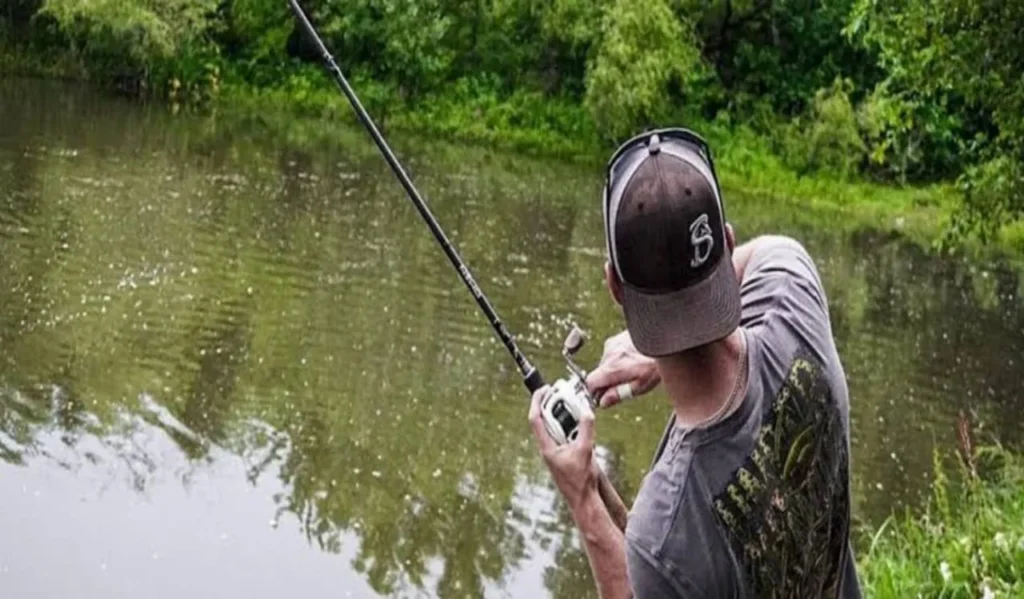
In cold or pressured water, slow presentations are effective whereas the quicker the retrieval the better in areas of active feeding. Low profile fishing off the bank will not spook shallow fish. Proper casting enhances the location of lures close to the regions of strike. In fishing with success on shore it is far more important to have consistency of technique and patience than to have distance.
Target Fish Species for Bank Fishing
Bank fishing may be done on a very diverse selection of freshwater fishes such as largemouth bass, smallmouth bass, crappie, bluegill, catfish, carp, and trout. These fish usually patrol along the shoreline seeking food like insects, bait fish and debris. They are easy targets because they engage in shallow feeding behavior which attracts an angler without a boat.
Different Types of Fishing Rods and How to Use Each Rod
The season dictates the presence of species to the shoreline. Bass and panfish are the most active during warm months and trout are more active in cold days in shaded banks. Carp and catfish are available throughout the year. Bank fishing enables an angler to enjoy a variety of catches without having to travel miles offshore and therefore it makes bank fishing one of the most versatile types of freshwater fishing.
Bank Fishing Safety Tips
When fishing on an uneven terrain shoreline, safety is of crucial importance. Non-slippery shoes are used to avoid falling on wet rock and muddy banks. Sudden drop-offs and algae-covered surfaces should be noticed and avoided by the angler. The correct handling of the hooks helps avoid accidental injuries especially when pulling them in the vicinity of rocky or vegetation cover shorelines.
Safety requires weather awareness. The lightning, the sudden storms, and the powerful winds may make the situation dangerous around water. It is advisable to have basic first aid kits in the case of minor cuts and hook accidents. Physical safety is guaranteed by keeping hydrated and avoiding sun exposure. Safe behavior enables the angling people to have fun on a bank without taking needless chances.
Common Bank Fishing Mistakes
The first error in bank fishing is to keep on moving without affording each place an adequate time to attract bites. It may take a number of strikes before fish strike. The other error is the use of a gear either too heavy or too light to the target species to cast accurately or set the hook effectively at the bank.
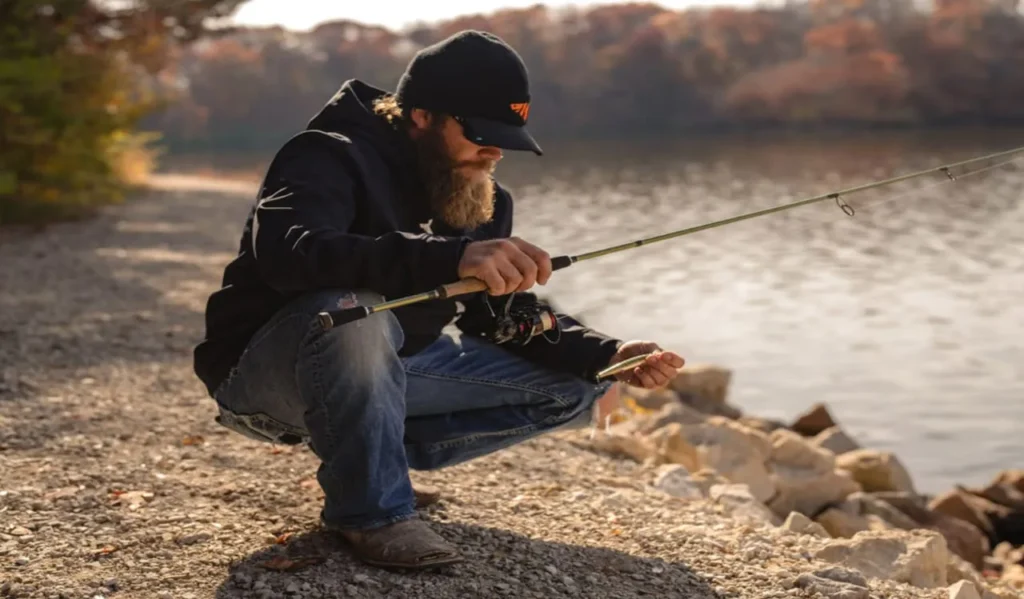
Another common mistake made by the fishermen is when they step over shallow water right in front of them where fish are known to feed. Going too far beyond productive areas will lead to missed opportunities. The negligence of the seasonal fish movements results in low performance. When these errors are corrected, the catch rates are enhanced fast. To achieve a regular success in bank fishing, observation, patience, and good choice of equipment are needed.
Bank Fishing for Beginners
Bank fishing is the best place to start as it does not involve a lot of investments and will enable one to access productive waters without difficulties. Simple spinning arrangements, light to medium line, and live bait or simple fishing lures should be the starting point of a beginner. Confidence is gained through a fast rate of smooth casting and controlled retrieval and the ability to detect bites is enhanced with each outing.
Must-Read Guide for Anyone Looking for Top Rods
Novices should not concentrate on distance casting, but fish behavior. The motion of water, structure and insects activity can be observed to determine feeding areas. Maintaining equipment makes it less frustrating. Through practice, newcomers acquire the necessary fishing skills that are readily transferred to boat fishing, kayak fishing, and other advanced skills in the future.
FAQs About Bank Fishing Guide
Final Thoughts
Bank fishing shows that a person does not need costly boats or sophisticated electronics to be successful in fishing. Anglers can easily fish on shore and get quality fish with a good choice of location, balanced gears and good presentation. It also lessons observation, patience and flexibility which are important in all anglers irrespective of the level of experience and the target species.
Bank fishing has an inexhaustible variety of possibilities and chances of success, whether in small ponds or in large riverbanks. The coastline is a new challenge and learning experience. The behavior of fish changes with changing seasons, making the experience new. Bank fishing is also one of the best and available fishing techniques to both experienced and amateur fishermen.