How to Choose the Correct Rod Action: Complete Guide
Learn how to choose the correct rod action. Match fast, medium, or slow rods to lure type, target fish, and fishing conditions for better control and success.
The right rod action will be needed to enhance the accuracy of casting, the control of the lure, and the efficiency of hooking fish. The way and position of a rod bending when under pressure is called the fishing rod action and affects the sensitivity, power, and recovery. The knowledge of action types enables the angler to pair rods with the type of fishing, species and the environment, which allows him to have better control, hook sets, and a more enjoyable day on the water.
Rod action has a direct influence on the presentation of the lure and fighting power. Fast-action rods bend primarily at the tip which makes them quick to hook, whereas slow-action rod bend through the length which increase their flexibility. A balance can be found with medium action rods. Choosing the right action makes sure the lures are controlled in optimum ways and helps eliminate missed hits and increases angling performance.
Understanding Rod Action Basics
Rod action is used to indicate the rate at which a fishing rod can recover its neutral position after bending. Fast action curves towards the tip, medium curves more in the middle and slow curves all along the rod. This affects sensitivity, casting distance and fighting power. These basics are important in choosing the right rod in particular techniques and fishing conditions.
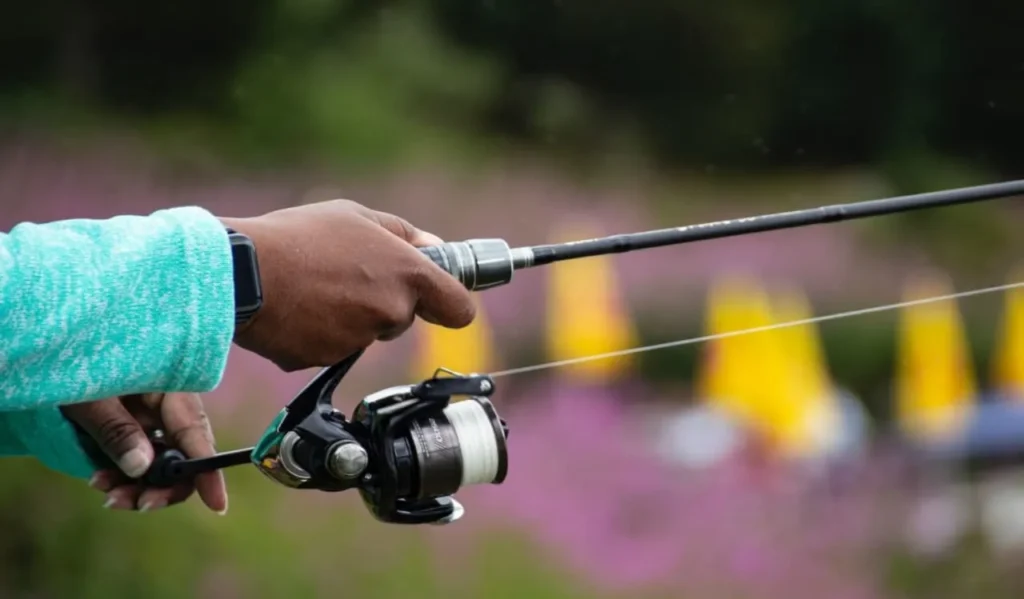
The right rod action increases the performance of lures and hook-setting consistency. Single hooks or lures that need to be fast-moving can be controlled by using fast rods. Slow rods minimize stress to fish when fighting and assist beginners to avoid the loss of line. Understanding the behavior of every type of action will make sure that the angler will be able to match the rods to the way they fish effectively.
Fast Action Rods Explained
Fast-action rods bend at the tip, and are used to provide fast and accurate hook sets and extreme sensitivity. They are suitable for such techniques as jigging, soft plastics, and topwater lures when quick reaction is required. Fast rods provide outstanding manipulation of the lure action and allow precise and long-range casting in most cases of fishing.
Faster action rods are also able to deal with heavier lines and lures, and one can be able to fight larger fish and be sure that they have the ability to do so. The rigidity on the rod minimizes energy loss in the casting process and it also assists in keeping a constant pressure on hooked fish. They particularly work well in open water and high current environments.
Must-Read Guide for Anyone Looking for Top Rods
Medium Action Rods Explained
The medium-action rods are bent in the central part, which provides balance between the power and flexibility. They can be used with a wide range of lures and species, and can be used with crankbaits, spinerbaits and moderate jigging. Medium rods are friendly to a beginner and at the same time offer sufficient sensitivity to experience the hits and to manage the lure effectively.
These rods are good in shallow fishing and moderate depth fishing. They give sufficient support to combat bigger fish without compromising lure action. Anglers also are more flexible and adaptable, and medium rods are a safe option in a wide range of fishing situations and methods without having to carry many specialized ones.
Slow Action Rods Explained
There are slow-action rods that bend along the whole run giving it the greatest flexibility and shock absorbency. They suit small fish or light line rigs in which lure movement and slow hook set are required. Slow rods lessen the likelihood of line break and, hence, are user-friendly and ideal in the presentation of delicate items.
Slow rods can also be used to battle fish without causing them much stress, which would tear soft-mouthed fish. They do not do well when the water is thick or a long cast is required, but they are fine in light jigging, drop-shotting and ultralight. Gradual movement gives the ability to manage and a smooth ride in delicate fishing conditions.
Must-Read Guide for Top Picks of Best Fishing Reels
Matching Rod Action to Lure Type
The rod action highly depends on the type of lure. Single hooks, topwater, and heavy jig lures should use fast rods to make quick and accurate movements. The medium rods are compatible with crankbaits, spinerbaits, and soft plastics and are a combination of power and flexibility. Slow rods are also good with light lures, finesse rigs and ultralight presentations to provide subtle action.
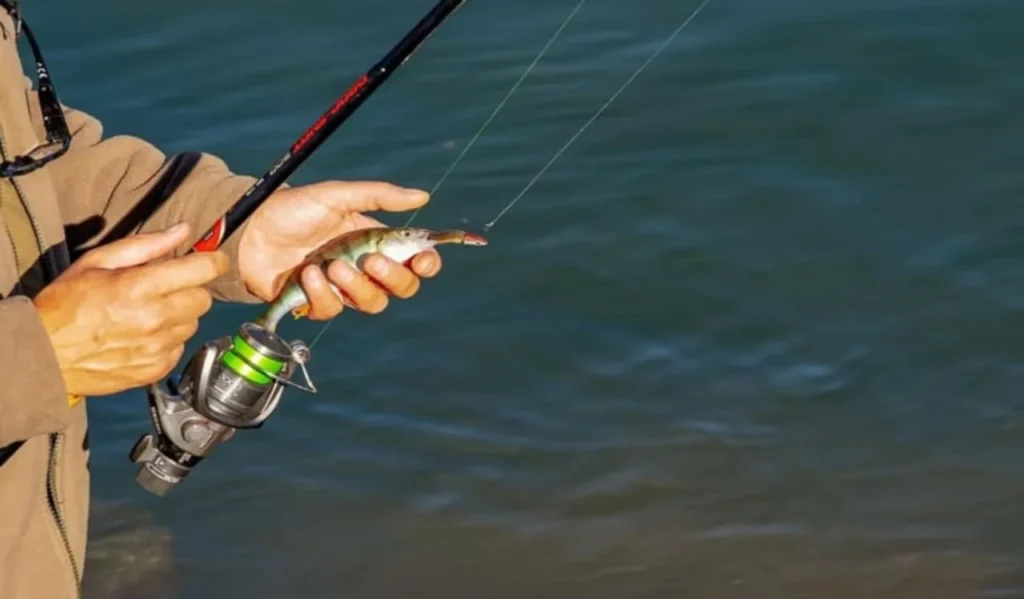
Action to lure Suitability of action is the best action to use to get the highest success in the game, it must be natural and strike rate. The wrong action may result in bad lure control, missed hits or line ruptures. The knowledge of the interaction of each lure with rod flex enables the angler to make informed choices in certain fishing situations.
Matching Rod Action to Target Fish
Dissimilar fish species demand various actions of the rod. Quick rods are used to hook and battle hard fish such as bass or pike. Medium rods can be used with trout, walleye and smaller bass. Slow rods are the best when panfishing or when dealing with sensitive species that need a lot of care and the line strains minimal when fighting.
Rod is determined by fish behavior, size and environment. Fisherman fish in the open waters will need high-speed rods and hook-setting abilities. Slow rods are advantageous to the passive species in clear or shallow water. Equivalent rod action will guarantee effective fish management, less loss of hits and enhanced fishing achievement.
Matching Rod Action to Fishing Conditions
Rod action choice is also influenced by the environmental conditions. Deep water, heavy cover or strong currents may demand faster rods that have greater backbone. Light line fishing is suitable in shallow and calm water. The middle rods can be used in mixed weather, and they are flexible enough to offer the right balance between force and delicacy.
Rod action adjustment to conditions enhances the control of casting and presentation of lures. Powerful wind or quick currents might require more rigid rods to withstand, whereas delicate movements are needed using the more flexible type of rod. Conditions awareness guarantees improved performance and less frustration in the fishing trips.
Different Types of Fishing Rods and How to Use Each Rod
Advantages of Fast Action Rods
Quick hook sets, good control and efficient lure control are offered by fast-action rods. They are also good in heavy cover, deep water and in large lures. Fast rods minimize missed hits and keep fighting fish at a steady pressure enhancing the general fishing efficiency and success.
These rods are perfect to those advanced anglers who want precision, pace as well as strength. They give the greatest response to lures and give an improved ability to control aggressive or hard-fighting species. The fast rods are also useful in the tournament environments where accuracy and speed of reaction are essential to high catches.
Advantages of Medium Action Rods
Medium-action rods are versatile, and they have both power and flexibility. They can be used in various fishing methods, types of lures, and species. Medium rods produce longer casts and can still be sensitive, and they are the best rods to use when an angler wants to be flexible and reliable in all types of conditions.
They also make them less fatigued when they are fishing long hours. Novice and amateurish fishermen enjoy the forgiving action and do not lose performance. Medium rods are good in controlling lures, setting hooks, and handling fish and hence a good solution in day to day fishing activities.
Advantages of Slow Action Rods
Slow-action rods are gentle in bending and also shock absorbing, which minimize line breakage and safeguard fish. They are masters of finesse style, ultralight rigs and subtle lure presentation. Slow rods are easy to use and more forgiving and confidence giving in the learning and light-line fishing uses.
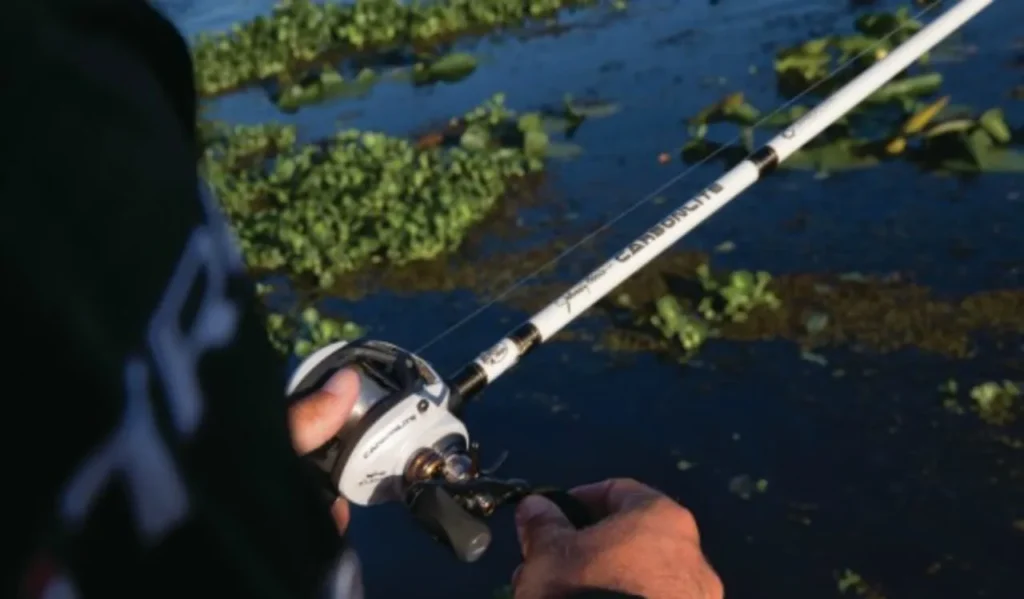
These rods are also good in increasing the feel of the lure and also in making slight movements which can bring a cautious fish to the hook. They are ideal to use with panfish and trout and other small fish in which they require soft presentation. Slow rods are used to ensure smooth control of the fishing rod, setting of the hook and experiencing fun fishing in delicate or rough surroundings.
Adapting Technique to Rod Action
Casting and retrieval technique is influenced by rod action. Fast rods need to be casted with control and accurate movement of the wrist to prevent overloading. Medium rods permit moderate force and less rough casts. Slow rods require smooth and constant movements to ensure a control of lures and to avoid twists of lines. It must make sure that the technique is adjusted to action to make it better.
Practice assists in building muscle memory and confidence in every type of the rod. Fishermen can expect reactions of the rod during the retrieval, fights, and attacks. Technique adjustment eliminates missed hits, line breakage and exhaustion to the maximum extent of the selected rod action to achieve regular fishing success.
FAQs About Choose the Correct Rod Action
Final Thoughts
The right rod action enhances the lure control, hook setting performance and improves fishing performance. There are fast, medium and slow rods each of which has a purpose. Knowledge of rod action also makes sure that an angler is using the correct tool in the right species, type of lure and in the right environment to be more accurate and increase the catch ratio.
It is important to have practice, observation and adaptation. Technique adjustment to the rod action fosters confidence, decreased missed strikes and efficiency. Using the right rod, an angler can optimize the use of lures, control of fish, and enjoy the time spent on the fishing trip.