How to Set Up a Fishing Rod and Reel: Beginner’s Guide
Learn how to set up fishing rod and reel step by step for better casting, smoother drag control, and improved overall fishing performance.
Properly setting up a fishing rod and reel is the first step toward a successful fishing experience. An incorrect setup can cause tangled lines, shorter casts, and missed fish. Beginners often feel confused by rod components, reel types, and knot tying. Understanding the correct setup sequence makes fishing easier and builds confidence for frustration-free trips on any water.
Correctly adjusted fishing rod and reel enhance accuracy of casting, movement of the line and hook-setting capabilities. With either a spinning reel or a baitcasting reel, proper steps would avoid making unnecessary mistakes. Everything is outlined in this guide in easy-to-follow steps to ensure that you can put your fishing outfit together appropriately to suit freshwater and saltwater fishing.
Choosing the Right Rod and Reel
The proper rod and reel combination is very crucial to be selected before the setup commences. Spinning and baitcasting rods are only compatible with spinning and baitcasting reels respectively. The action, power, and rod length have to be equal to the reel size to perform well. An inappropriate combination is not comfortable and decreases the accuracy of casting and fish control.
The reel size should be 2500 to 3000 and the spinning rod should be medium power. This arrangement manages a majority of the freshwater species with ease. The right rod and reel will help in making the learning process easier and more controlled with less fatigue. Proper choice prior to installation will save money and spare frustration in the future when it comes to fishing.
Must-Read Guide for Anyone Looking for Top Rods
Attaching the Reel to the Rod
In order to install the reel, find the reel seat on the rod handle. Unsecured the seat by turning it against the clock. Place the reel foot with much care into the seat. Spin the seat clockwise to close the reel until it seems to be secure. The reel must be steady and it should not swing sideways. Use the same amount of force, but too much may break the threads of the rod seat.
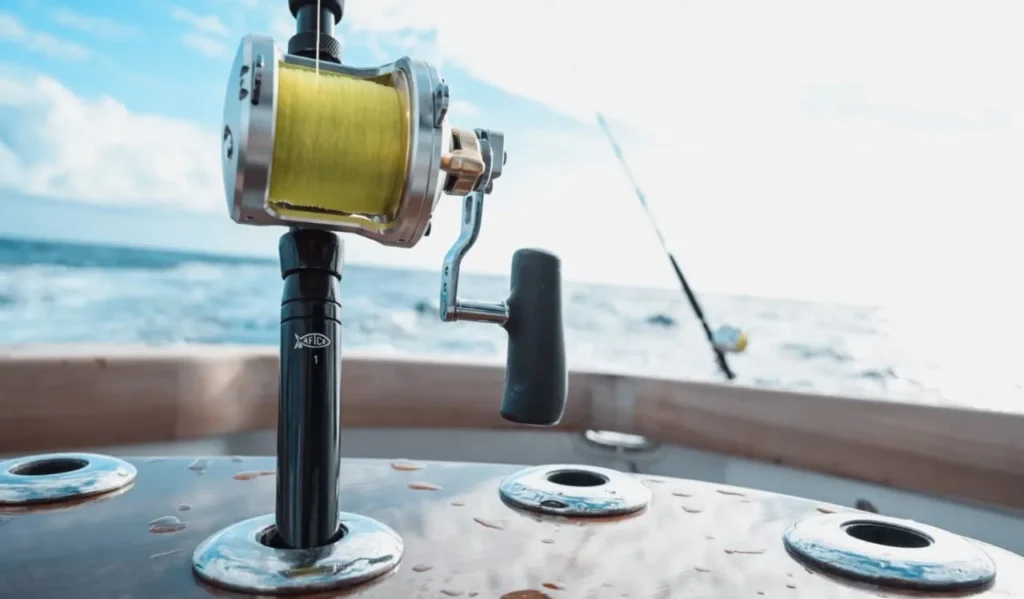
The reel should be aligned straight with the rod guides to allow smooth line flow. A crooked reel can reduce casting distance and create extra friction. After tightening, shake the rod gently to make sure the reel is stable. A properly mounted reel of the right size improves balance and makes hook sets easier. It also provides better control and security when handling larger fish in the water.
Spooling Line Onto the Reel
Tangles, twists and casting issues are avoided by spooling line correctly. Begin by unscrewing the bail of a rotary screw. Connect the spool to the fishing line by the use of an arbor knot. Closure of the bail is to be made before reeling. This is to avoid twisting of lines at an early stage. At all times, when spooling maintain light tension on the line.
Spoon fill Fill the spool until the line is about one-eighth inch below the rim. Wind knots and tangles are brought about by overfilling. By underfilling you reduce your distance of casting. Smooth casting, constant retrieves and greater control in fights with powerful or fast-moving fish species are guaranteed by proper spooling.
Threading the Line Through the Guides
Once the fishing line has been spooled, pass each of the rod guides in order of the one nearest to the reel to the tip. Make sure that the line does not skip any guide. The absence of any of guides results in uneven pressure, reduced accuracy of the casts, and unwarranted pressure on the rod blank.
Turn gradually so as not to get into knots or wrap unwillingly on the rod. After doing so, make sure that the line is straight and not twisted. Even casting distance and accuracy is enhanced by smooth alignment. Well threaded guides allow the rod to flex in a balanced manner and works easily when the fish are overloaded.
Must-Read Guide for Top Picks of Best Fishing Reels
Attaching a Hook, Lure, or Rig
After threading the line, attach your hook, lure, or fishing rig using a strong knot like the improved clinch or Palomar knot. Wetting the knot before tightening helps reduce friction and prevents weakening. Pull firmly on the line to ensure the knot is secure. Check that the knot is tight and will not slip during casting. A properly tied knot improves your chances of landing fish successfully.
After knotting, cut off any unnecessary line to avoid snagging. The right knot will guarantee good hook sets and will not lose a fish because of dropping knots. A hook or a well-knot lure gives peace of mind when casting and enables an angler to concentrate all his/her efforts on the presentation and strike detection.
Setting the Drag System Properly
The drag system is used to determine the maximum amount of tension that a fish can exert, before the line is released by the spool. Pulling the line with the hand tightening or loosening the drag knob set the drag. It must not be able to pull steadily and then suddenly slip. Excessively tight leads to break-offs whilst excessively loose leads to low hook-setting power.
The rule that is good is to set the drag at approximately one-third of your line breaking strength. The correct drag safeguards your line, rod and reel when there is a run off. It also enables easier control of fish when in a lengthy fight without putting your equipment under the unnecessary strain.
Checking Rod and Reel Balance
Balance is an important factor in performance and comfort. Grasp the rod and the reel attached and see whether the tip of the rod goes too deep forward. A balanced set up is neutral to feel in hand and it alleviates the fatigue of the wrist during prolonged fishing. Lack of balance causes casting to be hard and the accuracy in controlling the fishing lure to be very low.
In case the arrangement is tip-heavy, a marginally heavier reel can be used to balance it. Balanced equipment enhances sensitivity and control. It will enable you to cast without problems, follow the movements of lures with ease and react quicker to hits without tension or strain in your arms during the fishing process.
Different Types of Fishing Rods and How to Use Each Rod
Adjusting the Bail and Handle Position
Prior to going fishing, ensure that the handle of the reel is in place and is turning well. On spinning reels, make sure that the bail opens and closes without being stuck. Never turn the handle after casting, and to be sure that the bail is always closed. This avoids twisting of lines and enhances long term performance of reels.
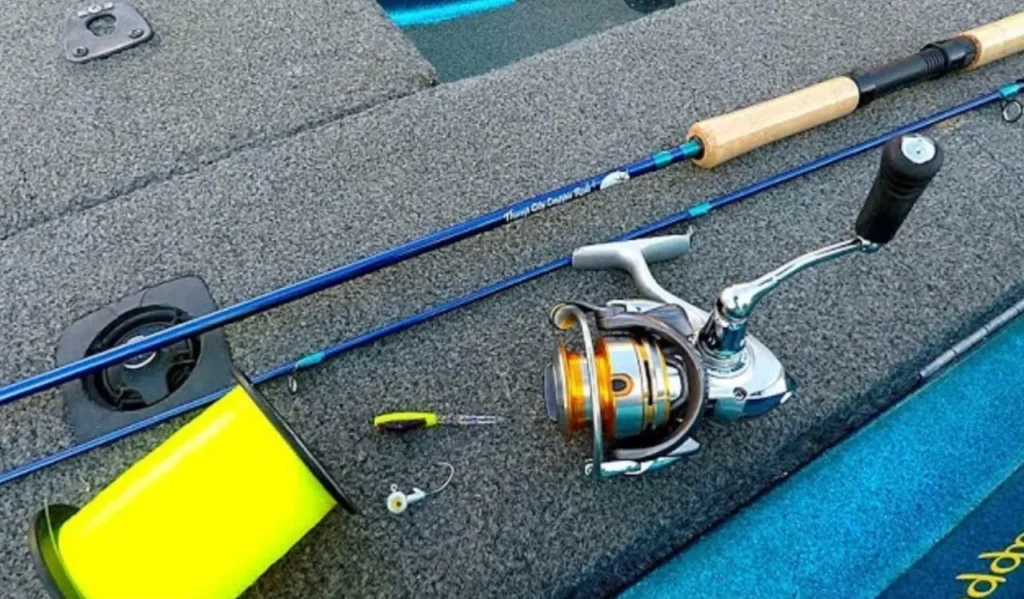
The position of the handle is to be at the comfort level and to be in control. The majority of reels can be swapped. The efficient adjustment of the handle leads to the efficiency of cranking and less fatigue. The movement of the bails and handle is smooth so that the retrieves are always consistent and the line is kept in order at all times during each cast and fight.
Performing a Test Cast
The best thing to do before commencing with your full-fishing is to make a few pre-tests in an open space. The casts assist in ensuring that the line runs well, the reel is working and the knot is not strangled. Look out at the tangles, twisting or non-even line releases during the cast.
In case of resistance or looping, recheck your best fishing line spooling and threading of the guide. Real-time problems on the water are prevented by smooth test casting. The testing provides the confidence prior to targeting fish and prevents time wastage in making adjustments once actual fishing is going on.
Different Types of Fishing Reels and How to Use Each Reel
Final Safety and Performance Check
Before starting to fish, carefully check all connections on your rod and reel. Ensure the reel is tight, the drag is properly adjusted, and the knot is secure. Examine the rod guides to make sure none are damaged or broken. Identifying small problems early can prevent bigger issues during fishing. This preparation helps avoid equipment failures when battling larger fish.
A brief safety inspection is a way of securing your investment and not to lose fish because of some mistakes which can be avoided. After all the inspection is done, then you have your rod and reel set up. A well-tuned system gives one confidence, improved casting action and a smooth fishing experience in the first cast.
FAQs About How to Set Up Fishing Rod and Reel
Final Thoughts
The art of rigging a fishing rod and reel properly is an art that all the anglers should master. Every single operation, such as selecting the appropriate combo to the setting of the drag influences accuracy in casting and fish management. The correct set up eliminates snarls, alleviates fatigue and creates confidence in both the novice and the experienced angler.
When the rod and reel are properly assembled, fishing becomes much easier and more enjoyable. You can focus on catching fish instead of fixing problems. A correct setup improves your control and overall performance on the water. Learning to assemble your gear properly increases your chances of success. It also protects your equipment, helping it last longer and perform better over time.