Types of Fishing Rods for Beginners: Complete Guide
Discover different types of fishing rods in this beginner-friendly guide. Learn uses, materials, lengths, and tips to choose the best rod for any angler.
Anglers cannot do without fishing rods, which come in all kinds of types depending on the particular techniques, fish species and water conditions. Novices at times get lost in the variety. It is important to know the various types of rods in order to make the correct decision. This guide describes the most common ones, their purposes, and differences, so that you will have the right fishing rod.
Choosing the right type of rod improves casting accuracy, fish control, and overall angling performance. Each rod type has unique characteristics such as length, power, action, and material that affect how it performs. Understanding these differences helps beginners avoid mistakes, save money, and achieve better results. This guide provides practical insight to help you select the right fishing rod.
Spinning Rods
Spinning rods are the best to start with since they are simple to operate and can be used in various ways. They use spinning reels that enable easy casting and easy retrieval of the lines. These rods can be used in different fish species and in different fishing conditions hence they are appropriate in freshwater lakes, rivers and ponds. Novices like their pardoning nature and easy learning curve.
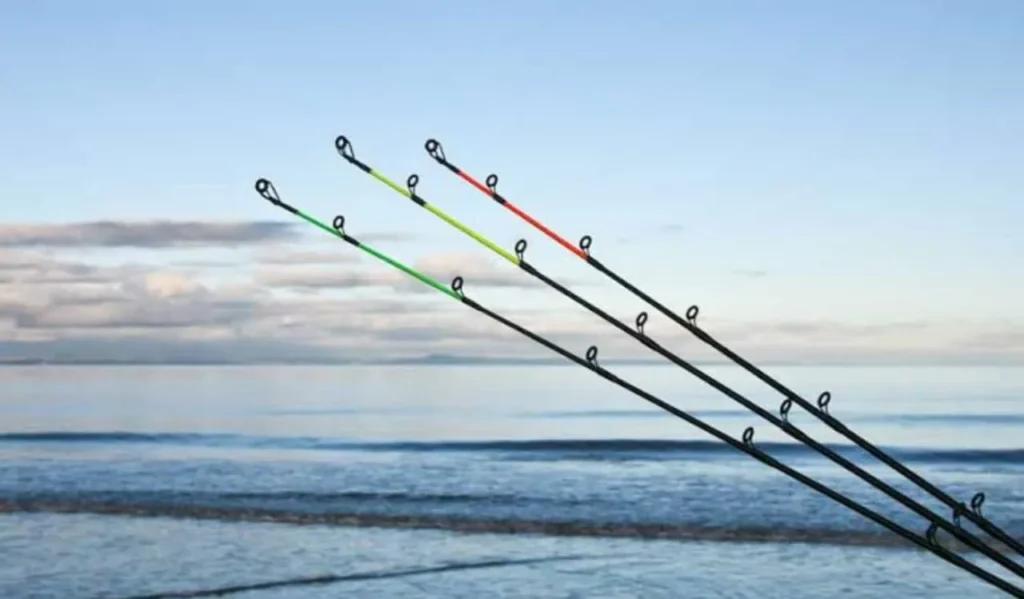
Spinning rods are no heavy, and they are available in various lengths and power ratings. They are light to medium and are good at casting and controlling. They have flexible tips which prevent line breakage when fighting fish. In general, spinning rods offer a moderate performance, cost-effective and user-friendly combination to both new and advanced angler.
Must-Read Guide for Top Picks of Best Fishing Reels
Baitcasting Rods
Baitcasting rods are designed to work with baitcasting reels, providing increased accuracy and power. They are well suited for casting heavy lures and targeting larger fish species. These rods allow anglers to place casts precisely in tight or covered areas. Beginners may find them challenging at first because backlash can occur easily. With practice and experience, they become highly effective.
Baitcasting rods come in various lengths and power ratings to suit different fishing needs. They provide strong hook-setting power and excellent control when using heavy lines. Anglers commonly use them for bass, pike, and other aggressive species. Their stiffness and sensitivity allow precise lure placement and powerful fish-fighting ability, making them a favorite among experienced anglers.
Spincast Rods
Spincast rods are covered and easy to use and so ideal to the novice, children, and amateur fishermen. They have a closed-face reel where the lines do not tangle and the errors made during the casting are reduced. Although they are not as versatile as spinning and baitcasting rods, spincast rods are easy to use in freshwater fishing without hassles.
These are lightweight and short rods which are perfect in the little lakes, ponds and streams. They work with light lines and small lures effectively. Spincast rods are also non judgmental and enable beginners to master the fundamentals of casting without rage. They are a great way to start fishing and gain confidence with then proceeding to the more complex rod types.
Must-Read Guide for Anyone Looking for Top Rods
Fly Fishing Rods
Fly rods are designed to be used in fly fishing in which artificial flies are the bait. They are light, long and flexible so that the fly can be presented on the water with delicacy. They are used by an angler in rivers, streams, and lakes to fish trout, salmon, and other species that feed on the surface.
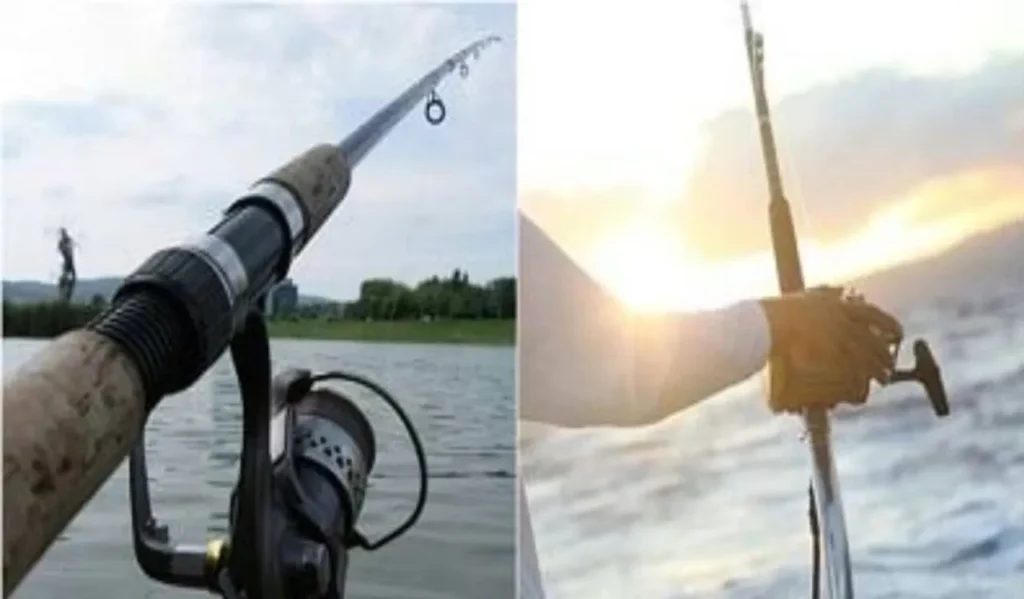
Fly rods need to be fitted with similar fly reels and lines which are usually heavier than the rod itself. They give accurate control of casting range, accuracy and control of lines. Fly rod fishing is not easy and takes a lot of skill and practice but it provides some of the most interesting angling experiences and challenges that are enjoyed by an enthusiast who wants a more artistic and technical approach to fishing.
Surf Fishing Rods
Surf fishing rods are long, typically 9-14 feet, that are intended to launch bait out into the surf and a long distance away. Their length enables the angler to access the deep waters and deal with bigger salt water fish like striped bass and redfish. These rods are also tough and cannot be corroded by exposure to saltwater.
They are combined with heavy spinning or traditional reels in order to cope with powerful surfing. Long casting is also common with the use of large guides and strong blanks on the surf rods. One of the benefits that the anglers enjoy is the ability to cast further, manage the lines better and the power to struggle with large fish in a challenging environment. Surf rods are suitable to fish in beaches and piers.
Different Types of Fishing Reels and How to Use Each Reel
Ice Fishing Rods
Ice fishing rods are short and compact and they are used to fish using holes in frozen lakes. They are small, which means they can be controlled in a limited space. They are usually light in weight and their ends are sensitive in order to sense the small bites of the fish like perch, walleye and trout in the ice.
These rods are frequently fitted with simple reel arrangements or they are attached to small spinning reels. Anglers like their portability and responsiveness, which are necessary in the detection of slow moving fish in cold water. Ice rods are effective bite detectors and controllers and therefore can never be ignored by winter angling who wish to go fishing under the ice.
Trolling Rods
Trolling rods are designed to be used in moving boats and have lures or baits trailing them. They are generally medium to heavy power rods that are able to handle bigger fish in both freshwater and saltwater. The trolling rods should be durable, have a good hook-setting power and good control over the line when the boats are in motion.
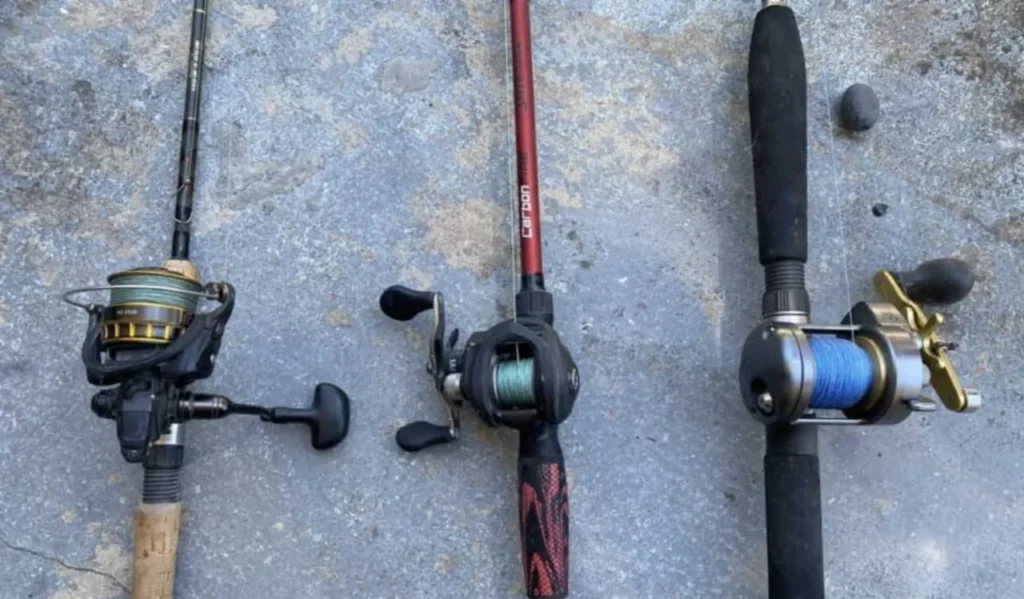
They are matched with the right trolling reels and line that match such species as salmon, tuna or walleye. Anglers gain the advantage of accurate depth control, drag reduction and the capability to deal with big catches. Trolling rods are another critical selection that an angler would make, especially when he wants to fish using a boat with steady lure action and a superior aspects.
Jigging Rods
Jigging rods are specifically targeted in vertical fishing methods, and are typically used in fresh water and salty waters. These rods are powerful, short-to-median-length rods and possess sensitive tips in order to feel minor bites when lifting and dropping jigs. They work well in catching fish such as snapper, bass, and cod.
Jigging rods are the control of heavy lures and line because of the rigidity and motion of the rods. Anglers are able to keep in touch with the lure during the vertical motion. Jigging rods are ideal in deep-water fishing and where the lure manipulation is needed with precision, they are versatile and powerful to achieve success in angling.
Telescopic Rods
Telescopic rods are reduced to a small size in order to transport and store them easily. They are well received by vacationers and space-constrained fishermen. Although relatively small, modern telescopic rods are reasonably strong and flexible, which makes them suitable in freshwater and light saltwater fishing.
They can be carried on the backpack, during hiking, and on the impromptu fishing trips. Telescopic rods come in different lengths and power, and fit different species. Though they might not be as effective as one-piece rods, they offer a convenient alternative to the angler who wants to be able to carry a rod around without losing functionality.
Different Types of Fishing Rods and How to Use Each Rod
Multi-Purpose Rods
Multi-purpose rods are versatile tools suitable for various fishing techniques, water conditions, and fish species. They typically feature medium power, moderate length, and balanced action to handle light to medium lines. This adaptability makes them easy to use in different situations. As a result, they are an excellent choice for beginners and recreational anglers.
The rods save the use of many special rods but offer reasonable performance in all fishing styles. They might not be the best in specialized techniques, but they enable the angler to explore some other techniques and get experience. Multi-purpose rods would be a good option when it comes to general fishing fans who appreciate versatility and convenience.
FAQs About Types of Fishing Rods
Final Thoughts
To succeed in angling, it is important to understand the different types of fishing rods. Each rod is designed for a specific purpose, such as spinning, baitcasting, fly, surf, or telescopic fishing. Knowing these differences helps beginners choose the right rod for their fishing style and target species. Selecting the proper rod also improves performance and makes the fishing experience more enjoyable.
When choosing a fishing rod, factors such as length, power, action, and material should be considered. Beginners often benefit from starting with versatile spinning or multi-purpose rods. As skills improve, anglers can explore more specialized options. With proper knowledge and practice, the right rod choice leads to better control, more successful catches, and a more enjoyable fishing experience.