
How to Balance a Fishing Rod and Reel: Beginner’s Guide
Learn how to balance a fishing rod and reel for better comfort, casting accuracy, and control. Simple steps for spinning and baitcasting setups.
In order to be more comfortable, more precise, and have more control over the water, it is important to balance a fishing rod and reel. Inequal distribution of the setup will result in a strained wrist, lack of accuracy in casting, and accelerated fatigue when fishing long hours. Balance is not taken into consideration by many anglers but distributing weight properly enhances sensitivity and performance in general during both fresh water and salt water fishing.
A balanced fishing gear helps the rod to be comfortable in the hand without stooping too far forward or back. This manual discusses the process of balancing a fishing rod and reel in an easy way. Balance enhances the efficiency of casting and makes fishing easier and less tiresome with or without experience as an angler.
Why Rod and Reel Balance Matters
Balance has a direct influence on the level of comfort of your fishing system when in use. A heavy rod on the tip strains the forearm and the wrist leading to fatigue soon. Ineffective balance is also a factor that complicates the control of the lure and decreases sensitivity. Balanced gear will make you cast more accurately, pick up smaller bites and battle fish in a more controlled way using less physical effort.
With a properly balanced setup, the rod sits straight in your hand without dragging forward or backward. This improves reaction time and enhances overall lure presentation. Good balance also reduces strain on your joints during long fishing sessions. Once the rod and reel are balanced, anglers often experience more accurate casts and smoother retrieves.
Different Types of Fishing Reels and How to Use Each Reel
What a Balanced Fishing Setup Feels Like
Your fishing rod and reel must be in balance in your hand. When you are holding the rod in a horizontal position at the grip, it is not supposed to lean heavily either towards the tip of the rod or towards the handle. The weight must seem to be evenly distributed. This ambivalent emotion enables the casting to be smooth and the lure tracking to be easier without having to correct the wrist all the time.
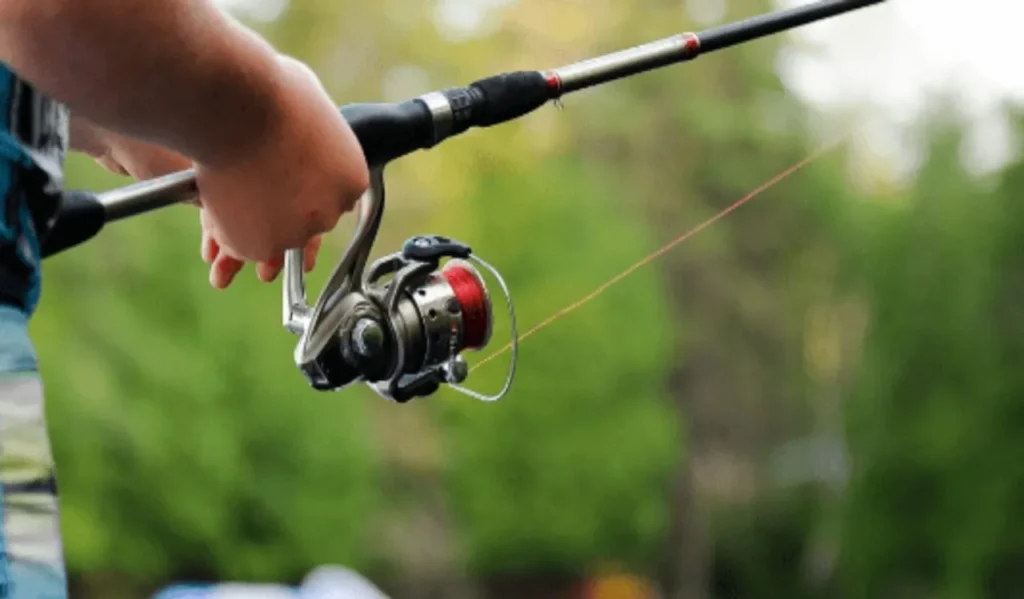
When the tip of the rod falls forward instantaneously, the apparatus is in the heavy tip. When the handle falls backwards then it is butt-heavy. Both ailments make one feel tired and lose control. A well-balanced arrangement provides the opportunity to take longer fishing excursions with a reduced load and enables the angler to have a higher level of confidence during casting, retrieving and fighting.
Matching Reel Size to Rod Length
The size of your reel is significant in balancing your best fishing rod. When a tip-heavy balance is caused by a little reel on an elongated rod, then the reel is turned into a small reel. This can be overcome by using a heavier reel that will push back the weight. In case, such a rod as 7 feet is usually better balanced with a 2500 to 3000 size spinning reel in most freshwater uses.
The length of the rod should be matched with the size of the reel and longer rods need a heavier reel. Gear size is adjusted to rod length in order to get a better weight distribution. This makes casting easier, lessens wrist pains and increases sensitivity. The first step to the creation of a natural balanced fishing system is the selection of the proper reel size.
Must-Read Guide for Anyone Looking for Top Rods
Checking Balance Before Fishing
To balance, take your rod and reel, and line and lure fully assembled. With one finger, hold the rod at the main grip. In case the rod does not tilt forward or back, then your arrangement is at equilibrium. When it leans far in either direction then some adjustments are required to have the correct weight distribution.
Always check balance prior to the commencement of your fishing trip. Balance may be changed by simply changing reels, lines, or rod accessories. Balance checks are done frequently to avoid discomfort on the water. This is a simple test that can save you a lot of time in long fishing sessions, which would cause you to experience pain in your wrists, low casting accuracy, and general inefficiency in fishing.
Using Reel Weight to Improve Balance
Balance problems can be corrected by reel weight. When your rod is a bit heavy in the tip, the solution is to change to a reel that is a little heavier so that the center of gravity is moved backward. This decreases the forward pull and enhances comfort. Most of the fishermen are not aware of the fact that fishing with too light reels causes them undue strain during the fishing process.
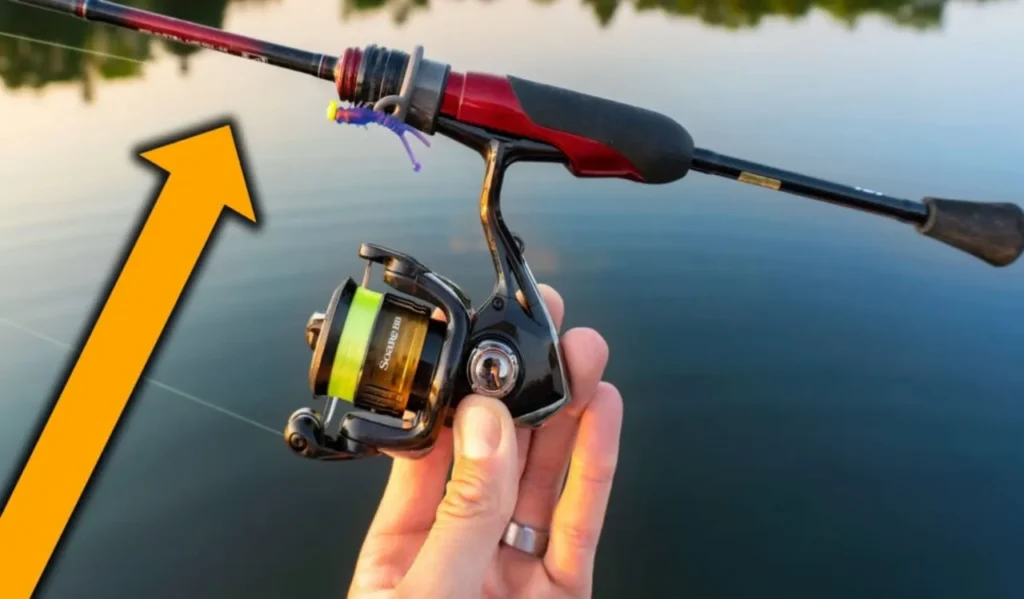
Weight should be always put into consideration when upgrading reel with size and gear ratio. A reel that is a little heavier does not imply that it performs poorer. It is more likely to provide a more stable and comfortable arrangement. The correct reel weight enhances the casting rhythm and control of lure and comfortability on long fishing expedition in various environments.
Adding Counterweights to the Rod Handle
Counterweights are useful when it is difficult to replace reels. Balance kits or just removable weights can be added to the rod butt in the form of small weights. These weights will be able to move the center of gravity to the back and will counter a tip heavy configuration without altering your reel or rod. Counterweights should be introduced progressively and experimented upon often.
Excessive weight puts the entire setup in the butt and makes it uncomfortable. This is aimed at neutral equilibrium, rather than additional heaviness. The correct position of the counterweights enhances the sensitivity of the rod, lessens the fatigue of the wrist and enables an angler to fish more and more with precision of the lure and rapid reaction.
Line Weight and Balance Impact
Fishing line also influences balance particularly with the lighter rods. Monofilament of heavy weight or thickness is placed in front of the rod, and will contribute to tip-heaviness. This effect is usually minimized by switching to thinner diameter line. Line choice has effects on the strength and sensitivity as well as the balance of the set up.
Although line weight is not a solution to the significant balance problems, it helps to fine-tune. A balanced line increases the overall feel and the responsiveness. Balanced line weight is used to enable the casting to be smoother and to increase the detection of bites. Most of the anglers just enhance balance by changing to lighter, stronger braided lines or thinner fluorocarbon lines.
Must-Read Guide for Top Picks of Best Fishing Reels
Grip Position and Hand Placement
The placement of your hands also contributes to the feeling of balance of your set up. Grasping the rod in too far a position adds to fatigue since the tip weight appears heavier. It is too far backwards to control and cast. The grip should have your hand in the position that you find most comfortable and control over. The rods have extended rear grips on some of them to increase leverage and balance.
The position of hands can be shifted a little in the forward or back direction, and this can immediately increase the comfort. The optimal positioning of the grip enhances the strength of hook-setting, decreases strain on the wrist, and provides the angler a superior control in the retrieves and fights with fish of all methods.
Testing Balance During Real Fishing
Balance Once balance is adjusted, test during casting and retrieving. An actual balanced system is smooth and requires less correction in the wrist. It becomes easy to cast and the control of lures is natural. On retrieves the rod must not pull forward or backward in your hand too hard.
Observation of fatigue after half an hour of fishing. In case your wrist is straining, balance must be corrected. The ultimate test of success is real-life. The correct balance enables to have longer sessions, faster reaction to strikes and more precise lure presentation in the actual fishing situation.
Different Types of Fishing Rods and How to Use Each Rod
Common Balance Mistakes to Avoid
The first mistake is to pick the lightest reel without taking into consideration the rod length. The use of ultra-lights can severely tip the heaviness of a rod that is longer. The other error is the overloading of counterweights, hence causing the set to be heavy and uncomfortable. Fixing the balance too much results in the emergence of new performance issues rather than the solution.
The greatest mistake is the neglect of balance. Most of the angllers attribute fatigue to poor fitness rather than poor set up. The balance needs to be verified each time when the gear changes. By preventing such errors, one will experience an easy casting procedure, more efficient control, and enjoyable fishing time without having to get physically tired of it.
Choosing the Right Reel Weight for Your Rod
Choosing the right reel weight for your rod is crucial for maintaining proper balance and comfort while fishing. A reel that is too heavy can cause arm fatigue and reduce casting accuracy. On the other hand, a reel that is too light may compromise control and stability. Matching the reel weight to the rod ensures smoother handling and more enjoyable fishing sessions.
The type of fishing you plan to do also affects the ideal reel weight. Lightweight reels are best for finesse techniques, while heavier reels provide strength for larger fish and longer casts. Testing different reel weights on your rod helps you feel how it handles in real fishing conditions. Properly balanced rod and reel setups improve casting efficiency, reduce fatigue, and enhance overall performance.
FAQs About How to Balance a Fishing Rod and Reel
Final Thoughts
Balancing a fishing rod and reel is an easy task which has significant performance advantages. It enhances the precision of casting, control of lures and comfort. The balanced system minimizes fatigue in the wrists and enables the angler to concentrate more on the fishing process instead of changing his/her grip, coping with the inefficient weight distribution.
Balance should never be ignored to ensure that it is checked before fishing regardless of whether you use spinning or baitcasting gear. Giving your setup a slight tweak with changing the weight of the reels, counter weights or positioning of your hands can entirely transform the feel of your setup. Learning balance simplifies the process of fishing, makes it more pleasant and much more fruitful in the course of the long fishing days.