How to Choose the Best Rod Power: Complete Guide
Learn how to choose the best rod power. Match light, medium, heavy, or extra-heavy rods to lure weight, target fish, and fishing conditions for success.
Selecting the ideal rod power is important in enhancing efficiency in casting, fishing fish and managing different mollies. The force necessary to bend the rod is known as the rod power. Knowing fishing rod power assists the angler to adjust his or her equipment to the form of fishing, fish species and the conditions, such that he is in control of his or her equipment, casts accurately, and sets the hook on the fish on every fishing excursion.
Rod power influences fish-fighting capacity, lure management and fatigue when using long sessions. Light rods are sensitive to small fishes whereas heavy rods are strong enough to be used on large fish or heavy lures. When picking the right rod power, the angler can ensure that they maximize the power whilst minimizing the number of missed hits and the fishing experience can be very rewarding and efficient in both freshwater and saltwater settings.
Understanding Rod Power Basics
Rod power explains the stiffness and strength of the rod, which is to indicate how much pressure is required to bend the rod. It is categorized as ultra-light, light, medium, medium-heavy, heavy or extra-heavy. These classifications are important to understand in order to match the rods with fish size, lure weight and fishing environment in order to be able to work with the rods and be sure that it will perform well and confidently on the water.
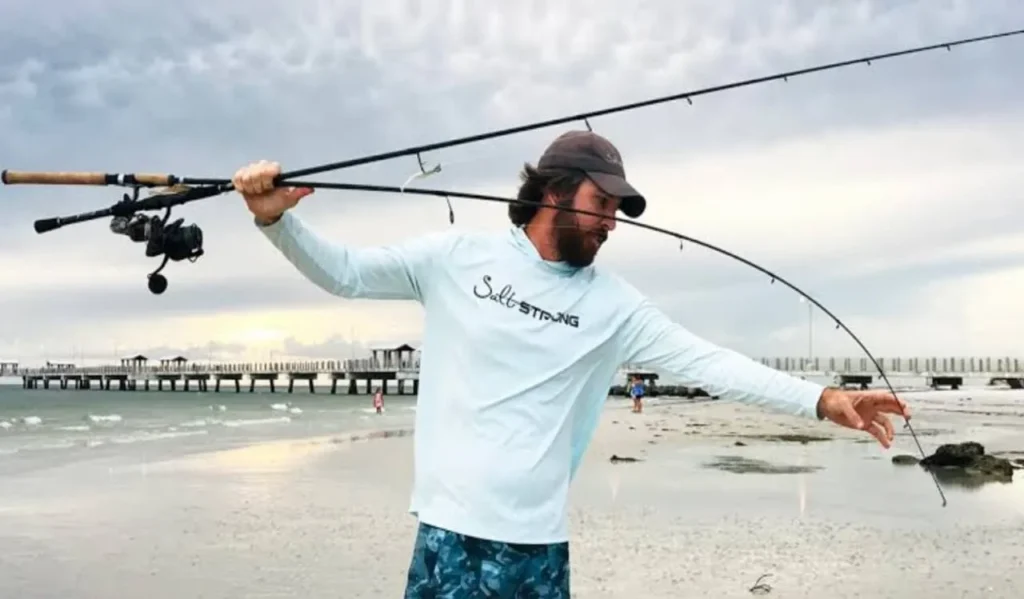
The appropriate selection of power makes the transfer of energy efficient in casting and hook setting. An overly light rod can break or bend too much and an overly heavy rod can make a person less sensitive. The fundamentals of rod power can guide the angler to make well-informed decisions, to enhance the presentation of the lure and to have better control of the fish.
Ultra Light Rods
The ultralight rods bend easily and are suitable with small fish such as panfish, trout or crappie. They make fine presentations and fine movements of lures. These are highly sensitive rods that allow an angler to sense even light bites and they are suitable in finesse fishing and ultralight line fishing.
Ultra-light rods suit well with beginners who learn the line control and the lure manipulation. They decrease exhaustion because of little effort is needed to cast. They cannot, however, be used in heavy lures, or with large fish, as undue bending will result in breakage, or loss of control in the deep water or in turbulent rivers.
Must-Read Guide for Anyone Looking for Top Rods
Light Rods
Light rods are also available, which gives a balance between sensitivity and strength, which is appropriate in slightly bigger species such as bass or walleye. They use small to medium lures with ease and can be cast at will. Light rods are flexible, easy to use by beginners and most recreational fishing methods in fresh water.
They offer sufficient backbone to target medium-size fish and at the same time, they are subtle in lure action. Light rods can also be used in those areas where there is little cover and casts can be made accurately. Their pliability is also good to use in the finesse fishing techniques, drop-shotting, and small crankbait techniques that need sensitivity and smooth manipulation.
Medium Rods
Medium power rods are all round and can be used with a large variety of fishing lure weights and fish. They fit well in bass or walleye or smaller pike, and medium-weight lures can be controlled by means of them and hook sets made successfully. Anglers use medium rods in their daily fishing scenarios because it is flexible and has the right combination of power and flexibility.
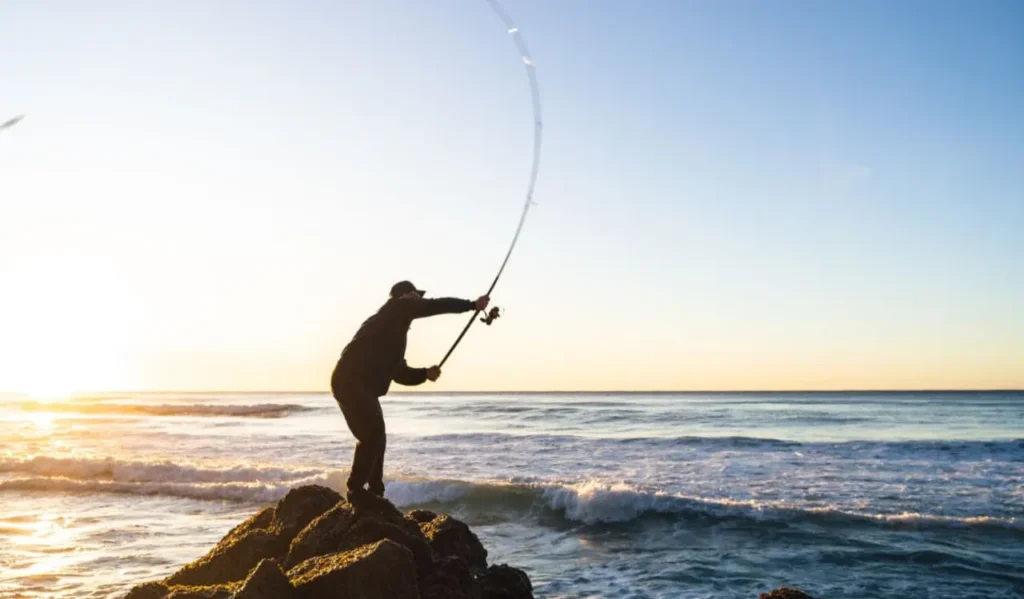
The medium rods are suitable in shallow and medium-depth fishing. Their support is substantial enough to allow violent strikes without losing lure action. These rods are recommended to the angler who wants to have one rod that can be used in different methods thereby saving the angler the cost of having a rod that suits every condition of fishing.
Medium Heavy Rods
Medium heavy rods also have an added support to bigger fish or heavier lures. They are perfect in flipping, pitching, and jigging methods and have greater control in heavy cover. These rods enable a fine hook placement and ensure the same amount of pressure on hooked fish which increases catch rates and decreases missed strikes.
They can be used in large bass, pike or catfish in freshwater and in light saltwater. Medium heavy rods are in the middle in terms of power and sensitivity; they allow the angler to play bigger fish without overworking the rod or the line. This renders them an option among serious anglers that want to hunt fierce species.
Must-Read Guide for Top Picks of Best Fishing Reels
Heavy Rods
Big fish, heavy lure and deepwater are made to use heavy rods. They offer optimum strength and control, which is perfect in trolling, big jigs or fighting strong fish in adverse conditions. The heavy rods help to minimize fatigue in fighting big species as they effectively transmit the energy between the angler and the fish.
They can be applied to saltwater fishing or massive freshwater fish such as musky or catfish. The heavy rods have a good hook-setting strength and the angler is able to move and manage heavy fish without breaking the equipment. Accuracy is not as significant as brutes in such rods.
Extra Heavy Rods
Extra-heavy rods are employed in extreme fishing conditions such as offshore saltwater, big-game or heavy cover conditions. They give the highest power to tackle very huge lures or fish weighting over 50 pounds. These poles are the ones that are used by serious fishermen and competitive fishing conditions.
Extra-heavy rods are hardly ever applied in recreational freshwater fishing. They are very rigid so that they can be controlled over huge fish or thick cover to the maximum. Anglers need to equip them with powerful lines and reels that can handle the power of the rod safely and efficiently and guarantee the integrity of the tackle and successful recovery.
Matching Rod Power to Lure Weight
Rod power should be matched with lure weight so as to be casted and controlled. Light rods are used in conjunction with small lures, ultra-light lines, and finesse presentations. Medium rods are used when dealing with moderate lure weight, whereas heavy rods are used when dealing with large lures and topwater baits. Accurate matching will enhance accuracy, minimize missed hits and save rod life.
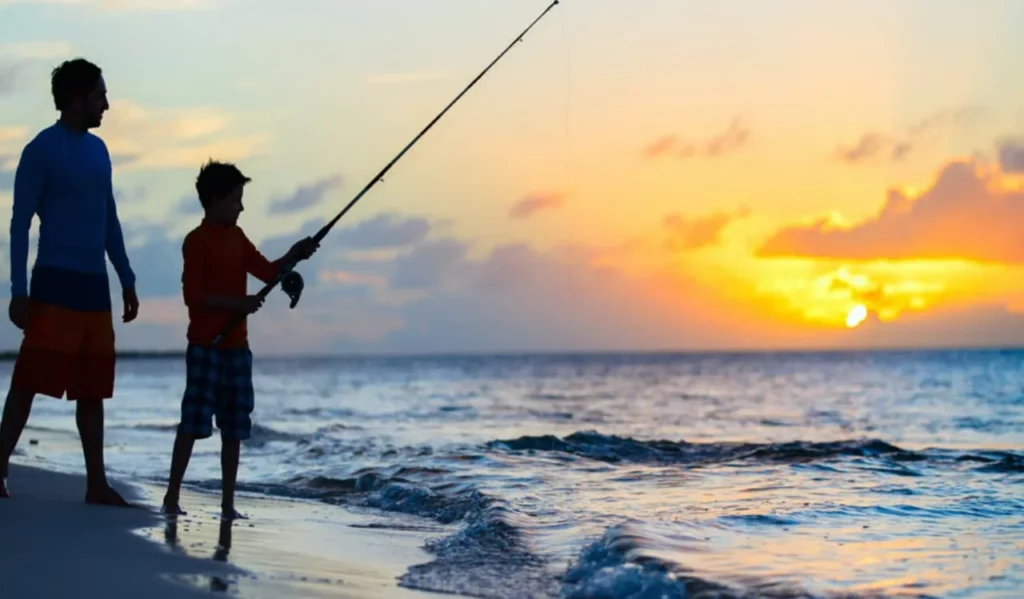
Poor matching may lead to poor performance, line breaking, or overworking. Light lures on heavy rods make them less sensitive and heavy lures on light rods bend too much or break. When choosing the rod power, it is important to consider the lure weight to make sure the lure casts effectively, acts as intended and brings good results in general.
Matching Rod Power to Target Fish
Rod power must be corresponding to the size of target species and strength. Light or ultra-light rods are needed to control the small panfish or trout. The medium and medium-heavy rods are useful in bass or walleye. Big fish such as pike, musky or catfish require heavy or extra heavy rods due to their weight and fighting capabilities.
Rod choice depends on the behavior of fish, habitat and aggressiveness. Fish that are aggressive need rods that have a backbone to avoid breaking whereas those that are passive need rods that can be handled easily. The power in the rod that is matched to the target fish is a guarantee of successful hook setting, managed retrieval and better catch rates.
Matching Rod Power to Fishing Environment
The selection of rod is influenced by the environmental conditions. Light rods are used in shallow and calm waters when using finesse techniques. Medium-heavy and heavy rods are needed to control and be strong enough in deep water, strong current or heavy cover. Proper rod power means the same performance and less fatigue when on a long fishing excursion.
The environmental consciousness enhances the accuracy of casting and the fighting powers. Rod power can be adjusted to the depth, structure and current of the water to reduce the stress on the gears and maximize efficiency. Skilled angling people will vary the force of a rod and the type of line taken depending on the circumstance to maximize success and minimize frustration.
Different Types of Fishing Rods and How to Use Each Rod
Advantages of Light and Medium Rods
Light and medium rods are sensitive, versatile, and easy to use. They are permissible of fine lure action, precise casting and handling of small to medium fish. These rods are recommendable to a beginner and an angler who wants to take one rod to use in various techniques giving him power and control simultaneously.
These minimize fatigue when using lengthy sessions and aid in increasing strike detection. Light and medium rods are not very aggressive and novices can learn to cast and manipulate the lures without breaking the line that frequently. They are also good in the majority of the freshwater conditions, and this makes them an option that can be used in daily fishing.
Advantages of Heavy and Extra-Heavy Rods
Fighting large fish, working heavy lures, and using harsh conditions, heavy and extra-heavy rods are used to provide power. They enable the accurate hooking and pressure of large fish. These rods are good in strong currents, deep water and heavy cover with control and confidence to the experienced angler.
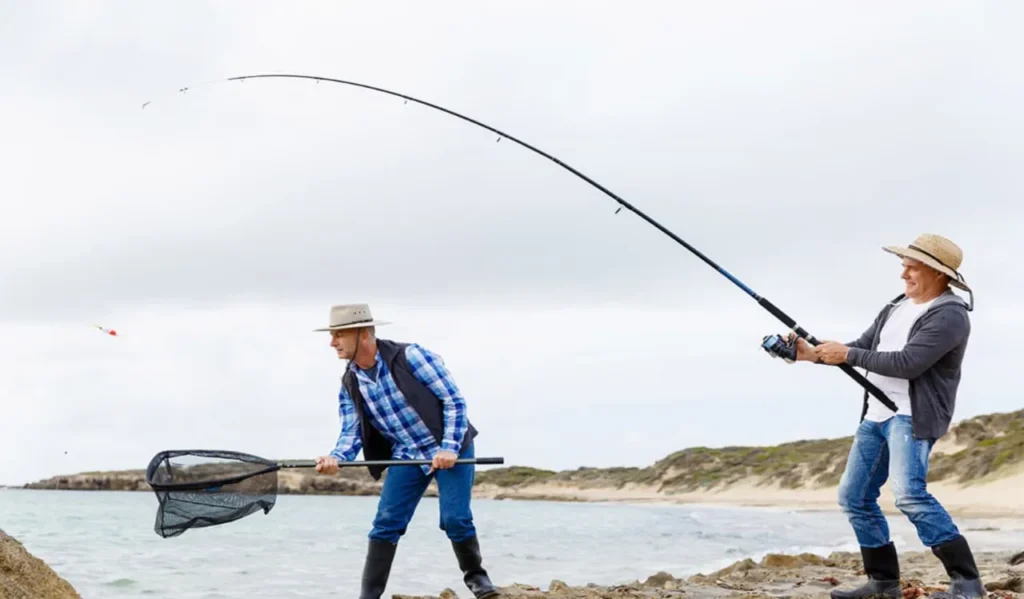
They minimize the wear and tear of gear in the course of fights and guarantee a safe recovery of big species. Tournament and salt water fishing require heavy rods, as power is more important than finesse. The proper selection of the heavy rod helps to maximize efficiency levels and to increase the chances of successful landing of difficult catches.
Adapting Technique to Rod Power
Rod power influences the casting and retrieval and fighting technique. Light rods involve smooth, soft movements in order to control the lure. The medium rods permit medium force, which is both sensitive and powerful. Rods with heavy rods require more powerful, conscious movements to make accurate hook sets and retrieve with great control, performance being equal to that of a rod.
Muscle memory and confidence are developed by practicing the use of various rod powers. Rod power technique adjustment has been used to reduce missed hits, line crashes as well as exhaustion. Experienced fishing people adjust more easily to the strength of the rod, enhancing the performance in efficiency and in general fishing of different species, lures, and environments.
FAQs About How to Choose the Best Rod Power
Final Thoughts
The optimal rod power is used to guarantee appropriate casting, control of the lure and fish-fighting effectiveness. There are light, medium, heavy, and extra-heavy rods that are used in different purposes. Knowledge of rod power helps an angler to choose the appropriate rod, weight of a lure, and fishing conditions to enhance success and enjoyment.
The most important thing in maximizing the performance of the rod is practice and adaptation. Technique Adjustment to power in the rod instills confidence, minimizes misses, and results in proper fish control. By having the right rod power, the angler is able to fish effectively, make more catches and increase on the fishing experience.