Fluorocarbon vs Monofilament Fishing Line: Which Fishing Line Is Better?
Compare fluorocarbon vs monofilament fishing line, including strength, visibility, stretch, durability, and which line works best for your fishing style.
The selection of the appropriate fishing line plays a big role in catching fish. Two of the most popular fluorocarons and monofilament are available with different advantages. Fluorocarbon is virtually transparent in water and it is also very resistant to abrasion hence suitable in clear water and presentations. Monofilament is stretchy, flexible, and inexpensive and would be suitable in beginners, or general-purpose freshwater fishing. The correct line choice enhances the performance of fishing and minimizes wastage of time.
The choice of fishing line has an influence on casting, hook sets and fish control. Fluorocarbon gives the opportunity of making accurate presentations and enhances sensitivity, whereas monofilament gives a forgiving stretch when fighting active fish. All the lines are appropriate to various species, methods, and waters. A hook should be durable, strong in knot, and visible at the same time. Knowledge of differences makes the difference in fishing experience to be successful in lakes, rivers, and inshore saltwater settings.
What Is Fluorocarbon Line?
Fluorocarbon fishing line is composed of dense polymer that is light refracting as in water. It is low visibility thus perfect in clear water or pressured fish. Fluorocarbon is sensitive and abrasion resistant and it enables an angler to sense subtle bites. It is effective in accuracy methods such as drop-shotting, finesse fishing or fishing wary species. Efficient utilization will maximize the strike rates and minimize fish wastage.
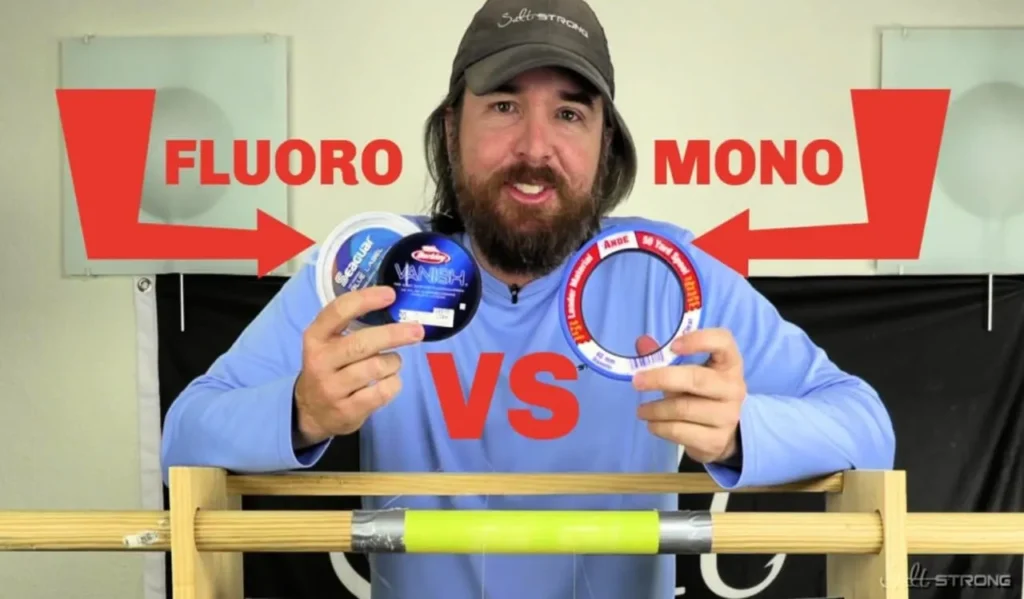
Fluorocarbon does not absorb water easily and it also retains its strength and sensitivity even when used over a long period of time. It has a higher density, which allows it to cast more precisely and less line drift in currents. Fluorocarbon is also popular among many anglers as a stealth presentation leader or high-abrasion area. Fluorocarbon is slightly more costly but the performance, durability, and invisibility advantages make it a necessity to serious freshwater and inshore saltwater fishers.
What Is Monofilament Line?
Monofilament is a single strand fishing line that is composed of nylon and provides it with flexibility, stretch, and handling ease. It is reasonably priced and very common and thus ideal when one is starting or just to do general fishing. Monofilament can be used in casting lures, trolling or presentation of live bait. Its elastic forgiving nature assists in taking up fish runs and also decreases line cutting on aggressive strikes thus improving the overall success of the fishing.
The monofilament can be used on the surface of the water or at the bottom and floats or sinks slowly depending on the density thus it can be used in either top water or bottom fishing. It is soft and thus can be tied into knots easily and does not damage fishing rods. Although it is more visible in water than in fluorocarbon, monofilament is not punitive and offers pleasant handling in practice or recreational fishing. It is used by many angling enthusiasts in lakes, rivers or recreational salt waters.
Strength and Durability Comparison
Fluorocarbon lines are heavier and more abrasion resistant than monofilament, and therefore, they fit well in rocky or structured environments. They are also strong when strained, and they minimize the chances of line breakage. Fluorocarbon resists are not affected by UV rays or water solubility, therefore giving steady performance with time. It is strong enough to combat aggressive species, thick cover or fish with sharp teeth because of this durability.
Must-Read Guide for Anyone Looking for Top Rods
Monofilament is of good tensile strength but not as abrasion resistant as fluorocarbon. It is vulnerable to wear out with the exposure to UV radiation or water. Stretch will aid in the prevention of snappy but can compromise on sensitivity. Monofilament is perfect in light to medium fishing, recreational fishermen or fishing in less dense structures. Constant replacement makes sure that there is reliability in the performance and that there is no line failure.
Visibility in Water
The index of refraction of fluorocarbon is close to that of water and therefore it is hardly visible in water. This is ideal with pressured fish in crystal clear lakes or rivers. It is covert and hence can be presented subtly, which enhances the likelihood of strikes. Fluorocarbon is beneficial to the angler targeting bass, trout, or other shy species which can be particularly useful in shallow water where the amount of line visible can be a significant factor in determining the success of a fishing venture.
Underwater, it is more visible due to the refractive properties of monofilament. This does not make this any less stealthy but adequate in general-purpose fishing and less line-shy species. When visibility is not so important, monofilament users may use heavier lures or even topwater displays. Its stretch and flexibility is to counterbalance the visibility in casual fishing situations.
Stretch and Sensitivity
Fluorocarbon line is highly sensitive, due to low stretch. Anglers are able to sense light bites, locate structure and hook on fast. Low stretch lines enhance the control of the lure and the decrease in slack when fighting. Fluorocarbon is sensitive and can be used to fish in finesse, in deep water or to fish cautious fish. It offers enhanced feedback to skilled fishermen who need to have accurate control.
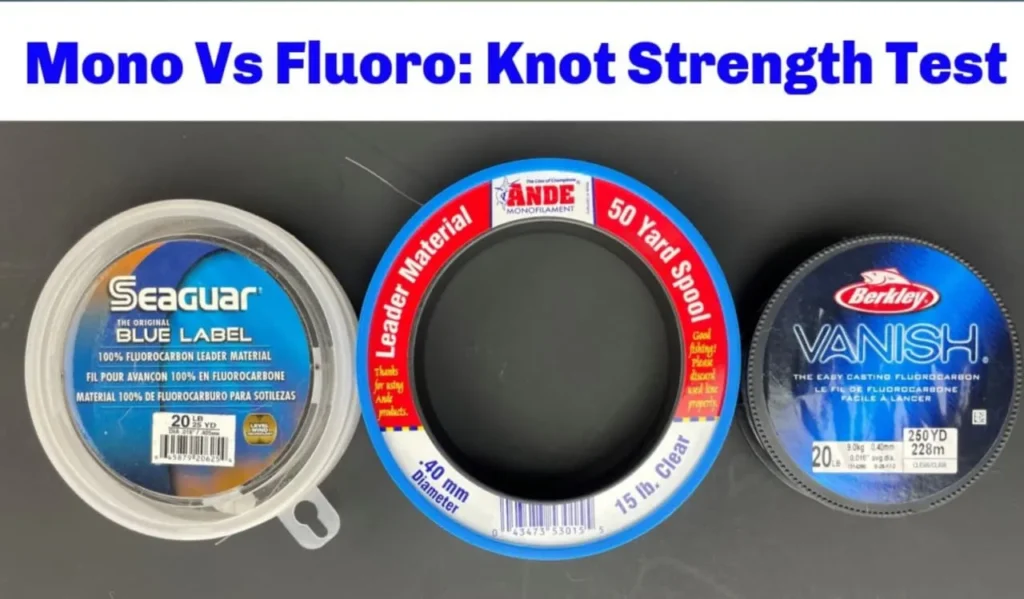
Monofilament is more stretchy and this is what shocks of aggressive fish runs are absorbed. This forgiving feature minimizes hook pull-outs and snapping lines. Stret is less sensitive, but monofilament is less difficult to use in beginners. It enables easy manipulation of fish particularly in case of active species. Its flexibility is to the advantage of the angler as it eliminates fatigue and improves the casual fishing experience.
Casting Performance
Fluorocarbon is heavier and denser which influences the casting distance and accuracy. Further work may be required with lightweight baits since heavier lures cast effectively using fluorocarbon. Thick lines sink more quickly so as to minimize drifting and give accurate presentation of currents. Fluorocarbon is likely to be used in controlled casts and better location of lures by the angler who is targeting deep-water species or where finesse techniques are involved.
Must-Read Guide for Top Picks of Best Fishing Reels
Monofilament is lighter, stretches further and also offers a greater casting distance using small lures. Topwater and surface presentations are easily made with it due to its buoyancy. Monofilament works best with novices studying the art of casting and those who want to make long casts with ease. Softness and flex enables comfort and one can cast it repeatedly without becoming tired yet has reasonable control over the lure as it is cast back.
Knot Strength
The knot tying of Fluorocarbon is important as it is stiff and therefore it slips once knots are not tightened. Palmolar and Uni knots are popular knots. Adequate choice of knots will guarantee good performance and no failure of the line. Advanced fishers are enriched with the power of fluorocarbon and low stretch when properly tied that enhances hook ups and fish catches.
It is user friendly because monofilament knots are forgiving and are easy to tie. Knots are resistant to stress because of line stretch. Such typical knots as Improved Clinch or Trilene knots are good. The flexibility of Monofilament makes the reduction of knot slippage and also greater ease of handling, which enables casual angler to fish easily without worrying about failure of knots in normal fishing scenarios.
Cost and Availability
Fluorocarbon is also more costly than monofilament because it has performance and specialized material benefits. Anglers are willing to make payments on low visibility, sensitivity and abrasion resistance. Good quality fluorocarbon lines should be used in serious freshwater or saltwater fishing when stealth and endurance is of great importance. The additional expense is compensated by higher rates of strikes and less line breakage.
Monofilament is not extremely expensive and is sold in most fishing shops. It is ideal in beginners, casual fishing and high volume fishing as it is cheaper. Although monofilament has a low abrasion resistance and is more visible, it is sufficient in most freshwater and light salt water conditions. It is a favored option because it is cost effective and easy to use.
Best Situations for Each Line
Fluorocarbon is excellent in crystal clear water, heavy structure or fineness fishing. It suits best to bass, trout, and wary species in which the line visibility is of importance. Fishing in deep water, rocky, or sharp areas are useful in fluorocarbon due to its abrasion resistance, sensitivity, and its low stretch. Fluorocarbon is also used by the angler who needs to have finer control over their presentation.
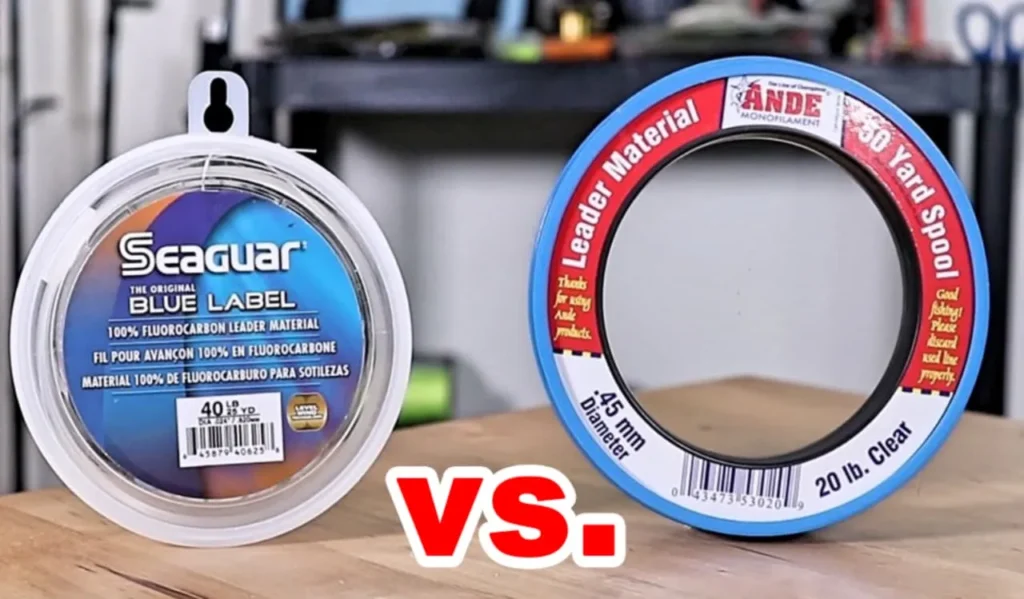
Monofilament is ideal when freshwater fishing, using the top water lures, and with small to medium fishes. Stretch eliminates hook pull-outs and forgiving nature is easy to use. Monofilament works well with lakes, rivers, and inshore fishing in which the fish are not highly pressured. It will be best suited in cases where the visibility is not that important and where comfort, ease of casting and affordability are needed.
Which Line Should You Choose
Fluorocarbon would be recommended to the experienced angler who is going after wary fish in clear water. It has low visibility, sensitivity and abrasion resistance which enhance precision fishing. Fluorocarbon is ideal in finesse, deep-water, or rocky situations and therefore offers good performance and reduces lost fish. Its newcomers can also employ it on leader lines with heavier monofilaments to achieve the best results.
Different Types of Fishing Rods and How to Use Each Rod
Monofilament is good with novices, recreational fishermen and general all-purpose freshwater fishing. It is flexible, stretchy and affordable, which makes it easy to work with. Monofilament is suitable to topwater, trolling and small to medium fish. The advantages of the system include less fatigue, forgiving performance, and easy knot tying among the anglers. The appropriate choice of a line guarantees comfort, efficiency and the enhanced experiences of fishing under diverse conditions.
FAQs About Fluorocarbon vs Monofilament Fishing Line
Final Thoughts
Fluorocarbon has low visibility, high sensitivity and abrasion resistance to precision fishing. It works best in clear water and species that are wary and improves hook-sets and minimize the lost fish. It has a low stretch and toughness that experienced anglers find advantageous when dealing with tough situations on the water whether in freshwater or saltwater, and the low stretch of this product delivers consistent performance with improved fishing results.
Monofilament is also easy, bending, and low priced and thus ideal in beginner or general purpose fishing. It works better in lakes, rivers, and small species in which line visibility is not so important. Extend and portability minimise fatigue and hook pull-outs and this makes fishing enjoyable and reliable. The selection of the appropriate line is dependent on the species, clarity of the water and the mode of fishing.