Fly Rod vs Spinning Rod: Best Choice for Your Fishing Style
Fly rod vs spinning rod comparison for casting, power, species, skill level, and fishing style to help you choose the best rod for your needs.
Two highly differentiating fishing styles that are employed by the angler in the whole world are fly rods and spinning rods. Fly fishing is aimed at light artificial flies and accurate casting of flies. Spinning fishing is based on heavier lures and a single-purpose control of the reel. The knowledge of the differences will allow the angler to select the appropriate tool to use in their fishing conditions, fish species, and their own level of skill and become more efficient and enjoy the water more.
The two rods need various skills, arrangements, and fishing techniques. The fly rods focus on presentation, timing and finesse whereas spinning rods focus on power, distance and versatility. They are not both universally superior, though each is superior under certain circumstances. Selecting the right rod can contribute to less frustration, enhance the performance of casting and create a positive probability of success in landing the fish in many freshwater and saltwater fishing scenarios.
What Is a Fly Rod?
A fly rod is in the form of a fly fishing rod, which involves lightweight artificial flies rather than heavy lures. Fly rods are used to cast the weight of the fly line and not the fly. They are slim and curved and designed to carry the delicacies. In rivers, streams, and shallow flats fly rods are usually employed to fish trout, salmon and other species.
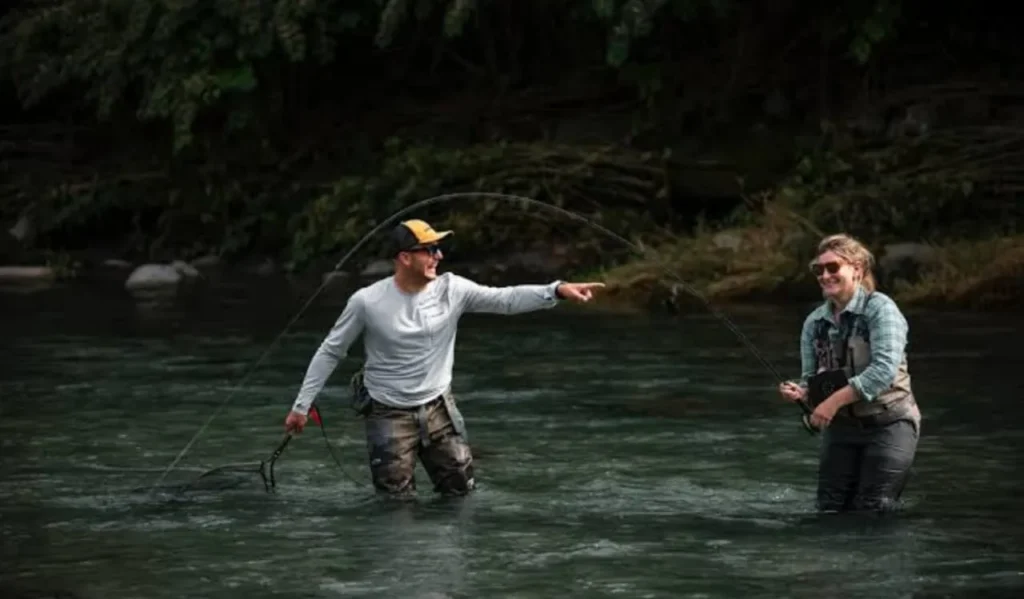
Fly rods are fitted with special fishing reels which store line and give little drag. The art of casting is a rhythmic movement and timing and not brute strength. Fly rods enable the angler to lay flies in a very delicate manner on the water surface which mimics the insects or baitfish in their natural way. This causes them to be perfect in sight fishing, smooth water and selective fish in clear waters.
What Is a Spinning Rod?
A spinning rod refers to a versatile fishing rod, which is used with spinning reels. It manages a large variety of lure weight, fishing methods and conditions. Fresh water and saltwater fishing are usually done with spinning rods. They are perfect in casting soft plastics, spins, crankbaits, and live bait without any difficulties and manipulation in different fishing situations.
Must-Read Guide for Anyone Looking for Top Rods
Spinning rods are simple to use and can be used by beginners and advanced anglers. The reel is suspended under the rod, which enables the release of the lines easily and an increase in the casting distance. These rods are more powerful and flexible as compared to fly rods and could be used in bass, pike, trout, inshore saltwater species, and even some offshore fishing.
Casting Technique Differences
Fly rod casting is dependent on the weight of the fly line and not the lure. The controlled back and forward movements are made by the angler to create momentum and position the fly in the right place. Accuracy and speed are more important than sheer power. Fly casting is suitable in short to medium distances, flat water where subtle presentation enhances the probability of eliciting natural attacks by choosy fish.
Spinning rod casting relies on the weight of the lure to pull out the line out of the reel. Anglers have the ability to cast quickly overhead, sidearm or pitch without requiring much effort. Spinning rods are easier to train in and cast over a greater distance. This makes them the most suitable in covering large areas, deep water and fishing in the windy or rough environment.
Sensitivity and Line Control
Fly rods are highly sensitive and they provide the best line control in the drift and presentation. Anglers use their hands and movement of their rods to manipulate the tension on the line and not the reel movement. This enables accurate placement of flies and drifts in flowing water to be controlled. Minor strikes are also felt more visually than by touch and it takes constant attention and experience to get hook sets.
Direct sensitivity is offered by spinning rods via the blank and reel. Anglers can experience the vibration, touch of the bottom and fish strike immediately through the rod. The drag and spool of the reel takes care of line control. This causes spinning rods to be more forgiving and easy to use enabling quick reaction, good hook sets as well as improved control when fighting aggressive or high moving fish.
Target Species Comparison
Fly-rods suit best those species which feed upon small bait-fishes on the surface, or upon insects. Usually preyed on are trout, salmon, grayling, carp, bonefish and tarpon in the shallow flats. These species are responsive to natural presentations. Fly fishing enables the angler to observe the movements of fish at will and to manipulate fly designs so as to adapt them to the local feeding habits.
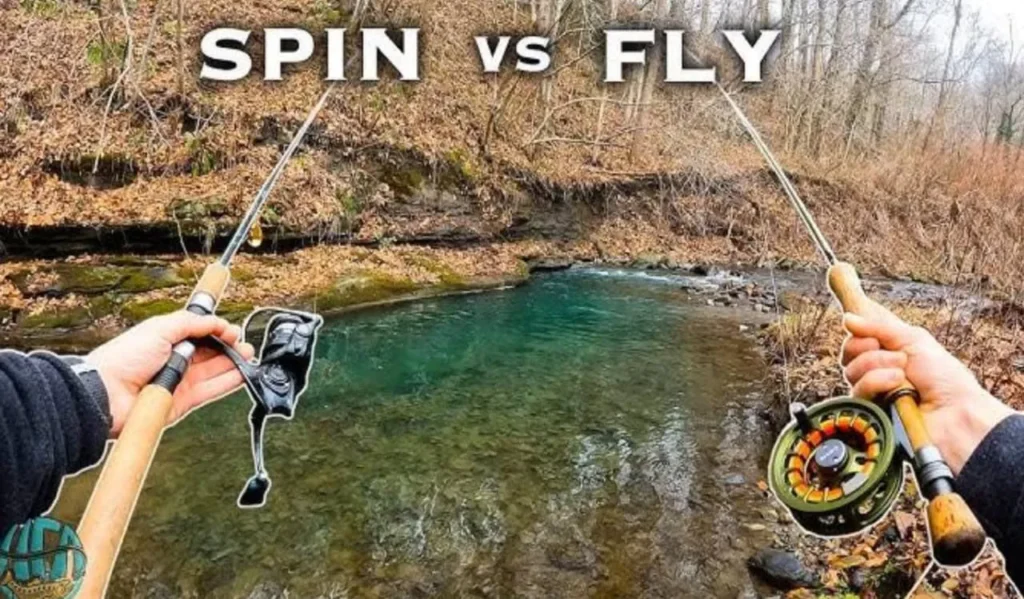
Spinning rods are aimed at a larger variety of species such as bass, pike, walleye, catfish, trout and numerous species in the saltwater. They are able to deal with small panfish and big predators. Spinning gears are effective in using artificial lures and live baits, which means it can be used in virtually all fishing settings, ponds, rivers, and coastal saltwater areas.
Power and Fish Fighting Ability
Fly rods are based on the rod flex and the regulated pressure to fight fish. These are created to ensure that the light leaders and fine tippets do not break. Fly rods curve in, and they take up the unexpected run and shake of the head. This causes them to be effective when battling technical fish selectively but restricts their capacity to overpower very large and aggressive fish within a short time.
Spinning rods have more lifting and drag mechanisms of bigger fish. They enable the angler to exert a greater pressure in fights. Heavy lines and reels ensure that fish are easier to control in an area around the cover or structure. Spinning rods are also used where rapid landings, thick cover or hard runs are frequent problems during fishing periods.
Rod Length and Design
Fly rod is commonly longer and varies between eight and ten feet or even longer. The increased length enhances control of the line, control of drifting and casting distance. Long rods assist in the adjustment of line in flowing water and control slacks effectively. Light and flexible fly rod blanks give the chance to cast naturally and deliver the fly in a delicate way without making any splash on the water.
Different Types of Fishing Rods and How to Use Each Rod
Spinning rods are extremely diverse in their length, which is typically five to eight feet. The shorter rods are precise and handleable in tight areas whereas the longer rods are good at casting. Spinning rod blanks have a higher stiffness compared to fly rods and have a greater hook set and lifting power. This is a versatile design that is effective in numerous fishing methods in various water bodies and settings.
Skill Level and Learning Curve
Special casting techniques, line management, and fly choice make fly fishing more difficult to learn. Novices normally have difficulties with timing, control of wind and accuracy of presentation. Fly fishing is however very rewarding and interesting with practice. Angling is a favorite pursuit among numerous fishermen whose challenge and skill is mastering the art of fly casting and the ability to match fly patterns with the behavior of insects in nature.
Spinning fishing is easier to learn for beginners. The simplest casting, reeling and lure recovery can be learnt in a short time. It is also easier to maintain and install the equipment. This renders spinning rods to be good with new angler, children, and recreational fishing. Spinning fishing is a more rapid and less technical method of fishing.
Best Fishing Environments
Fly rods are used in still rivers, streams, shallow lakes and salt water flats. In these environments, there is visual presentation and controlled drift. Fly fishing is best in situations where fish feed on the surface and the water is clear. Strong winds or strong currents may decrease performance, and the flyer needs greater expertise and heavier fly lines to withstand the currents.
The spinning rods are effective in virtually every setting such as lakes, rivers, reservoirs, rocky shoreline, and open saltwater. They deal with wind, current and deeper water with ease. Spinning rods enable fishermen to fish on the shore, boats, docks and kayaks without restrictions to their location. They can be used in almost all conditions of fishing because of their versatility.
Which Rod Should You Choose
Use a fly rod in case you like technical fishing, visual hits and accurate presentations. Fly rods suit best whenever a fisherman is fishing surface feeding fish and is more inclined to finesse than power. They suit well the rivers, streams and transparent flats where fish are wary. Fly fishing provides the special skillful experience to the passionate angler who wants to be challenged.
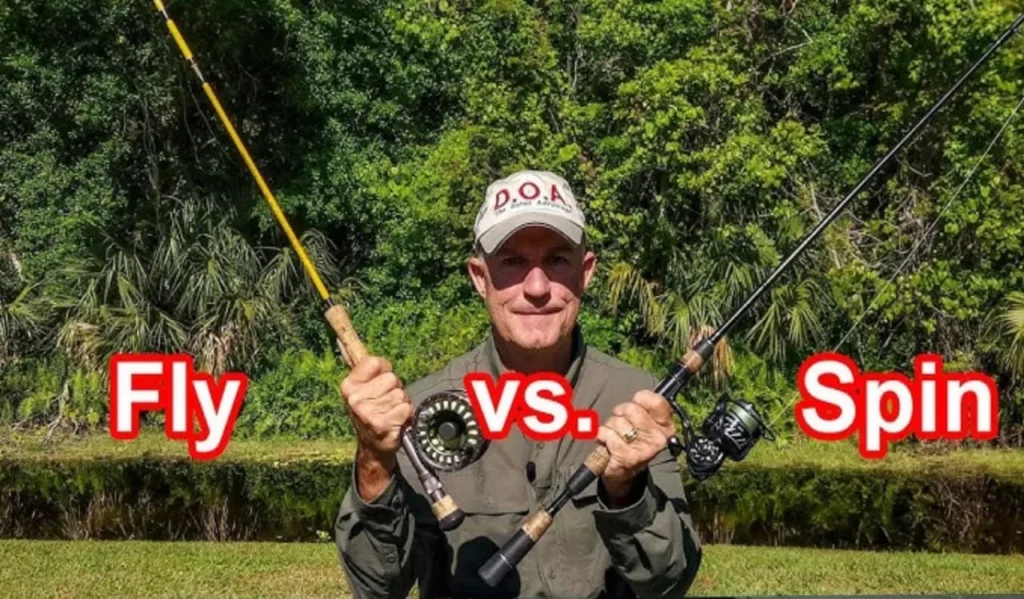
Select a spinning rod in case you desire versatility, simplicity, and power. Spinning rods are nearly applicable to all types of fishing and all settings. They work better with beginners, bigger fish and mixed lure. Spinning rod setups will suit best recreational and serious fishing in most cases, as they offer an angler a wide fish species range, easy-to-learn advantages, and are simple to set up.
Why Trust Us
We base our rod comparisons on actual fishing experience on freshwater rivers, lakes and saltwater. Fly rods and spinning rods are put to the test in various techniques, species and water conditions. We review performance, comfort, durability and success rate. Our mission is to offer easy to understand practical advice to all levels of angler.
Must-Read Guide for Top Picks of Best Fishing Reels
We also assess the comments of amateur and professional angler all over the world. This is achieved by integrating direct testing and user experiences and thus provides balanced and truthful recommendations. We are not interested in brand promotion but in assisting the angler in selecting the most appropriate equipment depending on his or her style of fishing. This working method creates credibility via outcomes, rather than sales rhetoric.
Customer Feedback
The fun of visual hits and the gratification of accurate presentation are always eulogized by fly rod users. Fly fishing is a challenge and an art that many people enjoy. Trout, salmon and bonefish have been reported to be caught by proper match fly setups by the anglers. Customers value the serene experience and technical gratification which fly fishing brings on a calm water.
The users of spinning rod emphasize convenience, flexibility and quickness of learning. Novices indicate that spinning equipment has been successful with bass, catfish and inshore saltwater species. The customers like the large variety of lures and low costs of equipment. Anglers like spinning rods because of their reliability and consistent performance when they are on a family trip or mixed conditions.
FAQs About Fly Rod vs Spinning Rod
Final Thoughts
The use of fly rods and spinning rods has very dissimilar purposes in fishing. Fly rods are concerned with delicacy, art and subtle presentation. They reward fishers that like precision and sight fishing. Fly rods are best used with species that feed on the surface and in water of still nature; it gives a wonderful fishing experience that revolves around skill and patience but not brute force.
The spinning rods are concerned with the versatility, power, and ease of use. They fish under almost any condition of fishing and in a great variety of species. Spinning rods are ideal to use as a beginner or an experienced angler because they provide good results with minimum learning. The decision to be made on them will be on personal fishing style, species that one favors and the water you prefer to fish.