Freshwater vs Saltwater Rod: Strength, Action & Durability
Freshwater vs Saltwater Rod comparison for strength, weight, corrosion resistance, durability, and performance to help you choose the perfect fishing rod.
Not all fishing rods can be used in all environments. Freshwater rods and salt water rods are used in different applications depending on their strengths, corrosion and target species. Freshwater rods emphasize the light weight and sensitivity of small to medium fish. Saltwater rods are durable and powerful to provide the strength needed to fight aggressive ocean species and even harsh environmental conditions.
The improper use of a rod in an inappropriate environment may decrease the performance and ruin the equipment. A freshwater rod can easily be corroded in sea water, and the reverse is also true. The knowledge of the main variations will enable the angler to choose the right rod to be comfortable, long lasting and to achieve frequent success in their fishing activities in the target environment.
What Is a Freshwater Rod?
A freshwater rod is made to fit in the lakes, rivers, ponds and streams where there is no corrosion of salts. These rods are not heavy and are sensitive oriented to pick the slightest bites. Freshwater rods are mostly utilized on bass, trout, panfish and walleye. They are designed to be flexible, which helps in casting with accuracy and also to better control fighting when fishing in light to medium pressure.
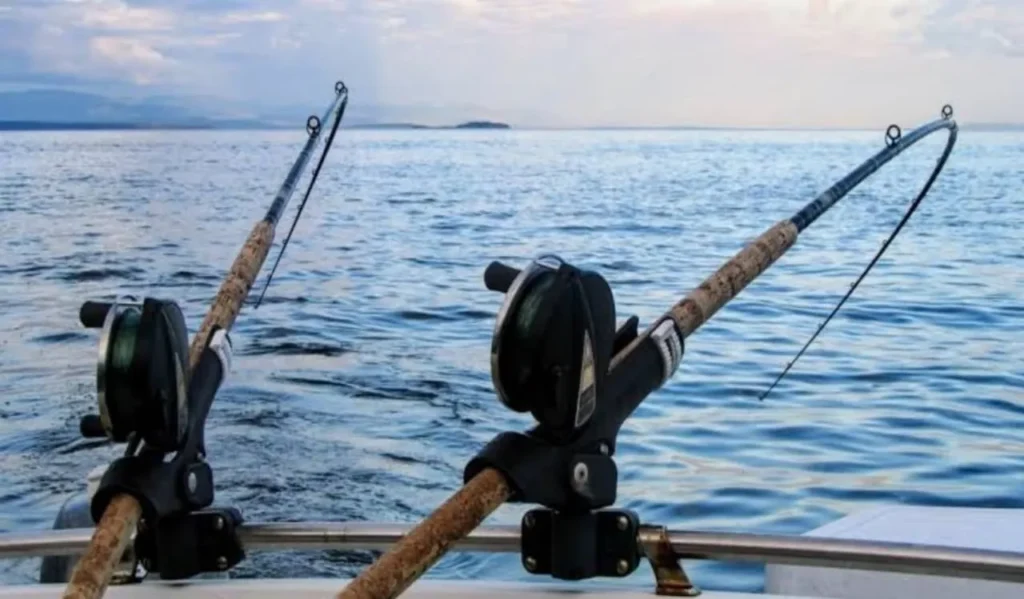
Fresh water rod is made of graphite or fiberglass, or composite blanks. Such materials focus on responsiveness and less fatigue. Their guides and fishing reel seats are not very well covered to prevent corrosion. Freshwater rods do well in finesse fishing, ultralight rigs, and recreation fishing where the exposure to the environment is not extreme, and the extreme durability is not needed.
What Is a Saltwater Rod?
A saltwater rod is designed to endure salt water conditions that comprise salt spray, strong winds, and strong fish. These rods are constructed using reinforced blanks and non corrosive parts. Inshore, offshore, and deep-sea fishing are done with saltwater rods. They include tuna, tarpon, snapper and marlin.
Must-Read Guide for Anyone Looking for Top Rods
Saltwater fishing rods have rust-resistant guide finishes of stainless steel or titanium. The blanks are heavier and tougher to withstand severe pressure of bending. These are heavier rods than the freshwater rods but have the power to fight the large predators in the ocean. The way they are built makes them reliable when they are taken on long offshore voyages and when they are engaged in fierce battles.
Material and Build Quality
Freshwater rods are made of a light weight like graphite and fiberglass combination to maximize sensitivity and minimize angler weight. These materials are very effective in transmitting vibrations which aids the angler to sense the soft strikes. The quality of the building is oriented to the balance and comfort rather than heavy reinforcement. Freshwater rods are ideal in regular casting, finesse fishing and long time fishing in calm inland waters.
Saltwater rods have thick graphite, fiberglass, or composite blanks that are reinforced. Build quality is concerned with strength, impact resistance and corrosion protection. The guides, reel seats and wrapping materials are completely covered to endure salt. This rough finish enables saltwater rods to keep working even in harsh sun, rain and fish attacks.
Strength and Power Differences
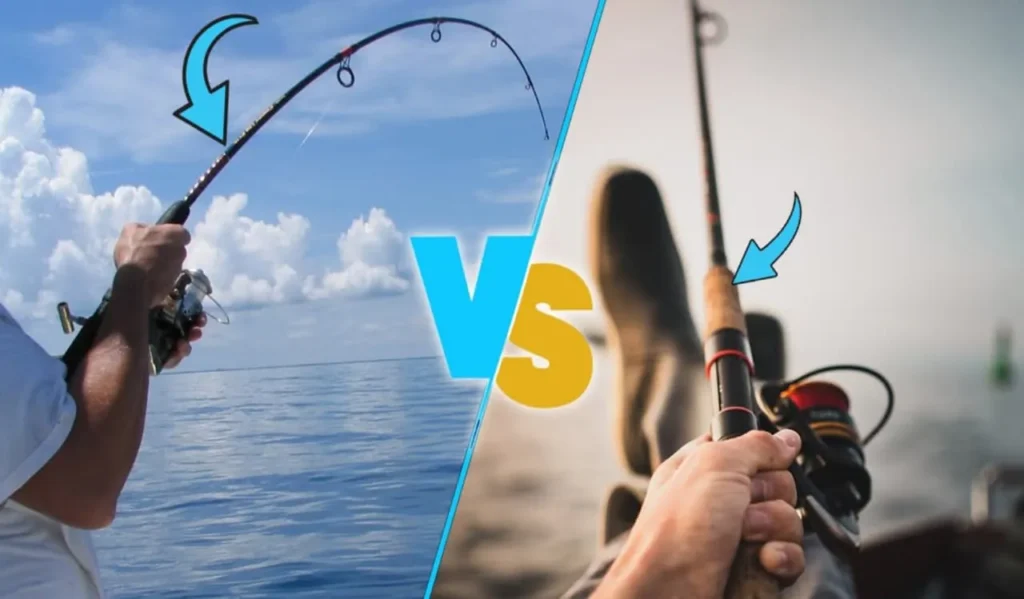
Freshwater rods have moderate power that is used in smaller fighting fish. Their elasticity takes up any sharp movement of the head and does not break lines. These rods enable the control of the pressure without overwhelming the light species. An increased responsiveness of freshwater fishing tips is a feature that is attractive to freshwater fishermen since they can be loaded easily in casting and fighting, and are applicable in bass fishing as well as trout fishing and panfish fishing.
The saltwater rods are constructed to be very powerful and lifting. They are able to withstand heavy drag pressure and powerful fish run without collapsing. These rods employ hard backbones in drawing huge predators out of deep water. Power oriented design enables the angler to struggle with tuna, grouper and tarpon without a breakdown of the rod in a continued pressure.
Corrosion Resistance
The rods of freshwater are not constructed with heavy corrosion protection due to the fact that they are used in non-salty environments. Regular aluminum and steel components are adequate in the long-term inland use. Smaller exposure to moisture is easily treated with simple cleaning. Nonetheless, freshwater rods are very susceptible to rust and corrosion when it is used in salt water frequently.
Rods that are made of saltwater are entirely resistant to corrosion through the use of stainless steel, titanium guides and sealed parts. Coating the metals will help to keep the salt out and the moisture at bay. The use still requires after-use rinsing, but these rods can last indefinitely in the saltwater. The most essential characteristic that isolates saltwater rods and freshwater rods is corrosion resistance.
Weight and Handling Comfort
Freshwater rods are also light in weight and easy to use in the course of prolonged fishing. They are lightweight, which decreases fatigue of the wrist, arm, and shoulder due to repeated casting. These rods are good in shore fishing, kayak fishing and active casting. The lightweight handling enhances accuracy and sensitivity besides enabling the angler to fish comfortably over long periods of time.
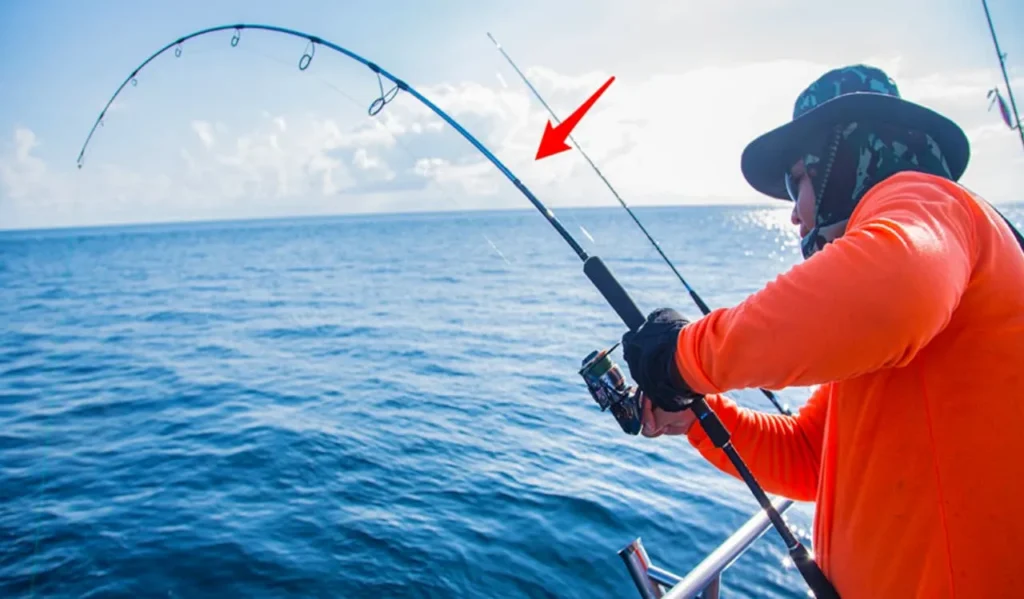
The saltwater rods are heavier because they have reinforced blanks and powerful guides. The stability is enhanced by the additional weight, but it also causes fatigue when used continuously. The majority of saltwater fishers cast out of boats or rod holders to ease the strain. Their weight tradeoff is needed to have the strength to fight large fish in the strong ocean currents.
Rod Length and Action
Freshwater rods are available in a large variety of lengths, generally five to seven feet. The shorter rods are more precise in narrow areas whereas the longer rods are more effective in casting. The speed of action is slow to fast depending on the method of fishing. The freshwater rods are designed to suit all-purpose in a variety of species and inland fishing.
Salt water rods are longer and stiffer and can be between six and eight feet or more. Longer ones assist in spreading the lines during trolling and increasing the leverage during fights. Action is normally medium to fast to be more controlled in heavy load. Saltwater rods are designed to have strength, distance and constant pressure.
Best Fishing Applications
Freshwater rod works best in ponds, rivers, reservoirs, and lakes. They are perfect in spinning, baitcasting and ultralight. The best match to freshwater rods would be species like bass, trout, crappie, and catfish. These rods are good in casting precision, control of lures and fishing strategies that are finesse-based.
Must-Read Guide for Top Picks of Best Fishing Reels
Saltwater rods are used in coastal, offshore trolling, bottom, and deep sea. They are employed in live baiting, jigging and trolling at a high speed. Fishing rods used in salty waters prevail in areas with fish that are strong and with a hostile environment. They can withstand prolonged struggles and excessive fishing pressure due to their performance.
Durability and Lifespan
Fresh water rods have a long life span in the environment in which they are to be used. They can go through several seasons without loss of performance when well taken care of. But when they are exposed to saltwater they are not exposed to protection and this reduces their lifespan significantly. Freshwater rod is strong to withstand fresh water fishing but not in sea waters, which are corrosive.
Saltwater rods have a better level of long-lasting durability. They are reinforced and have corrosion resistance that enables them to last several years in the presence of salt. Saltwater rods can be used even when under extreme strain as they are still useful with the regular maintenance. These rods are designed to do professional level fishing where there is no option of failure in a situation of high pressure.
Which Rod Should You Choose
Select a freshwater rod when you are fishing in a lake, river or pond and you have light to medium species that you are after. These sticks are comfortable, sensitive and inexpensive. They suit recreational fishermen, amateur and finesse fishing. Freshwater rods do not add extra weight and build unnecessarily.
Use a saltwater rod when you are fishing in the coastal waters or in the off-shore fishing in the powerful fishes. Such rods are strong, corrosion-resistant, and durable, which are required in the ocean. They are costly and heavier in the sense that they are needed to be safe and to succeed in fighting large predators. A good choice of rod will guarantee a good and reliable fishing system.
Why Trust Us
Our rod comparisons have been made using actual fishing experience in freshwater and saltwater. We subject rods to the real fishing pressure, to species of differing species and to weather variations. The performance, comfort and durability are considered based on long term usage as opposed to specifications by the manufacturer. This real-life testing makes sure that there are credible recommendations that the angler can rely on.
Different Types of Fishing Rods and How to Use Each Rod
We also combine the professional angler feedback with the actual performance analysis. This will enable us to confirm strength assertions, corrosion resistance and comfort levels. We aim to ensure that our customers do not make expensive errors and instead buy rods that work well in the conditions they use them. Credibility is achieved by experience and not advertising.
Customer Feedback
Lightweight handling, smooth casting and good sensitivity receive glorification by freshwater rod users. A good number of fishers have been able to enjoy long fishing hours without getting tired. Novices indicate rapid progress with freshwater rods as they can be easily controlled and act responsively. Customers value low prices and good performance of bass, trout and general inland fishing purposes.
The saltwater rod users mark out extraordinary power, strength, and corrosion resistance. Tuna, snapper and grouper are successful offshore. The customers appreciate the reassurance saltwater rods give them in the middle of fierce contests. Most of them accept that the extra weight is a reasonable compromise to reliability, durability, and performance in harsh marine fishing environments.
FAQs About Freshwater vs Saltwater Rod
Final Thoughts
Freshwater and saltwater rods have been designed with two entirely different environments. The freshwater rods concentrate on inland species in terms of light weight, sensitivity and comfort. They also cast well and work well when there is still water and they offer excellent casting. Application in their natural habitat only guarantees them a long life and good performance.
Saltwater rods are constructed in terms of power, durability, and high exposure to the environment. They are reliable when dealing with big predators, heavy drag and salty conditions. Using the right rod will save your money and increase your success in fishing. Fitting your rod to your surroundings is a sure way of ensuring your performance, safety, and general satisfaction with your fishing.