Graphite vs Fiberglass Fishing Rod: Ultimate Guide for Beginners
Graphite vs fiberglass fishing rod comparison for sensitivity, strength, weight, durability, cost, and performance to help you choose the perfect rod.
There are various materials that are used to construct fishing rods but the two most popular ones are graphite and fiberglass. Both of the materials have performance advantages to various fishing styles. Graphite rods are sensitive and lightweight in design whereas fiberglass rods have durability and flexibility. It is knowledge of these material variations that will enable an angler to select the correct rod to use in their fishing setting, intended species, and their individual preferences.
The right rod material will have an influence on the casting accuracy, comfort, fish control and long term durability. A graphite rod can be good in finesse, whereas a fiberglass rod is good when it is heavily loaded. The awareness of the correct usage of each type of rods helps to avoid the break of equipment and frustration. This analogy assists the fishermen to align the rod material with the fishing objectives to ensure consistent success.
What Is a Graphite Fishing Rod?
The carbon fiber materials are used to make a graphite fishing rod in which the carbon fiber forms a lightweight and sensitive blank. With these rods, the angler is able to pick up slight bites and also track the movement of the lure. Fine types of fishing that are used with graphite rods include finesse types of fishing where touch and responsiveness are the most important. They are very good in terms of performance when it comes to techniques that need quick hook sets and precise casting.
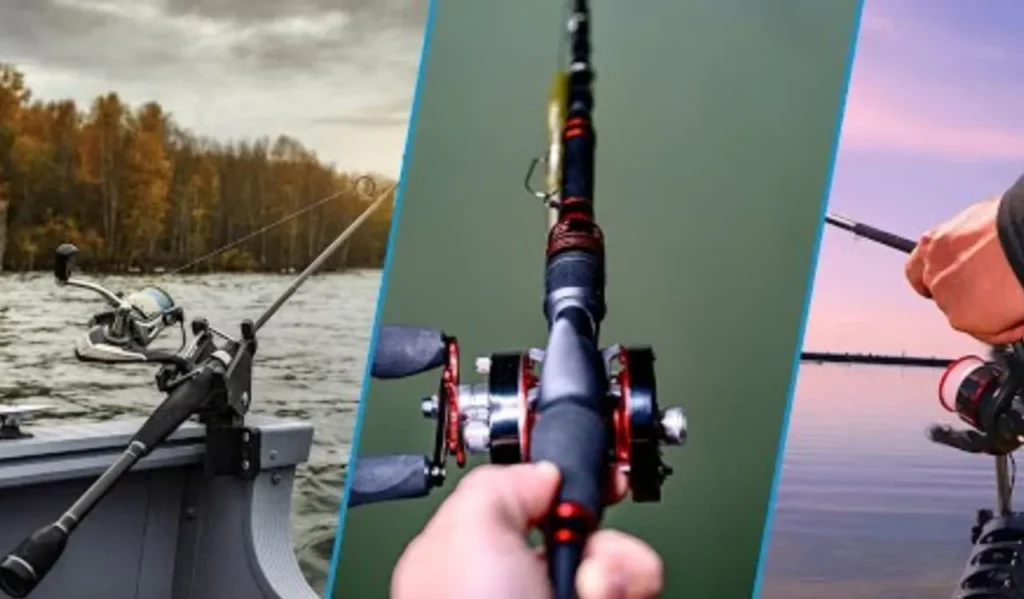
Bass, trout, and walleye as well as light inshore are generally aimed at with graphite rods. The light weight makes them feel lighter in the hands of the fishermen in the long fishing sessions. Graphite rods are however more fragile when compared to fiberglass and they have to be handled with care. They have better performance benefits but are less tolerant to sudden shock or extreme bending effect.
What Is a Fiberglass Fishing Rod?
A composite fishing rod is made by weaving glass fibers to make a flexible and highly resilient blank. These are rods that are made to take heavy load and sudden hits without breaking. Fiberglass rods are highly bendable under pressure and thus suitable when fighting large fish. They are very popular in trolling, surf and big-game fishing due to their strength and shock resistance.
Must-Read Guide for Anyone Looking for Top Rods
Fiberglass rods are also heavier and insensitive as compared to graphite rods. The detection of bites is more visual than tactile. Nevertheless, their hardiness enables an angler to adopt heavy lines, huge baits, and violent methods without fear. Anglers who require strength, impact resistance and forgiveness when fighting strong fish should use fiberglass rods.
Sensitivity Comparison
Graphite rods are very sensitive because they are constructed of stiff and lightweight materials. The vibrations are transmitted through the blank very fast, and the anglers can easily detect the slightest taps, bottom structure and the movement of the lure. Such sensitivity gives it a quicker reaction time and better hook-setting accuracy. Graphite rods are perfect in the case of soft plastics, jigs and finesse techniques where it is necessary to detect the bite accurately.
The sensitivity of fiberglass rods is less due to the flexible nature of the construction. The vibrations are absorbed in the blank and less tactile feedback is experienced. Anglers usually use the tip of the rod to see when a fish has bitten. Although this makes finesse skills less possible, it makes the fights more forgiving in heavy fights. Reduced sensitivity is tolerated in trolling, crankbait fishing and heavy-bait.
Weight and Handling Comfort
Fiberglass compared to graphite rods are much heavier. They are very light and thus the weight on the wrists and shoulders decreases with long fishing hours. Lightweight design enhances the accuracy of casting, the control of the lure, and comfort. Graphite rods are often most useful to the angler who does a lot of fishing and makes numerous casts because they feel well in the hand and are easily manipulated.
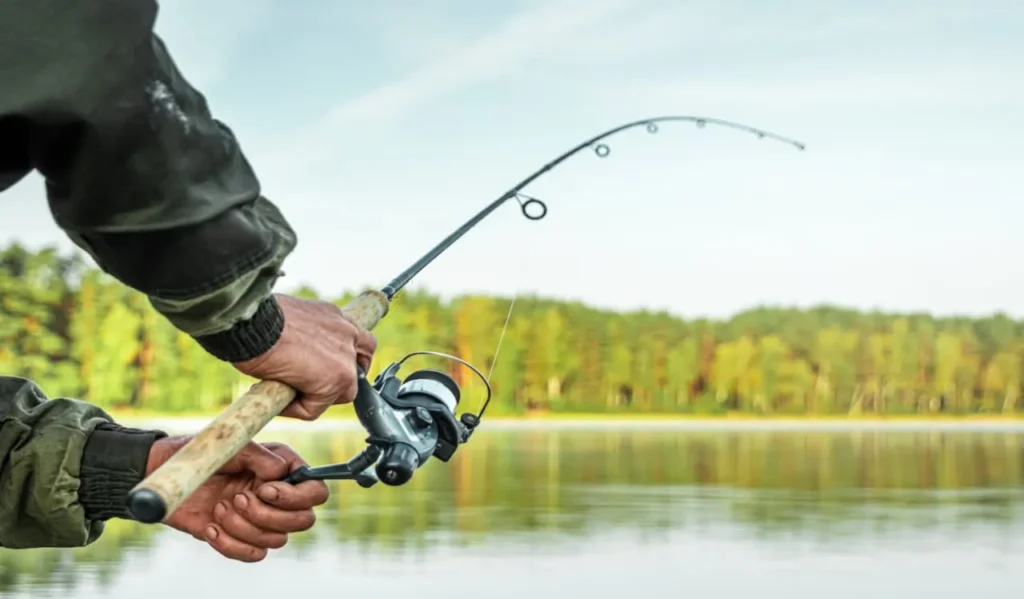
The construction of thick blanks and dense fibers makes fiberglass rods heavier. The increase in weight may result in fatigue in the continuous casting. Nevertheless, the weight also provides stability when fighting a large fish. Anglers often employ fiberglass rods when fishing boats or fishing rod holders in which hand-held casting over a considerable distance is not necessary, and the added weight is less of a drawback.
Strength and Durability
Graphite rods are highly strong in proportion to their weight but not as impact resistant. The cracking or breakage can be caused by sudden shocks, high sticking or accidental impacts. Although they work well when placed on controlled load, care must be taken with them. Anglers who use the correct technique to maintain the protection of the blank and performance are the ones who prefer graphite rods.
Fiberglass rods are very strong and shock resistant. They bend, twist and hit without breaking. These rods are able to withstand rough treatment, huge loads, and vicious fish runs. The fiberglass rods are recommended to those who are just starting, trolling, and surf fishing as well as where the equipment is under constant stress and impact.
Casting Performance
Graphite rods have sharp and quick casting performance. Their stiff blanks are lightweight and easy to load and their capacity to release stored energy is smooth and gives them long and accurate casts. Graphite rods are also perfect in precision casting conditions where the placement of lures is important. Their light weight enhances line speed and distance thus being the ideal fishing jig in freshwater bass and finesse jig presentations.
Must-Read Guide for Top Picks of Best Fishing Reels
Fiberglass rods are slower casting with a deep bend of the load. This leads to reduced casting range than the graphite rods. The slower action however permits the lure to move more smoothly and maintains constant pressure on hooked fish. The use of fiberglass casting performance is good in trolling, crankbait and where the slow and controlled action is important.
Best Fishing Techniques
Graphite rods are also fine tuned when it comes to drop-shotting, jigging, soft plastics, and light lure presentations. Fishermen who are using pressured fish are advantaged by the accurate bite detection and quick hook sets. Graphite rods are also very ideal in fast moving jobs that need speed and precision such as bass tournaments and light inshore fishing.
The heavy-duty methods that use fiberglass rods include trolling, crankbait fishing, surf fishing, and heavy spiner fishing. Their flexible bend ensures that they exert continuous pressure on fish which decreases the chances of hook pull. Fiberglass rods are effective when the fish are big, aggressive and heavy baits, and toughness and forgiveness are more important than sensitivity.
Maintenance and Lifespan
Graphite rods should be properly maintained to achieve the longest life possible. No high sticking, extreme bending, and blows on hard surfaces. Graphite rods have a long life of several years with appropriate care and sensitivity and performance. Rods should be cleaned and kept in good shape which helps to avoid invisible micro-damage which can cause a loss of functionality in the presence of heavy load.
Different Types of Fishing Rods and How to Use Each Rod
Fiberglass rods are less delicate to work with and can be used roughly. The fact that they are flexible decreases the damage caused by stress. They are used in many seasons by just simply cleaning after saltwater use. The fiberglass rods are not easily broken when they are hit and they also provide a very high service to fishers who fish frequently in harsh environments.
Price Comparison
Graphite rods are sold at either a lower or higher price. Graphite rods of high-end prices are more expensive because of the sophisticated carbon materials and fine production. Anglers spend money on performance, sensitivity and weight loss. Graphite rods are a great option to the angler who has a high opinion of finesse and competitive play.
Fiberglass rods are cheaper in general because of the ease of construction. Even high quality fiberglass rods are affordable as compared to the high quality graphite models. They have a long life and are very long-lasting and offer great value in the long term. Fiberglass rods are economical options that can be used by the angler who requires power and dependability but does not need to spend a lot of money on reducing the weight and performance of the rod.
Which Rod Should You Choose
Selecting a graphite rod is recommended in case you are more concerned with sensitivity, lightweight feel, and casting accuracy. They suit best fishermen who are after bass, trout and finned based species. Graphite rods are appropriate to tournament fishermen and all who use soft plastics, jigs and light lures where feel and response frequency is most important.
Select a fiberglass rod in case of heavy load, durability, strength, and forgiveness required. The fiberglass rods are ideal in trolling, surf fishing, crankbaits, and aggressive species. They are applicable to amateur fishers, boaters and those fishing in harsh environments where the gear is put under pressure and subject to the impact.
Why Trust Us
We use practical testing of graphite and fiberglass rods in various fishing conditions and this is what we use to make our rod comparisons. We test the sensitivity, strength, casting performance, and durability by use of real life fishing scenarios. We will aim at giving precise experience-based advice and not just taking the claims of the manufacturers.
Another factor we look at is the commentaries of professional as well as recreational fishermen who use these rods in their daily lives. The collective experience assists in justifying performance anticipations and durability. The combination of technical testing and user experience will allow us to make sure that our information is based on the real-life condition of fishing and real performance requirements.
Customer Feedback
The users of graphite rod laud the light performance, quick bite identification, and high accuracy of casting. Most bass fishermen complain about better hook-setting and control of lures. Tournament fishers use graphite because it is more precise in fishing. But other users find that it requires a lot of care lest it breaks during accidental hits or high sticking errors.
The users of fiberglass rod extol hardness, elasticity, and dependability in combating large fish. Trolling and surf trollers have reported great durability and long life. Fiberglass is the favorite of many beginners since it is forgiving. The customers like the reduced cost, resistance to impacts, and trust in it in heavy-duty fishing conditions.
FAQs About Graphite vs Fiberglass Fishing Rod
Final Thoughts
Fishing rods of graphite and fiberglass are used in a different way in contemporary fishing. Graphite rods are the most sensitive, reduce in weight and are more accurate in casting. They are perfect among finesse anglers that require the optimum performance in controlled settings. The right care guarantees the long term reliability and high fishing responsiveness in light to medium conditions of fishing.
Fiberglass rods offer unparalleled impact resistance, flexibility and durability. They are most efficient in heavy loads, trolling and in fierce fish fights. They are forgiving, therefore, good in beginners and rough conditions. The right rod material will guarantee ideal performance, comfort, and gratification depending on the type of fishing and the species to be targeted.