How to Fish in Cold Weather: Ultimate Guide for Beginners
Learn how to fish in cold weather using winter fishing tips, slow presentations, deep water strategies, tackle adjustments, and fish behavior insights.
During cold weather, fish do not behave in the same way since the temperature of water reduces and metabolism is also reduced. In order to save energy, fish slow down and reduce the number of feeds. Knowledge of these changes enables the angler to change tactics, choose the right areas and avoid aggressive tactics that do not work in winter conditions, enhancing the general success in cold weather fishing.
The presence of cold water has an influence on the oxygen levels and the position of fish. A lot of species relocate to deeper and more stable regions where temperatures are constant. Fish like slow areas and formation to shield themselves. Understanding these patterns enables the fishermen to focus on effective areas and save time wastage where fishing in cold seasons is concerned.
Choosing the Best Time to Fish
The time of day is very important in cold-weather fishing. Noon is often the best time since with the sun water temperatures increase a little. During such warmer windows, fish are more prone to feeding. Fishing around temperature variations enhances the likelihood of getting a bite and winter fishing is more productive.
Mornings and evenings are normally not effective as it is colder. During such times, fish are not active. Knowledge of daily temperatures changes assists an angler in selecting the most appropriate time. Fishing when the times are favorable enhances productivity and saves frustrations when you are faced with slow bites in winter.
Must-Read Guide for Anyone Looking for Top Rods
Targeting Deeper Water Areas
During cold weather, fish tend to be submerged in deeper water where there is no fluctuating temperature. Deep channels, drop-offs, and holes in lakes, rivers and reservoirs are fish attracting spots. Attacking these zones enhances success since fish do not go to areas with shallow waters which cool quickly in winter seasons.
The depth maps or fish finders can be used to locate such deeper holding areas. By showing baits near the bottom, there is a high probability of strikes. Knowledge of depth preferences enables the angler to adjust in order to find fish all the time even when the water is cold.
Adjusting Tackle for Cold Weather
Fishing in cold weather needs certain changes in tackling. The lighter lines and smaller lures tend to work better since fish are also suspicious. Downsizing tackle enhances natural presentation and less resistance. Tackle adjustments to suit winter conditions enhance effectiveness and also increase strike rates in periods when food is sluggish.
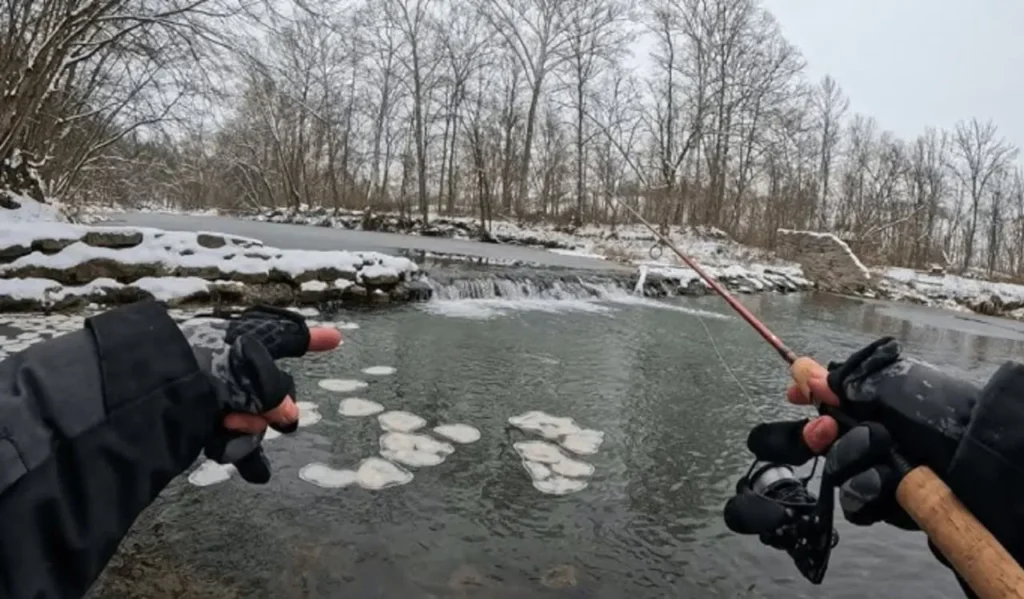
The sensitive tips on the best fishing rods can be used in detecting subtle bites typical of cold water. Slow fights do not form lines due to smooth drag settings. Adequate adjustments of the tackle also guarantee more control, less missed bites and make the angler more confident and successful in cold weather fishing conditions.
Using Slow and Subtle Presentations
In cold water, fish move slowly because the metabolism is slow. Quick moving lures do not often invoke strikes. Long and soft presentations hold baits in the strike zone. During winter fishing, the methods such as jigging, soft plastics and slow retrieves are effective.
Ensure that lures take a break very often and move in a natural manner. No violent behavior that scares fish that are not in action. Minor movements resemble effortless food and enhance the likelihood of bites. Learning how to present slowly will help an angler to get used to cold weather and fish in situations where there is low activity.
Must-Read Guide for Top Picks of Best Fishing Reels
Focusing on Structure and Cover
In cold weather fishing the structure and cover plays a significant role. Fish take shelter under rocks, trees drowned in water, and ledges to seek shelter and warmth. By attacking these areas, there is greater success since fish save on energy by remaining near to safe areas in winter.
Make a correct cast towards the structure and ensure that the lures drop at a slow pace. In cold water fish seldom pursue at a great distance. Learning about fish cover assists the angler in focusing on areas with a high percentage of fish and also in enhancing his performance in the cold weather of fishing.
Dressing Properly for Cold Weather Fishing
Angler comfort, and safety are the vital elements in cold weather fishing. Layered and waterproof clothes serve the purpose of controlling the body temperature. Cold exposure is prevented by use of proper gloves, hats, and insulated boots. Keeping warm enhances concentration and enables the fishermen to fish longer.
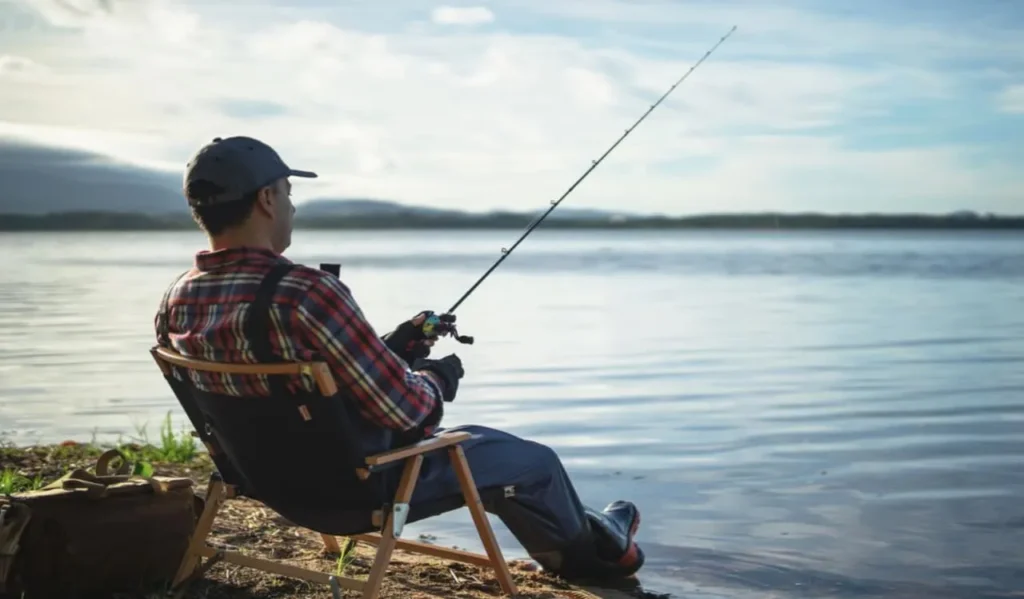
Eschew cotton garments that keep the moisture. Use breathable and insulated materials instead. Being dry helps to avoid hypothermia and fatigue. Proper garments keep the angler warm and on guard and cold weather fishing is more enjoyable and productive in spite of the harsh environmental conditions.
Fishing Moving Water in Winter
The flowing water tends to be rich in oxygen and in the winter season fish are attracted. Rivers, streams and tail waters are productive during cold weather. In slower current regions, fish align themselves to save on energy as they wait in the currents as food flows past.
Eddies, seams, and currents where fish lie. Presentations should be controlled so as not to spook fish. It is known that fish take advantage of moving water in winter, which helps an angler to locate active fish and sustain success in cold water fishing.
Different Types of Fishing Rods and How to Use Each Rod
Practicing Proper Fish Care
Fishing in cold water demands handling of fish. Slow metabolism causes fish to be stressed easily especially in winter. Spend as little time as possible in fights, and treat fish tenderly. Quick releases enhance the survival of fish and fish stocks in cold weather when they are vulnerable.
Wet hands are not to touch fish and are not to be put on cold surfaces. Restrict air exposure to avoid shock. Good fisheries and responsible fishing practices in the winter fishing season will guarantee ethical angling practices and healthy fisheries.
Developing a Cold Weather Fishing Strategy
Cold weather fishing requires time and preparation. Knowledge of fish behavior, technique modification and selection of the right location enhance success. A clear strategy will assist the angler in finding the way out of a slow bite situation and still be productive during winter fishing trips.
Test depths, lures and bring-in speeds to discover patterns. Record effective methods. Experience on every venture creates confidence. Through planning and flexibility, even in cold weather conditions, fishing can be an enjoyable experience among the anglers.
FAQs About How to Fish in Cold Weather
Final Thoughts
Fishing in cold weather is not always easy, but with an approach to it, it can be very rewarding. The knowledge of seasonal fish behavior, slack presentation and change of tactics enhances success. The practice of patience and preparation enables the angler to overcome the slow activity and have a fruitful fishing adventure even during severe winter seasons.
In addressing deeper waters, structure and proper fish care, angler conservation is ensured both to the fish and to the angler. Wearing a proper dress and being strategic is safe and comfortable. Cold weather fishing is a great chance to work and get good results in the long run, with experience and adaptability.