
How to Fish in Rivers Using Spinning Rods: Ultimate Guide for Beginners
Learn how to fish in rivers using spinning rods with the right rod, reel, line, lures, and techniques for accurate casting and productive fishing.
River fishing involves the knowledge of current, depth and structure. Fish seek refuge and food in the slow back of the rocks, eddies or submerged logs. Spinning rods are also the best as they give an option of casting lures or baits accurately. Sensitivity also assists the angler to pick up the slightest bites in flowing water and retains control, hence spinning fishing rods are a very good option to use in a river fishing to catch different species of fresh water fish.
When feeding, fish tend to be in places where the flow is less in order to save on energy. These zones can then be placed in exactly where the lure needs to be without scaring the fish by spinning rods. Anglers are able to quickly change casting distance, speed of retrieve and depth of lure to suit the conditions of the river resulting in higher strike rates. The study of river dynamics is an important factor that ensures maximum productivity when freshwater spinning rod fishing.
Choosing the Right Spinning Rod
The choice of the appropriate spinning rod helps to be more successful and in control in rivers. Medium or medium-light rods are 6.5 to 7.5 feet and can be used in freshwater fishing. Quick or medium-quick action is used to find bites and give sufficient backbone in order to set hooks effectively. The correct choice of a rod guarantees the ease of casting, the precise positioning of the lure, and the improved possibilities to control the fish when it suddenly run in the deep pool.
The performance and sensitivity depends on the rod material. Graphite rods are delicate and lightweight and enable the angler to easily detect the slightest touch. Beginners should use composite rods as they are flexible and tough. Complementing the rod with a suitable spinning reel will guarantee ease and less strain when the rod is used over a lengthy duration. The selection of the appropriate rod enhances accuracy in the casting and detection of the bite and handling of the fish in both large and small rivers.
Must-Read Guide for Anyone Looking for Top Rods
Selecting the Best Reel and Line
The spinning reels are suitable in river fishing since they are versatile and easy to operate. Medium size reels with high drag systems deal with sudden runs and violent strikes. The best fishing reels choice brings about balance to the fishing rods which enhances accuracy and control in the casting and the retrieval process. Anti-reverse functions aid in line tension, avoid slack, and aid hook setting which is very important in flowing water.
Line is also a consideration. Rivers are good with monofilament, fluorocarbon or light braided line of 612 lb test. Light lines enhance the action of the lure and sensitivity of the bite and fluorocarbon leaders make the lure less visible in clear water. Appropriate line also makes sure there is accurate placement of lure, good hook sets and successful landings thus overall success is higher when using spinning rods in moving water conditions.
Must-Read Guide for Top Picks of Best Fishing Reels
Choosing Lures and Baits
Different fish species are found in rivers hence choice of lure is based on targeted fish. River fishing can be done with crankbaits, soft plastics, spinners and small jigs. Worms or minnows are also good live bait. Spinning rods can be cast and presented accurately and this is important when the fish of interest is cautious or suspended and therefore requires to be cast in eddies, current breaks or behind structure.
The color and size must be in accordance with the clarity and speed of the water. In stained waters, brighter lures are more effective whereas in clear rivers, the natural tones are more effective. The mimic movements of prey are imitated by Subtle. Spinning rods offer sufficient control to control speed and depth and still have lifelike action. The correct combination of the lure type, color, and presentation with the river conditions increases the strike rates.
Casting Techniques in Rivers
In rivers, it is necessary to cast correctly because of flowing water and bank. The overhead or sidearm casts are used to access areas of targets that are behind rocks, logs or eddies. Spinning rods enable easy casting and accurate positioning without scaring fish. This is because proper casting enhances presentation of lures, decreases false strikes and improves the rate of catching. The distance is not as important as the accuracy when fishing fish in complex rivers.
It is important to adjust the retrieves to river flow. Fish can be trapped in currents or slow pools and therefore, the depth of the lines and lures should be controlled in order to be presented in a natural manner. Minor tremors or stops are a reflection of prey flowing along the current. The spinning rods are sensitive to detect the small bites and change the technique within a short period. Through effective casting and retrieval strategies, flowing water is more likely to succeed.
Fishing Deep Pools
River deep pools are usually good locations. These are the areas that fish congregate to take shelter and ambush. With spinning rods, it is possible to cast to the side of deep holes or undercut banks. Anglers are able to keep in control during retrieves and also feel delicate strikes. It is necessary to present properly so as to attract fish without scaring them off.
The lure should be weighted in the right way to achieve depth. Deep pools have jigs or weighted plastics that are suitable. Control retrieve speed in order to recreate the movement of prey. Sudden runs are absorbed by spinning rods and offer sufficient leverage to control fish. Fishing deep pools with appropriate methodology enhances the success of river fishing and the amount of fish taken with a steady rate.
Fishing Shallow Runs and Riffles
shallow runs and riffles supply the oxygenated water and attract the active fish. When casting in such places, one has to cast properly lest he spooks fish. Spinning rods have the advantage of presenting delicate lures and having a fine control over light lures. Minor movements such as mimicking prey movement and pauses are used by Subtle to lure bites against the wary fish in low currents.
Fish that attack fast are frequent in shallow waters. The clarity, structure and depth of water are observed to recommend the size and speed of the lure. Spinning rods give the feel of light bites and give sufficient backbone to hook sets. Appropriate placement of lures in riffles enhances the catching rates and enables the anglers to target fish that feed in the shallow areas of the rivers.
Different Types of Fishing Rods and How to Use Each Rod
Setting the Hook and Fighting Fish
Rivers tend to strike rapidly and vigorously and hook setting is important. Using spinning rods, lift steadily and ensure there is tension of the line to hook. Lost fish may be as a result of aggressive or delayed sets. Sensitivity of the rod enables the angler to sense a bite instantly and respond effectively to make sure the fish is hooked up; the fish will not be able to shake off or make a strong run away.
It is necessary to control the fish once hooked. Spinning rods bend to take up any unexpected runs and yet keep the pressure constant. Correct settings in the drag stop breakage of lines in fights. The tension on the rod and changing the rod angle in the battle will guarantee successful landings. A spinning rod is correctly used, and it will provide the angler with control of the movement of the fish in either quick or slow currents of the river.
Landing and Handling Fish
The art of landing fish in rivers is a matter of safety, both to the fish and the angler. Catch the fish with a landing net or direct the fish to the shallow water. Spinning rods allow one to control fish without straining light line or tackle. Aggressive or strong freshwater fish species can be dealt with with proper handling, which guarantees a successful landing.
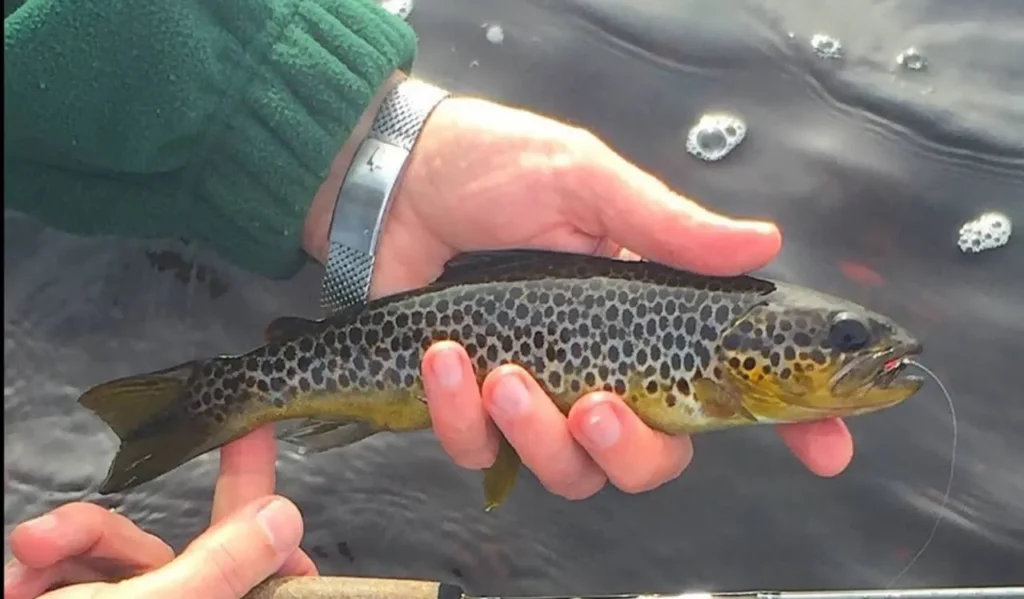
The methods of handling relieve stress on fish. It is necessary to have wet hands and be careful of the hook removal as well as minimal exposure to air. Spinning rods will absorb any sudden movement in the landing stage and break the lines or lost fish. Monitoring the depth, current, and obstructions of rivers during the landing of fish makes the landing of fish safe to the fisherman and the fish, and creates a sustainable and enjoyable fishing experience.
Common Mistakes and Final Tips
Some of the most common errors are overcasting, the use of heavy lures, disregard of existing patterns or the use of hooks that are too aggressive. The mistakes decrease the catch rates and upsurge the lost fish. Spinning rods can be presented accurately, set subtly and recovered in a controlled manner in the right hands. Anglers learn to be patient, observe and use correct technique to prevent errors and maximize production in rivers.
To succeed in rivers, one needs to observe, be patient, and adapt. Change the type, size, color, and depth of lures to suit fish behavior and conditions. Spinning rods are used to give the sensitivity and control needed to identify the bites and control the hook tension. By using the right technique with attention, one can be guaranteed of a steady, enjoyable, and fruitful fishing experience in the rivers with spinning rods.
FAQs About How to Fish in Rivers
Final Thoughts
Fishing in rivers with spinning rods is both exciting and productive for anglers of all skill levels. Using the right rod, reel, line, and lures ensures accurate casting, precise presentations, and effective hook sets. Spinning rods provide sensitivity to detect subtle bites while allowing control during fights, resulting in consistent catches and a more enjoyable river fishing experience.
Observation, patience, and adaptation are key to river fishing success. Understanding fish behavior, current patterns, and structure allows anglers to adjust techniques and lure presentations effectively. Spinning rods provide the sensitivity and leverage needed to fight fish safely, detect subtle bites, and maintain control. Consistent practice ensures rewarding and productive river fishing.