
How to Oil a Fishing Reel Properly: Complete Guide for Beginners
Learn how to oil a fishing reel properly. Step-by-step guide for cleaning and maintaining reels to ensure smooth and long-lasting performance.
Oiling a fishing reel will enhance the smooth operation and increase its life cycle, as well as corrosion prevention. Frequent maintenance means that reels are efficient outfits on fishing trip and lessens the damages on internal parts. Learning how to oil a reel properly can save an angler a lot of money in terms of investment, casting efficiency and effective drag and spool operation under any circumstance.
Oiling of a fishing reel is also going to help them avoid damages of dirt, sand and saltwater. Lubrication will keep the moving parts moving without friction and mechanical stress. Training and training in the best methods and the best lubricants can enable the fishermen to maintain the reels in their best condition to guarantee that they can perform, last longer and enjoy all their fishing trips.
Understanding Reel Maintenance
The process of reel maintenance includes cleaning, lubricating, and checking the wear or damaged parts. Maintaining oiling is a major process, which ensures smooth running of bearings, gears, and other moving parts. Failure to lubricate may cause rust, friction and poor performance of the reel thus reducing the life of the reel.
Casting precision and line retrieval is also improved through proper maintenance. Lubricated and clean reels make fighting easier and offer the same drag performance. Knowledge of those areas that need oiling and the frequency of such oiling can guarantee optimum functioning of the reels, particularly in freshwater or sea water environments that can be unfriendly.
Choosing the Right Oil
It is important to use the right oil. Reel oil Lightweight reel oil is ideal in spinning, baitcasting and conventional reel. General purpose oils should be avoided as they can stick up and get dirty. Reel oils of high quality minimize friction, corrosion and offer long-lasting lubrication without seals or components degradation.
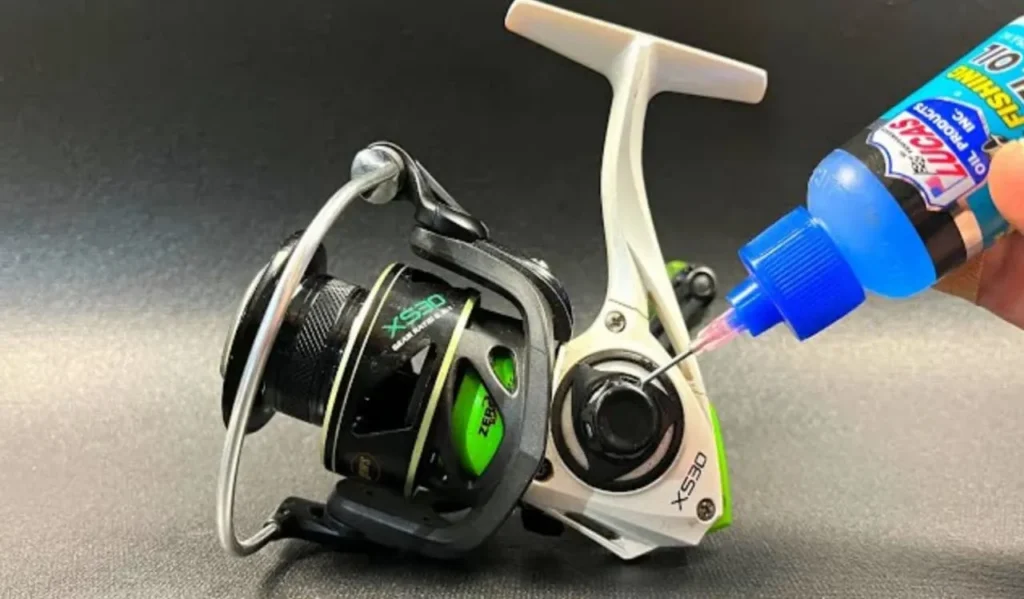
Various reels might need to have certain lubricants like grease on gears and oil on bearings. Always use the manufacturer suggestions so that it can perform optimally. Selecting the appropriate oil assists in the smooth running, wear resistance and the lifespan of the reels particularly of high-end or precision reels.
Gathering Required Tools
Prepare the basic tools before oiling, clean cloth, cotton swabs, small screwdriver, and reel oil. Additional options are reel grease, toothpicks or small brushes. The right tools will mean safe dismantling and accurate application of oil without polluting other components.
Cleaning up the working area will assist in avoiding the loss of such tiny screws or parts. The fact that the surface is clean and flat minimizes the chances of accidents when carrying out maintenance. With the right tools and preparation, oiling is much more effective, as all moving parts will be lubricated in the correct way and the reel will be working at its best.
Must-Read Guide for Top Picks of Best Fishing Reels
Disassembling the Reel
Unscrew the reel in a meticulous way as per the directions of the manufacturer. Eliminate side plates, spool and handle components. Parts should not be forced, since the disassembly may be done poorly, and bearings or gears may be damaged. Store screws and tiny parts in order to make re-assembling easy.
Knowledge of the inside structure would enable accurate application of oil. Mark the position of washers, bearings and gears to ensure correct re-assembling. Breaking down also offers the chance to check the parts of wear or corrosion, and therefore the maintenance will handle them before they interfere with performance.
Cleaning Components
Pre-oil Wipe down all parts with soft cloth or cotton swabs or mild reel cleaner. Eradicate grease, dirt, sand and salt. Wipe clean gears, bearings and spool areas to make sure that fresh oil is applied in the right place and does not cause friction or wear.
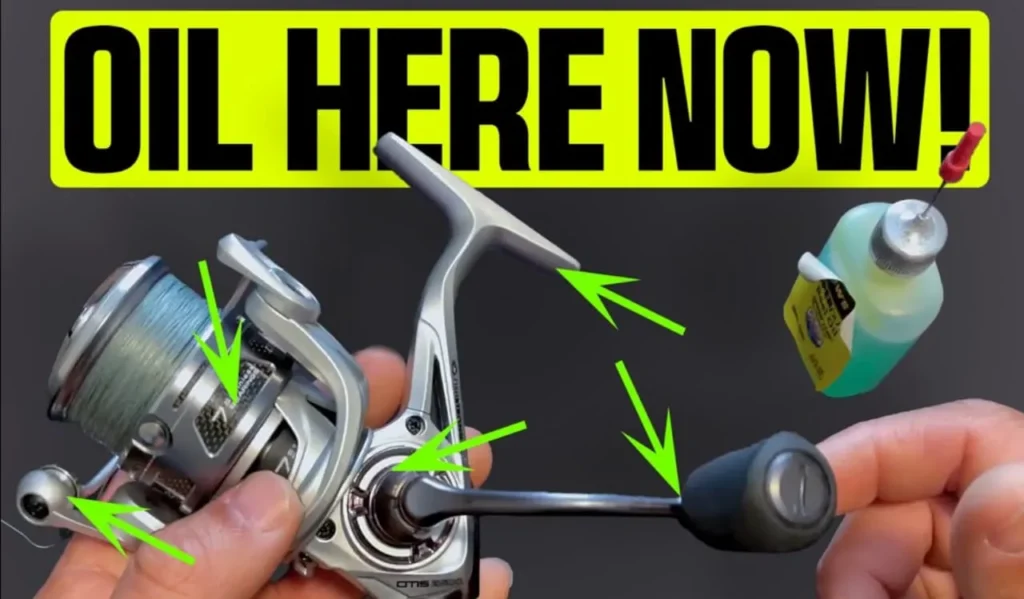
Use chemicals carefully so as to avoid damaging seals or metal parts. Cleaning is done properly and is known to prolong the life of the reel and makes the lubrication effective. A clean reel saves on resistance, casting becomes easier and the general performance of the reel in fishing trips is better.
Applying Oil to Bearings
Apply a small drop of reel oil on all bearings such as spool, handle and gear bearings. Oil can trap the dirt hence use sparingly. The bearings need to be well lubricated to operate smoothly, to retrieve smoothly and to cast long distances with minimum friction. Turn the handle slowly in order to lubricate the bearing surfaces with oil. Well oiled bearings enhance casting range, wear and corrosion. Oil regularly and maintain the precision component life as well as performance.
Different Types of Fishing Rods and How to Use Each Rod
Applying Oil to Gears
Gears are well oiled by light or recommended by the manufacturer reel grease. Apply lightly on teeth and rotating surfaces without excessive lubrication. When well lubricated, the friction is minimized, wear is minimized and the gears mesh smoothly to facilitate effective transfer of power on retrieval.
Turn the handle gradually so as to spread the oil all over. Frequent lube of gears prevents squeak, grinding and damage of gears used in long fishing time. Balanced lubrication improves the operation of reel, is more durable, and operates smoothly under heavy load.
Reassembling the Reel
Put the reel back together carefully making sure that all the pieces are in their place. Tighten screws, ensure bearings are rotating freely and turn spool. Appropriate reassembly will also provide the smooth functions of all lubricated parts.
Ensure that the drag settings, handle rotation and tension of the spool are in good operation. The maintenance process is completed by reassembly, and the angler can have a fully functioning reel that is able to perform at its optimum potential, cast further, and last longer.
Must-Read Guide for Anyone Looking for Top Rods
Testing the Reel
Test the reel after oiling in a controlled environment. Smoothness of checks, consistency of drag and operation of the handle. Make sure that there are no binding or over-lubricated parts. Checking is done to determine that the reel is oiled and is in readiness to go fishing.
Turn the handle and make a test run and hear the sounds. Post-maintenance testing would also confirm that any changes or corrections are done instantly to avoid the possible damages during real fishing trips.
Frequency of Oiling
The frequency of oiling varies with the conditions of fishing. Freshwater reels can be oiled after 2 to 3 months whereas saltwater reels have to be maintained more often. Oiling will stop corrosion, help in a smooth running, and increase the life of the reel.
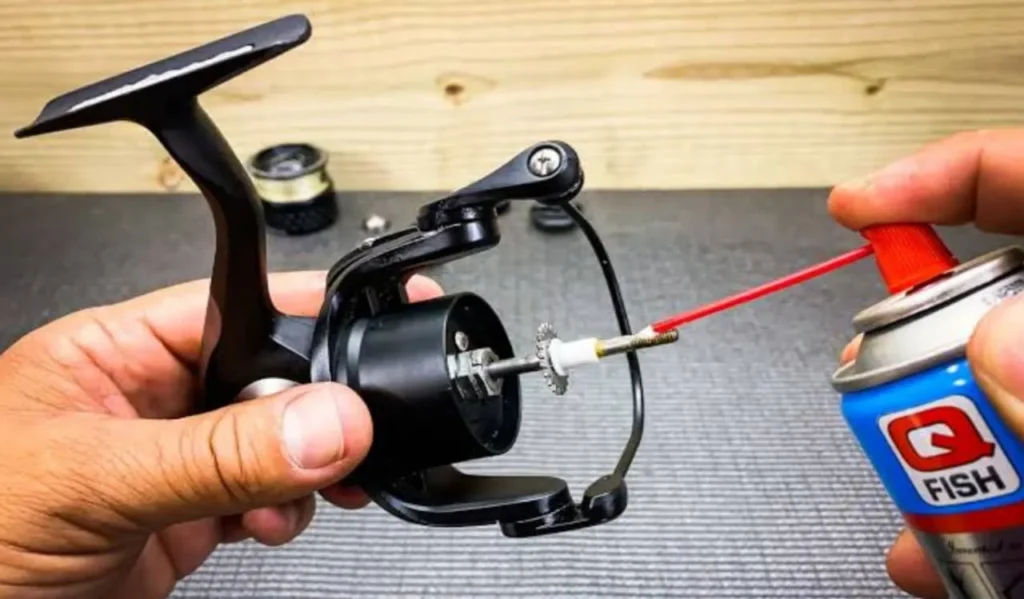
Oiling should be more frequent in heavy usage, saltwater and muddy conditions. Routine ensures that reels are at their best functionality, they are readily retrieved and the possibility of mechanical breakdowns is minimized during significant fishing expeditions.
Tips for Effective Oiling
Wipe with little oil as that will keep dirt away. Wash parts according to the instructions of a manufacturer, do not use harsh chemicals. Turn moving pieces and oily them over. Periodic inspection and maintenance prolongs the life of the reels and eliminates early wear.
Arrange screws and little parts in the dismantling process to avoid misplacement. You should not tighten screws so much when reassembling, and it may ruin the parts. The correct technique guarantees maximum lubrication, easy running and performance of the reels in every fishing environment.
FAQs About How to Oil a Fishing Reel Properly
Final Thoughts
It is important to have a fishing reel oiled to ensure a smooth operation that will last a long time and perform with consistency. Frequent cleaning and lubrication help to avoid corrosion, minimize wear, and increase the efficiency of casting. Applying the right oil and in the proper way makes sure that all the parts swing freely and that the reel works best in each and every fishing trip.
The establishment of a maintenance schedule creates confidence and eliminates unforeseen mechanical breakdowns. Through proper oiling of reels, an angler extends the life of the equipment, enhances the performance as well as having a hassle-free fishing time. It should have a good reel which guarantees ease of retrieval, constant drag and proper functioning under any circumstance.