How to Use Fluorocarbon Line Like a Pro: Fishing Tips & Tricks
Learn how to use fluorocarbon line effectively. Tips on spooling, knots, techniques, and maintenance for better catch rates and line performance.
Fluorocarbon line is the favorite of the angler due to its low visibility, high sensitivity and resistance to abrasion. It is also heavier than monofilament and thus would be good in some fishing methods such as jigging and drop-shotting. Learning how to use it correctly will guarantee a superior casting, presentation, and success in general and less line visibility that will cause fish to spook under clarity of water.
Prior to the use of fluorocarbon, the right test strength is to be chosen according to the target species and fishing conditions. Lighter lines are used to give greater sensitivity and stealth whereas heavier lines are used to give strength to larger fish. The correct choice of line gives you the greatest benefit of fluorocarbon such as low stretch and low abrasion resistance which permits the lure to be placed correctly and the hook-setting ability to be enhanced without loss in strength during the battle.
Spooling Fluorocarbon Line
To prevent twisting and memory, spooling of fluorocarbon onto a reel is to be done with special care. Begin by making a knot in the line that is secure and then put a little strain on the line as it is wound evenly on the spool. Do not fill the reel too full as this will lead to backlash or snarl up when casting. The correct spooling will increase the length of the cast and decrease the line issues.
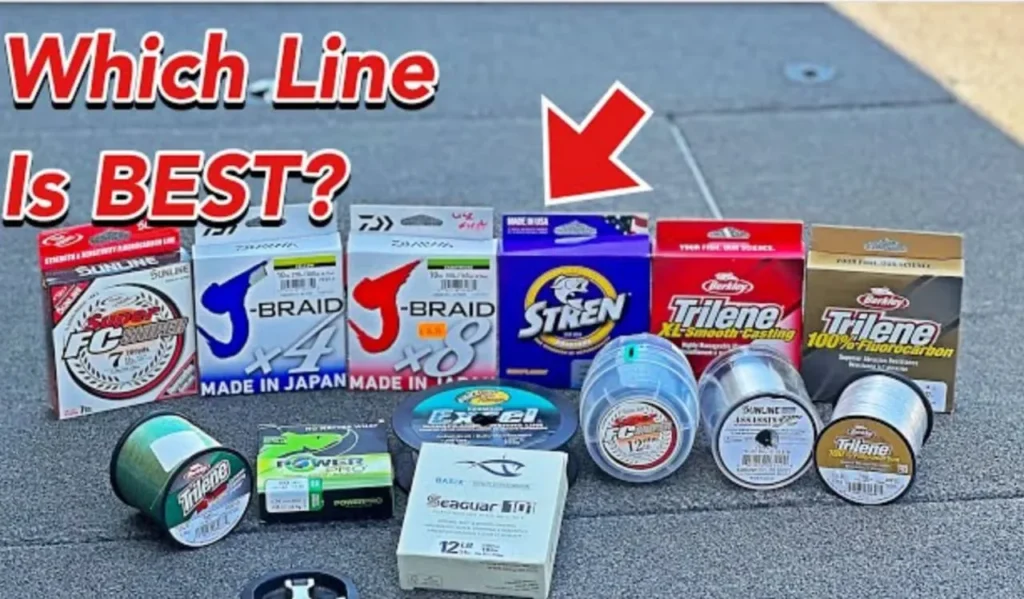
Most of the anglers are fond of supporting the reel using monofilament prior to spooling fluorocarbon. This gives volume, minimizes line slipping, as well as gives a cushion to the fluorocarbon line. Correct spooling method is also a way of easy retrieval and less stress on line in hard running or sudden fish action. The correct spooling is important to ensure that the line has a maximum of life and performance during any trip.
Knots for Fluorocarbon Line
Fluorocarbon line is slippery and therefore it is important to select the appropriate knots. Such knots as the Palomar, Improved Clinch or the FG knot are strong and reliable. It is advisable to moist the line first then knot the line before tying knots to avoid friction and damage. Correctly knotted knots reduce the line breakage, enhance hook-setting, and make sure that your fluorocarbon line is best utilized in any situation of fishing.
Different Types of Fishing Rods and How to Use Each Rod
Knots should not be over-tightened because fluorocarbon may cut itself when there is too much pressure. The ends of the trim tags are to be trimmed in order to prevent snagging and unraveling. Knot tying with fluorocarbon leads to a higher level of confidence and lowered lost fish. Good knots and line handling help in ensuring that there is a good performance whether fishing on the lure or with bait or heavy tackle.
Fishing with Fluorocarbon Techniques
Fluorocarbon is also superior in methods where visibility and sensitivity is a major consideration. It is perfect in finesse fishing, drop-shotting, and soft plastics. It has very little stretch enabling the angler to sense a slight bite and place hooks within a short period. The fluorocarbon enhances better lure control and presentation thus enabling you to fish more efficiently in clear water and pressured situations where fish are easily spooked.
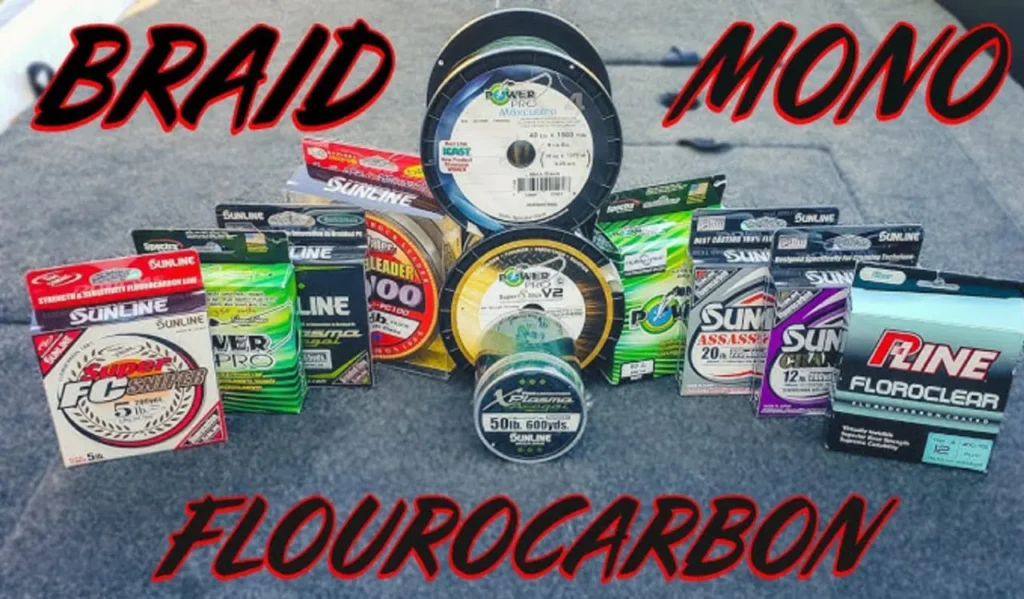
In heavy cover or structure, the abrasion resistance of fluorocarbon is used to ensure that lines are not broken. It is good when fishing in the rocks, weeds, or underwater timber. When combined with suitable lures, terminal tackle, and fishing rod technique, the fluorocarbon will increase the performance of any angler and enable them to fight fish effectively, as well as ensuring that the line is not damaged in harsh conditions.
Maintenance and Storage
Fluorocarbon line must be examined every now and then to ensure that it is not nicked, abraded, or has weak areas. Change the worn-out parts to prevent untimely breakages. Keep unused line in a cool dark place out of UV light, which may destroy some fluorocarbon lines with time. The proper care prolongs the life of the line and provides the uniformity of performance during every fishing trip.
Must-Read Guide for Top Picks of Best Fishing Reels
Do not coil fluorocarbon tightly during long periods, it is likely to have memory. It is better that it be stored on the fishing reel by gentle loops or spooling. Check knots and leaders prior to every excursion. Anglers can get maximum out of fluorocarbon by maintaining it and storing it correctly to provide a reliable and low-visibility line to make consistent and accurate fishing in any environment.
FAQs About How to Use Fluorocarbon Line
Final Thoughts
When used properly, fluorocarbon line will help to improve your fishing experience by giving it stealth, sensitivity and durability. Selecting the correct test strength, spooling in the right way, tying powerful knots and using the right methods will guarantee success. Under the proper care and management, fluorocarbon can enhance the bite detection, hook-setting success, and the overall catch rates of freshwater and saltwater fisheries.
Fishing with fluorocarbon is training in light and accurate methods of fishing. The special features it possesses provide an edge to the angler compared to other lines. Learning to spool, tying knots and fishing techniques will allow you to make the most of the fluorocarbon advantage and fish more and have a better rewarding fishing experience.