
Lightweight Reel vs Heavy Fishing Reels: Ultimate Comparison Guide
Compare lightweight reel vs heavy fishing reels to learn differences in power, comfort, balance, and which reel suits your fishing style best.
Fishing reels are different in terms of weight, construction and use. The decision on whether to use a lightweight or heavy reel will influence the casting comfort, control and the handling of target species. Lightweight reels are made to be easy to use and they do not cause fatigue when used over a long period and heavy ones are constructed to be powerful, durable and to catch bigger fish. The awareness of differences assists the angler in choosing the best reel to use based on the style of fishing and the environment.
Balance is also affected by the reel weight and fishing rod. The lightweight reel with a light rod provides easy casting and lessens strain on the arms which is suitable in long freshwater fishing. Heavy reels have tougher rods, however, they give more leverage and control of drag in a saltwater setting or when fishing big fish. The choice of a reel will be decided on the nature of fish and the environment of fishing as well as the comfort and power preference of the angler.
What Is a Lightweight Reel?
Lightweight reel is made of such materials as graphite, carbon fiber, or lightweight aluminum to decrease the total weight without compromising the performance. Such reels work well with small to medium sized fish, freshwater fishing, ultralight rigs or long-range casting. Their light weight eliminates fatigue and so can be used by beginners, traveling angler and also those who have to fish hours on end without getting tired.
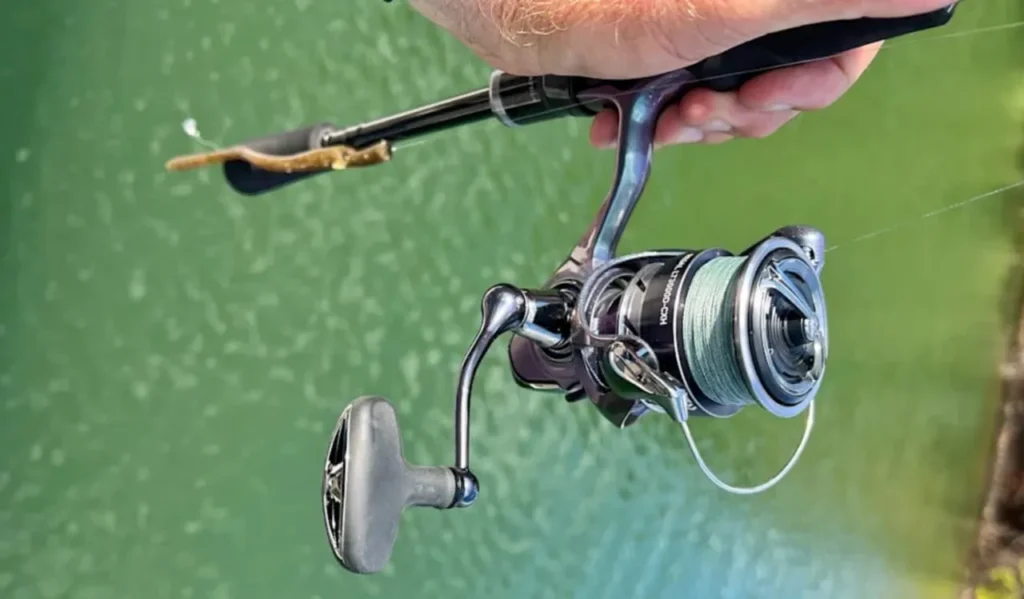
The lightweight reels are smoother as compared to the heavy reels though they are lighter. High-tech engineering enables high drag and fine gear ratio which makes it functional in most average fishing conditions. Anglers also enjoy easier manipulation, increased casting rate and better bite sensitivity. Light reels are especially beneficial to fly fishing, ultralight spinning and travel fishing where portability and comfort are of great importance but without being detrimental to the necessary functionality.
What Is a Heavy Reel?
The heavy reels are made of strong material like high grade aluminum, stainless steel or reinforced composite. These fishing reels have been made to accommodate big fish species, heavy line and harsh salt water environments. They offer increased drag capacity, torque and durability. Trolling, deep-sea fishing, or fishing of species that demand a lot of power to reel in will necessitate heavy reels to avoid losing equipment.
Must-Read Guide for Top Picks of Best Fishing Reels
These reels are more stable and controllable when making long fights with powerful fish. Another advantage of heavy reels is that they perform well even when stressed highly and decrease line slip. Although they do add fatigue during longer durations, the leverage, strength and reliability of heavy reels are the reason why they are favored by serious fishermen in the quest to get big game fish. They are strong enough to perform with consistency throughout several seasons of hard work.
Weight Comparison and Handling
Light-weight reels are more comfortable to carry, cast and operate particularly in long fishing trips. Weight loss also reduces fatigue in the arm and enhances faster reaction time when installing hooks. These reels enable the fishermen to have extended periods of time fishing without strain. It is also useful in handling small, active species that need to be cast and controlled accurately in order to fish effectively.
Heavy reels are better in terms of leverage and power but can lead to fatigue when used over a long duration. They are perfect where comfort is not valued as much as strength. The extra weight makes it more stable when fighting big fish and it also smoothes out reel wobble when fighting large fish. To balance the performance of heavy reels; anglers must have suitable reels with the correct rod and techniques to ensure that they effectively control the reels in difficult fishing conditions.
Target Species Suitability
Reels that are lightweight are most applicable to freshwater fish such as trout, bass, panfish or smaller salty fish inshore. They are also perfect in ultralight fishing arrangements where it is necessary to make subtle presentation and accuracy when casting. Anglers who fish these species enjoy the benefit of lesser fatigue, lower weight of the gear, and better sensitivity leading to better hook sets and enjoyable fishing experience during longer periods.
Different Types of Fishing Rods and How to Use Each Rod
Massive reels are favored with large fish like tuna, salmon, catfish or offshore saltwater targets. The extra strength, drag capacity and stability enable aggressive runs to be handled. Heavy reels are used by the anglers who hunt big game fish to avoid breaking the line, control it, and even a fight in the deep waters. These reels are essential where you have to pursue strong species in hard to reach places using heavy tackle.
Casting Performance
Lightweight reels are used to improve the casting effectiveness, since they reduce the total weight of the setup, enabling it to cast more easily and quickly. The repeated casting subjects the angler to less strain, and the long sessions may be more accurate and distances increased. Lightweight reel rackets can be used in ultralight structures to make delicate presentations and reduce the disturbance of lures and maximise the strike.

The heavy reels can decrease the length of the cast because of the weight but are more stable and allow control in the case of a long fight. They are efficient in big lures and lines and are thus suited to offshore fishing or big game fishing. Even seasoned fishermen will get the cast right by modifying to the weight. Heavy reels are reliable under the conditions when power and durability are more important than fineness of ultralight casting.
Durability and Construction
Reels of small size and medium weight are made using graphite and carbon composite materials, which are corrosion resistant and strong enough to support small to medium species. They are not as strong as heavy reels but they are strong enough to be used in general freshwater or light saltwater. The lightweight reels of today are designed to have a smooth drag, and gears so that they can perform well even when the material mass is low hence giving the angler a reliable piece of equipment to use in the middle water conditions.
The heavy reels are constructed in the most durable and long-lasting form. Aluminum, stainless steel and high grade gears are reinforced and can resist repeated loading, rough running and extreme salt water. Their strong construction offers less wear and tear that ensures smooth performance even when it is used under heavy loads. In the case of serious anglers of large species, heavy reels are confidence-inducing, less prone to maintenance problems, and can be counted upon to perform well in the harsh fishing conditions that the lighter reels may not have been able to endure.
Ease of Maintenance
Lightweight reels have very less maintenance as the construction is easily made and the reel does not have many heavy parts. They normally need cleaning, lubrication and the replacement of the line every now and then. They are lightweight and are easily disassembled, hence making them very convenient to travel with or to the casual angler. Regular servicing also provides a consistent performance and increases the life of the reel and this makes the angler spend long hours in fresh water or inshore fishery without losing performance.
To safeguard gears, drag systems and structural parts, heavy reels need to be maintained carefully and regularly. Cleaning, lubrication, and prevention of corrosion are needed because of saltwater and high-stress usage. Maintenance also leads to reliability and maintenance over the several fishing seasons. When the recommended heavy reel care procedures are adhered to, experienced angler enjoy smooth operation, good drag performance and low chances of mechanical breakdown.
Cost and Investment
Reel with lightweight is relatively cheaper and can be used by beginners, recreational and traveling fishermen. They are also economical because they offer satisfactory performance to those species that are small to medium and also give much consideration to comfort. Anglers who are budget friendly will have enough time to fish without experiencing exhaustion and yet have the benefit of having a functional drag and smooth operation applicable to moderate fishing.
The heavy reels tend to be costlier because of the use of high-quality materials, durable structures, and the ability to drag. It is a worthwhile investment to those anglers who want to fish large fish, in saltwater or in challenging freshwater species. Heavy reels provide long-term performance, strength as well as reliability. Anglers who are serious believe that heavy reels are a good investment since they are durable and reliable in performance over years of extensive fishing.
Best Situations for Each Reel
The lightweight reels are the most suitable ones when travelling, freshwater, ultralight, and long casting. They make them less fatigued, more portable, and more comfortable. There are no limits to the stress-free days spent on the lakes, rivers, or inshore fishing by the lightweight reel angler. They are perfect in the case of beginners, hikers or anglers who value comfort and portability rather than brute force.
Must-Read Guide for Anyone Looking for Top Rods
Heavy reels are used in offshore and deep-sea fishing as well as in large-species fishing. They deal with aggressive runs, heavy luring and deep-sea battles. Anglers enjoy better drag, wear and tear as well as stability in harsh conditions. Serious fishing trips, large game fishing or when a high level of control and power is needed are best done with heavy reels. They cannot be done without aggressive species or saltwater applications.
Which Reel Should You Choose
The options of lightweight and heavy reel are all dependent on the nature of your fishing, target species, and frequency of fishing. Light reels are used with small to medium size fishes, traveling, fresh water, or in long casts. They are more comfortable, portable and easy to use. Lightweight setups are more beneficial to the angler who wants to go fishing more often and with minimal fatigue in long trips.
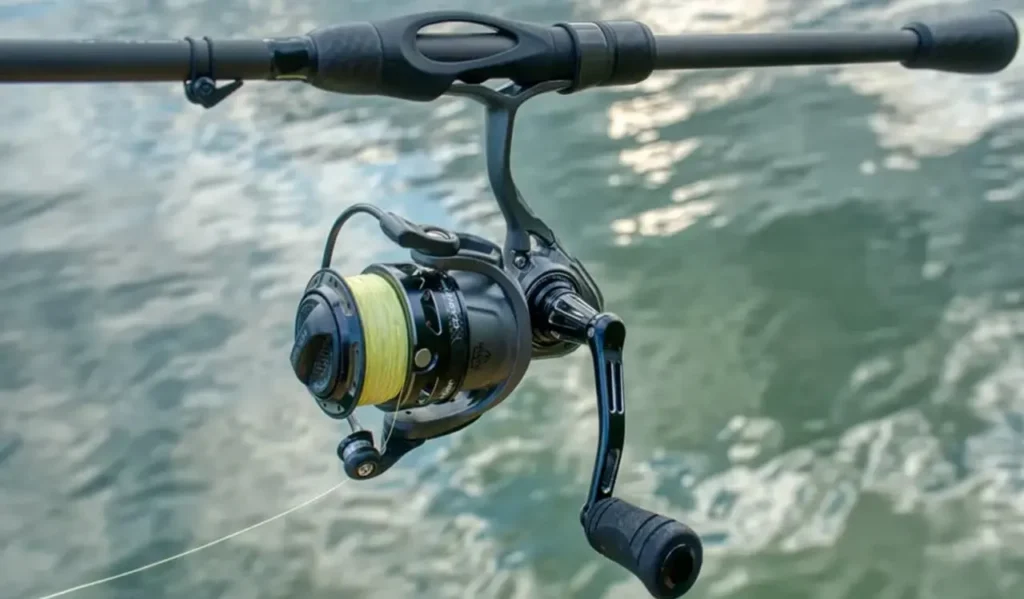
Heavy reels are appropriate with big fish, saltwater and harsh conditions. They offer high power, drag and strength to serious fishermen. A heavy reel will be chosen, allowing it to control and be reliable in prolonged fights and in challenging conditions. Use the fishing goals, species and environment as a guide to make the choice. When selection is done properly, fishing experiences are efficient, enjoyable and productive, and these can be customized to the needs and skill levels of an individual.
Why Trust Us
We have recommendations of lightweight and heavy reel that have been tested over the years in freshwater and saltwater fishing. We do reel performance testing, testing of the drag capacity, testing of casting efficiency and testing of durability under various conditions. Our recommendations are realistic, field-tested and geared towards ensuring that an angler selects reels that best suit his fishing habit, species and level of experience to ensure a constant and dependable performance with each fishing trip.
We examine the trade-offs between convenience, comfort and power to advise angler appropriately. Lightweight reels are focused on ease of transport and less fatigue whereas heavy reel is focused on strength and control. We help to give a good direction to the angler who wants to make informed decisions by trying different brands and materials. Depend on our advice on long-term satisfaction, effective fishing and best performance irrespective of level of skills or setting.
Customer Feedback
Anglers who were using lightweight reels applauded comfort, ease of casting and less fatigue in long freshwater fishing. Traveling angler were enjoying the fact that they were able to travel far and fish in isolated areas with minimum strain. Novices also noted that learning became easier because the structures were lightweight and the drag was easy to handle. Lightweight reels were also found to be suitable by many users as they could be used in lengthy casting or smaller species, without compromising performance.
The users of heavy reels emphasized strength, stability of the drag, and resilience in harsh environments. Anglers have been reported to have been successful in offshore and deep-sea and large-species fishing. The heavy reels were also useful in long fights and heavy presentation of lure. Feedback focused on the strong construction of the reels, their drag and stability and their dependable performance. According to serious anglers, the heavy reels are essential in power-oriented fishing to give confidence and reliability during tough conditions.
FAQs About Lightweight Reel vs Heavy Fishing Reels
Final Thoughts
There are lightweight and heavy reels which are used differently. Light reels focus on freshwater comfort, portability, and ease of fishing of small to medium species, travel, and longer freshwater fishing. They make it less tiresome and easier to handle by an amateur or regular fisherman. Large fish and harsh saltwater conditions demand heavy reels as they are more powerful in drag, strong, and durable, and are more reliable and controllable in tricky situations.
To select the correct reel, one has to consider the type of fishing, fish species and duration of fishing. Light reels are appropriate in recreational and travelling fishing, whereas heavy reels serve the requirements of serious fishingmen in catching big game fish. The right selection will provide pleasant, effective, and fruitful fishing experiences and comfort and performance balancing to suit the needs of an individual and the environment at all times.