How to Prevent Rust On Fishing Reels: Ultimate Guide for Beginners
Learn how to prevent rust on fishing reels with cleaning, lubrication, proper storage, and anti-corrosion sprays for long-lasting, smooth performance.
Fishing reels are prone to rust particularly in salty water. It will destroy internal parts, slow performance and decrease reel life. To avoid rust, cleaning, good storage, and protective maintenance should be regularly done. Basic practices and methods keep reels in good condition, in working order and free of corrosion giving them a long life of many fishing days.
Even the slightest rust can impact on drag systems and bearings resulting in lower efficiency. It is better to prevent rather than cure. The risk is reduced through regular checkups, cleaning up after use and protective coating. The benefit of keeping your reels in good condition is that you save on expensive repairs, keep your fishing reels running smoothly and your gear working at its best be it a fresh water lake, or a difficult offshore saltwater environment.
Clean Your Reels After Every Trip
The initial measure of rust prevention is cleaning the reels after each fishing trip. Wash reels with clean water to take off the salt, sand and debris. High pressure water should be avoided which may force contaminated parts into the reel. Wipe dry carefully using soft cloth and make sure to wipe handles, spools and drag knobs to avoid moisture that can lead to corrosion.
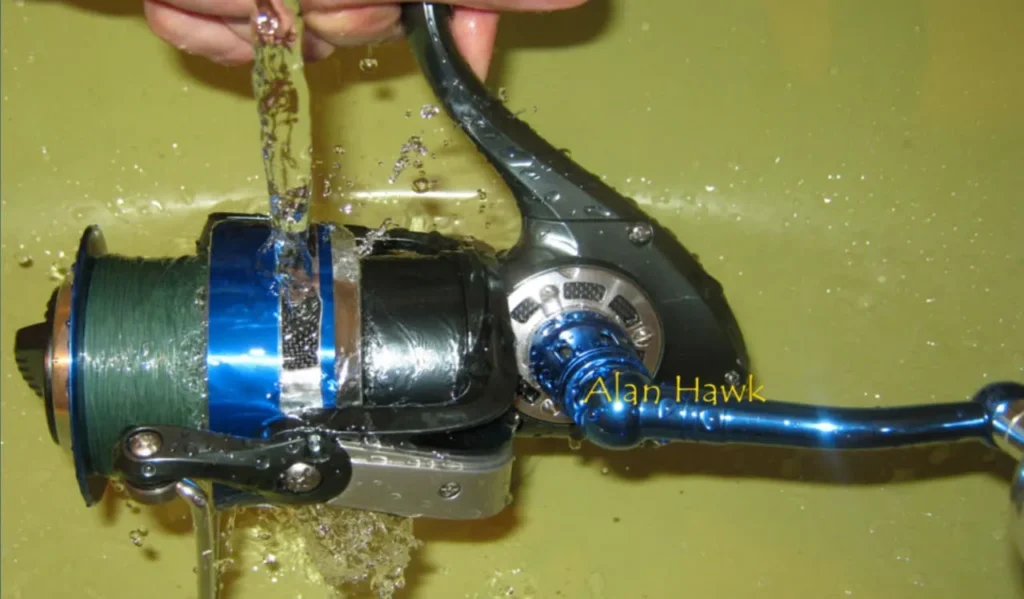
Take the reel apart in case of need to clean internal parts. Wipe a soft brush can be used to clean little crevices. The practice of applying this routine immediately after exposure to water particularly salt water helps in reducing rust greatly and ensuring smooth performance. The basis of long term reel life and good fishing is regular cleaning.
Must-Read Guide for Top Picks of Best Fishing Reels
Lubricate Moving Parts
The lubrication of the reel parts helps to avoid friction and rust accumulation. Apply bearing, gear and other moving part oils and greases which are reel specific. Do not over-lubricate, as it will attract dirt and be damaged. Lubrication ensures the reel runs smoothly as well as provide a protective coating against moisture and corrosion.
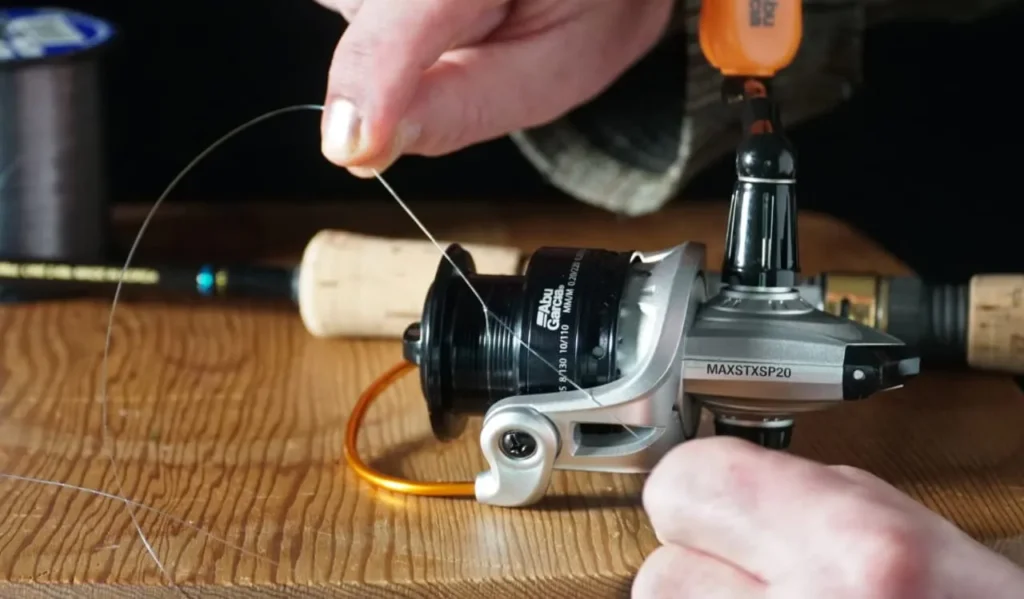
Pay attention to such stress areas as the main shaft, handle knobs and spool bearings. Regular service facilitates drag and easy retrieval. Lubrication followed by cleaning will give longer life to the reels and prevent rusting particularly during fishing in humid or salt waters where corrosion is the most active.
Different Types of Fishing Rods and How to Use Each Rod
Use Protective Covers and Storage
Store reels in protective covers so that they are not exposed to moisture and other contaminants. Reel covers, cases, or plastic bags are used to protect them against dust, humidity and accidental knocks. Keep the store reels in a cool and dry area without direct sunlight which may damage the lubricants and line with time. Rust is prevented at an early stage through proper storage.
Use of reels on fishing rods should not be stored long-term. Store reels by removing them when possible and storing them in padded areas or in special tackle boxes. Proper storage habits help in cleaning and lubrication whereby reels are kept rust-free, functional and always available when you need them next time in either fresh or salt water environment.
Use Anti-Corrosion Sprays
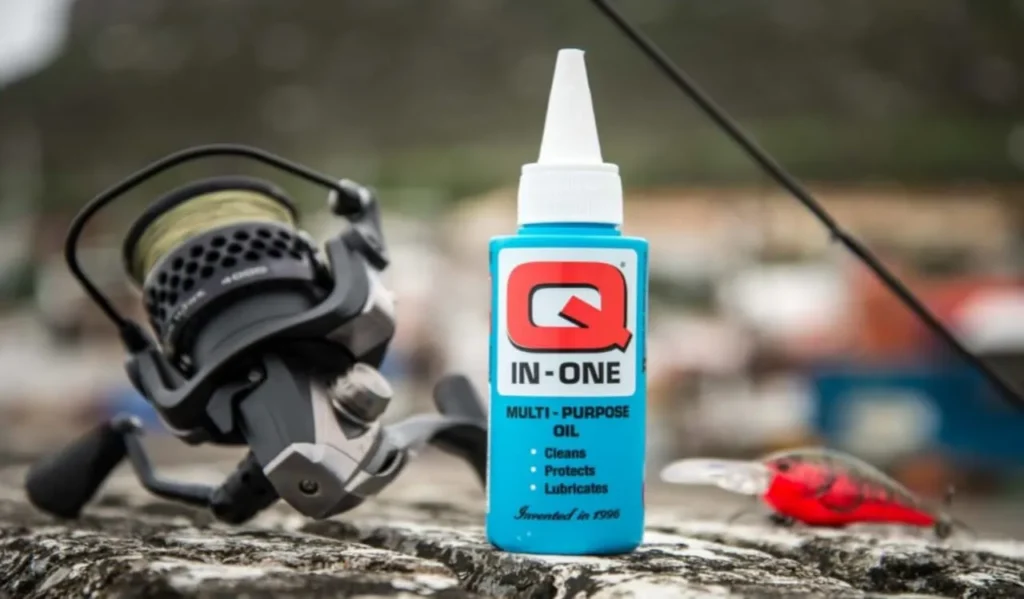
One method that helps in preventing the rusting of reels is through the use of anti-corrosion sprays. Coat external and available internal parts with a corrosion inhibitor that is reel safe lightly after cleaning. These sprays keep moisture off, slow oxidation and create a thin protective coating that increases the life of the reel and ensures a smooth operation as well as minimizes the required maintenance.
Must-Read Guide for Anyone Looking for Top Rods
Always use the instructions of the products and spraying should be avoided. Clean any dirt or dust that may be left on it. Frequent use, particularly when saltwater has been used, is used to ensure the optimum performance and to ensure that corrosion does not gradually ruin bearings, gears or the reel body.
FAQs About How to Prevent Rust On Fishing Reels
Final Thoughts
Rust prevention on fishing reels is less difficult than rust treatment. Cleaning, lubricating, anti-corrosion and protection storage are also major ways of increasing the life of the reel. A regular maintenance schedule will ensure that reels are always smooth, reliable and free of corrosion. These steps will lead to a long-lasting life of their equipment as the angler will be assured that the equipment will work at its best without incurring the expensive price of rust and neglect.
The easiest tricks such as rinsing after visits, drying off and keeping reels intact are protection in the long run. These steps along with the use of quality lubricants and the occasional use of anti-corrosion sprays ensure that reels will last like new. Rust prevention does not only keep the reel in operation, but it also helps to enjoy fishing more, it minimizes frustration and helps to make the most out of the time on the water.