Fishing Reel Maintenance Guide: Ultimate Care and Cleaning Manual
Learn complete fishing reel maintenance. Discover how to clean, oil, store, and protect reels for smooth performance, durability, and longer lifespan.
Maintenance of fishing reels is necessary to ensure good operation, stability and reliability. Dust, salinity, water, and the lack of care decrease the efficiency of reels and decrease their life. The correct maintenance enhances the casting, drag and the ease of retrieval. Knowing how to clean, oil and store fishing reels will help an angler to safeguard his or her investment and to get a consistent performance in the fresh water and salt water fishing environment.
Corrosion, internal damage and mechanical failure are prevented by regular reel maintenance. Most of the anglers ignore the basic maintenance measures, which results in low performance and expensive repairs. A reel that is properly maintained works silently, casts further and deals with fish easily. Basic maintenance methods also enable an angler to prolong the life of the reel, minimize failure and to be able to fish at any time in any condition.
Why Reel Maintenance Matters
Precision parts are present in the fishing reels and must be handled. Friction and wear are brought about by dust, sand, and salt accumulation. The reels become rough and unreliable in drag unless they are maintained. Internal parts are maintained by regular cleaning and lubrication to ensure that they operate properly. Proper maintenance will provide good performance, eliminate sudden failures and give the angler time to concentrate on fishing.
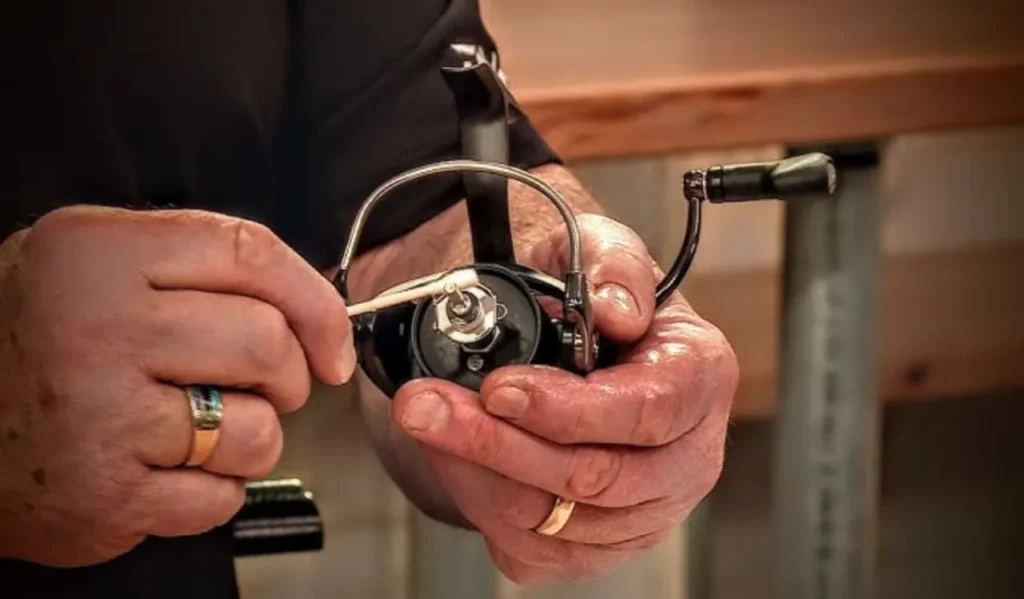
Unmaintained reels are subject to corrosion, gears with noisy operation, and drag pressure disequilibrium. These problems influence the distance of casting and fish-fighting power. Maintenance guards against the damage of internal bearings and gears. Through reel care, the angler saves on money, repairs, and also keeps their reels at their best efficiency season after season in diverse fishing conditions.
Types of Fishing Reels
Spinning and baitcasting, as well as conventional reels, need to be maintained and slightly different in design. Spinning reels are provided with naked spools and line rollers that require regular cleaning. Baitcasting reels have many more internal components that are to be lubricated with care. Traditional reels are used to lift heavy loads and drag system must be taken care of. Knowledge of reel type assists anglers to use proper maintenance methods in a safe manner.
Must-Read Guide for Top Picks of Best Fishing Reels
Every type of reel possesses distinct parts of the reel that are likely to wear off. Spinning reels store the debris of line twist, baitcasters store dust internally, and conventional reels are exposed to salt. Damage is avoided by using the right maintenance scheme. Being aware of your reel type will be able to properly clean, lubricate and store your reel and increase the durability and performance in various fishing styles and conditions.
Basic Tools for Reel Maintenance
Correct equipment simplifies and reduces the risks of repairing reel. A toothbrush, small screwdrivers, reel oil, reel grease and soft cloths are required. Household oils should be avoided because they attract dirt. Clean workspace will allow one not to lose small parts. The right tools are used to clean and lubricate without breaking the fragile parts of the reels.
Reel maintenance supplies are also important since they enhance consistency. Parts are not built up by reel-specific oils and greases. Softer brushes do not scratch off debris. Structured tools minimise mistakes in disassembling. Anglers can easily carry out basic maintenance with simple tools to maintain the smooth and reliable reels, and hence the reels are always at the ready during every fishing adventure.
How Often to Maintain Your Reel
The frequency of maintenance is dependent upon usage and environment. Freshwater reels require simple cleaning after a number of trips. Saltwater reels have to be washed down after each use as they can be corroded. There is an increased frequency of lubrication required when used heavily. Frequent checkups allow minor problems to be corrected before they escalate into major challenges and ensure that reels last long and deliver the same performance.
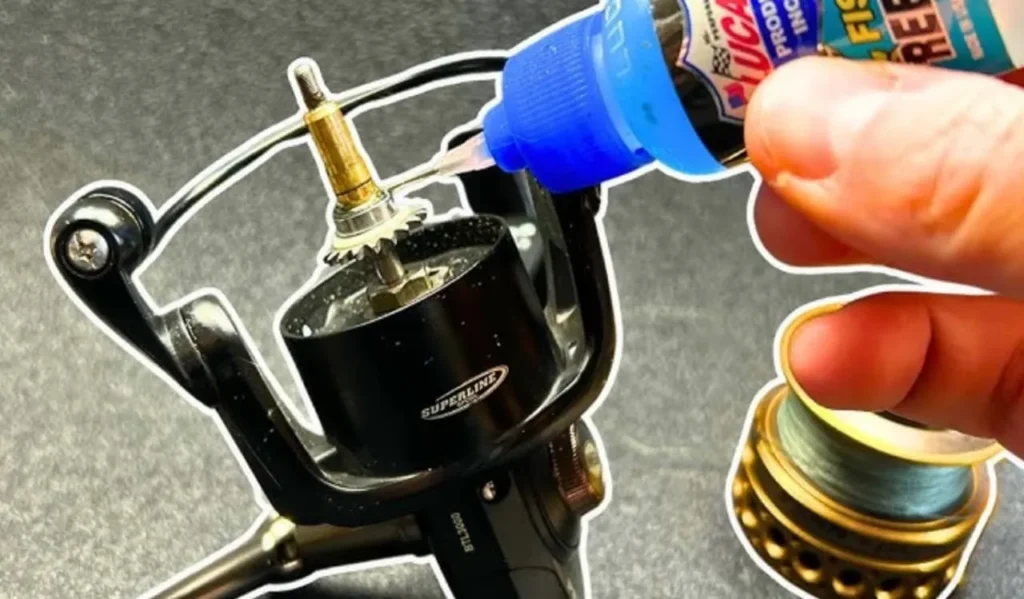
Maintenance can be done by occasional angler, and the cleaning of reels by regular angler should be performed once in a month. Immediately, it is necessary to take care after contact with sand or salt spray. Routine will bring in reliability. Adequate scheduling will balance out the performance and effort and maintain reels smooth, quiet and reliable during the fishing season without unjustifiable wear.
Cleaning the Exterior
External cleaning cleanses soils, salts and dirt before they get to the internal parts. Wipe the reel body, handle and spool with a damp cloth. Do not use high-pressure water, which causes moisture to get in. Light cleaning helps to preserve finishes and avoid corrosion and keep reels aesthetically clean and mechanically intact.
To use in salt water, rinse a little with fresh water, dry thoroughly. concentrate on handle knobs, bail arms and line rollers. External cleaning each time it goes out will help avoid accumulation. Basic surface maintenance goes a long way in minimizing the wear and tear and makes sure that the reels are maintained in good condition, look appealing and are not damaged by the severe weather conditions.
Cleaning the Interior
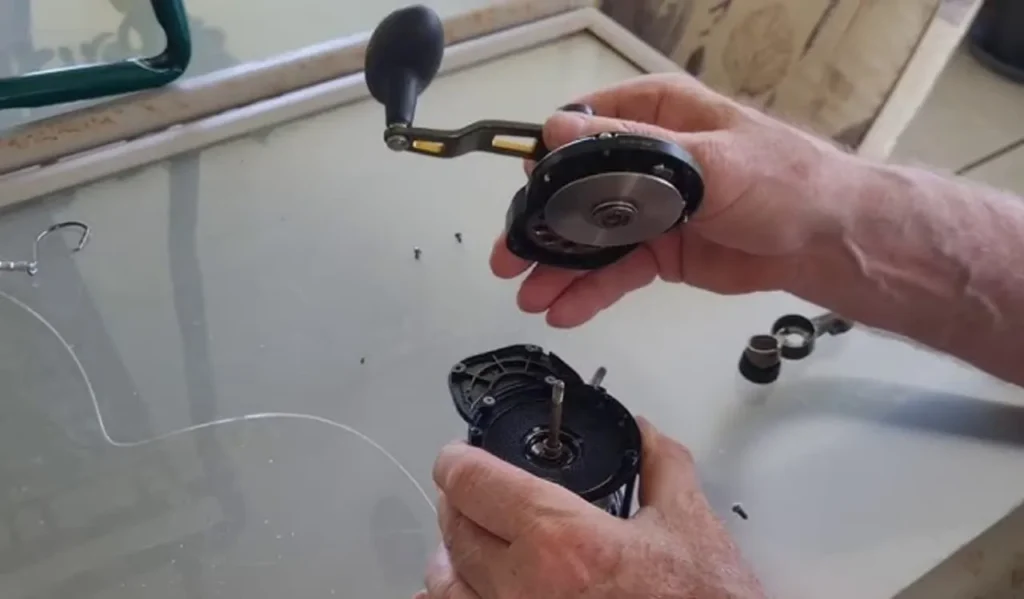
Cleaning inside the building is done with a keen dismantling according to the instructions given by the manufacturer. Eliminate side plates, spools and available parts. Clean the dirt and old grease using soft brush. Do not dissemble without experience. Internal cleaning can also provide smoothness and avoid grit scars on gears, bearings and drag systems with time.
Apply little liquid detergents and wipe off. Screws should be kept tidy so as not to be confused. The cleaning of the interiors should occur periodically and not after each trip. The best internal service enhances performance and increases the reel life. In case of doubt, only clean the parts which are available or get it serviced by a professional.
Lubricating the Reel
Lubrication helps in reducing friction and in guarding the moving parts. Apply bearings, handle knobs and line rollers with reel oil. Apply sparsely reel grease on gears. Excessive lubrication will attract dirt and decrease performance. Proper lubrication helps the smooth working, silent retrieval, and consistent drag functioning in the different fishing conditions and fishing techniques.
Always apply reel specific lubricants that are meant to be used in fishing equipment. Household oils are easy to disintegrate and destroy parts. Use little quantities in accuracy. Lubrication keeps the efficiency and wear off. Balanced lubrication ensures reels are smooth, responsive and reliable to improve the performance of the casting and fish-fighting performance during the season.
Drag System Care
Fish fights are controlled by the drag system to release the lines. Washers Clean and check wear. Drag washers should not be oiled unless the manufacturer says so. Even drag eliminates line breakage and fishing rod stress. It is important to maintain good drag to be able to deal with strong fish in a safe and efficient manner.
Must-Read Guide for Anyone Looking for Top Rods
Drag smoothness is subject to salt and dirt. Regular check up provides evenness of pressure. Change the worn washers immediately. Proper hook handling enhances fish control and hook retention. A well-maintained drag system gives confidence if it is aimed at big or hard-fighting species whether in fresh or saltwater.
Line Roller and Bail Maintenance
Line rollers direct line through retrieval and are likely to accumulate dirt. Wipe them with clean and oil to avoid the twisting and abrasion of lines. Bail arms to be opening and closing easily. Failure to address these aspects leads to poor lay of lines and casting performance. Basic maintenance enhances the management and efficiency of the line.
Check bail money flows like a charm. Clean debris around hinges. Light oil guarantees the steady flow. While line rollers and bail systems need proper maintenance, the maintenance will enhance the casting distance, minimizing the damage to the line, and smooth operation of the line rollers and bail system during repetitive casting and retrieval.
Storage Tips for Fishing Reels
Good storage is used to cover reels during off-seasons. Keep store reels in cool and dry places and not in the sunshine. Adjust the drag settings to disengage the washers. Wrap reels in order to keep dust off. Corrosion, drag compression, and cosmetic damages are avoided by proper storage, which ensures that reels are available whenever they are needed.
Different Types of Fishing Rods and How to Use Each Rod
Do not store wet and/or under tension reels. Check stored reels periodically. Before storage, it will be light oiled to provide protection. Proper storage practices will increase the longevity of the reels and will also minimize the maintenance requirements. Properly stored reels are more effective as they can be retrieved to action after many idle periods.
Common Reel Maintenance Mistakes
The most common mistake is using excessive amount of oil or grease. Excessive lubrication is a source of attraction of dirt and poor performance. The other mistake is that of using household cleaners or oils. Water is forced in reels by high-pressure rinsing. Wear can occur due to disregard of maintenance schedules. It is best to avoid these errors in order to have smooth and reliable reels.
Breaking down reels without any knowledge may lead to loss or damage. It is problematic when various lubricants are mixed. Omission of drag care decreases efficiency of fish-fighting. Knowledge of the correct methods will save on expensive maintenance. Proper maintenance procedures secure reels and enhance long term performance of all the fishing styles.
FAQs About Fishing Reel Maintenance Guide
Final Thoughts
Performance, durability, and reliability of fishing reel require maintenance. Frequent cleaning, maintenance by lubrication and storage help in avoiding damages and prolonging the life of the reels. Basic care routines enhance the smoothness of the casting and the consistency of the drag. By keeping their reels, the angler has fewer repairs, improved performance and increased successful days on the water regardless of the setting.
Spending time on repairing reels is a cost and time-saving. The knowledge of reel parts and maintenance procedures enables the fisherman to maintain the equipment in a good condition. Spinning, baitcasting, or conventional reel, always maintain it properly and it will always run smoothly. Properly cared reels will work better, last longer and add enjoyment to the fishing season after season.