Guide to Fishing Knots for Beginners: Best Tips and Guide to Essential Knots
Learn the Beginner’s Guide to Fishing Knots including clinch, Palomar, Uni, loop, and Snell knots. Simple steps for strong, reliable fishing connections.
Fishing knots are among the most significant skills every novice should acquire to become a successful fisher in the water. The knot can break even of the most expensive rods, reels, and fishing lines. Novices lose fish due to knots that are not tied properly. Acquiring good and simple fishing knots in the early stages give confidence, less frustration, and high chances of catching fish.
Fishing knot is used to ensure that the hook, lure or swivel is securely knotted and not lost when a powerful fish is pulling. This resource provides the most appropriate fishing knots that beginners can use as they have easy to remember and tie up methods. These knots have been combined with monofilament, braided, and fluorocarbon lines. These knots are the key to having mastery of hook-sets, reduced break-offs and improved fishing experiences.
Why Fishing Knots Matter
The knots that you use in fishing directly help to decide the strength of your bond between the fishing line and the hook or lure that you are using. An untied knot is weakly tied and may end up failing at any moment when one is fighting. Not even the finest fishing-line is strong at the knot. Knowing how to tie the correct knots will save your equipment and also enable you to lose precious fish when the moment has passed.
Must-Read Guide for Anyone Looking for Top Rods
Fishing knots are strong knots that enhance the ability of the hook to set and minimize the slippage during the casting and retrieving process. The right knots also serve in ensuring that the lures move naturally in water. When novices learn to tie knots at an early age, they can enjoy a low rate of line breakage, lost lures and hookups. This enhances confidence as a whole and increases the performance of fishing in the long-run.
The Improved Clinch Knot
One of the most popular knots used by an amateur is the improved clinch knot. It is created to be able to hook on swivels and lures to the fishing line. This is a simple knot to master, is dependable and can be utilized very well with monofilament and fluorocarbon lines in most freshwater and light saltwater fishing.
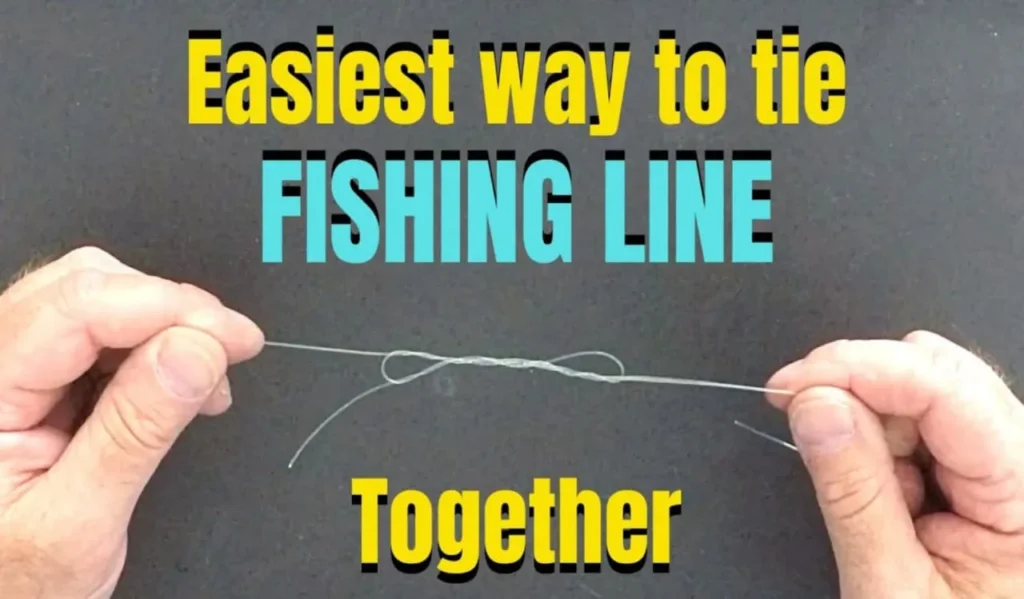
To knot the better clinch knot, run the line through the hook eye, then 5 times round itself, then round the small hole and then pull tight by passing it through the little hole. This knot has a good gripping ability and it does not slip easily. It is the knot that every novice should know very well.
The Palomar Knot
The Palomar knot is regarded as a strong and simple knot. It works well with braided fishing lines but also works well with monofilament and fluorocarbon. This knot is trusted by many seasoned angllers and they do not fail easily when properly tied and tightened since it has retained a very high percentage of the original strength of the line.
To make the Palomar knot, make the line two times, loop the line across the hook eye, make the knot of an overhand and then loop the line over the hook and pull the knot taut. It is a very strong knot and very quick to tie. It is ideal to those who are novice and desire the maximum strength with minimum efforts.
The Uni Knot
Uni knot is an example of a very useful fishing knot that a beginner can learn. Hooks, lures and swivels are attached to it, which can also be used to connect two fishing lines. It is universal and can be used in a variety of fishing incidents as it can work with monofilament, braided and fluorocarbon lines.
Must-Read Guide for Top Picks of Best Fishing Reels
To make the Uni knot, take the line through the hook eye, loop the line and then wrap the tag end around the doubled line a few times and then pull tight. The Uni knot forms a knot that forms a strong, smooth knot that passes through guides easily and holds on during fights with strong fish.
The Loop Knot
The loop knot is applied in case the angler would like his lure to move freely and naturally in the water. In comparison with fixed knots it makes a small loop, and the lure swings and darts more realistically. This enhanced movement assists in attracting strikes on the reluctant fish particularly when crankbaits, jerkbaits and soft plastic lures are employed.
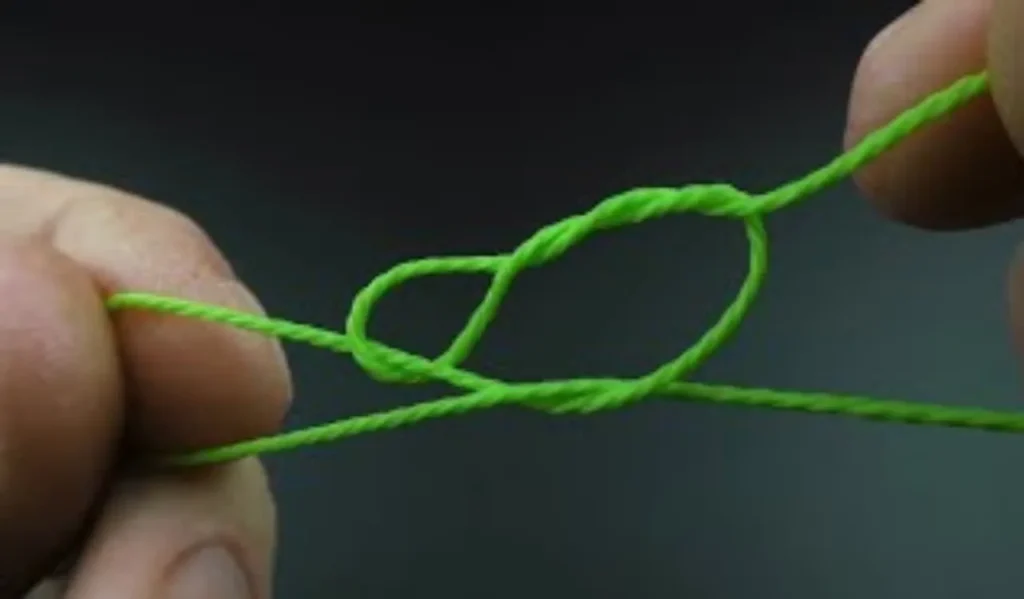
When making a loop knot, first make a small loop in the line, then take the tag end and through the lure eye, and then around the main line a number of times and then stretch it tight. The beginners are to practice slowly to ensure that the loop size is controlled appropriately. The right size loop will guarantee more action on the lure and less line failures.
The Surgeon’s Knot
Surgeon knot is a simple and fast knot mostly used to connect two fishing lines. It is also applicable particularly in the production of leaders or extending your main line without complex methods. This knot is most effective on monofilament and fluorocarbon lines, and this knot is also popular, as it is quick, powerful and simple to master.
In order to knot the Surgeon, place the two strings side by side, make a loop, and take each of the tag ends through the loop twice and tighten. A small and secure knot is produced by the knot. It is well held under moderate pressure and slides through guide rod during the casting and retrieving processes.
The Arbor Knot
Arbor Knot is the knot that is used to attach a fishing line to a reel spool directly. It is the first knot which is knotted when filling a reel with fresh line. When this knot is loose, the line can slide around the spool resulting in low drag efficiency particularly when struggling with a strong fish that makes long, powerful pulls.
Different Types of Fishing Rods and How to Use Each Rod
In order to make the Arbor Knot, loop the line over the spool, loop an overhand knot over the main line and loop one more overhand knot over the tag end. Tighten toward the spool. This knot is a tight knot that will not cause the line to spin freely on the reel.
The Blood Knot
The Blood Knot is a knot that is used in connecting two fishing lines with the same diameter. It is known to make leaders and extend main lines without including overweight connections. It is a thin knot that fits well through rod guides and is therefore applicable in spinning and fly fishing rigs whereby movement of the line must be smooth.
In order to tie the Blood Knot, cross the ends of the lines, wrap both ends of the tags around the opposing lines a few times, pull both ends through the middle and tauten them. This knot is practicable, though creates a tight yet powerful bond that works well when there is consistent pulling force.
The Snell Knot
Snell Knot is made to hook live bait and gives better hook-setting force. The line is not tied directly to the eye, but rather goes around the hook shank so that the hook can be in a perfectly aligned position at the point of strike. This position aids in pushing the hook further into the mouth of the fish when it is pressed.
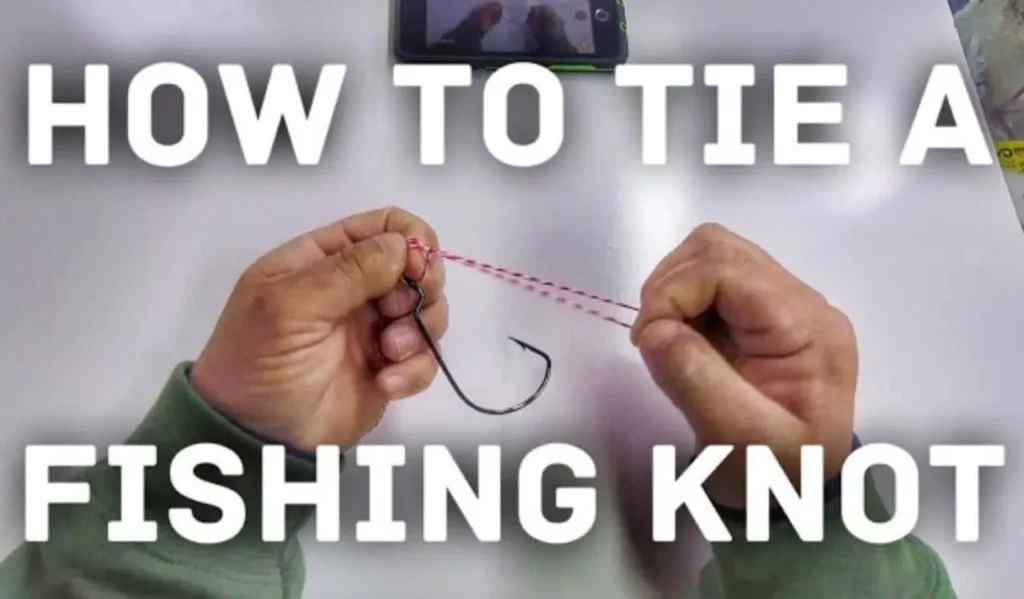
The Snell Knot can be knotted by passing the line through the hook eye, and then over the shank, twisting it round the hook a number of times and knot it. This knot is particularly common in catfish, carp and live bait fishing as it is much more effective in hooking the fish.
How to Practice Fishing Knots Correctly
Fishing knots When a beginner practices knots, it allows him time to become fast, consistent, and confident. Begin with heavy rope or old fishing line to get acquainted with the hand movements. After becoming familiar with the motions, replace the motions with real fishing line and smaller hooks. Learn better in a well-lit environment with good concentration.
It is advisable to always pull every knot before applying it on the water. Damage by friction is avoided by wetting the knot prior to tightening. The repetition of every knot will create muscle memory. The regularity of practice makes knots strong even when they are under pressure, which minimizes lost fish and equipment breakages in the actual fishing conditions.
FAQs About Beginner’s Guide to Fishing Knots
Final Thoughts
The actual basis of every successful fishing setup is fishing knots. However sophisticated your rod and reel are, a weak knot can bring you down at a time when it is the most needed. With the knowledge of some powerful beginner knots, the angler will feel more secure, with the loss of gear being minimized, and the likelihood of more fish being caught each time will be higher.
Fishing knots cannot be mastered by strength, but through practice. Through constant practice, the novice learners soon acquire speed and precision in knotting dependable knots. When these knots are mastered as a routine, then the angler is free to concentrate on presentation, detection of bites and control of the fish. Good knots result in good hookups and increased fishing success.