How to Cast for Surf Fishing: Ultimate Guide for Beginners
Learn how to cast for surf fishing. Master rod, reel, line, and lure techniques to improve distance, accuracy, and catch rates in ocean surf conditions.
Surf fishing is fishing performed on land into the oceanic waters in order to fish in the surf area. Correct casting, choice of equipment, and presentation of lures are very important factors that lead to success. By learning these skills, it is possible to get longer casts, higher accuracy and higher hook-up rates. The practice makes fatigue less during the long sessions and the angler can fish in the dynamic surf conditions.
Fishing in the surf is not similar to freshwater fishing because of waves, tides, and wind. The angler has to think about the movement of water, sand and the weight of the lure. Accuracy and distance are enhanced by proper techniques, which are combined with appropriate rods, reels and lines. Over time, surf casting creates confidence and helps to boost productivity making difficult ocean conditions to become productive fishing opportunities to the angler.
Selecting the appropriate Rod and Reel
A surf rod of 10 -13 feet is the best to have the highest casting range. Medium-heavy rods with fast action tips are useful in dealing with large fish and in keeping off waves. The longer rods are easier to cast with and they offer leverage which makes the casting a little easier. The right weighted rod will enhance the precision, stamina and performance in the duration of surf fishing in beaches and coastal waters. A rod should be matched with a spinning reel that is resistant to corrosion or a standard surf reel, which has smooth drag.
The best fishing reels with the capacity of 200-300 yards of the line permit to cast further into the surf. Balance and control and durability are ensured with proper rod and reel combination. The characteristics are critical in case of fishing in the complex surf conditions of the ocean, where the waves and the wind may influence the performance of the casting and the positioning of lures.
Must-Read Guide for Anyone Looking for Top Rods
Selecting Line and Lures
Surf fishing is normally done with braided or monofilament lines. Braided lines offer low elasticity, high tension, and a great range of casting, whereas monofilament offers shock absorptive properties to fighting fish. The choice of line is determined by the species, surf conditions and the weight of the lure. The correct choice will guarantee a smooth cast, improved control and limit the tangles in the line due to ocean waves and currents.
It is also important to pick the lure. Surf fishing often involves the use of spools, jigs, plugs and soft plastics. Waves can be controlled and the distance covered by heavier lures. Line and lure weight matching are used to make casts more accurate and enhance hook-up. Fishing lures are also properly chosen to avoid miscasts, lost tackle, and to increase the rate of catching in difficult surf conditions.
Casting Technique Basics
In the case of surf casting, the rod should be held at a 45 degree angle. Draw the rod back gently and then hasten forward and shoot the line off at the correct moment. Depending on wind and personal comfort sidearm or overhead casts can be used. Fluid movement means more distance, less backlash and it is smooth and precise in positioning the fishing lure into surf feeding areas close to the breakers.
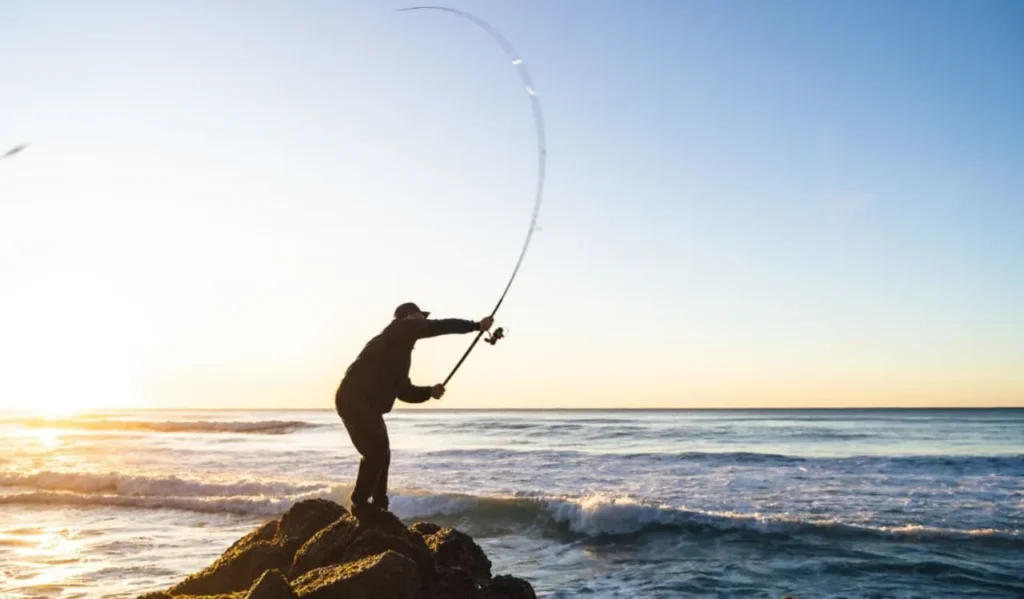
Pay attention to time and rhythm not to splash and not to have tangles. Keep on repeating the casting movement with varying weight of the lures to form muscle memory. The controlled casting enhances distance and accuracy enabling lures to drop in target areas in their natural manner. Technique learned by repetition enhances confidence and general performance particularly in fighting wind, waves, and heavy currents in surf fishing.
Must-Read Guide for Top Picks of Best Fishing Reels
Adjusting for Wind and Waves
The casting distance and accuracy is influenced by wind direction. To keep in control, it is better to cast slightly upwind or at a quarter angle. When waves are experienced it may be necessary to reduce the rod tip to maintain line tight and minimise slack. The casting movement technology is designed to adapt to the wind conditions and the surf conditions, which ensures that lures arrive to the feeding areas and minimise the risk of backlash or incorrect placements of the lures during fishing.
Powerful winds may blow the lures off track or decrease distance. Compensate by adjusting rod angle, lure weight and when to cast. Surf conditions, which can be read and the existing pattern comprehended, enhance casting success. Anglers can always access target areas, control line, and introduce lures in their natural habitat and thereby maximize catch potential in unpredictable coastal conditions by adjusting to the wind and waves.
Using the Right Tackle Setup
Fishermen need terminal rigs like fish-finder rigs, pyramid sinkers and wire leaders in surf fishing. These arrangements keep baits in the water that is on the move and the line does not get tangled in the waves. Correct tackle provides stabilized lure presentation and higher rates of bites by holding bait within the strike zone despite the violent surf and currents in the lure movement in natural situations when fishing.
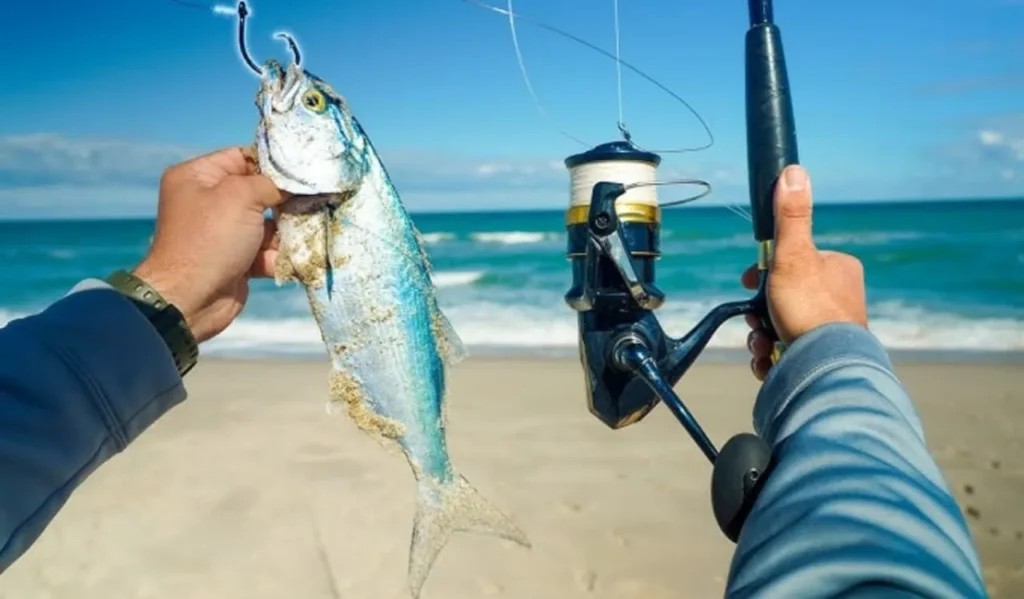
Casting distance is also influenced by the choice of tackles. Stronger sinkers hold the wave together, and the powerful ones keep off the sand, or the rocks. Balanced rigs are more accurate, line controlled, and hook-up. The proper equipment enables the fisher to cast effectively and fish further in the surfs, which enhances the overall output when fishing along the shoreline.
Being Balanced and Staminated
Surf casting is an exercise that needs stamina and good positioning to manage waves and wind. Shoulder-width position feet, slightly bend on the knees, and torso rotation during casting. Proper body mechanics will decrease the fatigue and permit longer casts. Balance is important to ensure that the lure is placed correctly and to avoid undue strain particularly when fishing over a length of time in beaches and tidal areas.
When casting repeatedly, alternate sides and use both arms so that there is no fatigue of muscle. Be calm and keep it under control, rhythmic movement in order to conserve the maximum energy. Correct position and movement enhance the accuracy of the cast, minimize errors, and increase the comfort of the long surf session. Strengths and skills combined enable the angler to fish longer without affecting performance or catch rates.
Different Types of Fishing Rods and How to Use Each Rod
Distance-Accuracy Practice
Surf casting is an art that is mastered through practice. Begin with brief, restrained casts in order to build rhythm and purpose. Slowly extend the range, and counter wave and wind. Accuracy in practice is to make sure that lures are deposited in a feeding area such as breakers, channels and drop-offs. The muscle memory that occurs during training enhances the distance and accuracy in actual fishing field trip.
Experiment with the weight of the lures used, the angles of the rod and the types of lines. Notice the impact of the surf conditions on the trajectory and make changes. Repetition assists the angler in forecasting lures in the wind and waves to make it efficient and effective. Surf fishing can be achieved with much intensity, productivity, and pleasure, even in the harsh coastal environment through dedicated practice.
FAQs About How to Cast for Surf Fishing
Final Thoughts
Success in surf fishing depends on techniques, rod and reel choice, line and lure choice as well as practice. Knowledge of surf, wind, waves and tide variation will enable the angler to cast without errors and wastage of time. Having these skills enhances the rate of captures and decreases exhaustion, hence making surf fishing more effective, fulfilling and enjoyable to all types of fishermen.
Experience assists the angler to adjust to the prevailing conditions of the surf, change the casting direction, and use the right lure. With practice, skill, confidence and accuracy are developed. Through knowledge, technique and endurance, surf anglers are able to reach the greatest distance and location, effectively accessing feeding areas, and to improve their likelihood of catching fish in difficult coastal conditions.