How to Fish Bass with Spinning Gear: Ultimate Guide for Beginners
Learn how to fish bass with spinning gear using proper rod, reel, line, lures, and techniques to target freshwater bass effectively.
One of the most common freshwater fishing methods by both amateur and professional fishermen is fishing bass using spinning equipment. The spinning rods and best fishing reels are versatile, precise, and easy to handle. Knowing the behavior of bass, their favorite habitats and feeding behaviors aids an angler to select the most suitable lures and methods to ensure the successful capture of bass in lakes, ponds, rivers, and reservoirs.
Spinning gears are best suitable in finesse fishing, soft plastics and light lures. It enables good casting under cover, vegetation and structures on which bass tend to take shelter. With the correct rod and reel configuration, the choice of line, and the presentation of the lures, the angler may get maximum catch rates and still retain control in the rapid strike and violent fish struggles.
Choosing the Right Rod and Reel
The choice of the best fishing rod is essential to bass fishing success. Six to seven feet long medium to medium-light rods are sensitive, cast accurately, and controlled. Combining the rod with a good spinning reel is a guarantee of a smooth drag, retrieval of the line as well as durability, which is critical when facing off freshwater bass.
The line capacity and weight of the lure should be equal to the size of the reel. Smaller reels are good when using light lines and finesse techniques whereas the heavier baits and long casts are done with larger reels. The combination of a rod and reel ensures better accuracy, less fatigue and high possibility of catching bass effectively in both shallow and deep water.
Must-Read Guide for Anyone Looking for Top Rods
Line Selection for Bass Fishing
The choice of line is an important component in spinning gear bass fishing. Monofilament lines are soft and cost effective whereas fluorocarbon is almost invisible and resistant to abrasion. Braided line is very strong to be used in heavy cover or deep-water fishing. The right line enhances the distance of casting, hook-ups and presentation of the lure in different habitation of bass.
Weight of line must be equal to the lure weight and rod weight. Light lines are used to present small presentations in the midst of vegetation, and heavier lines are used to deal with bigger bass and cover. Effective hook sets and break-offs are also avoided by proper line selection. Such LSI keywords as bass fishing line and line strength highlight their role in the success of freshwater bass.
Lure Selection for Bass
To be successful, bass must select the lure. Worms, craws and creature baits are examples of soft plastics and are effective in finesse presentations. Best lures to use when making aggressive strikes are crankbaits, spinnerbaits, and topwater lures. Correct lure type, size and color to the water and bass activity enhances the strike rates and the catch rates in general.
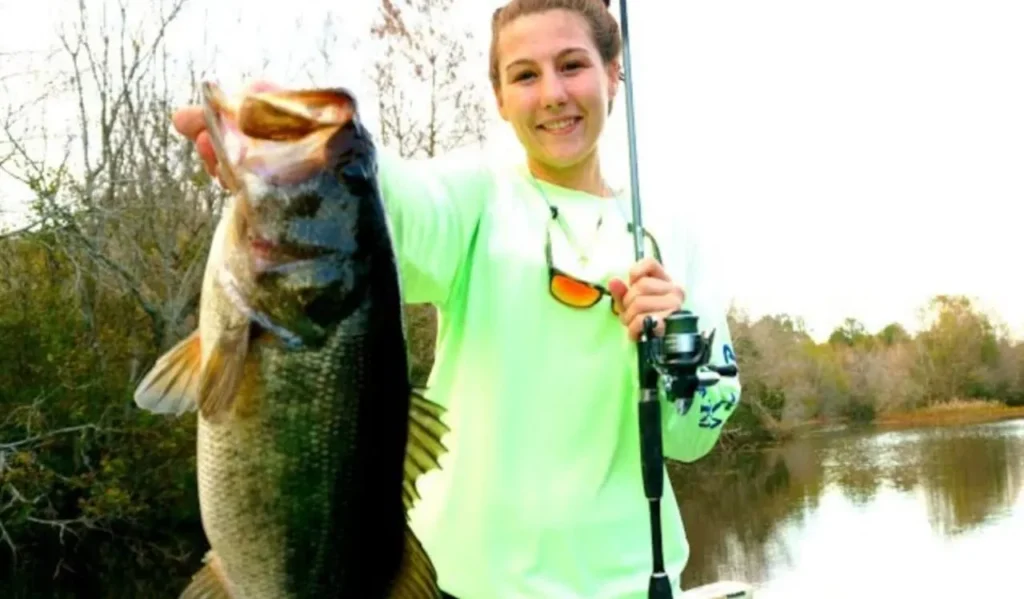
Finesse lures are usually used to get slow retrieves and reaction strikes are often provoked by active bass with fast retrieves. Clear water means using natural colors and murky conditions means using bright colors. Keywords used in LSI such as bass lures and lure presentation have highlighted the direct connection between the proper selection of lures and the success of the strike and the efficiency of the angler.
Understanding Bass Behavior
Bass are ambush predators that like to be covered by the underwater logs, plants, rocks, and drop-offs. They are very active in the low-light conditions such as dawn and dusk. It is also possible to know their feeding habits so that the angler can locate lures in the feeding areas to get a high possibility of hook-ups. The behavior of the bass is also influenced by the seasonal patterns.
During spring, bass are spawned in shallow water and heat in summer drives them to deeper waters. Monitoring the water temperature, clarity and structure assists the angler to forecast the feeding behavior. LSI keywords such as freshwater bass and bass habitat point to the significance of researching into fish behavior as a means of effective fishing.
Must-Read Guide for Top Picks of Best Fishing Reels
Casting Techniques for Spinning Gear
When fishing bass on spinning gear it is important to cast accurately. Side arm, overhead and pendulum casts can be done with precise lure placement in regard to cover. The short and controlled casts do not spook bass, and the lure works as long as it can. The correct casting enhances hook-up and saves on wasted energy in the fishing session.
It is important to adjust the distance between the casts. Cast a little ahead of the area of feeding and retrieve in probable feeding areas. Do not splash or act suddenly. Timing, accuracy and confidence are enhanced through regular training using spinning rods. LSI keywords, such as casting accuracy and lure presentation, increase the knowledge of the correct way of fishing bass.
Retrieval Techniques for Bass
Bass strikes are influenced by the speed and style of retrieval. The slow, steady retrieves mimic natural prey and attract timid bass. Rapid and unpredictable retrieves cause violent responses in active fish. The mixing methods enhance the probability of strike in different conditions and levels of bass activity.
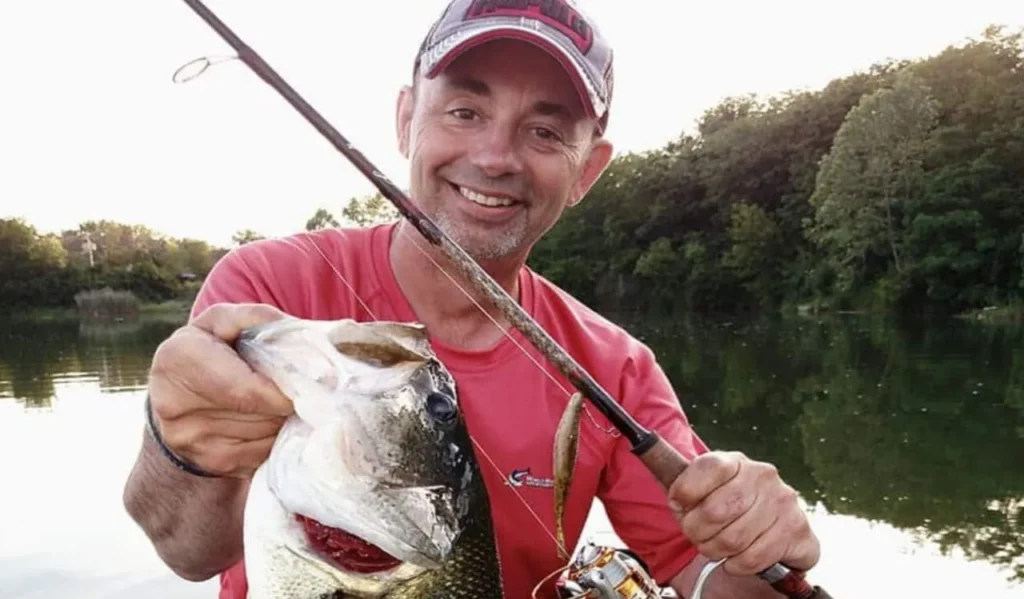
Stopping or jerking of the lure in the retrieve may resemble a wounded animal. Tune strategies depending on water clearness, water temperature and the conduct of the bass. LSI keywords such as lure action and bass fishing techniques are highlighted on how the right way of retrieving will lead to success and proper utilization of the spinning gear in various fresh water habitats.
Fishing Around Structures and Cover
Bass can be found close to the buildings such as weed beds, fallen trees, rocks, and docks. By casting in these areas, the probability of strikes is enhanced. Light tackle is used to get lures into cover and the fish are not spooked. Bass presence can be observed through the presence of shadows and movement.
Thick cover is best rigged using soft plastic and finesse. Snagging can be avoided by the use of weedless hooks and slow retrieves. LSI keywords such as fishing near cover and bass ambush behavior emphasize on the significance of targeting structure in order to enhance the catch rates effectively.
Different Types of Fishing Rods and How to Use Each Rod
Seasonal Strategies for Bass
The feeding patterns and places of bass are influenced by seasonal changes. The spring activates spawning in the shallow waters, summer causes the bass to be deeper and the fall makes them feed more to prepare to winter. The use of different lure types, retrieves and presentation based on the season increases chances of success.
Temperature and transparency of water are monitored to predict the activity of bass. In colder seasons, slower retrieves and deeper presentations are more productive whereas in warmer seasons the action can be fast and topwater can be used. Keywords such as seasonal bass fishing and bass behavior used in LSI help to underline the necessity to adjust strategies.
FAQs About How to Fish Bass with Spinning Gear
Final Thoughts
Spinning gear bass fishing involves accuracy, patience and expertise. the correct rod, reel, line and lure will increase the accuracy of the casting and hook-up rates. Learning the behavior of bass and its patterns in accordance with seasons will enable the angler to be productive and effective in the fresh water fishing trip.
Techniques are perfected by practice and observation. Spinning gear offers flexibility to a wide range of presentation, as well as cover types. Learning to cast, retrieve and select the lure enhances landing, line breakage and gives the freshwater bass fishing enjoyable and consistent experiences.