How to Fish for Crappie with Ultralight Rods: Ultimate Guide for Beginners
Learn how to fish for crappie with ultralight rods using the right rod, reel, line, lures, and techniques for lakes, ponds, and rivers.
The crappie are schooling fish which are usually found in lakes, ponds, and slow moving rivers. They like submerged objects, piles of brushes, docks, and shrubs and attack small objects. Ultralight rods are also preferable since crappie tends to be a soft biter. The best fishing rods also enable the angler to easily sense light bites when using small baits which are presented in a natural way which enhances the hook-up rate without scaring the fish in clear water situations.
Crappie feeding habits vary according to seasons and temperature of water. They shall go shallow during warmer months to spawn and deeper when it is colder. Ultralight rods allow sensitivity to make presentations at various depths. The knowledge of the crappie locations and their response to the movement of the bait will enable the angler to locate lures correctly, retain control and harvest more crappie in different freshwater conditions.
Choosing the Right Ultralight Rod for Crappie
To fish crappie successfully, it is necessary to choose the appropriate ultralight rod. Five to seven foot rods provide the most appropriate combination of casting accuracy, sensitivity, and control. A quick or moderate-quick strike will assist in picking up slight bites as well as offer sufficient backbone to place hooks with gentleness. Light weight rods also alleviate fatigue and enable the angler to fish at length without losing accuracy and control.
The material of rods is an important factor of performance. Graphite ultralight rods are highly sensitive hence soft bites of the crappie are easily felt. Fiberglass rods are durable and flexible and this may be of benefit to the beginner. The right rod to your reel is a well balanced rod that will enhance the accuracy of your casting and control of your jig. The correct rod choice will increase the presentation of the bait, decreasing the number of missed hits, and increasing the overall success rates when fishing crappie on a regular basis.
Must-Read Guide for Anyone Looking for Top Rods
Selecting the Best Reel and Line
Spinning reels are the most preferred type of ultralight crappie fishing as they are easy to use and operate. Light line can be managed by using small reels with good drag systems so that the angler can manage them. Smooth drag will also avoid the breakage of lines when a sudden run is taking place and the pressure will be constant. With the rod, proper reel balance enhances sensitivity, casting range and general comfort when fishing over a long period of time.
The choice of the line is important in case of ultralight rods. Between 2 and 6 lb of monofilament or fluorocarbon line is the best with crappie. Light line increases the action of the lure and decreases visibility on clear water. Fluorocarbon has enhanced sensitivity and abrasion resistance around cover. The proper line will enhance detection of bites, hook sets, and success in landing and reduce lost fish due to hook sets and active crappie fights.
Best Lures and Baits for Crappie
Crappies take little lures and live baits that have been offered delicately. Jigs that have soft plastic bodies, tube jigs and mini spinners are very effective. A more traditional option is live minnows, particularly in colder seasons. These small baits can be accurately manipulated using ultralight rods and this makes presentations subtle and natural, a requirement when crappie is being targeted in pressured or clear water situations.
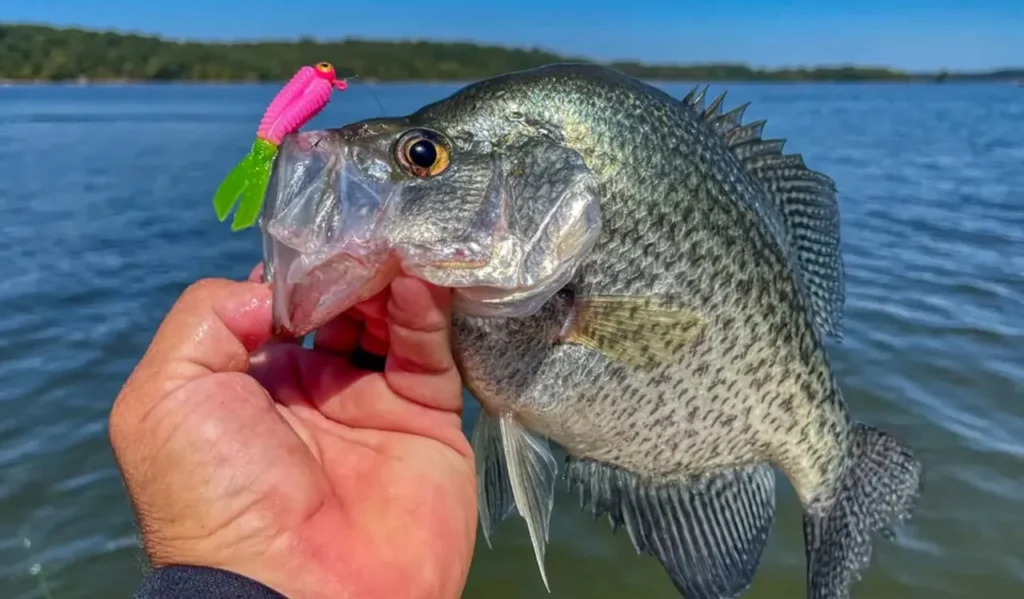
The selections of colors and size are key factors to success. Bright colors are better in stained water whereas natural tones do better in clear circumstances. The crappie has small mouths and therefore smaller lures are usually better than bigger ones. Ultralight rods increase the movement of lures using minimal effort. The ability to experiment with colors, sizes, and retrieval speeds assists the angler in finding the active fish, as well as the ability to maintain the same rate of catch during the season.
Must-Read Guide for Top Picks of Best Fishing Reels
Casting and Presentation Techniques
Ultralight rods do not need power to cast but smooth and controlled motion. The gentle casts are used to avoid the line tangles and enhance accuracy when hitting the docks, brush or weed edges. The ultralight systems permit slow and controlled descents of the lures and leave them in the strike zone. This method enhances the possibilities of attracting crappie to bite particularly when fish are lazy or suspended at certain levels.
The most important thing in triggering strikes is presentation. Delays in retrieving, brief twitching and periodical pauses portray wounded baitfish. Crappie tend to attack in the fall, thus it is necessary to have slack control. In order to sense light bites during retrieval, ultralight rods give the sensitivity required. Fish behavior can be used to adjust retrieve speed and depth, which enhances the process and allows an angler to adjust to changing conditions within a short period of time.
Fishing for Crappie in Lakes
Crappie are known to congregate around manmade structures that have fallen into the lakes like trees, docks and piles of brush. Due to ultralight rods, it is possible to cast accurately around these zones without disturbing fish. Slow casting or jigging in a vertical direction is effective. Adherence to low profile and correct presentation can assist the angler to get more crappie particularly when the lakes are clear or overfished and the fishes develop shyness with time.
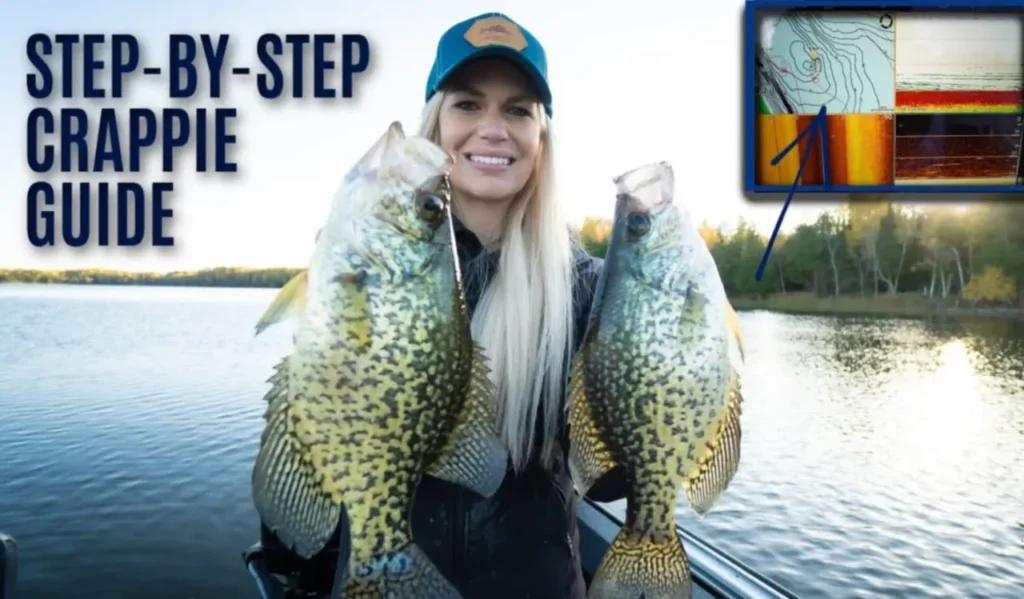
Lake crappie behavior is influenced by the seasonal movement. In spring, crappie tend to move to the surface to spawn and in summer and winter, they move to the deeper areas. Ultralight rods enable the fishermen to change depth conveniently and use small baits in a natural manner. Schools are found with the help of electronics or visual indicators. Baiting to the depth of the fish enhances the frequency of bites and success when there are varying conditions of the lakes.
Fishing for Crappie in Ponds and Rivers
The crappie in ponds like to be close to the vegetation, submerged brush or drop-offs. The ultralight rods are also used when it is necessary to cast in small areas. Light line and small jigs are used so as to avoid spooking fish in the shallow water. Deliberate and slow presentations close to cover are likely to lead to regular bites, and ultralight rigs are ideal in pond fishing when it is essential to remain unnoticed and always be accurate.
The crappie in the river will favor smooth areas with lower levels of current like backwaters or eddies. In running water, ultralight rods are used to control the use of lightweight lures. The use of jig weight assists in keeping the depth without becoming too swift. Fishing close to the structure when controlling the current enhances the detection of the bites. River crappie are sensitive to such minor presentations of natural prey drifting down a stream.
Different Types of Fishing Rods and How to Use Each Rod
Setting the Hook Properly
The crappie contains soft mouths and the hook setting should be tender. In ultralight rods, it is typically sufficient to provide a gentle upward pull in order to fix the hook. Hooks should not be set aggressively as this may tear off the hook. Delicate rods enable the angler to sense the bite immediately and react fast. Effective hook-setting will maximize the number of fish landing and reduce the number of lost fishes in short and active fights.
It is also essential to keep the settings of the drag in order. Light drag enables the fish to run to some little without snapping the line. Ultralight rods are easy to bend, which takes up quick movements. The constant pressure during the fight eliminates slack line. With the problem of keeping fish hooked, a combination of gentle hook sets and controlled drag is the solution to making the fishing process more reliable and reassuring to the crappie fisherman using light tack.
Fighting and Landing Crappie
It is fun and time-consuming to catch crappie using ultralight rods. Pressure should be applied steadily and no force to fish. The ultralight rods are very flexible and ensure that the light line is not broken. Give the rod a chance to take up the shaking of heads and brief dashes. This constant tension will reduce the chances of hooks falling out particularly when the crappie suddenly moves to the surface during the struggle.
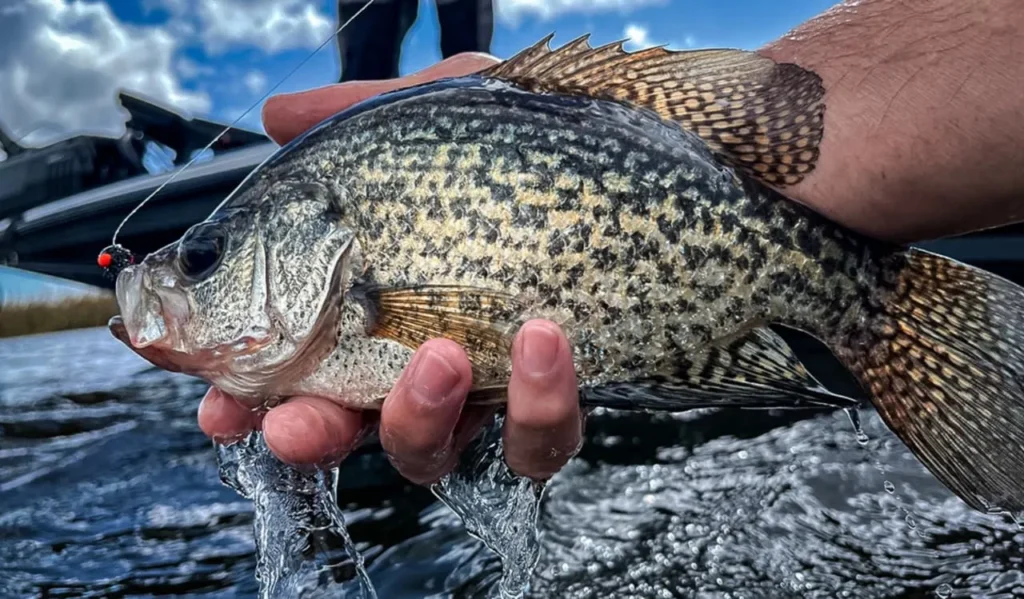
It is not hard to land crappie when the technique is used. Fish that is near shore or boat is to be caught with the help of a small net or by lifting it carefully. It is advisable not to swing bigger crappie, because it may break through on light lines. The ultralight rods offer sufficient leverage to control fish. Good handling will guarantee proper landings and at the same time avoid the undue stress or damage of the fish and fishing gear.
Common Mistakes and Final Tips
Such pitfalls as heavy line, oversized fishing lures or violent retrieves are common. These mistakes decrease the rate of bites and missed blows. Fine rods are made to use in finesse fishing and therefore light movements and light equipment are required. Listening to depth, presentation, and bite sensitivity can be used to avoid frustration and enhance success among the angler in pursuing crappie under varying conditions of water.
Success in crappie fishing is based on patience, observation and adaptation. Change the size, color and depth of the lure depending on the behavior of the fish. The ultralight rods offer unsurpassed sensitivity and control in the finesse technique. With the correct rod, reel, line and presentation, one will have higher chances of catching. Through practice and detail, it is possible to have productive, fun and rewarding crappie fishing all year long.
FAQs About How to Fish for Crappie
Final Thoughts
Fishing for crappie with ultralight rods is one of the most enjoyable and effective methods for catching this popular panfish. The sensitivity of ultralight gear allows anglers to detect light bites, present small lures naturally, and fight fish smoothly. Using the right rod, reel, line, and bait combination improves accuracy, hook-up rates, and overall fishing success. Patience and finesse are essential when targeting crappie.
Understanding seasonal movement, depth preferences, and structure helps anglers adjust techniques effectively. Ultralight rods provide unmatched control and responsiveness for finesse presentations. With consistent practice and attention to detail, anglers can enjoy productive, exciting, and rewarding crappie fishing experiences in lakes, ponds, and rivers throughout the year.