How to Rig a Rod for Artificial Lures: Ultimate Guide for Beginners
Learn how to rig a rod for artificial lures using the right rod, reel, line, knots, and setup to improve casting accuracy and lure action.
Artificial lures are made to resemble actual prey and cause fish to strike the lure with movement, color and vibration. Adequate rigging of fishing rods with artificial lures is necessary to help in proper casting and giving the lure a natural look. Learning the types of lures, the rod action, the compatibility of the reel, and the choice of fishing line can help an angler to get maximum out of his/her equipment and increase hook-up rates in both freshwater and saltwater conditions.
The rigging of Rods used in artificial lures must be carefully attended to in terms of balance, strength of knot, and weight compatibility of lure. Wrong rigging will decrease the casting range and lure activity. In cases where anglers use the appropriate rod power, reel type and line strength to match artificial lures, they become more sensitive and controlled. When targeting various fish species, proper set up enhances efficiency, fatigue reduction, as well as success.
Choosing the Right Fishing Rod
The issue of choosing an appropriate fishing rod is very important in artificial lure fishing. The action of lures, power, and length determine the casting and performance of lures in the water. Small lures are used in medium to medium-light rods and bigger artificial bait is taken in medium-heavy rods. The correct matching of rod specifications to the lure weight guarantees ease in casting, increased accuracy, and control of the lure on the retrieve.
Rod action is a factor in the movement of artificial lure and hook penetration into fish mouths. Rapid-action rods are quicker to hook, more sensitive and moderate-action rods are superior in crankbait and spinner action. The right rod will enable the angler to sense the slightest bites, regulate the level of the lure, and have consistent retrieves. A good rod is chosen that enhances the display of the lure and the fishing efficiency.
Must-Read Guide for Anyone Looking for Top Rods
Selecting the Correct Reel Type
Spinning reels are perfect in the lightweight artificial lure because they are easy and can be cast. They minimize twist of the line and permit precise presentations and are thus common among beginners. Baitcasting reels, on the other hand, have better control over heavier lures and accuracy of casting when one has perfected it. The appropriate reel enhances efficiency and minimizes the issue of casting.
The ratios of reel size and weight of rod and lure are very important to equal performance. A small reel will restrict the capacity of the lines whereas a large reel will decrease the sensitivity. The smooth drag systems are used to control aggressive attacks of predatory fish. In different fishing scenarios, artificial lures can be used to increase reel control, constant retrieves, and casting accuracy when the reel is used to complement the rod.
Must-Read Guide for Top Picks of Best Fishing Reels
Choosing the Right Fishing Line
It is significant in the process of rigging a rod with artificial lures as far as the choice of fishing lines is concerned. Monofilament is flexible with shock absorption, fluorocarbon is less visible and sensitive whereas braided line has the greatest strength and casting range. The choice of a line type is based on the lure-style, fishing habitat, and game fish to provide an improved lure performance.
Strength of the line should be equal to lure weight and rod power to prevent break-offs or less distance of casting. Increase in the weight of lure decreases the action of the lure whereas decrease in weight of lure increases the sensitivity. Line should be spooled properly to have smooth casts and reduced number of tangles. The fishing line should be selected well, as this increases the movement of the lures, detects the bites and sets hooks, resulting in improved fishing outcomes in all cases.
Attaching a Leader Line Properly
Leader lines ensure against rock, structure and fish tooth abrasion as well as enhancing the presentation of the lures. Artificial lures that are based on fluorocarbon leaders are known because of their invisibility in water. When a leader is attached in the right way, it will make it strong without interfering with lure action. Leaders are more confident in wary fish in clear water situations.
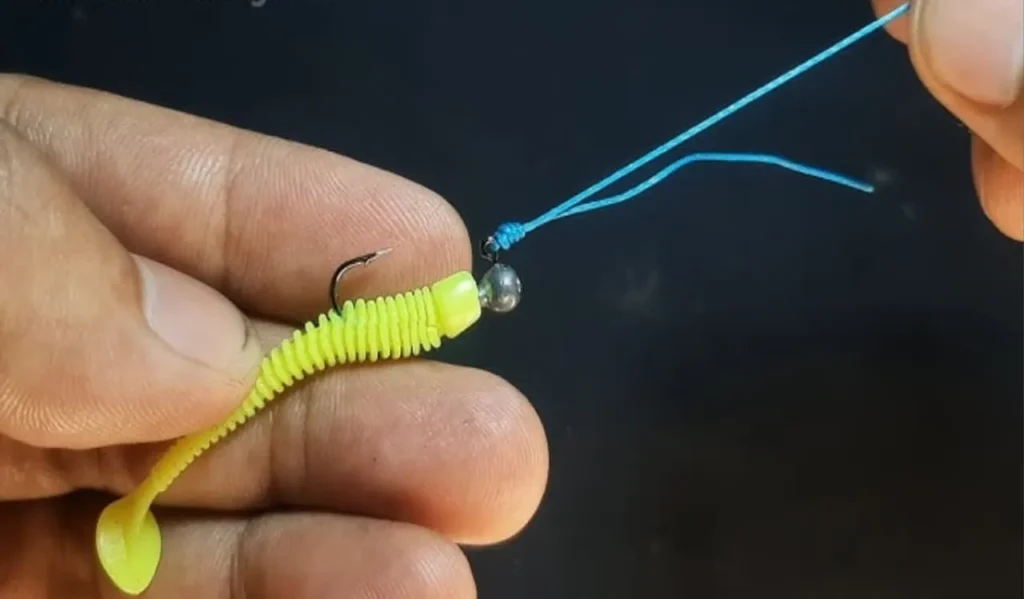
Powerful leader knots like the double uni knot or FG knot give good connections between mainline and leader. The knot strength plays a crucial role to avoid failure in the fights. Good leader length compromises invisibility and casting convenience. A properly attached leader will last longer, increase the realism of the lure, and aid in the angler catching more fish with the assistance of the artificial lure.
Selecting the Correct Knot for Lures
The knot that is used to secure artificial lures directly affects the action and strength of lures. Artificial lures are often attached with improved clinch knots, Palomar knots and loop knots. The loop knots provide freer movement and enhances the realism of lures. The selection of the correct knot can be used to make sure the lure is securely attached and that it will behave in a natural manner whenever it is being retrieved.
Weak knot knots will weaken and lose lures when struck. Before knots are tightened they should be wet to avoid friction damage and enhance reliability. Knots should be checked regularly so as to maintain consistency. Once the angler learns how to tie the correct knots, there is confidence, the equipment does not break easily and the lure performs optimally leading to increased success in fishing under various water conditions.
Rigging Soft Plastic Artificial Lures
Soft plastic lures are to be rigged in a special way to be effective. Texas rigs, wacky rigs and jig heads are also popular with options based on the fishing structure and depth. Choose the soft plastics and keep them weedless with proper rigging and retain a natural movement. Choosing the right hook size will mean the presentation will be balanced and hook penetration will be effective on strike.
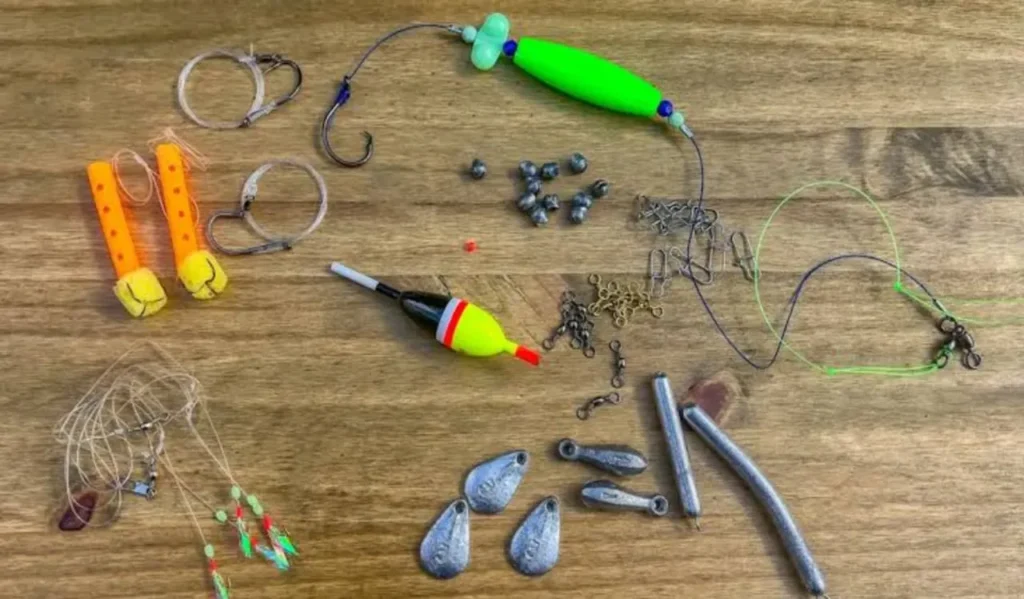
Properly setup soft plastics naturally travel through water and elicit violent responses in fish. Spinning or unnatural movement can be reduced by poor rigging. The action and casting distance of lures is enhanced by making the lure straight on the hook. Learning to use soft plastic rigging methods enables the fishermen to adjust fast, fish effectively and catch more fish with the help of artificial lures.
Rigging Hard Baits and Treble Hooks
Treble hooks are common in hard baits such as crankbaits, jerkbaits, and topwater lures. Hook-up rates are enhanced by ensuring that hooks are sharp and well attached. Split rings and snap connectors make changing the lures easy and they do not interrupt the action. Proper rigging eliminates hook entangles and enhances lure balance when being retrieved.
Before the fishing, it is important to check treble hooks to eliminate lost chances due to dull hooks or bent hooks. Other fishermen improve factory hooks by upgrading them with greater strength. Balanced hard baits swim rightly, imitating wounded animals. Proper rigging guarantees the consistent lure performance, correct casting, and effective hook sets when it comes to aggressive fish being targeted using artificial lure.
Different Types of Fishing Rods and How to Use Each Rod
Balancing Rod, Reel and Lure Weight
After holding the fishing rod, reel, and artificial lure, one can balance them to get more comfortable and perform better. An imbalanced system results in tiredness and decreased accuracy of casting. Weight of lure must be within the recommended range of the rod. With the correct balance, there are easier retrieves, higher level of sensitivity and predictable lure behavior, particularly when one uses artificial baits in long fishing hours.
Pre-fishing testing balance can be used to detect the mismatch of equipment. The weight of the rod should not be tippy when holding it by the reel seat. Balanced systems decrease the strain of the wrist and enhance control. When the angler sets their gears properly they would have more casting efficiency, lure presentation, and overall effectiveness using the artificial lures.
Testing the Rig Before Fishing
Before fishing, it is better to test your rig before complications on the water. Do some practice casts to test the knot strength, the movement of the lure and the flow of the line. The behavior of artificial lures makes sure that they are properly rigged. Before fishing, it is better to set the drag and reel tension and improve its performance and minimize the possibility of backlash or line breakage.
Test casts enable the angler to check the rig after the test and repair troubles. Inspections of line twist, loose knot or incorrect lure action are time saving in fishing activity. An efficient setup that is well tested increases confidence and efficiency. Trying the rig and training yourself guarantees a better fishing time and more successful results in case of using the artificial lures regularly.
FAQs About How to Rig a Rod for Artificial Lures
Final Thoughts
Rigging a rod correctly for artificial lures is essential for consistent fishing success. Proper selection of rod, reel, fishing line, leader, and knots ensures smooth casting and realistic lure action. When gear is balanced and rigged properly, anglers gain better sensitivity, improved hook sets, and more control while targeting different fish species in various water conditions.
Taking time to test and adjust your rig before fishing prevents common problems like poor lure action or line failure. Mastering artificial lure rigging builds confidence and efficiency on the water. With the right setup and technique, anglers can maximize lure performance, reduce frustration, and enjoy more productive and rewarding fishing experiences.