How to Avoid Snapping Your Fishing Line: Ultimate Guide for Beginners
Learn how to avoid snapping your fishing line using proper drag settings, rod angle, knot strength, line selection, and smart fish-fighting techniques.
Breaking of fishing line normally occurs as a result of over strain, inferior line, or improper usage. Most fishers do not realize the weakness of fishing line when it is under tension. Such factors as drag settings, rod angle, and unexpected fish runs are leading to breakage. Knowledge on such reasons can assist the angler to modify gear and technique to safeguard the strength of the line.
The other general cause that lines break is due to the abrasion of rocks, weeds or the under water structure. Old or deteriorated line loses its strength easily. Small nicks can also be ignored, and when fighting, they can break abruptly. It is also by understanding the causes of line fails that anglers can take preventive measures, better line handling, and land more fish without losing them.
Choosing the Right Fishing Line
It is always necessary to choose the right fishing line to avoid breakage. The strength, stretch and abrasion resistance of monofilament, fluorocarbon and braided lines vary. Corresponding the type of line to the conditions of fishing and target species guarantees the improved performance. It is better to use proper pound-test rating to reduce stress, and also to ensure that the line can withstand sudden pulls.
Snapping is also more likely with too light line that is used on the fish species. Heavy lines have power and lack sensitivity. Balance is key. Take into account water clarity, kind of lure and fishing conditions. A good line choice increases the longevity, better control and enables the angler to engage in combat with his fish without fear of the line giving way at any moment.
Must-Read Guide for Top Picks of Best Fishing Reels
Tying Strong and Reliable Knots
Snapped fishing lines are greatly caused by weak knots. Even good lines do not work when knots are not well knotted. The Palomar knot or better the improved clinch knot would be useful in providing better retention of strength. Before tightening, it is advisable to wet the knots in order to minimize the friction damage and maintain the integrity of the lines during pressure scenarios.
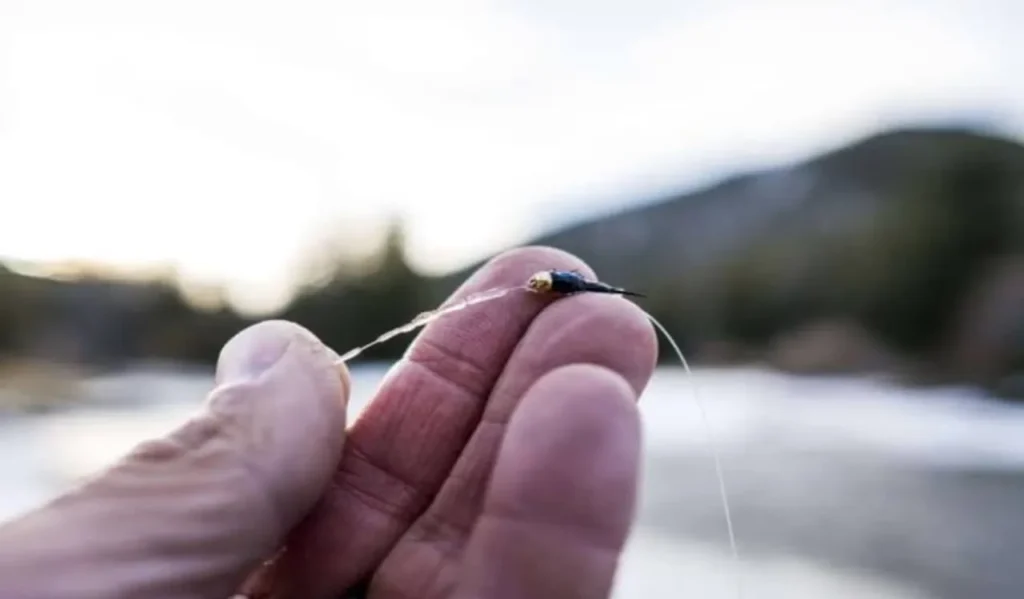
The knots should be tested by pulling, and then cast. Retie is common and commonly used after catching fish or snagging structure. Knots that are old or worn out are easily weakened. Good knot tying practices enhance the general setup reliability, minimization of unexpected breakages and assurance to the angler to engage the large fish in unfavorable conditions.
Checking Line for Damage
Frequent inspection of the line eliminates unsuspected snapping. Even minor cuts, scratches or tears undermine the integrity of the line greatly. The damages are usually caused by rocks, shells, docks, or fish teeth. Everything that is run through the fingers along the line is used to identify roughness before it can result in abrupt breakage during key time.
Retie and cut damaged parts instantly. Disregarding issues of small wear may lead to loss of fish in the future. Change line every now and then, particularly after much use. Reliability and performance are enhanced through line maintenance. Regular inspection practices assist the angler to save on frustration, investment in the tackle and also ensure that the fishing lines are operating at full strength every time he or she goes out.
Different Types of Fishing Rods and How to Use Each Rod
Fighting Fish with Controlled Pressure
The use of controlled pressure is one of the ways of preventing snapped fishing lines. Excessive pressure will result in breakage and light pressure will result in excessive running of fish. Balance is essential. Leave the rod and reel to do the job rather than push fish to you violently in the struggle.
Apply constant pressure and ensure that the drag works. Do not jerk or reel at a high speed against resistance. Fish off structure in a calm manner. Regulated fighting methods will minimize the strain on the line, hooks, and the tackle and will promote a high success rate in landing fish without a failure in the equipment or missed catches.
Avoiding Common Line Stress Mistakes
Anglers make mistakes that are common and, as a result, snap the lines. The stress is increased with high-sticking of the rod, jerking of hook sets, and pulling snagged lures aggressively. These activities are beyond line boundaries. The knowledge of these practices assists the angler to change and preserve fishing line under different fishing scenarios.
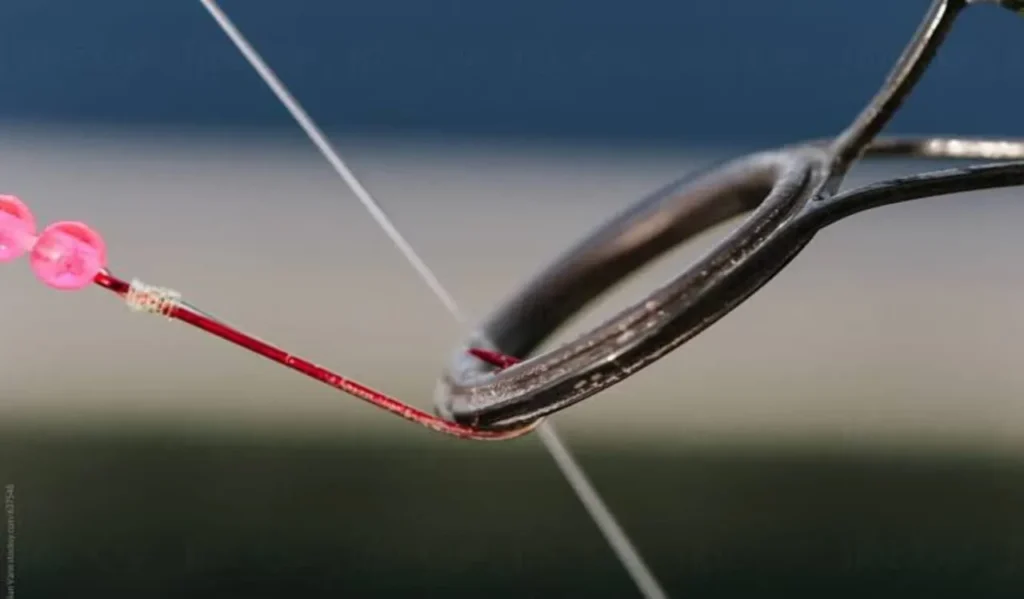
Poor matching of gear components is another error. Light lines that have heavy lures or tight drag that uses a thin line raise the chances of breakage. Avoid rushing fights. Patience and technique is learned so that unnecessary stress is avoided. Remedy of these errors will result to easier fishing and better confidence in targeting better fish.
Practicing Good Line Management Habits
Snapping is avoided by good line management habits. Spoiling, maintenance and proper storage ensure quality of the line. Reels should not be filled to their capacity and create friction and tangles. Managing the line in an organized fashion results in a more comfortable cast, improved retrieve and less stress in the combat of large fish.
Train being able to modify methods to meet varying conditions such as wind, current or depth of water. Keep a check on the tension in the monitors and alter the drag or angles of the rods. Reliability is developed by developing disciplined habits. Regular line management enables the angler to fish with confidence, catch more fish and reduce the level of frustration that arises due to collapse of lines.
FAQs About Snapping Your Fishing Line
Final Thoughts
It is important to pay attention to detail, adequate selection of gear and use discipline when it comes to avoiding snagged fishing lines. The knowledge of drag control, rod action and the condition of the lines will enable the angler to avoid undue breakage. Minor changes in habits are very beneficial in enhancing reliability. As line strength is maintained, the angler gets better fights and landings.
Through good line management, good knotting and patient fishing, anglers safeguard their equipments and self esteem. Experience and ability to adjust to circumstances develops proficiency. These principles will guarantee that fishing trips are enjoyable and that fewer fish are lost and overall performance is enhanced on the water.