Spinning vs Baitcasting Reels: How to Choose the Right Fishing Reel
A complete guide to picking spinning vs baitcasting reels, including features, drag, skill level, and tips for freshwater or saltwater fishing.
The decision of spinning and baitcasting reels is a great factor in fishing. All types of reels have their own peculiarities, strengths and weaknesses. Novices and advanced fishers should know how to cast, which fish to attack and their proficiency. This guide can be used to understand the characteristics, use, and performance differences of reels that can enable an angler to make informed choices in freshwater and saltwater fishing.
The right reel influences the casting accuracy, control and catch rates. Spinning reels are simpler to use by a novice, whereas baitcasting reels are more accurate in the hands of an expert. The difference in line management, gear ratio and drag systems can be understood to achieve improved results. This guide gives you tips that can be used to choose the reel that suits your style, aptitude, and fishing objectives.
Overview of Spinning Reels
Spinning reels are open-faced that have a fixed spool. They are all-purpose, entry-level, and all-purpose. These fishing reels deal with mono filament, fluorocarbon and braided lines effectively. Spinning reels are the best reels to use when casting light lures at long distances without any chance of backlash or tangling of the lines when using them.
Spinning reels are light and simple to use and hence they are suitable to the amateur angler. They offer easy drag systems, easy casting and less learning curves. Spinning reels are appropriate in both small and medium size freshwater fish such as trout, bass and panfish and are convenient, reliable and apex in performance because a fisherman who wants to enjoy fishing without any effort.
Must-Read Guide for Top Picks of Best Fishing Reels
Overview of Baitcasting Reels
The baitcasting reels are made to be precise and powerful. They have a spinning spool, and hence can cast well with heavy lures and powerful fish. Larger freshwater and saltwater fish are to be caught with baitcasting reels. They need expertise and practice to avoid backlash but have better control, line capacity and casting range than spinning reels. Baitcasting reels are the best in heavy lure and powerful fish.
They can be accurately positioned close to cover or structures, and are therefore suitable to bass, pike, or saltwater fishing. Tangles are minimised by the adjustment of spool tension and braking systems. Baitcasting reels also have the advantage of helping skilled anglers in difficult fishing conditions by giving them greater accuracy in casting, stronger hooksets, and greater control.
Ease of Use and Learning Curve
Spinning reels are easy to use and operate and have a minimum of set-up. Line tangles are not as popular and are thus suitable to new fishermen. Baitcasting reels need training on how to control the tension of the spool and braking mechanisms. Novices can feel some resistance, yet as the skill level increases, baitcasting reels have an accurate casting and better performance.
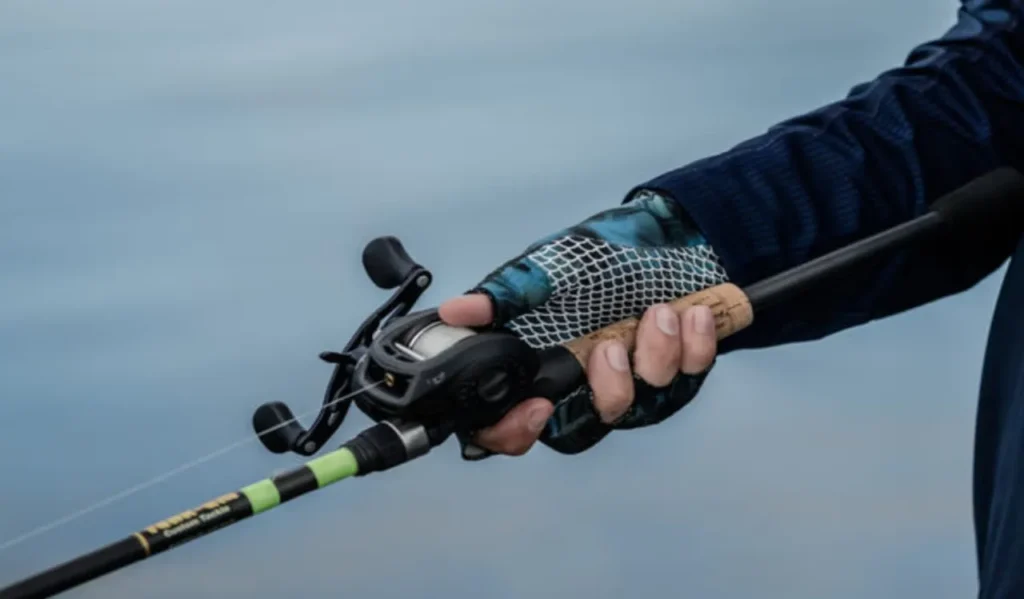
Baitcasting reel is more difficult to master the learning curve because of spool control and casting. Spinning reels are also less technical and one can fish without any problem. The fishermen must take into consideration their comfort level, time spent on practicing, and the purpose of fishing. The reel that is selected based on the experience and skill will guarantee a good and easy fishing adventure.
Casting Distance and Accuracy
Spinning reels are the best in long distance casting using light lures because they have a fixed spool. They offer fluent and continuous casts on smaller species and open water. Baitcasting reels are more accurate particularly in heavy lures around structures. Baitcasting is also best used in targeting particular fish or in narrow areas. Spinning reels are ideal to beginners who want to cover distance.
Skilled fishermen who have taken up baitcasting reels enjoy pinpointing specificity which is crucial where the cover or thick vegetation is involved. The selection of the appropriate reel according to the casting distance, accuracy needs, and target species will lead to an effective and successful fishing experience as well as minimize frustration and increase the success rate of fishing.
Must-Read Guide for Anyone Looking for Top Rods
Reel Power and Drag System
The spinning reels are typically in the light to medium line and fish category and have an easy to use drag system with smoothness that is easy to use by beginners. Baitcasting reels offer greater line capacity, increased drag and superior torque to large species. Knowing how much drag the line has and the reel strength of the line will prevent the angler breaking the line as well as over-working the reel.
The fighting fish can only be fought well with the help of drag control. Spinning reels are not demanding and minimize the possibility of line snapping. Baitcasting reels have adjustable drag control to adjust tension to the desired level. Reel power and drag matched to target species means a better handling experience, less line breakages and an enjoyable and successful fishing experience.
Versatility and Applications
Spinning reels are also flexible and can be used in freshwater, light saltwater and in small to medium species. They use different types of lines and lures with ease. The baitcasting reels are superior in heavy lures, large freshwater fish and saltwater fish. The choice of the type of reel is dependent on the environment one wants to fish and the type of fish they are targeting and the type of casting they want to use.
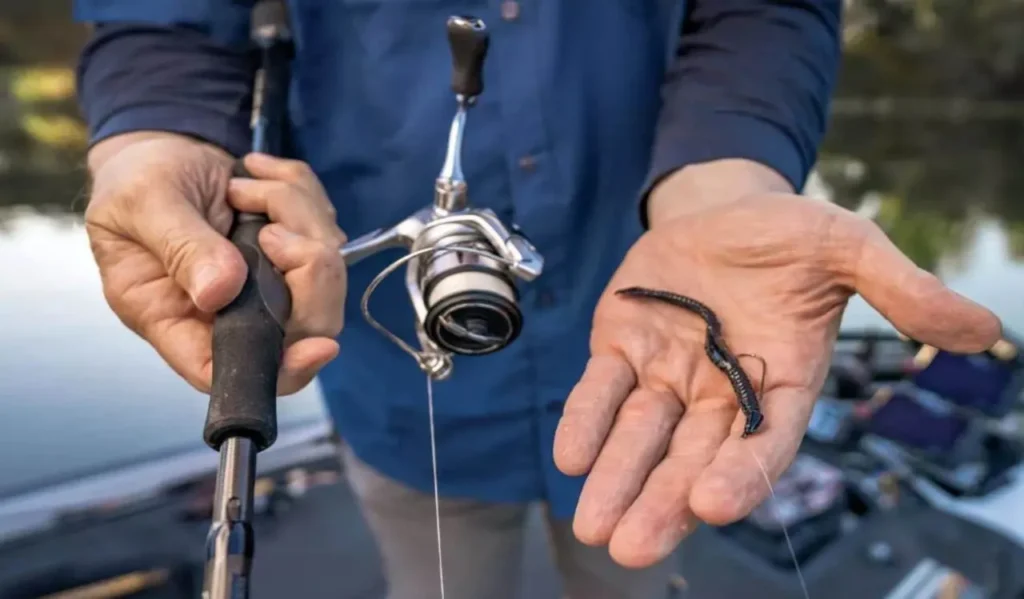
Given the kind of fishing that you intend to engage in. Spinning reels are excellent in cases of beginners, traveling fishing or recreational fishing. Baitcasting reels are perfect in cases when the angler is serious about the big fish and is fishing around the structure. Knowing how to use the reel will guarantee ease, lessen the frustration, and increase the fun irrespective of the skill level of the angler or the conditions of the fishing.
Cost Considerations
Spinning reel is usually cheaper and performs well to novices and recreational fishermen. Baitcasting reel is more expensive because of the high features, accuracy, and stability. Budget is a factor, however, investing in quality gives reliability, long life span and performance no matter the reel type. The cost and quality balance can be achieved through comparing the materials, construction, and brand reputation.
Extremely low costs of reels should be avoided because they lower the performance of the reel, and mid-range alternatives are worth considering because they are durable and offer a smooth operation. A reel that has the correct price/ features/ and usability balance will guarantee that both beginners and experienced fishermen have a satisfactory time on the reel.
Different Types of Fishing Rods and How to Use Each Rod
Maintenance Tips
Periodic repairs increase the life of reels. Wipe down after use in saltwater, grease moving parts and inspect line and drag systems. Corrosion and mechanical problems are avoided by proper storage. A regular maintenance makes the operation smooth, minimizes wear and increases life of the reel, which makes every fishing trip more productive and enjoyable to both spinning and baitcasting reels.
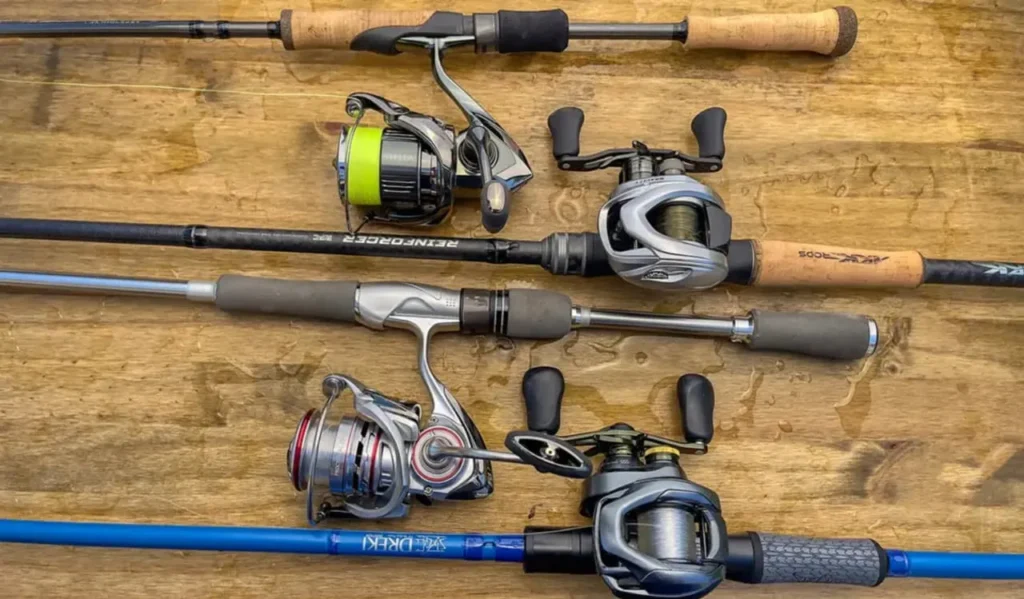
Do not forget about drag systems, bearings, and spools. Check parts often to see if damaged or not. Store reels in dustproof and moistureproof cases. The appropriate care reduces breakdowns, enhances casting performance and gives it reliable performance. It is always important to keep your reel in good condition so that it improves the chances of success in fishing and increases the service life of spinning or baitcasting reels.
Common Mistakes to Avoid
Novices can choose the wrong type of reel with their level of skills or species to hunt. Spinning reel-breakage is caused by overloading spinning reels or not operating baitcasting reels. Developing reel limitations, casting practice, and equipment maintenance make the process of being on the water efficient, free of frustration, and allow the angler to have a more successful and enjoyable time fishing with an appropriate reel in hand.
The other errors are not taking care of drag settings, wrong selection of line and poor maintenance. Use of reels that do not match target species makes performance poor. Results are better when recommendations are followed on line type, drag and reel capacity. Handling Education guarantees improved casting, proper hooksets and extended reel life, improving the overall fishing performance of both the novice and the experienced angler.
FAQs About Spinning vs Baitcasting Reels
Final Thoughts
The selection of a reel is determined by the level of skills, the fish intended and the fishing conditions. Spinning reels are recommended when the beginner, light lures, and easy handling is required, whereas baitcasting reels are precise, controlled and powerful to use by experienced fishermen. The key to this is knowing what differences in action, drag, and versatility are so that you can choose a reel that will give you better chances to catch and be satisfied.
Spinning and baitcasting reels are both good and restrictive. To make an informed decision, it is reasonable to evaluate personal skill, the type of fishing supposedly to be undertaken, and the target species. Use of techniques and correct maintenance increases the performance and life of reels. Choosing the appropriate type of reel will ensure that the fishing experience of all the fishing persons is productive, enjoyable and free of stresses.