How to Stop Backlash in Baitcasting Reels: Ultimate Guide for Beginners
Learn how to stop backlash in baitcasting reels. Adjust brakes, use thumb control, spool line properly, choose correct lures, and practice smooth casting.
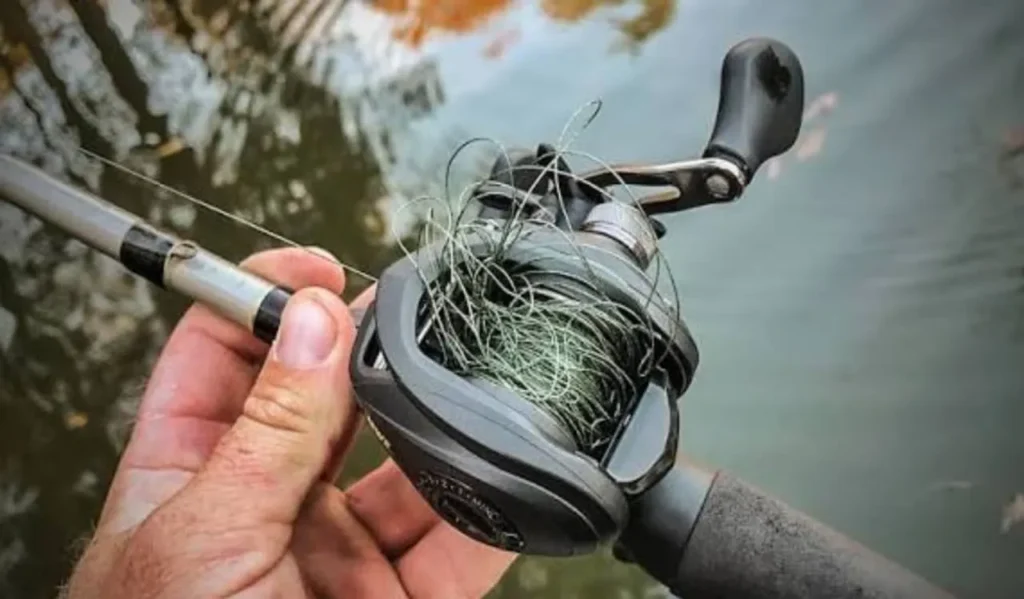
In baitcasting reels, the effect of the backlash is often referred to as the bird’s nest where the spool will turn quicker than the line upon a cast. This is a frustrating problem that novices should expect to lose time and equipment. In order to understand how to prevent backlash will enhance the casting accuracy, shield the lines, and also make baitcasting enjoyable to both new and experienced anglers.
It is essential to know reasons and skills to avoid backlash. Right fittings, practice, and set up will decrease the number of tangles and enhance the confidence in casting. Through learning the art of anti-backlash, the angler performs better and becomes less frustrated. Smoother and more controlled casts guaranteed by effective prevention promote success and general fishing experience using baitcasting reels.
Causes of Backlash
Backlash will occur when the spool speed is more than the line speed. Tangles may be caused by improper thumb control, inappropriate brake settings or inappropriate lure weight. Novices are usually scolded when they throw light lures without brakes. The knowledge of how spool speed, line tension, and lure weight relate to each other can be used to avoid the typical errors made when baitcasting.
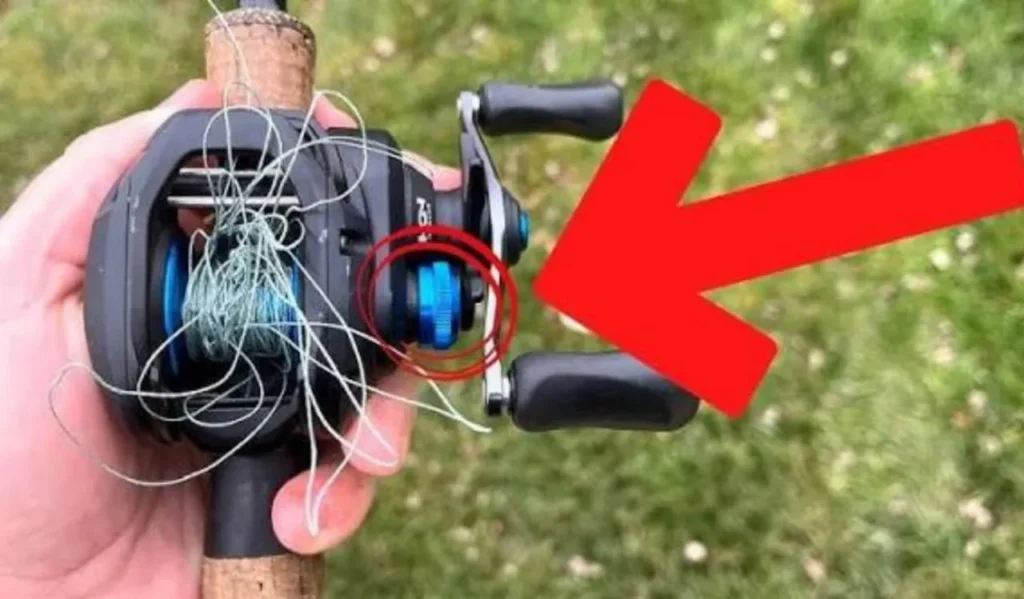
Backlash is also caused by excessive line slack or fast movement of the wrist. The inability to spin the line evenly or the overfilling of the reel poses a risk. The conditions of the environment such as wind could worsen the problem. The root cause will enable the angler to implement corrective measures and reduce spool overruns, which will reduce the tangles and enhance casting efficiency.
Adjusting the Brake System
Baitcasting reels have centrifugal or magnetic brakes to regulate the speed of the spool. As a beginner, brakes must be set sparingly and then as skill increases, more brakes should be added. The correct brake adjustment eliminates over-spinning and minimizes the backlash. Practice casts are used to test the brake settings to ensure maximum control is attained prior to fishing.
Must-Read Guide for Top Picks of Best Fishing Reels
Test brake combination depending on the weight of the lures. The heavier the lure the less braking is needed and the lighter the lure the more braking is required. Properly tuned brakes equalize rotating the spools and release of the lines. By training to adjust brakes, casting is made more accurate, tangles are minimized and confidence is gained in operating baitcasting reels.
Using Thumb Control Effectively
Backlash prevention is accomplished by the thumb pressure on the spool. The newcomers must cast lightly on the spool so that line release is in harmony with the speed of the spool. Thumb pressure is controlled, thus preventing line overruns and tangles. To perfect the casting technique, it is advisable to practice the thumb technique to achieve the smooth casting, and lessen frustration with the baitcasting reel.
Always exert pressure on the cast, particularly when the lure is close to water. Control pressure depending on the weight of the lure and the distance of casting. Thumb control is useful with brake adjustments, and offers an extra spool control. This is a skill which will greatly reduce chances of backlash.
Proper Spooling and Line Management
Tangles are avoided by using an evenly spooled line. Do not over fill or under fill the reel spool. Test the cast prior to casting, to ensure that there are no twists or damaged areas. Controlling is improved by using proper types of lines, such as the monofilament and braided lines. Spoiling is an easy but important measure to minimize backlash.
Different Types of Fishing Rods and How to Use Each Rod
Spooling should be maintained at a line tension. Cut off frayed or weak ends and position guides properly. Properly spooled reels have a smooth flow of lines which minimizes slackness and enhances the accuracy of casting. Novices enjoy the same line management routines to avoid overrun and tangle of the spool when fishing.
Selecting the Right Lure Weight
Weight of the lure influences the speed of the spool and casting. Lure that is either too light or too heavy to the settings of the reel can reduce the risk of backlash. The novices are advised to use medium weight lures according to brake settings. Correct selection of lures assists in control of spool and avoids entanglements when casting the fishing bait.
Tilting of casting depending on aerodynamics of lures. Lures that are heavier need less braking and lures that are light demand more control. The optimal match of the weight of the lure and reel settings improves the distance of the cast and accuracy. Lure influence awareness enables the angler to reduce the backlash and experience a more enjoyable and more consistent baitcasting.
Practicing Casting Techniques
The prevention of backlash is enhanced through practice. Short and controlled casts should be practiced to ensure that the beginners learn to coordinate the thumb control and brake settings. The distance is gradually increased and it creates a confidence level and reduces the tangles. Timing is also improved through constant practice, spool control is also advanced and frustration is thrown out of baitcasting reels with constant usage.
Must-Read Guide for Anyone Looking for Top Rods
Train in an open field where it is safe enough not to get confused with the plants or other things. Note reaction of spool speed to various casting motions. Backlash can be avoided and predicted by building muscle memory through repetition thus enabling the angler to avoid it. A lot of practice is needed to master the techniques of baitcasting and cast smoothly and accurately.
Maintenance to Prevent Backlash
Frequent servicing on the reels will minimize cases of backlash. Lubricate, clean spool, bearings, and gears to make them easy to use. Friction is increased by dirt or corrosion which makes the rotation of the spool uneven. Reel maintenance increases the regularity of release of the line and the overall performance.
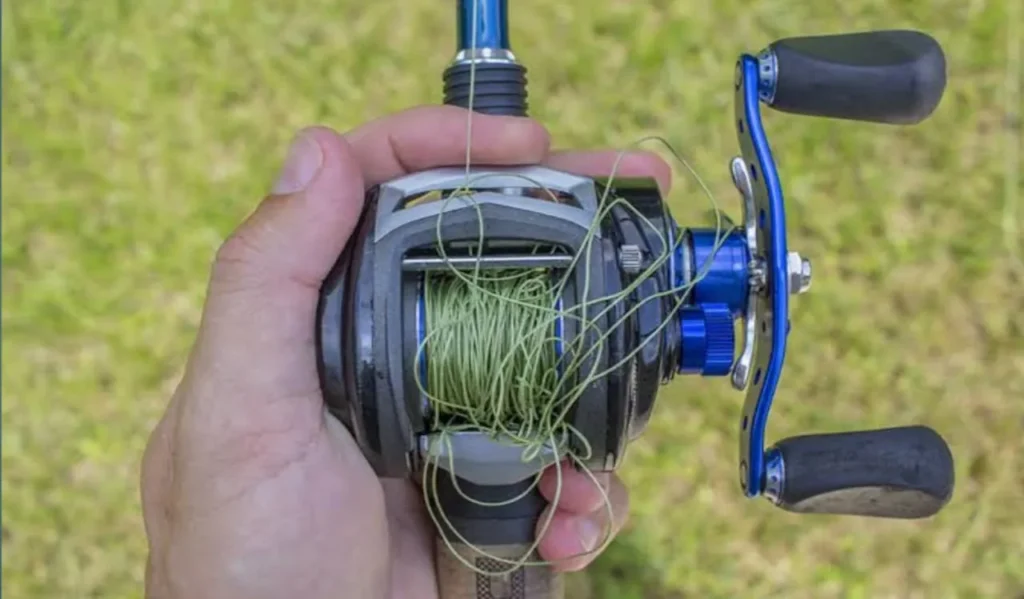
Periodically check spool tension and brake parts. Change worn components and make sure that all screws are tight. Backlash is caused by mechanical problems which can be avoided by proper maintenance. Such a reel will complement the adjustments of techniques and lower the chances of tangles while increasing reliability and fun in fishing excursions.
FAQs About Stop Backlash in Baitcasting Reels
Final Thoughts
To prevent the backlash in baitcasting reels, a combination of proper set up, technique and maintenance is required. Adjust brakes, thumb control, line control and select the right lure weight. Skill and time are needed to learn to achieve smooth and tangle-free casts. When these steps are followed, the confidence level improves, frustration levels are minimised, and the general success of fishing is maximised.
Frequent reel maintenance and regulated casting methods enable the angler to avoid backlash at all times. With the increase in skills, the angler is able to cope with lighter lures, longer casts and other types of fishing conditions. Backlash prevention is the key to more efficient, enjoyable and productive baitcasting reel fishing trips, and it increases performance and satisfaction.