How to Clean a Fishing Reel at Home: Complete Guide
Learn how to clean a fishing reel at home with this easy step by step guide. Remove dirt and salt to ensure smooth performance and longer reel life
It is important to clean your fishing reels to ensure that it performs smoothly, does not corrode and lasts longer. Frequent maintenance guarantees the ease of casting, certain drag and effective line retrieval in freshwater and saltwater fishing. Through appropriate cleaning procedures, an angler can conserve his or her reel, enhance efficiency and save money without involving the services of a professional.
Regular cleaning eliminates debris, salt and dirt and damage to gears and bearings are avoided. Maintaining the reel is done to lower the wear and ensure that the reel is in good working condition with no downtime. Proper cleaning tools and step by step cleaning methods will help safeguard internal components, enhance the performance of the casting and increase the life of the reel.
Understanding Reel Maintenance
Reel maintenance is a process that entails cleaning, lubricating and ensuring all the parts are worn, rusted or damaged. It is also good to have regular care in order to enhance performance, avoid breakdown and to extend the life of your reel. Knowledge of reel anatomy and maintenance requirements will make sure that the reel operates smoothly and performs well in all the fishing missions.
Frequent servicing enhances the range of your casting, evenness and the recovery of your fishing reel. It also allows one to identify problems at an early stage such as worn gears, corroded bearings, or loose screws. The awareness of what must be looked to avoid dismantling that which is not necessary and keeping your reel within the dependable range, be it in freshwater or saltwater.
Gathering Necessary Tools
Pre-preparation Before beginning you will need to prepare all the materials, soft cloths, cotton swabs, mild soap or reel cleaner, small screwdrivers, brushes and reel lubricant amongst other materials. Prepare a clean, flat working area so that you do not lose little parts. You may then have a long life of the reel by disassembling it, cleaning it and greasing it with proper preparation.
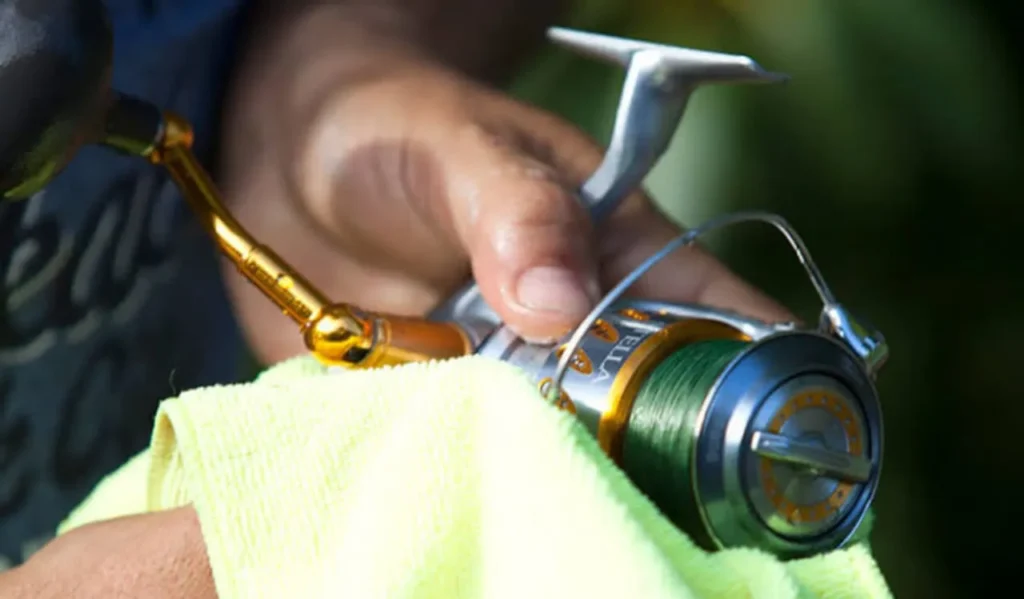
The organizing of parts and tools helps to avoid the loss of parts or misplacement of tools during dismantling. The allocation of special areas of screws, bearings, and small gears makes the whole system tidy and makes sure that every part is attended to. Systematic saves time, lessens errors and makes cleaning and servicing reels a good job thereby improving performance and prolonging its life.
Disassembling the Reel
Gradually take off the reel, according to the instructions of the manufacturer, remove the drag elements, side plates, handle, and spool. Store all screws, washers and other small components so they are not confused during re-assembling. Always avoid forcing the parts, it may break the fine bearings or gears; knowledge of the inner part of the structure can make each part cleaned, oiled, and checked.
Taking the device apart enables you to examine wear, corrosion or damaged parts. The alignment of each component will improve proper reassembling and will prevent operational problems, and will increase the life of the reel. It also allows it to be cleaned and lubricated well so that the reel can run smoothly and reliably both in fresh and saltwater fishing.
Different Types of Fishing Reels and How to Use Each Reel
Cleaning Exterior Components
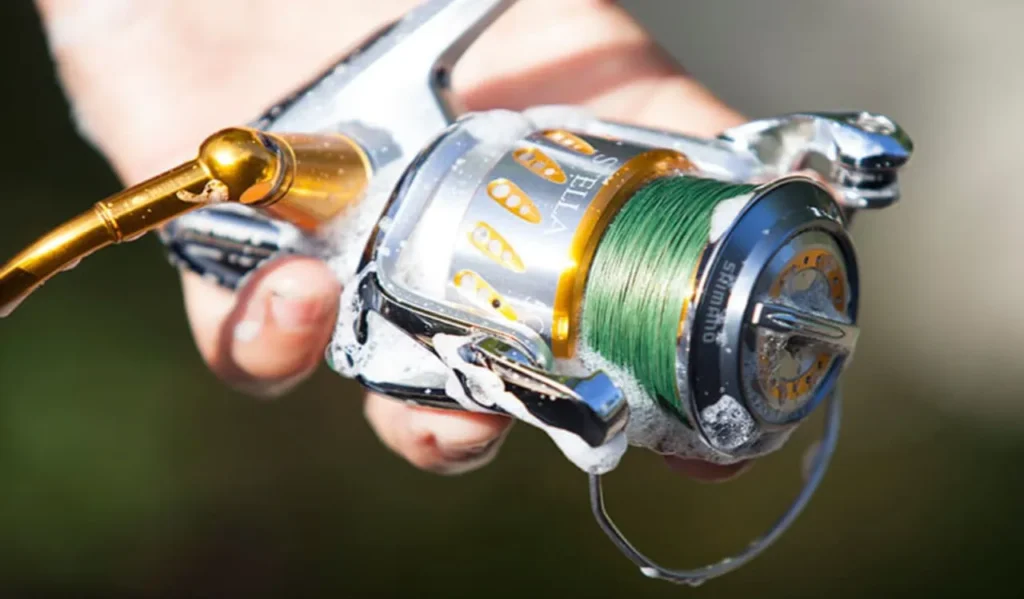
Wipe the outside of the reel with soft cloth and mild soap or reel cleaner. wipe off dirt, grime, and salt deposits on the handle, body and spool. Outside cleaning helps to avoid the corrosion process and helps to avoid the entry of abrasive particles inside the components. Keeping the outer surface attractive, easy to handle and helps in overall performance and durability of the reels in long usage.
When persuasive dirt is present then soft brush should be used so that the paint or seals are not ruined. Make sure that the line guides, handles, and knobs are properly cleaned. The outside cleaning will ensure that the reel is not contaminated when in use. Clean exterior of the reel lowers friction, increases grip and makes reel to operate smoothly thus increasing the reliability and accuracy of the casts made by the reel at each fishing session.
Cleaning Internal Components
Wipe internal parts of the machine such as gears, bearings and the spool with cotton swabs, brushes or mild cleaner. Eliminate grease, dirt and debris to minimize friction and eliminate corrosion. With the right cleaning, there is no drag or retrieval difficulties and this enhances both freshwater and saltwater fishing.
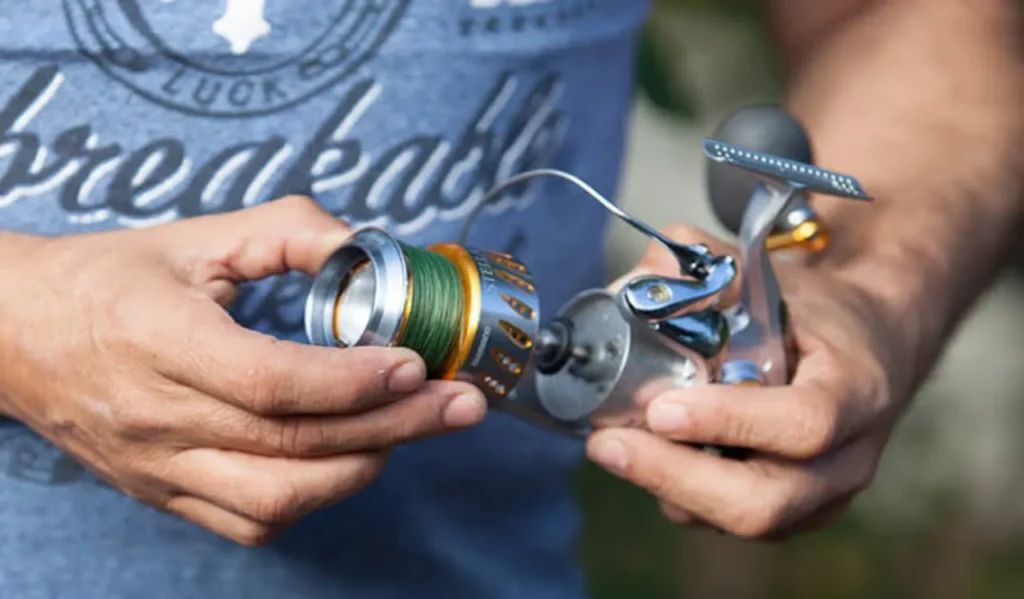
Apply mildly scented cleaning agents to safeguard seals and delicate metals. Check every component regarding corrosion, cracks, wear, and clean the gears, bearings, and spools. Internal cleaning is done properly so as to ensure smooth operation, good lubrication and extended reel life in harsh fishing conditions.
Lubricating Bearings and Gears
Wipe all bearings with reel oil and gears with a little reel grease. Wipe with small quantities to avoid dirt build up. Turn the handle so that the oil would cover all bearing surfaces. Lubricating it appropriately ensures reduced friction, no wear and easy retrieval. The lubricated reels enhance the casting process, alleviate the burden on the angler and ensure consistent drag in case of a prolonged fishing expedition.
Gears need small quantities of light grease in order to mesh smoothly without excessive lubrication. Bearing must be oiled accurately to give smooth and noiseless rotation. Turn all moving components softly so as to spread lubrication evenly. Oil also helps the reel run smoothly, last longer and maintain the same level of performance, be it in the freshwater lakes, rivers or even in the saltwater conditions.
Must-Read Guide for Anyone Looking for Top Rods
Reassembling the Reel
The reel should be reassembled carefully with all the parts in place. Make sure that screws, washers and bearings are all in place. Install screws with an equal amount of force. Check spool rotation, handle movement and drag are to ensure that everything works well. Proper re-assembly will ensure that all the lubricated components are in tandem and do not cause any damage during fishing.
Always ensure that everything is moving smoothly. Rotate of test handles, drag, and move around the spool prior to use. Correct reassembly ensures lubrication, efficiency of reel and later problems are avoided. Once assembled into a reel, it is ready to use at any time, giving a good cast, and constant drag and consistent reel recovery each and every time one goes fishing.
Testing the Reel
Clean and lubricate the reel and test it in a controlled environment. Adjust the handle, drag and spool movement. No abnormal sounds, rigidity, and constriction. Proper cleaning and lubrication is tested. A reel that works will mean that casting will be smooth, the line will be correctly retrieved and the drag will do the job as intended without any surprises on the water.
Light pressure test retrieval to ensure smooth rotation and consistency of drag. Monitor the performance of the handle, spool and gear. On the fly testing will enable corrections to be made. Properly maintained reels are a guarantee of confidence and minimization of the risk of mechanical failure, which ensures a successful and enjoyable fishing experience in freshwater and saltwater environments, increasing the overall success of angling.
Must-Read Guide for Top Picks of Best Fishing Reels
Frequency of Cleaning
Cleaning frequency is based on the usage and circumstances. Freshwater reels can be washed after a few months whereas saltwater reels need more frequent cleaning because they can be corroded. Cleaning schedules help to avoid salt, dirt, and garbage accumulation, which guarantees a proper work of the reel, a stable drag effect, and a long reel service to be used in every fishing trip.
The environment is frequently muddy or heavily used, or simply frequently exposed to saltwater, which means that it requires more frequent maintenance. A routine will keep the reels in optimum condition. Regular cleaning increases reliability, performance of casting as well as minimizing internal component wear. The maintenance schedule will ensure that the reel works effectively and will prolong the interval between the major overhaul or repair.
Different Types of Fishing Rods and How to Use Each Rod
Tips for Effective Cleaning
Wipe reels with cleaners and soft cloths in order not to damage their surfaces. Use severe chemicals that are capable of destroying seals or metal. Sort little components in dismantling. Use little lubrication on movable components. Turn the handle over to spread oil and grease. A regular, thorough maintenance lengthens the life of reels and makes them operate in any type of fishing.
Accidental damage and contamination can be avoided with the help of proper cleaning methods. The potential problems can be detected early because of regular checks made during cleaning. Regular cleaning and lubrication enhance the casting, retrieval and drag performance, thus, making the reel to work effectively on each fishing trip.
FAQs About How to Clean a Fishing Reel
Final Thoughts
Maintaining a fishing reel at home will maintain the smooth running of the reel, prevent corrosion, and increase the life of the reel. Frequent maintenance improves the performance of the casting, ease of retrieval, and drag security. Proper techniques, tools, and lubricants can be used to keep all parts of the moving parts functioning properly so that the angler can keep the reels at their best when making freshwater and saltwater fishing trips.
Having a schedule of cleaning and lubricating reels instills confidence and eliminates mechanical breakdowns. President reels last longer and are more efficient with less wear on internal parts and they are more enjoyable. These steps will help the angler to enjoy a steady performance, a smooth running, and a lasting durability of the fishing gear that will make each fishing experience fruitful and free of any inconvenience.