How to Avoid Backlash in Baitcasting Reels: Ultimate Guide for Beginners
Learn how to avoid backlash in baitcasting reels with proper setup, brake adjustment, thumb control, and casting tips for smooth, tangle-free fishing.
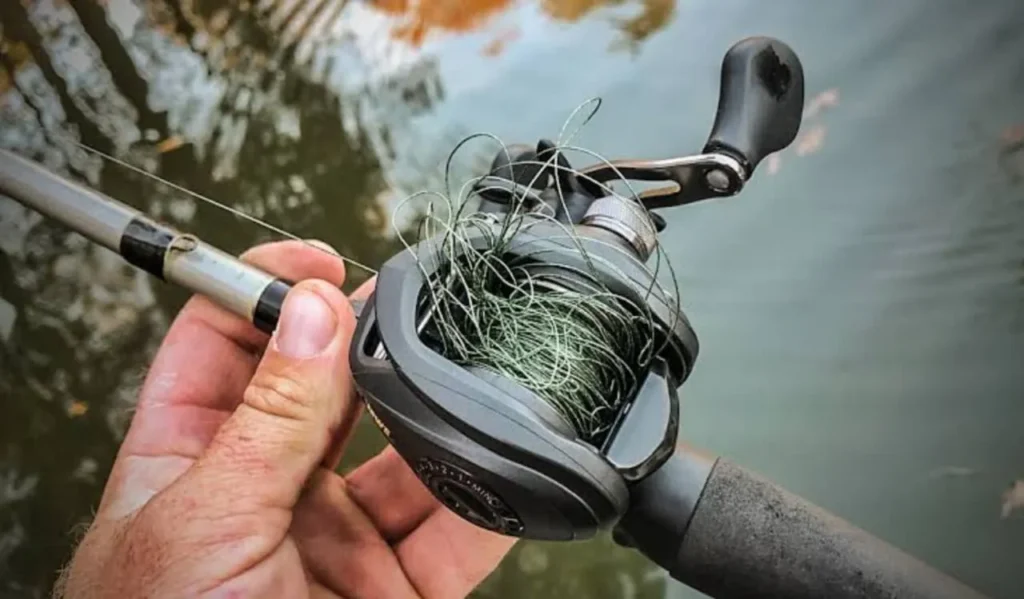
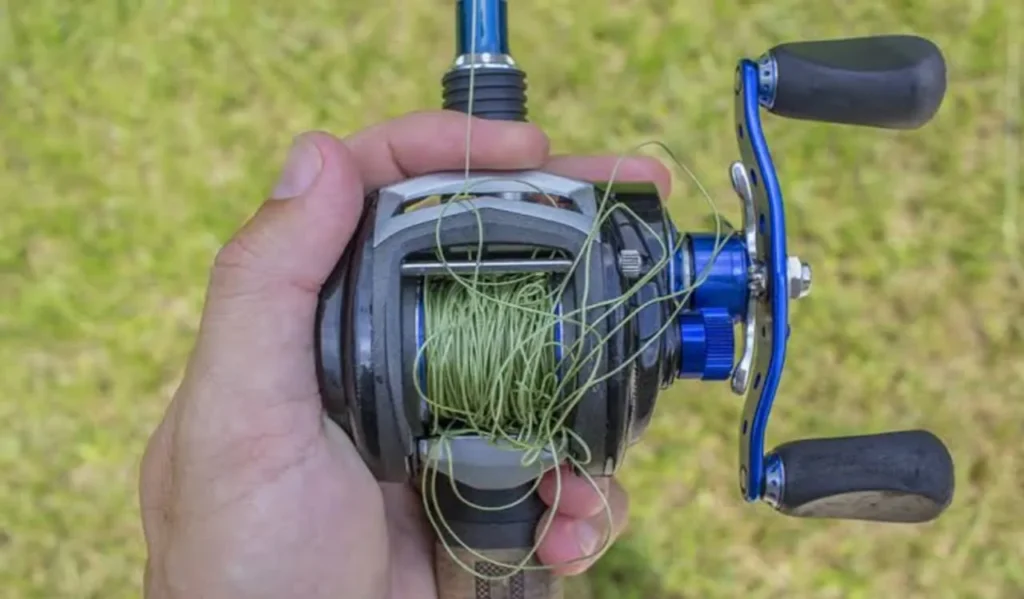
One of the biggest frustrations with baitcasting reels is backlash. This common issue can discourage many anglers from mastering these powerful reels. Backlash occurs when the spool spins faster than the line releases, causing tangles and knots. Understanding how backlash happens is key to casting more accurately and saving time on the water.
To master baitcasting reels without backlash, patience and proper reel setup are essential. Many anglers think backlash is unavoidable, but small adjustments can prevent it. Understanding spool tension, brake systems, and thumb control greatly reduces line overruns. This knowledge gives better control over the lure in different fishing conditions and setups.
Exploring Backlash Mechanics
The backlash occurs due to the fact that baitcasting reels have a rotating spool which releases the line whenever the reel is cast. At excessive speed, a lot of line accumulates in front of it as it gets off the reel. This is usually caused by ineffective brake settings, light lures, abrupt casting pressure or absence of the thumb pressure to control the spool speed in the right manner.
Spool inertia plays a major role in causing backlash during a cast. When the lure slows in midair but the spool continues spinning, extra loose line is created. Spool speed is also influenced by wind, lure shape, and rod load. By understanding these factors, anglers can anticipate backlash and adjust their technique to control it.
Choosing the Right Line
The choice of the appropriate fishing line has a significant influence on the prevention of backlash. Monofilament line is more accommodative and gives way a little, so it is the best to use by beginners. Fluorocarbon would be more sensitive, but must have tension adjusted. Braided line is fine and powerful but rigid and is likely to increase the backlash when the spool settings and casting method are wrong.
Spoil speed and control is also a factor of line diameter in casting. Fatter lines are more resistant and slow down the rotation of a spool and diminish the risk of backlash. The thinner lines release quicker and require superior control. Novices must not attempt very thin braid till they acquire experience, as it may cut into itself and form very serious tangles which are hard to undo.
Must-Read Guide for Anyone Looking for Top Rods
Adjusting Spool Tension Correctly
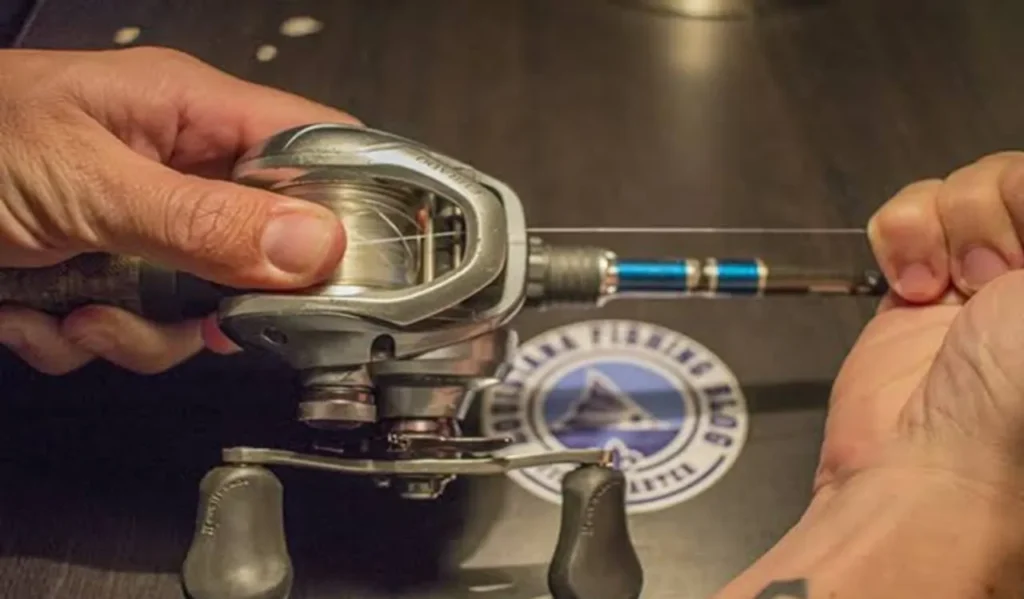
The most significant adjustment to make in order to avoid backlash is the spool tension. Turn the tension knob until when the reel is not engaged, the lure will fall slowly. When the lure hits the ground the spool must cease rotating. The spool is started in a controlled manner and there is less likelihood of overruns during the initial casting phase.
As casting skill improves, spool tension can be gradually reduced for longer casts. Beginners should focus first on controlling distance. Spool tension should stay slightly tight while building muscle memory. It’s important to regularly check tension, as lure weight affects how the spool behaves on each cast.
Adjusting of the Braking System
Baitcasting reels have magnetic, centrifugal or dual braking mechanisms to regulate the speed of the spool. To minimize spool acceleration beginners are advised to set the brake farther. These brakes decelerate the spool during the cast, particularly in midair, so that overturning does not occur and leads to the overrunning of the line and entangled backlash cases.
Confidence can be reduced gradually to cast further. Other environmental factors like wind might necessitate increased brake setting once again. The process of brakes adjustment is not a single-time thing but a continuous tuning process. Maximum backlash prevention is achieved by proper use of the brake and thumb control to completion.
Different Types of Fishing Reels and How to Use Each Reel
Mastering Thumb Control
The ability that distinguishes between novice baitcasting and advanced baitcasting is the control of the thumb. The spool is light pressured during the cast to aid in the regulation of speed. When the lure is taken closer to the water, the rotation of the spool is immediately terminated by pressing the thumb. This hand-braking does not allow line to run on even after hitting the lure.
Thumb control is a skill that is learned. Novices need to work on the sensation of rotating the spool and not the eye contact. Short casts will instill confidence and muscle memory. With time, thumb control becomes instinctive, and with fewer movements, the angler is able to cast more distance and still have full control over the manner in which the spool is operated.
Corresponding Lure Weight to the Reel
The weight of the lure used is very crucial to prevent backlash in baitcasting reels. Lures that are too light will not load the rod correctly and will not give good spool acceleration. Medium weight fishing lures offer improved momentum, which makes the line flow even during the casting and also minimizes the chances of overruns substantially.
The manufacturer specifies the best lure weight range of each reel. This range is better to stay in and enhance casting performance and control. Unless they are experienced, beginners must not use ultra-light lures. Matched lures will stabilize the speed of the spool and make it easy to prevent backlash and overall more consistent in casting.
Enhancement of Casting Method
The motion of the casting should be smooth to avoid backlash. Violent or jerking casts result in abrupt acceleration of the spool which increases the possibilities of overrun. A fluid casting stroke that is controlled in nature enables the spool to rotate consistently. When fishing, it is recommended that the angler should be able to load the rod naturally and release the lure smoothly to control the line.
The sidearm cast tends to be more difficult to master as compared to the overhead cast. Controlled and shorter casts will assist in the development of timing and confidence. With improved technique the casting distance is increased naturally. Narrowing on precision instead of pressure lowers resistance and leads to improved lure displays in other fishing scenarios.
Exercising in Controlled Environments
Fishing outdoors, in backyards or vacant fields, assists the fisher to practice the skill of reel control without distractions. The repetition is safe when practice plugs are used instead of hooks. The controlled settings make it easier to isolate casting technique, spool behavior and thumb control so it is easier to understand the influence of changes on performance.
Confidence and muscle memory are developed through regular practice. There are short, repeated casts which enhance the coordination of the rod movement and the spool control. Fishing in calm weather initially prepares the angler to wind and water resistance in the future. The quickest method of decreasing backlash and learning to use baitcasting reels is through practice.
Must-Read Guide for Top Picks of Best Fishing Reels
Understanding Wind Effects
Backlash in baitcasting reels is strongly affected by wind. Headwinds slow the lure in the air while the spool continues spinning, causing overruns. Tailwinds can increase casting distance but still require careful control. Crosswinds change the lure’s direction, making it harder to manage spool speed during the cast.
Backlash can be reduced by adjusting the brake and spool tension in windy conditions. Casting at lower angles helps minimize wind resistance. Anglers should adapt their technique and settings based on wind direction and strength. Understanding how wind affects lure movement allows smarter lure choices, reducing frustration and improving casting reliability outdoors.
Maintaining Your Reel
Backlash can be avoided by proper maintenance of reels. Dirty or dry bearings rotate with inconsistency resulting in unpredictable spool speed. Consistent cleaning and greasing will provide a good rotating performance and good braking. Fishing Reels in good condition react well to changes, and it is less difficult and more predictable to prevent backlash.
Too much bearing lubrication can make the spool spin too fast, increasing the risk of backlash. Use only the small amount of lubrication recommended by the manufacturer. Regularly check line guides, spool edges, and braking components. A clean, well-maintained reel improves casting control, reduces line tangles, and extends the life of the equipment.
Choosing the Right Rod
Blast action and force effect the backlash control a great deal. Quick loading fast action rods demand more of a smooth casting method. Medium action rods are deeper and they are more forgiving to the beginner. The best fishing rod features and the weight of the lure match the timing and spool control of the cast.
Rod length plays an important role in fishing. Shorter rods offer better control and accuracy, while longer rods allow longer casts but require more skill. Beginners often choose medium-length rods for a balance of control and distance. Picking the right rod works together with reel adjustments to help anglers avoid backlash.
Learning to Trust Progressively
The trust serves as a major aspect in avoiding backlash. Errors are likely to be nervous or hurried casts. The conservative settings start with the establishment of trust in the reel and technique. The angler has a means of becoming more fluent in his movements and timing, and is less likely to have to use heavy braking and tight tension, with confidence.
Improvement should be slow, steady, and intentional. Adjust one setting at a time and observe the results carefully. Celebrate small improvements instead of pushing yourself too hard too quickly. This controlled progress builds casting confidence and leads to smoother, more consistent baitcasting without frustrating backlashes.
How to Avoid Simple Beginner Errors
A lot of new drivers over-tighten the spool too fast and are concerned about the distance instead of control. This is a fault that can lead to a serious backlash. The other mistake that is often committed is neglecting the use of thumb control and resorting to brakes only. The correct technique involves the combination of mechanical adjustments with human operator input of the angler.
The wrong change of the weight of the lures without changing the settings of the reel also brings trouble. The lures would act differentially in the air. Novices would need to take their time and re-tune their reels whenever changing lures. There are no shortcuts and it is better to respect fundamentals to ensure constant improvement and a reduction in the number of tangles in fishing time.
Different Types of Fishing Rods and How to Use Each Rod
Adapting to Different Lures
The behavior of spools is different when using various types of lures. The aerodynamic lures such as crankbaits are cast easily whereas heavy lures provide air resistance. Poorly rigged soft plastics can spin in the air, come to a halt and backlash. Lure aerodynamics can make an angler know how the spool will react to the cast.
Control improves by adjusting the brake and tension settings based on the type of lure used. Using different lures helps anglers develop better adaptability. Experienced fishermen can adjust settings naturally by understanding lure design and behavior. Beginners learn through trial and error as they discover how each lure affects spool speed and line flow during casting.
Managing Line Level
Spoil level has an influence on casting. Spools that are filled to excess will spit out line too fast, and risk excessive backlash. Spools that are underfilled are less distance-yet are more controllable. Keeping the line level is the way to guarantee the predictable spool speed and stability in braking.
The majority of the manufacturers suggest filling the spool approximately to one-eighth inch of the rim. The balance permits the release of lines easily without too much speed. Regular checking of line level will help avoid an abrupt change in the behavior of casting and will help to maintain the same level of backlash prevention during various fishing sessions.
Developing Muscle Memory
Muscle memory is acquired by repetition and consistency. Repeated casting builds the body up to control the speed of the spool by instinct. With time, the angler will become used to thumb pressure, and will respond to the lure speed and flight without thinking about it. Practice helps in learning faster.
The initial technique is to use the same reel, rod, and line set up to strengthen technique. When muscle memory is achieved, an angler is able to get used to the new setups more easily. This is a natural control which significantly increases backlash and produces a better casting confidence and efficiency.
Being Patient During Learning
Baitcasting is something that is learned over time. The process includes backlash, which should not demoralize the angler. Every tangle has something to say on the behavior or the technique of the spool. Being composed when unraveling a line does no harm and strengthens the learning process instead of anger.
Development is different in people. It can be demoralizing to compare levels of skills with others. Instead concentrate on self-improvement. Patience is mastery and when backlash is handled, baitcasting reels are unsurpassed in accuracy, power, and control when used in serious fishing.
FAQs About Avoid Backlash in Baitcasting Reels
Final Thoughts
The art of baitcasting without backlash is acquired with knowledge, setup and practice. Knowing how to work the spool, using brakes properly and learning to control the thumb become confidence. Baitcasting reels are effective, efficient, and enjoyable tools with patience and consistency that will improve fishing performance and pleasure in different techniques and settings.
Mastery comes with patience and regular practice, not instant perfection. Every cast helps build muscle memory and awareness of spool behavior. As skills improve, adjustments become instinctive and backlash becomes rare. With the right mindset and setup, baitcasting reels turn from frustrating tools into reliable, high-performance equipment for serious and enjoyable fishing.