
Front Drag vs Rear Drag Reel: Best Choice for Your Fishing Style
Compare front drag vs rear drag reels to see differences in control, performance, maintenance and find the best reel for your fishing style.
Fishing reels are used to regulate tension in the line and also to control the fish when in a fight. The most common ones are front drag and rear drag reels, each having advantages and disadvantages. Knowing their mechanics, maintenance and appropriate use guarantees an improved performance, a stronger hook set and a higher result of fishing.
Front and rear drag reels vary in terms of construction, control and ease of use. When selecting a reel, the angler should take into account such issues as mobility, power, and precision of drag. Front drag reels are also suitable in heavy fish and saltwater whereas the rear drag reel are convenient and accessible thus a selection of the right one depends on the performance and the required mode of fishing.
What Is a Front Drag Reel?
The drag system of a front drag reel is positioned at the front of the spool and is able to be directly controlled in terms of line tension. This placement gives it high drag force, less violent action and more line resistance to fight big or violent fish. Spinning reels are normally employed in front drag and conventional systems of freshwater and saltwater fishing which aim at medium to heavy fish.
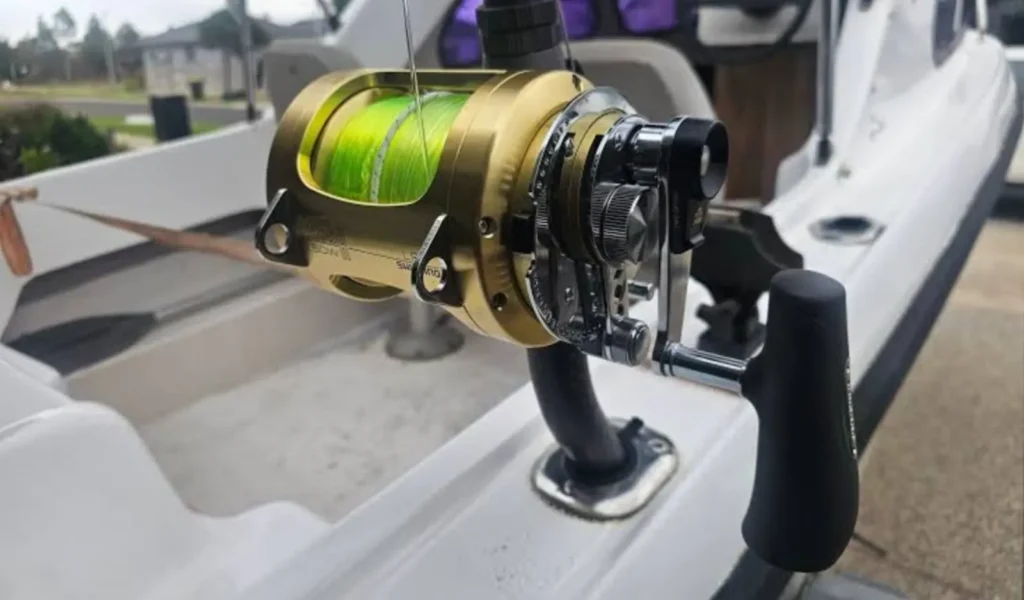
Front drag reels are strong and can be adjusted to fine tunes and they are perfect in long runs or deep water species. Their structure guarantees uniform performance and drag pressure free flow and minimizes the chances of a line breaking. They are heavier and somewhat more difficult to manoeuvre on the fly, but are of benefit in those cases where the line control is an important element.
What Is a Rear Drag Reel?
In rear drag reels, the drag is located at the rear of the spool and is usually more convenient to access and change when fishing. The design offers an easy and fast drag control with a lightweight and compact reel construction. The rear drag reels are preferred by first time or amateur fishermen, or those who want a reel that is easily accessible and simple to use in fresh water or light saltwater fishing.
Rear drag reels are medium-speed reels that are appropriate in small and medium fish species. They are less cumbersome to operate and service compared to front drag systems and lighter, thus long casting becomes more comfortable. They are good all-purpose and they have the necessary drag to be used by amateur fishermen and can be easily transported without loss of functionality.
Different Types of Fishing Reels and How to Use Each Reel
Drag Strength Comparison
Front drag reels have a reputation of being stronger in drag because of direct spool connection that will enable an angler to struggle with bigger, stronger fish. The design minimizes the slippage of the lines and maintains constant pressure in long runs. Front drag reels are commonly favored by fly fish and tuna or other catfish fishermen due to their dependability and inability to reduce their efficiency in heavy line handling.
Rear drag reels have a less powerful drag than the front drag reels, and are used to fish smaller freshwater types such as bass, trout and panfish. Although sufficient in light fishing, rear drag reels might not cope with heavy fish or saltwater. The medium drag is simpler to operate and easy to use by the beginner but restricts use in aggressive fishing conditions. Rear drag force is adequate to casual and recreational fishermen aiming at fish sizes that are manageable.
Ease of Use and Accessibility
Rear drag reels have some disadvantages in that, the drag adjustment knob is near the handle and is usually easier to operate. This enables the angler to make on the fly adjustments when fighting without losing grip. Novices will find rear drag reels easy to learn with easy and accessible control and less complex. They are also lightweight construction, meaning that they are comfortable to cast longer.
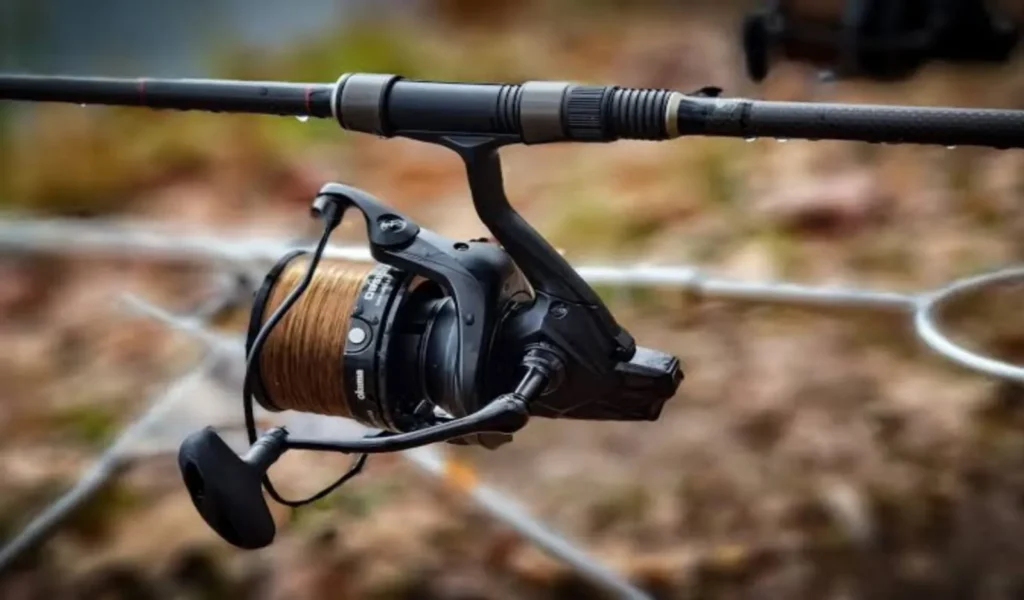
Front drag reels can be harder to control during action because the drag knob is located on the spool’s front. While they provide more power, they require careful handling and pre-setting of the drag for smooth performance. Experienced anglers appreciate the precise control and strength of front drag reels, which outweighs the minor drawback of slower immediate adjustments in extreme situations.
Fishing Style Suitability
Front drag reels are used where deep-sea fishing and large fish are targeted. They are good at trolling, bottom fishing, and high and constant drag pressure conditions. They are reliable and known to have a good line control thus they enable the angler to fight strong fish with the least line breakage resulting in a successful catch.
Rear drag reels are best suited to light freshwater fishing and recreational fishing and where there is need to be lightweight. They are used in inshore fishing, panfish and small to medium sized fish where a high drag is not required. They are lightweight and are easier to cast, and focus on convenience, accessibility, and ease of use rather than performance.
Different Types of Fishing Rods and How to Use Each Rod
Maintenance and Durability
Front drag reels need to be maintained frequently such as cleaning and lubricating the drag washers and the spool system. Their components with high pressure are sensitive to dirt, salt, and corrosion especially in salt water. With proper care the product has long performance and can run smoothly in high stress fishing conditions. Maintenance neglect may decrease the efficiency of drag and decrease the lifespan of the reel greatly in the long run.
Rear drag reels are usually less complicated to maintain since the drag is less cumbersome and more convenient. The rear drag washers and reel body are less often and easier to clean. Freshwater and light salt water durability is adequate though it can wear out more quickly with heavy loads. Correct maintenance prolongs service and eliminates complications like uneven drag, line slipping or poor performance in service over long periods.
Cost Comparison
Front drag reels are more expensive because they feature superior construction, advanced drag systems, and durability for heavy-duty use. Anglers may pay more upfront but benefit from greater reliability, stronger drag, and better performance in tough fishing conditions. Their high-quality materials, corrosion resistance, and precise engineering make them a worthwhile investment for serious anglers targeting large fish.
Rear drag reels are cheap and provide enough performance to one aiming at amateur and novice fishers. Their low cost due to their simpler design, less weight and moderate drag have made them comfortable to use. They are not the best in extreme conditions, but they do well in freshwater and with small-to-medium fish, and the necessary features are not compromised.
Must-Read Guide for Top Picks of Best Fishing Reels
Weight and Comfort
The rear drag reels tend to be smaller and less weighty making them less tiring during long castings. Their design is ergonomic making them easily handled particularly by beginners and casual fishermen. Lightweight reels are more compatible with shorter rods when used in ultralight or travel fishing rigs, which have a higher portability and comfort without much sacrifice of the basic operation to manageable species.
Front drag reels are heavier as the drag system and the spool are well constructed. The additional weight is more stable and balanced in the fight of big fish though it is a little more tiring to carry over a long period of time. Strain is minimized by proper fishing rods pairing and handling techniques. The trade-off is biased towards those who want strength, durability and high drag performance rather than convenience in terms of low weight especially in salt or heavy-fish conditions.
Choosing the Right Reel
Front and rear drag reels are based on the type of fishing, type of fish, and the ability of the angler. Front drag reels are good in catching big fishes in the salty water and also when an angler requires a tight control of the drag. They are powerful, durable and operate smoothly to provide confidence in the extreme conditions and reliability to perform even during a fierce fish battle.
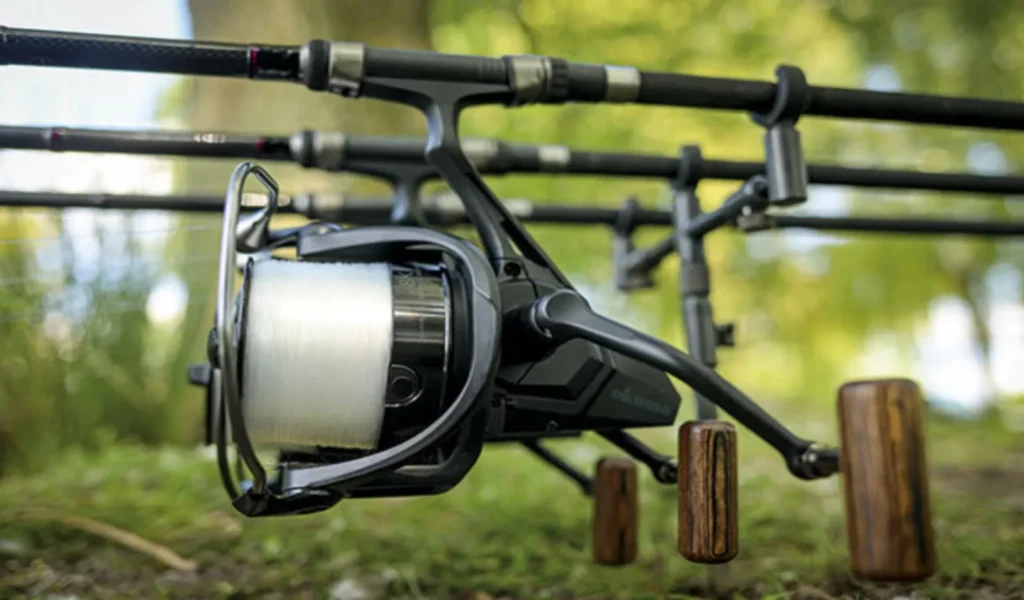
Rear drag reels are used in beginners, light freshwater fishing and casual use. They are easy to carry, light-weight and offer sufficient drag to average sized fish and are thus convenient to travel or family outing. In selecting a reel, you should keep in mind your purpose in fishing, the species you want to target, and your own comfort so that you can align the reel to your requirements.
Must-Read Guide for Anyone Looking for Top Rods
Which Should You Choose Reel
A front drag reel is the best option in case you often target big or powerful fish, fish in salt, or require a fine degree of control on the drag. It has the ability to sustain, provide high power and efficiency to meet any difficult fishing conditions. Experienced fishers enjoy its functionality, especially when trolling or bottom fishing or even in deep-sea situations where the drag of the product is crucial.
A rear drag reel is appropriate in case you are a novice, recreational angler, and basically fish in freshwater. It offers easy drag changes, portability and is powerful enough to catch small to medium fish. Rear drag reels are the best in terms of portability and long casts. The choice of the right reel will provide comfort and efficiency as well as an improved fishing experience in accordance with your skill level and the target species.
FAQs About Front Drag vs Rear Drag Reel
Final Thoughts
Front and rear drag reels are used to achieve various things and they have their advantages. Front drag reels are strong, precise and durable in large fish and salt water environment. Rear drag reels are convenient, lightweight, and easy to use and are recommended to beginners and casual fishermen who want to catch small to medium fish. The right reel will increase the level of efficiency and confidence in fishing which will make it successful fishing.
Finally, power, convenience, and desired use are the factors that should be considered in the process of selecting a front or rear drag reel. Novices and tourists might choose rear drag because it is easy and comfortable to use, but skilled fishermen who fish large fish use the front drag as it is more effective. The knowledge of the differences guarantees greater fishing success, less line breakage, and more pleasant and fruitful experiences on each trip.