How to Balance a Heavy Fishing Rod: Ultimate Guide for Beginners
Learn how to balance a heavy fishing rod for better comfort and control. Adjust reel, handle, line, and counterweights for smooth, fatigue-free fishing.
The heavy fishing rod is required to be balanced in order to increase comfort and precision as well as decreasing fatigue when doing extended fishing. A fishing rod that is not balanced may cause strain on wrists, arms, and shoulders thus making the process of fishing less pleasant. Balance is good to beginners and experienced anglers. Knowing how to adjust weight, manage and accessories will make the process of fishing to be more controlled and effective.
Balanced fishing rods enhances the accuracy of casting and the control of a line. It decreases wobbling in retrieval and increases fish bite sensitivity. Good balance also prolongs fishing without any pain. Learning how to support heavy rods, the angler can concentrate on the technique and strategy, instead of on physical effort, which will make each fishing trip more efficient and enjoyable.
Why Balancing in Fishing Matters
The not-balanced heavy rod may easily fatigue the angler. Uneven rods have an influence on the distance and accuracy of casting. The right balance will distribute the weight equally between the tip and handle hence making the rod easier to handle. Balance rods can be used in fights with fish, and it is easier to control them, and the equipment is not stressed as much.
Balancing also helps to avoid accidents or dropping of the rod. The asymmetrical weight distribution may lead to the fatigue or poor handling. In the case of beginners, the balanced rods enhance the learning curves, and such methods as casting, retrieving, and fighting fish become easier. All in all, rod balance is a critical factor in an effort to have a successful fishing trip that is comfortable and efficient.
Different Types of Fishing Reels and How to Use Each Reel
Understanding Rod Components
The handle, reel, guides and rod blank are some of the components that determine the rod balance. Balance is highly affected by the weight of the best fishing reels. The rod action, grip material and length of the handle are also factors. Knowing all the parts will enable an angler to make the set-up comfortable and responsive so that when using the rod one feels comfortable.
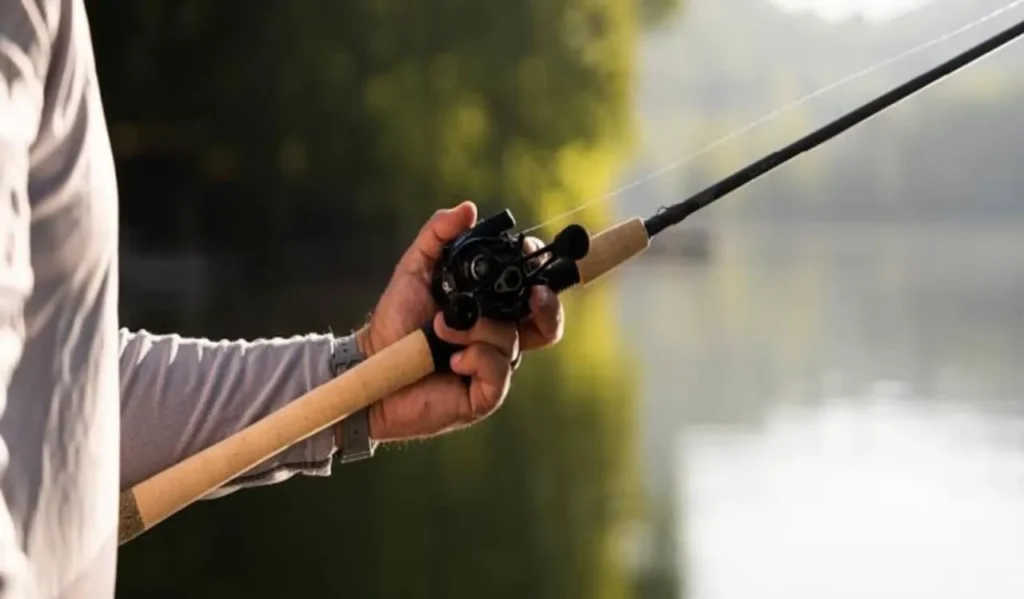
Various types of rods have varying balance points. Rods that are spinning are usually in front balance whereas baitcasting are likely to need back adjustments. It is also a good idea to know the natural position of the rod and this can help to ensure that the reel is set and handled in a way that maximizes its performance. Components awareness would help make accurate adjustments in heavy rods.
Reel Placement and Adjustment
The correct placement of the reels is important in balancing heavy rods. The center of gravity may be altered by positioning of the reel either forward or backward. To determine the position that feels the most comfortable, beginners are recommended to experiment with holding the rod in various positions to determine the point where the rod feels comfortable. Strains are minimized and control is enhanced by proper placement in fishing.
Make sure that the reel is firmly fixed. Loose reels may cause weight to shift at any time making it more unstable. Reel orientation can also be used to optimize casting mechanics. Even minor positions of the reels can make a big difference in rod feel and make heavy fishing rods not so hard to use and will help eliminate fatigue in long fishing days.
Must-Read Guide for Top Picks of Best Fishing Reels
Using Counterweights
Counterweighting of the reel with heavy reels can be achieved by adding counter weights. The center of gravity can be moved by having small weights on the handle or the opposite side of the reel. The counterweights ensure that the rod does not tip forward or backward, thus, making the fishing experience more comfortable and stable among the heavy setups used by the angler.
Counterweights should be applied with care so that there is no excessive compensation. Excessive weight makes one feel fatigued or less sensitive. Test small masses in order to have the rod balanced. Counterweights come in handy especially in salt water or big game fishing when the reels and rods are larger and heavier in nature and require adjustment to achieve optimum performance.
Grip and Handle Adjustments
The balance of the rod is influenced by handle length and the material in which the grip is made. The handle can be extended slightly or grips can be taken that are lighter to enhance comfort. Foam or cork grips have better control as well as weight reduction. The handle positioning should be tried to be at an optimum to make the rod comfortable at long hours of fishing.
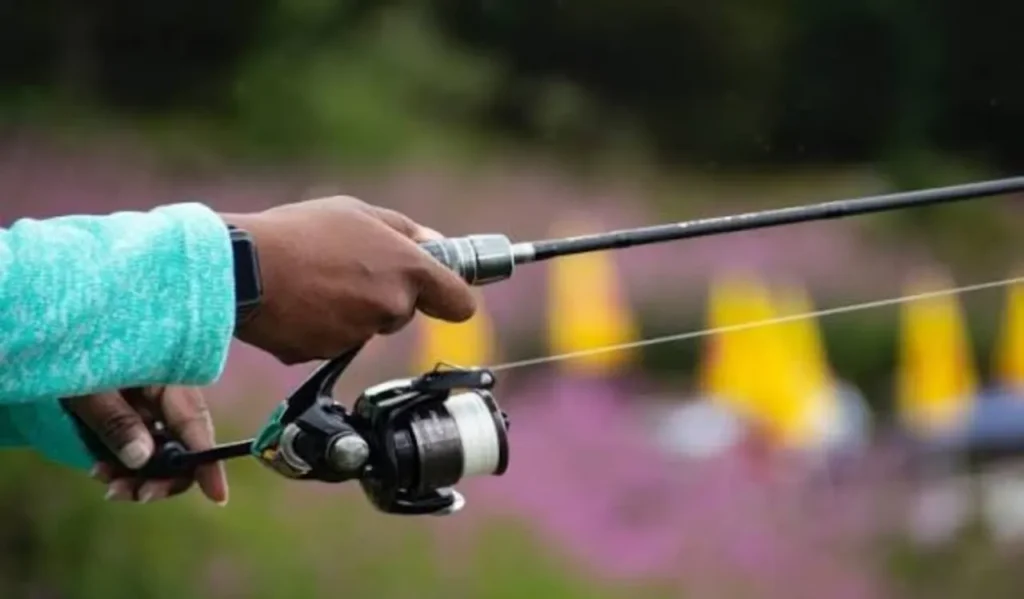
The grip width also allows spreading the pressure equally over the hand. Fitting of handles is done to ease strain and facilitate easy casting. Appropriate handle setup completes reel location and counterweights and makes a rod setup well balanced. Novices are fortunate to experiment with various settings to get the most comfortable and productive set up of heavy rods.
Must-Read Guide for Anyone Looking for Top Rods
Line and Lure Considerations
Rod balance may be influenced by heavy lures or heavy lines. Proper line strength and weight of lure can be used to achieve balance. Unnecessarily heavy combinations make the rods to either lean forward or backward. It is recommended that the lure size should be matched to the rod action and power, to have a better balance, easier casting, and better control, particularly in heavy rods.
Novices ought to play with various types of lures and weights of the lines. The set up can be adjusted to provide the angler with a natural feel of the rod. Combination of line and lure is matched appropriately to increase the range and accuracy of casting and detection of fish. It is by observing these that avoidable fatigability is prevented and general efficiency of fishing is enhanced.
Testing Balance Before Fishing
Test rod balance Holding the reel in place, hold test rod horizontally before casting. The rod must be stable and well-balanced and the least amount of effort is required to hold it steady. Adjust the minor adjustments in order to control, reel, or counterweights until the comfort is optimum. The tests will guarantee improved performance and strain in actual fishing situations.
Casting and retrieval Practice and balance testing. Gradually increase the adjustment according to the feel and comfort. By using a rod that has been tested, an angler can concentrate on his technique instead of having to balance it. By conducting trials, the rod will work efficiently and minimize cases of fatigue, which will provide high chances of success during fishing activities, particularly where heavy rods are used.
Different Types of Fishing Rods and How to Use Each Rod
Maintenance for Balanced Performance
Rods that are in balance should be carefully checked with reel connections, handle and guide positioning. Damages to guides and loose reels can cause a change in weight and balance. To keep the rod comfortable and efficient each time it is in use, it is recommended to keep the parts clean, lubricated and firmly fixed on the rod, especially when heavy setups are used.
Periodically check on corrosion, accumulation of dirt and damaged handles. Change or modify components where necessary. Balanced performance is not only required in the setup but also in maintenance. Through proper care, there is steady weight distribution, easy casting, and handling of the fishing gears which enable the angler to have a longer and more comfortable fishing time.
FAQs About Balance a Heavy Fishing Rod
Final Thoughts
A heavy fishing rod is more comfortable, controllable and effective in fishing. The positioning of reels, handle, line and accessories can be altered to minimize fatigue and enhance the accuracy of casting. Testing and fine-tuning balance makes sure that operation is smooth in the process of retrieval and fights with fish. Balanced rods allow pleasant, productive and safe fishing.
Balancing Anglers are more sensitive and endure longer. Strain and equipment damage are avoided through maintenance, thorough installation and gradual modifications. Both beginners and professionals can easily deal with heavy rods with practice. The balanced rod improves all the facets of fishing including the casting and recovery, as well as the struggle of the fish and the outdoor experience.