
How to Choose the Best Gear Ratio for Your Reel: Ultimate Guide
Learn how to choose the Best Gear Ratio for Your Reel speed, power, and control to improve lure action, retrieval, and catch rates efficiently.
When selecting the most appropriate gear ratio on your fishing reel, it is important to ensure that you choose the most effective gear ratio that enhances efficiency, control, and performance of fishing. Gear ratio has a direct influence on the speed of line retrieval, the action of the lure, the hook-setting strength, and the fighting fish. This knowledge of gear ratios is important to enable the angler to pick the right reel to use in fresh water, salt water, spinning, or baitcasting reel.
Knowing reel gear ratios helps an angler to pair fishing reels with techniques, target species and lure types. Regardless of the type of crankbaits being used, slow moving or fast reaction baits, the appropriate gear ratio will increase the consistency in retrieval, reduce fatigue, and control. Novices and seasoned fishermen can use this knowledge to understand the effects of gear ratios in their general success in fishing.
What Is a Gear Ratio?
Gear ratio is the number of times that the reel spool turns each time the handle is turned. An example is a 6.4:1 ratio which implies that the spool will rotate 6.4 times each time. Gear ratio is used to control the speed of line retrieval when casting, lure control and fighting fish. Knowing it is necessary in the choice of the appropriate reel depending on the fishing method and the species.
Spinning reels and baitcasting reels have gear ratios marked on them, which makes it easy to compare the two when purchasing fishing gear. Higher ratios will retrieve line quicker and lower ratios will give more torque in heavy fish and lure. Gear ratios help the angler to select the reels that suit best in the type of fishing they will engage in, what kind of lure to use and how to use it to achieve maximum performance and efficiency on that particular trip.
Different Types of Fishing Reels and How to Use Each Reel
Why Gear Ratio Matters in Fishing
The gear ratio has a great impact on the presentation of the lure, the speed of retrieval, and the fishing performance. Fast gear ratios enable the angler to recover slack line at a high rate, which makes it effective with reaction baits, topwater lures, and aggressive fishing techniques when they need to catch fish in fast mode when the fish are in a frenzy and to strike the fish within seconds to ensure success in getting the fish.
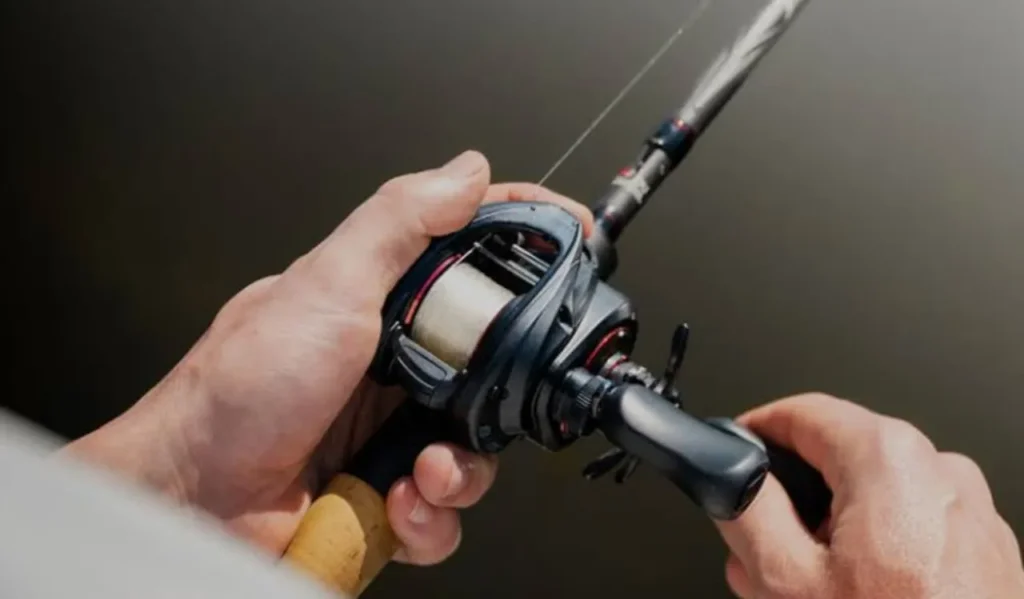
Redder gear ratios are more torque giving, which helps in getting heavy lures and managing powerful fish species. The right gear ratio will enhance the lure action, decrease the fatigue, and maintain the consistent pressure in the long sessions. The right gear ratio choice assists an angler to keep the fish at bay and to increase efficiency, accuracy and overall fishing activities in diverse water bodies.
Low Gear Ratio Reels Explained
Low gear ratio reels have typically been 5.0:1 to 5.4:1, but they mainly emphasize torque over speed. These reels draw in line gradually yet enable the angler to draw heavy lures or deep-diving crankbaits very well. They are perfectly suited to large swimbaits, deep water methods and a scenario where a steady and controlled retrieval is necessary to lessen fatigue and enhance lure presentation.
Small gears also enhance control in fighting big and powerful fish because there is constant pressure. Anglers are subjected to less tension in long retrieves and thus is applicable to heavy lures and deep water. These reels are also superb in catching bass, pike and other powerful species and this makes the angler have confidence in fresh water as well as in the saline waters.
Different Types of Fishing Rods and How to Use Each Rod
Medium Gear Ratio Reels Explained
The most common medium gear ratio reel is the range of 6.0:1 to 6.5:1, which is a balance of speed and power. They are generalists, and cope with several fishing styles, types of lures and fresh water habitats. Medium gear ratios enable the angler to retrieve the line easily and still offer sufficient torque to heavier baits, and thus they are useful to a beginner and multipurpose fishing equipment.
These reels suit best the spinerbaits, soft plastics and the topwater lures with flexibility to any fishing scenario. The speed and control of medium gear ratios is advantageous to anglers as they desire to have a single reel that can be applied to many techniques without necessarily having to switch equipment or compromise performance when fishing over an extended period.
High Gear Ratio Reels Explained
Reels with high gear ratio ratios usually have a starting gear ratio of 7.0:1 or more, and offer very fast line retrieval. They are best used in reaction baits, in the top water lures, and when quick pick up of slack line is needed. High gear ratios assist the angler to react promptly to the attack, enhance the hook-setting and to retain control in case of aggressive fishing or when pursuing swift moving freshwater or saltwater fish.
High gear ratios are commonly employed by an angler in competitive fishing, surface lures, and in light tackle environments. These reels enhance the power of casting and the speed of managing the line and make multiple casts within a short time when fishing a tournament or active fishing. Quick retrieval assists in the constant action of the lure, slack line problems are minimised and the general success of fishing is enhanced.
Matching Gear Ratio to Fishing Techniques
Fishing technique is matched by proper gear ratio to enhance the effectiveness and action of the lure. Lures with slow speeds such as crankbaits are more effective on low gear ratios whereas those with high speeds such as reaction baits are more effective on high gear ratios. When technique and reel speed are properly matched the chances of success in fishing are improved.
A good choice of gear ratio improves the hook-setting performance, bite detection and lure control. It allows easy and steady retrieves and makes arms less tired during lengthy fishing periods. Adjusting the gear ratio to technique enables the angler to keep the lure acting correctly, increase the overall catch rate and fish more productively in freshwater and saltwater.
Must-Read Guide for Anyone Looking for Top Rods
Gear Ratio for Freshwater Fishing
There is a very big range of methods used in freshwater fishing and medium gear ratio is the one that is best suited to this. These reels are effective in lakes, rivers, and ponds of different depth and complexity in catching bass, trout, and panfish. Medium gear ratios are a balance between speed and torque under the general fishing conditions.
Topwater lures perform well with high gear ratios whereas deep-diving crankbaits perform well with low gear ratios. The right gearing ratio increases efficiency, better presentation of the lure, and less fatigue. Freshwater fishers are able to fish a wide range of species with a lot of confidence and achieve maximum performance with the right gear ratio.
Gear Ratio for Saltwater Fishing
Saltwater fishing is a more vigorous and fast and needs reels that are durable and powerful. Middle and low gear ratios are used in offshore and inshore fishing when the ability to retrieve heavy lures and control powerful fish such as tuna, snapper or striped bass is important. The high gear ratios are suitable with fast-moving species and surface baits.
The selection of the corrosion resistant reels with the appropriate gear ratios guarantees the long performance and the high-quality functioning. Choosing the reel that is compatible with the technique, target species and the water conditions enhances efficiency and success in the harsh salt water environments.
Must-Read Guide for Top Picks of Best Fishing Reels
Beginner Tips for Choosing Gear Ratio
Novices are advised to use medium gear ratio reels because they are well balanced in terms of speed, power, and versatility. This enables the use of a single reel to learn a variety of techniques, and it will not be necessary to have several tailored setups, and it will be easier to cast, retrieve, and fight fish in a variety of freshwater and saltwater environments.
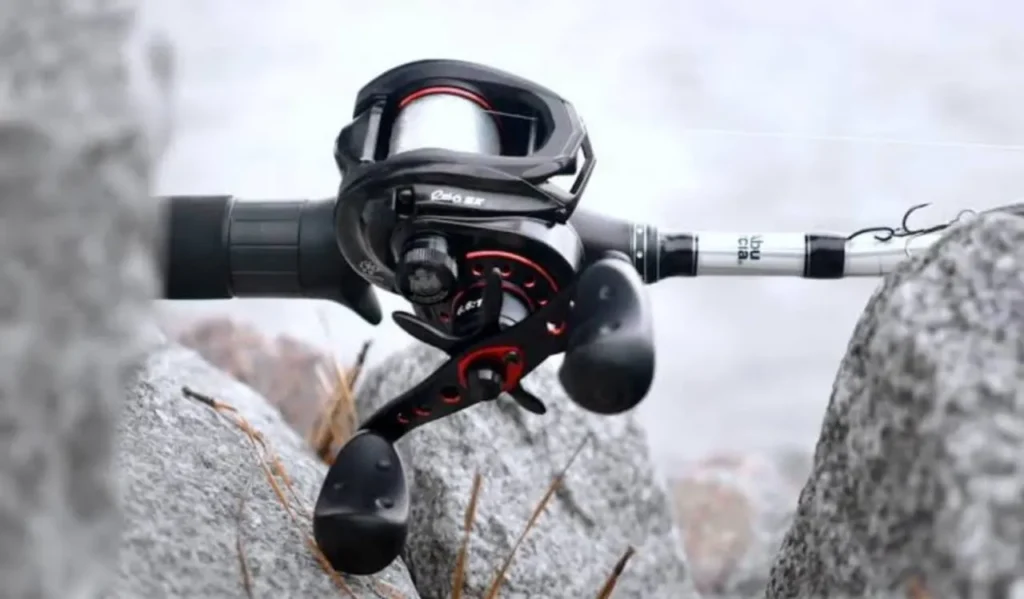
The emphasis on the easy retrieval, comfort and balanced performance enables the beginners to practice and get better in a short period of time. As the experience increases, the angler may increase his or her collection of gears by buying specialized reels with particular gear ratios to apply in specific methods. The appropriate choice of the gear ratio allows easy learning and more enjoyable fishing experience.
Common Gear Ratio Mistakes to Avoid
The most common mistake is to operate with a high gear ratio without consideration of type of lure or mode of fishing. The speed is not always associated with better results and can reduce the control with heavy lures. Failure to consider the torque requirements leads to loss of catches and frustration. With proper knowledge, efficiency and errors are prevented.
The other mistake is that the low torque reel should not be used with big and powerful fish. When choosing a reel, it is not worthwhile to choose it without taking into account the fishing conditions, the weight of the lure, and the target species. Proper gears ratio selection maximizes control, consistency and successfulness of the long term fishing. Knowledge of errors guarantees more effective, pleasant and fruitful fishing.
FAQs About Best Gear Ratio for Your Reel
Final Thoughts
Gear ratio selection is a very important aspect in fishing and can make or break your reel and its performance. Knowing the effects of speed and torque enables the angler to correctly match the reels with methods, types of lures, and species. The appropriate choice of gear ratio enhances the line recovery, hook setting, the behavior of the lure, and alleviates the fatigue in the process of fishing expeditions on a regular basis.
With the right gear ratio, the angler is able to have a greater level of control, a smoother retrieve, and more successful fishing time. Freshwater and saltwater fishermen can both use knowledge of gear ratios and their use. Proper selection guarantees confidence, higher catch rates and pleasant fishing experiences in every environment, technique and target species always.