Boat Fishing Guide for Beginners: Tips, Gear and Best Techniques
Boat fishing guide with boats, rods, reels, lines, baits, techniques, safety tips, mistakes, and beginner advice for freshwater and saltwater success.
Boat fishing enables the fishermen to access deeper waters, underwater structures and offshore waters that cannot be accessed on land. It is more mobile and has a greater depth control, as well as a broader range of fish species. Boat fishing aids numerous methods and species of fish in calm lakes to open oceans. It also enhances casting angles and lure presentation which aid the angler to have more consistent catches.
Boat fishing also increases the learning aspect since the angler is able to learn about the structure of the water, water temperature and movement pattern of the fish. When an angler has good control of the boat, they can be able to sit directly over feeding areas. Boat fishing has its drawbacks in terms of necessary equipment and safety awareness, but it drastically enhances the fishing possibilities and choices, so it is the choice of serious and recreational fishers alike.
What Is Boat Fishing?
Fishing on a water vessel instead of land is known as boat fishing. Anglers travel by boat to get to deeper water, offshore structure, drop-offs and open water fish populations. This gives access to species that hardly approach the shore. Flexibility to move about with boats is also achieved as per the movement of fish and weather conditions.
There are a number of styles of boat fishing, which include trolling, jigging, vertical fishing, as well as casting. It is carried out on reservoirs, rivers, lakes and oceans. Anglers are able to be more strategic with depth control, sonar accessibility, and wide movement range. Fishing in the boat is very expansive; it necessitates appropriate navigation expertise and knowledge of water safety.
Types of Boats Used for Fishing
Various fishing boats are used in varying conditions and fishing styles. The small aluminum boats are mostly used in freshwater lakes and rivers, as they are affordable and lightweight. Bass boats are fast, have big casting decks and have inbuilt storage facilities. Pontoon boats are comfortable and stable with the family fishing, and moderate fishing performance.
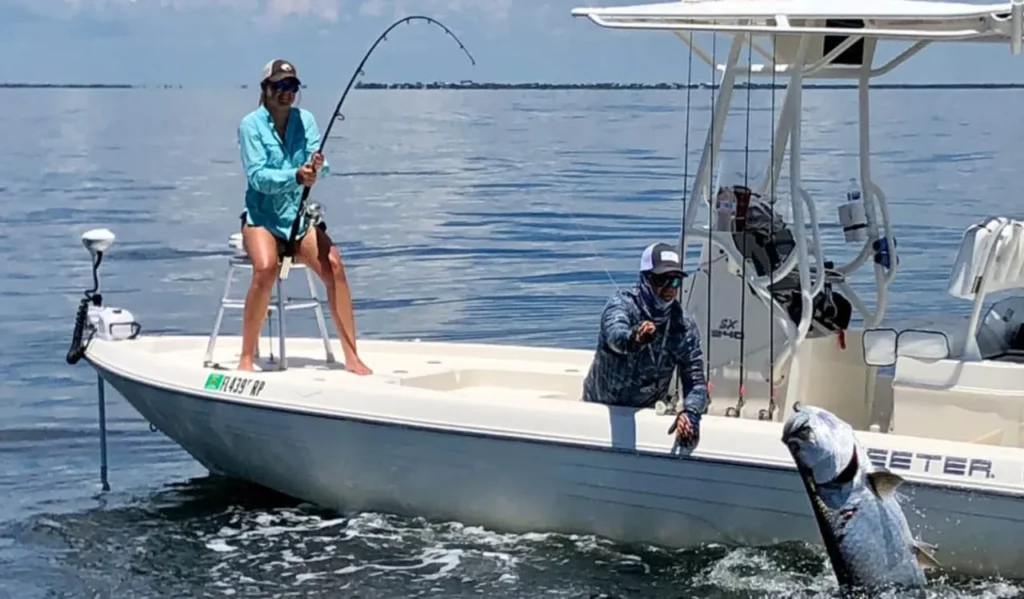
In the case of saltwater fishing, the boats mostly used are center console boats, cabins cruisers and offshore fishing boats. Quiet shallow-water fishing is also done using kayaks. Both types of boats have special benefits in their ranges, stability and fishing capacity. The selection of an appropriate fishing boat is dependent on the target species, water, budget and fishing style.
Rods and Reels for Boat Fishing
The choice of boat fishing rods depends on the size of the species, the depth of the water and the method of fishing. In bass, walleye and inshore saltwater fishing, medium and heavy power rods are typically used. Shorter rods give a better leverage in narrow spaces whereas longer rods have a better casting range in off shore fishing or trolling in large areas.
Spinning reels are preferred in casting and finesse fishing when in boats whereas baitcasting reels provide control of heavier lures and precision. Deep-sea and trolling applications are done on conventional reels. Boat fishing requires smooth drag operation due to the tendency of hooked fish to take off on a run under the boat in a protracted struggle.
Must-Read Guide for Top Picks of Best Fishing Reels
Fishing Lines Used in Boat Fishing
The fishing lines applied in boat fishing include monofilament, braided and fluorocarbon lines based on the fishing method and setting. Trolling and live bait fishing Monofilament is the best to use because it absorbs shocks. Braided line is extremely strong and sensitive when used in deep-water jigging and vertical fishing. Stealth and abrasion resistance Leader The leader is commonly made of fluorocarbon.
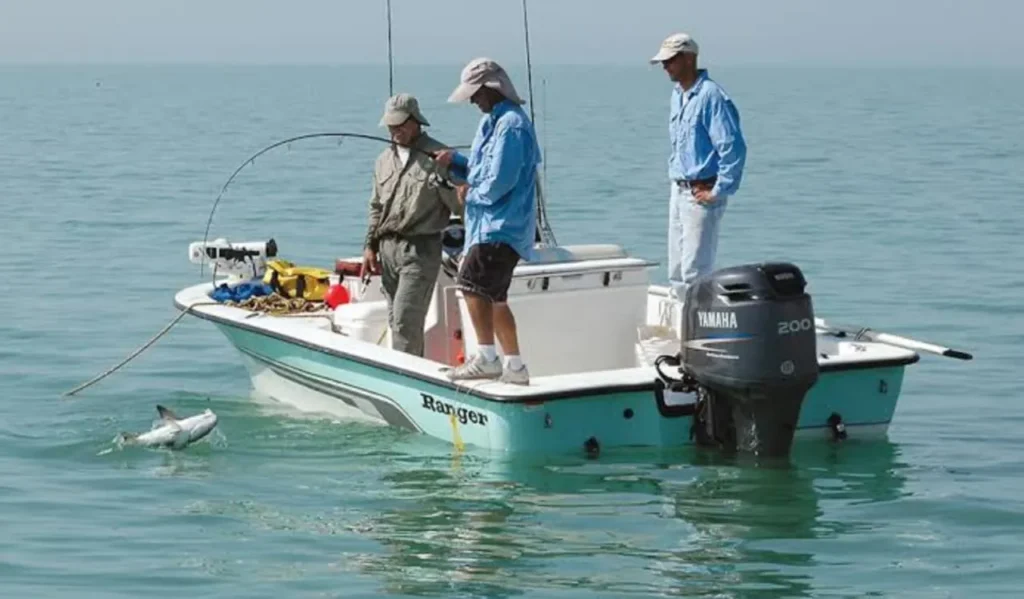
The strength of the line ranges as finesse fishing is eight-pound test and offshore predators have a strength of more than eighty-pound test. The line choice will keep the break-offs off, the lure presentation will be better and the hook sets will be solid at deeper depths. The high-energy performance of the line is required in boat fishing since the fish tend to strike more aggressively and fight longer since they have more access to water.
Best Baits and Lures for Boat Fishing
Boat fishing enables fishing people to utilize a broad assortment of living bait and Artificial lures. Live baits, including minnows, shrimp, squid, and worms are very effective in offshore and inshore fishing. Crankbaits, jigs, soft plastics, spinners and spoons are examples of artificial lures covering various depths and swimming behaviors.
The boat moves slowly, but covers large areas, with the help of trolling lures. Vertical jiggs are used to strike deep water species that are close to the structure. The selection of the appropriate bait is determined by the target species, clarity and depth of water. The boat fishing allows an angler the opportunity to test various bait styles on one trip out.
Different Types of Fishing Rods and How to Use Each Rod
Boat Fishing Techniques
Boat fishing provides a number of strategies, such as trolling, drifting, vertical jigging, anchoring, and casting. Trolling involves large zones by dragging lures following an advancing boat. Drifting enables free movement of natural baits in productive areas. Vertical jigging is an under-the-boat method of vertical up and down movement of the rods targeting deep fish.
Boat casting is aimed at shore cover, reefs and docks and submerged vegetation. Anchoring enables an accurate positioning of bait at a single productive position. The techniques are associated with various rod configurations and retrieval rates. Effective boat fishers are always changing their methods in accordance with water level, fish behavior, strength of current, and weather situation during the fishing process.
Target Fish Species for Boat Fishing
Fishing on boats focuses greatly on a large range of both fresh and sea water species. The freshwater targets are bass, walleye, crappie, pike, musky and catfish. The species of saltwater boat fishing include snapper, grouper, tuna, kingfish, mahi-mahi and sharks. Offshore fishing gives access to predators of trophy size, which is not found in shallow waters.
The movement of the boats provides the angler with the ability to track the movement of fish with seasonal changes. Fish migrate to shallow areas during spawning periods and to deep areas during extreme temperatures of either hot or cold. Boat fishing also provides the fishermen with access to fish all year round. This adaptability renders boat fishing one of the most fruitful and thrilling fishing approaches in the entire globe.
Different Types of Fishing Reels and How to Use Each Reel
Boat Fishing Safety Tips
The greatest concern in boat fishing is safety. All the fishermen are advised to put on a life jacket at all times, particularly when they are being transported or in turbulent waters. Emergency equipment such as fire extinguishers, signaling, navigation lights and first aid kits are to be fitted in the boats. Fishing trips require weather checks before and during the trip.
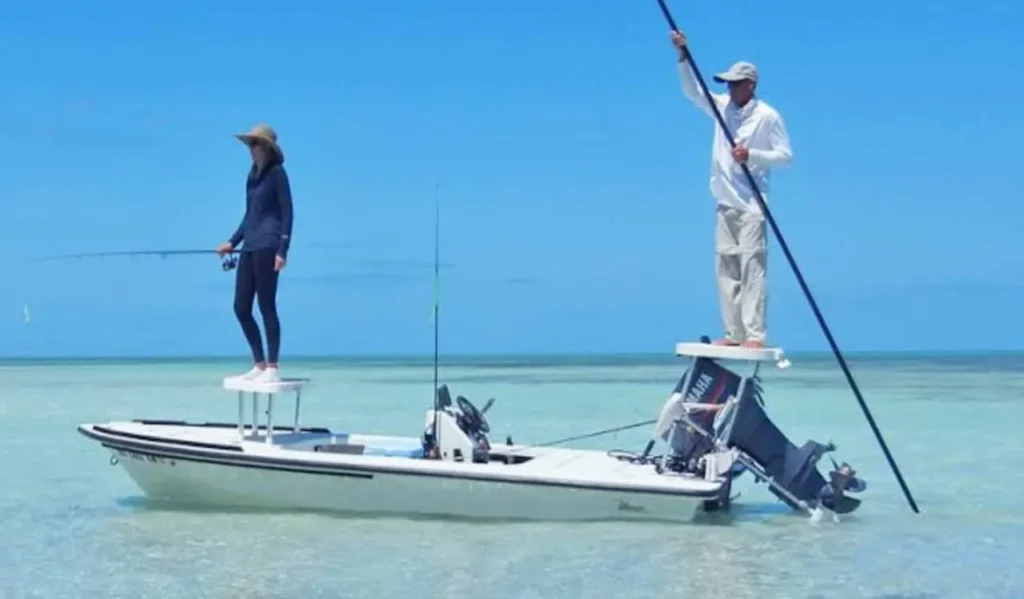
Adequate balance of boats helps avoid capsizing in unforeseen motion. This should be done with hooks, knives, heavy tackle in order to prevent injuries. Cleaning up decks helps to avoid tripping. In using boats, alcohol should not be taken. Proper boating also means that there are no accidents, injuries, or unnecessary risks on the open water to enjoy the fishing.
Common Boat Fishing Mistakes
Poor positioning over productive structures is one of the most frequent errors that are made when fishing in a boat. Anglers have a tendency of drifting at too high speed or anchoring at the incorrect location. Another common mistake is the use of improper line strength of the depth species and target species. This may result in shattered lines and lost fish in tough battle beneath the boat.
Most of the angllers also fail to pay attention to the weather changes that may make calm water hazardous within a short period of time. Carrying extra equipment into the boat that is not necessary decreases the efficiency and safety. Failure to change the settings of drags will result in equipment failure. These errors can be corrected to enhance success and safety in boat fishing expeditions.
Must-Read Guide for Anyone Looking for Top Rods
Boat Fishing for Beginners
Fishing from a boat can be easy if safety rules and simple setups are followed. Beginners should start on calm freshwater lakes using spinning gear and live bait. This helps build confidence while learning boat handling, casting angles, and fish-fighting techniques. Practicing slowly improves lure presentation and reduces mistakes during casting.
Novices need to pay attention to safety rather than technique. It is necessary to wear life jackets, learn the basics of navigation, and be familiar with weather conditions. The use of small boats assists in experience. Through practice, novices are soon out of their simple casting to more complex methods such as trolling and vertical jigging and are able to experience the full value of boat fishing.
FAQs About Boat Fishing Guide
Final Thoughts
The unlimited access of deep water, offshore structure and migrating fish offers unlimited opportunities to the fishermen in boat fishing. It immensely expands the casting, control over lure presentation, and fishing efficiency. Fishing freshwater lakes or saltwater oceans, boat fishing enables the fisherman to access fish and sizes not always accessible on the shore.
Boat fishing has high rewards despite the fact that it takes more preparation and safety awareness. The availability of better fish, large species, and variety of techniques ensure that each trip is exciting. Boat fishing is one of the most enjoyable and fruitful fishing experiences that can ever be passed to an angler with the right gear, safe fishing and practice.