How to Choose Telescopic Fishing Rod: Ultimate Guide for Beginners
Learn how to choose telescopic fishing rod with tips on length, material, action, and power for beginners and experienced anglers.
Telescopic fishing rod is compact, portable and a best fishing rod to be carried by an angler. The selection of the appropriate one is based on the target species, the mode of fishing, and individual preference. This guide discusses such significant factors as material, length, action, and power. Knowledge of these characteristics enables an angler to make prudent decisions and have productive and pleasant fishing experiences.
Telescopic rods fold to be easily stored and carried without any performance lost. Nevertheless, a poor choice of the rod may result in bad casting, loss of sensitivity, or missing equipment. This manual offers tips, professional advice, and guides to search the best telescopic rod when going fishing in freshwater or saltwater areas, without considering whether one is a beginner or an expert.
Determine the Target Fish Species
The rod that you will use depends on the kinds of fish you are intending to fish. Small species such as the trout or panfish will use light rods, whereas the heavier ones will be used with bass, catfish or saltwater fish. Being aware of your target fish will also make sure that the rod is as strong and acts accordingly to the performance needed, so that the line does not break and your chances of catching are increased.
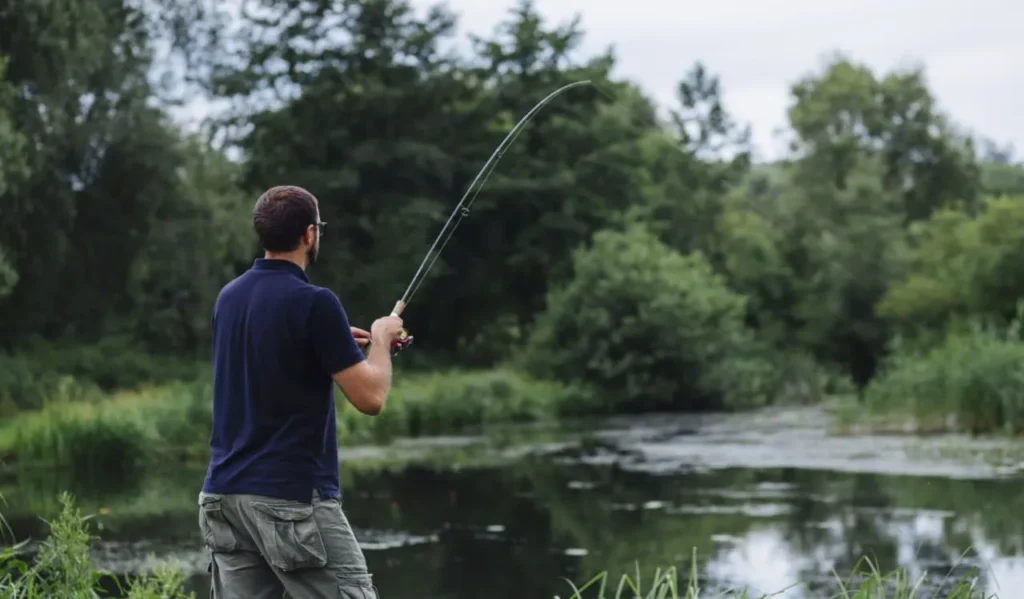
Look at weight, fighting characteristics and habitat of fish and select a rod. Small fish have delicate tips to detect bites and bigger fish have hardy rods that are used to control them. The right rod with the right species will guarantee easy handling and effective fishing whereby the angler will have more fruitful trips and less likelihood of damaging the rod.
Choose the Right Rod Length
The telescopic rods range between two and twelve feet. The longer rods have a longer distance of casting and high leverage in large fish whereas the shorter ones are portable and give you accuracy. The choice of the proper length is based on the place of fishing, the species of fish and the convenience of carrying it, and performance and convenience of storage are balanced.
Take length in consideration when river, lake or shore fishing. Small rods are conveniently used when traveling and backpacking and long rods are used in open waters where the casts have to be longer. Test the performance of the rod when it is closing and the maximum length it can get. The correct length enhances accuracy, casting effectiveness, and handling, and makes the fishing pleasant without any losses.
Must-Read Guide for Anyone Looking for Top Rods
Understand Rod Action and Power
Rod action is the degree of bending of the rod when it is pressurized. Fast action is bent close to the tip, which gives the ability to bite and set a hook fast. The rod is bent in the middle or slow and provides more control over bigger fish. Pursuing action with the kind of fishing style enhances accuracy, efficiency and hook-setting results.
Rod power represents lifting power and strength. Light power is suitable to small fish, medium to general freshwater, and heavy to large or saltwater fish. Power selection eliminates rod overloading and line break. The telescopic rod has the ability to give control, strength and consistency to the species being targeted and is therefore a combination of the right action and power.
Material Matters: Carbon vs Fiberglass
Carbon fiber or fiberglass is used to make telescopic rods. Carbon rods are light, sensitive and enduring which would be suitable during long casts and detecting faint bites. Flexible, strong and forgiving, fiberglass rods can be used by a beginner or heavy-duty fishing. The choice of materials has an impact on the rod feel, sensitivity, and performance on the trips.
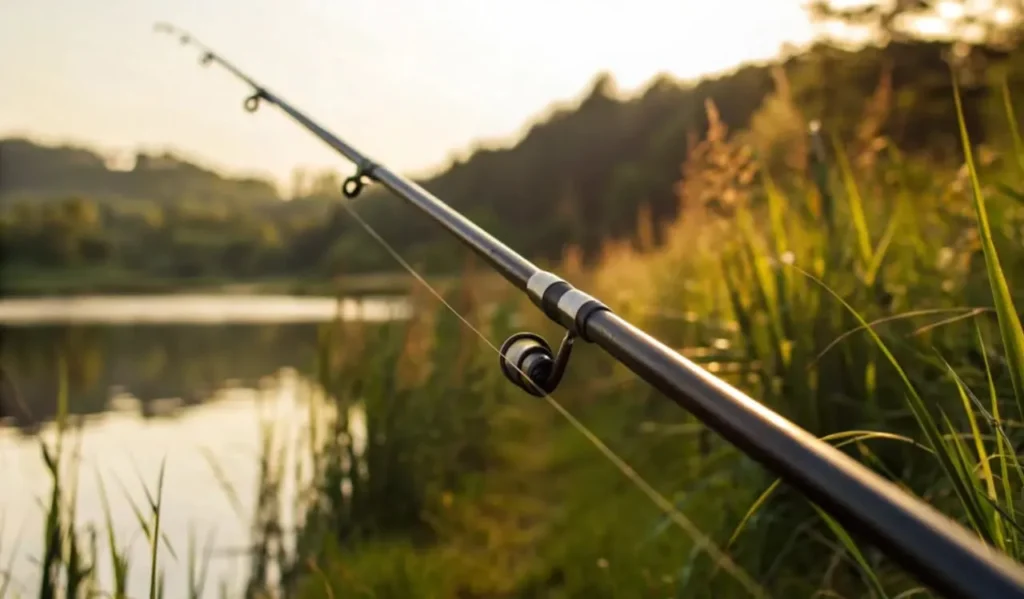
Look at the material and its durability in relation to traveling. Carbon rods are good in accuracy and cast over a long distance, whereas fiberglass is durable in rough handling and deep sea fish. Others are made of a mix of the two materials to be versatile. The choice of material will guarantee that it is comfortable to handle, less tiresome, and performance is constant, which makes fishing enjoyable.
Check the Rod Guides and Reel Seat
Rod guides direct the flow of the control line either in casting or retrieving. Quality guides are usually ceramic or stainless steel, reduce friction, and eliminate tangles as well as ensure line is not damaged. Make sure that there are the right amount of guides, and that they are placed in the right location. Proper guides make operation more accurate, longer, and have a smoother operation.
The reel is attached to the rod in reel seats. Adjustable long-lasting seats are stable and comfortable. Check locking mechanisms to ensure that they fit tightly and that they fit your type of reel. A reel seat designed well will enhance control, lessen fatigue and make sure that your telescopic rod will serve you in a dependable manner both in freshwater and saltwater.
Must-Read Guide for Top Picks of Best Fishing Reels
Consider Portability and Storage
The telescopic rods are valued due to their portability. Weight and length of checks made to be light and easy to transport. Perfect rods do not interfere with the performance of backpacks, car trunks, or luggage. Anglers, backpackers or even urban fishers, who need to travel with convenience must have portability without compromising on fishing efficiency or the life of gear.
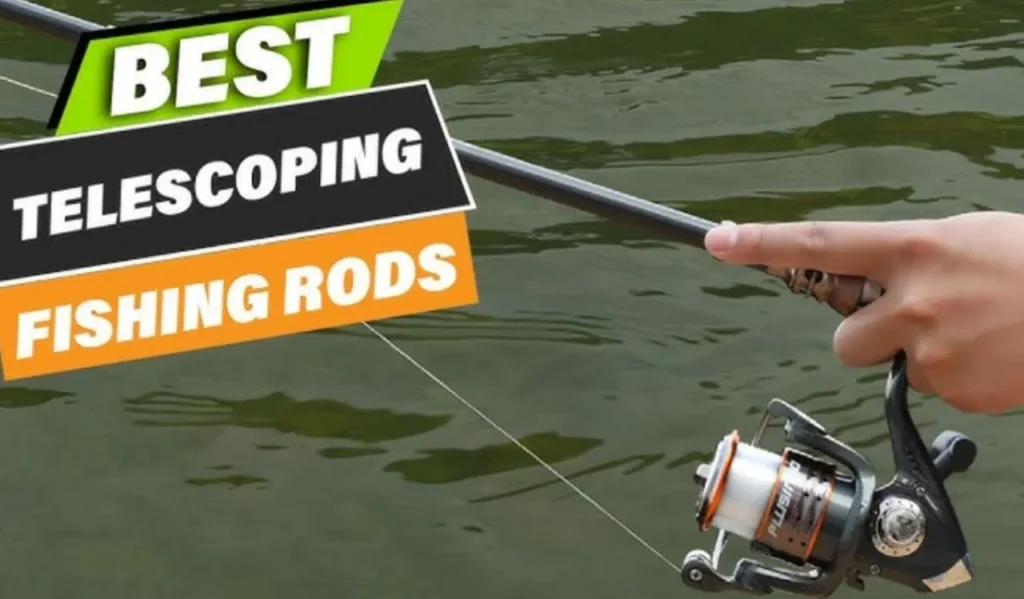
Durable carrying cases ensure that rods are secured in the course of storage and transport. Think of the smoothly collapsing rods that have locks to ensure they do not damage accidentally. The lightweight rods minimize fatigue during hikes or during the long sessions. Assessment of portability features provides the assurance that the angler can easily carry and store his or her telescopic rod and still be prepared to take up any impromptu fishing.
Budget vs Quality Considerations
Although the telescopic rods vary in cost, balance and price. Low end rods can easily break or play poorly whereas high end rods are strong, have smooth action and are more sensitive. By investing on good rods, the success rates, comfort and long term satisfaction would be enhanced. There are cheap alternatives but with a well-thought-out choice, one will be assured of value.
Compare materials, guides, reel seats, and general construction prior to purchasing. Do not use too cheap rods that will ruin performance. Mid-range rods are typically a good compromise in cost and quality which can be used by the majority of the angler. The most important aspects to consider are features, durability and usability that will make your telescopic rod have reliable performance and make your fishing enjoyable.
Different Types of Fishing Rods and How to Use Each Rod
Tips for Maintaining Telescopic Rods
Well maintained telescopic rods have a long life. When saltwater is used, it is necessary to rinse rods with fresh water and dry thoroughly and lubricate reel seats. Cracks or debris Check guides and examine lines frequently. Routine maintenance averts breakages, keeps the gears running smoothly and rods are always ready whenever one wants to go fishing.
Keep the rods of the store in protective cases so that they do not get scratched and bent. Do not force rod parts in collapse or extension. Wear and tear are detected through regular inspection and avoided during trips. The adherence to maintenance procedures enhances life, minimizes the chance of failure and maintains rod sensitivity, which makes every fishing time more productive and pleasant.
Different Types of Fishing Reels and How to Use Each Reel
Common Mistakes to Avoid
It is not advisable to use a wrong rod on a target species. Light rods can be broken by overloading them or by the use of heavy line. Poor performance is caused by improper casting methods, improper storage or failure to maintain. Knowing the limits of your rod and practicing best techniques will guarantee the success of your future fishing, frustration will be minimized, and your telescopic fishing equipment will last longer.
The other error is not using compatibility with your reel. Make sure that reel size is in line with rod specification. During heavy fishing, or when the rod collapses improperly, accidents may occur by using low-quality and cheap rods. By educating yourself in rod specification, handling and storage habits, one can have safe, fruitful and enjoyable fishing experiences and maintain your telescopic rod over a period of years.
FAQs About How to Choose Telescopic Fishing Rod
Final Thoughts
When selecting an appropriate telescopic fishing rod, it is necessary to balance material, length, action, power, guides and portability. Knowledge of target fish, the mode of fishing and individual preferences guarantee maximum performance. Well maintained and used increases life span. A rod selected properly enhances fishing performance, productivity and pleasure among novices and expert fishermen.
The telescopic rods are convenient and performance oriented in fishing on the go. The time spent on research, the right choice of features, and the adherence to the appropriate care systems can make every trip better. Whether in fresh water lakes or salt water shores, an appropriate telescopic rod enhances accuracy, control, and catch rates making fishing more satisfying, sustainable, and fun to all the fishermen.