Deep Sea Fishing Tips In 2026: Catch Big Game Fish Offshore
Deep Sea Fishing Tips with techniques, rods, reels, bait, safety tips, beginner advice, and best offshore methods to catch powerful ocean fish.
Deep sea fishing is a thrilling offshore fishing technique which is aimed at catching powerful fish species that dwell outside the coast. The fishermen go out miles into the open sea aboard boats to fishing areas in deep water where big fish prowl. This form of fishing is characterized by its heart-thumping fights, strength-challenging, and the possibility of getting trophy-sized fish which is inaccessible on land.
Contrary to freshwater or surf fishing, deep sea fishing needs special equipments, heavy lines and good knowledge in navigation. It is challenging and rewarding due to the depth, high currents and the variability of the ocean conditions. Deep sea fishing can also be safe and thrilling to beginners with the right preparation and guidance as they can have the exhilaration of battling huge fish in the deep waters.
What Is Deep Sea Fishing?
Deep sea fishing is fishing in the ocean waters which are typically more than thirty meters deep and are several miles away. In this environment, there are huge predators which cannot exist in the shallow coastal regions. To access these fishing areas, the fishermen employ boats which are fitted with navigation, powerful rods, and durable reels.
The species that are targeted in this fishing method include tuna, marlin, sword, mahi-mahi, and groupers depending on the location. Deep sea fishing is done through drifting, trolling and bottom fishing. It is one of the most challenging and exciting fishing experiences offered to the fishermen because of its greater depth, stronger fish, and unpredictable weather.
Different Types of Fishing Reels and How to Use Each Reel
Best Locations for Deep Sea Fishing
Deep sea fishing areas are the continental shelves, underwater drop-offs, seamounts, and reef edges which are very far out at sea. These areas form natural feeding areas where nutrients surface and serve as baitfish. The predators concentrate in these areas to feed and therefore they are good targets of big game fishers.
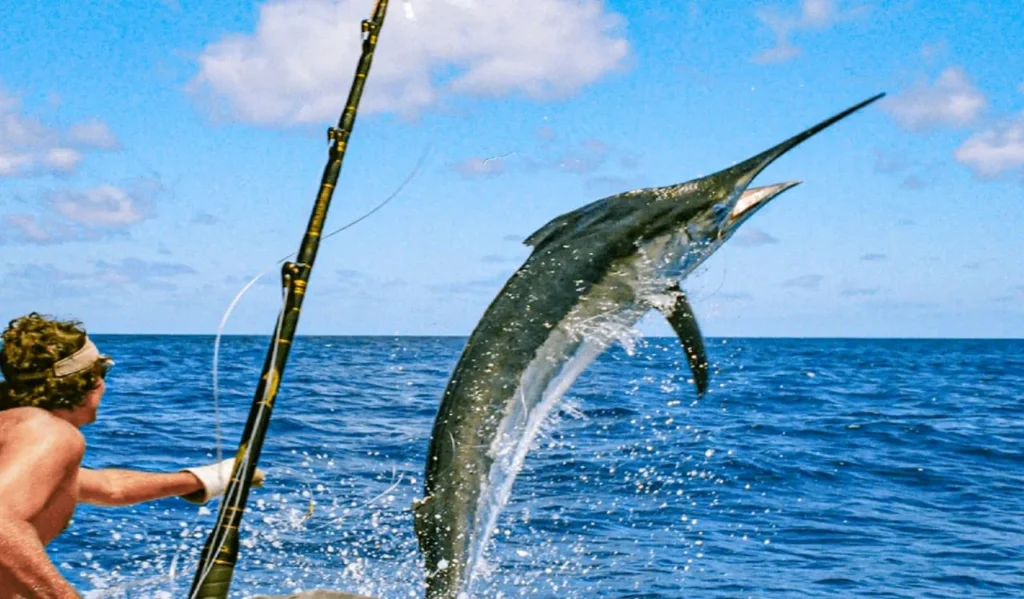
The gulf stream, the Pacific coast waters and the tropical ocean areas are popular deep sea fishing grounds. Every site promotes species and seasonal migrations. The movement of fish is affected by the water temperature, ocean currents and depth. Effective deep sea fishermen chart and use sonar in identifying good fishing areas effectively in the offshore area.
Deep Sea Fishing Rods and Reels
Deep sea fishing rods are durable and made to withstand high pressure of strong ocean species. These are rods constructed using heavy blanks, stiffened guides and strong actions to handle large fish. To be used with such rods are big conventional or spinning reels designed to be strong, apply drag power, and carry big lines.
Deep sea reels have to endure salt water and excessive pulling power at all times. Good quality drag systems enable the angler to struggle with huge fish without breaking the line. Correct rod and reel balance helps to fight longer without fatigue. Strong and corrosion-resistant equipment are important in terms of safety, fish control and effective performance in deep sea fishing.
Different Types of Fishing Rods and How to Use Each Rod
Fishing Line Used in Deep Sea Fishing
Deep sea fishing line has to be very strong and abrasion resistant. Braided line is the most preferred as it offers thin diameter, a high degree of strength and high sensitivity. It makes the angler experience the deep water bites and also has sufficient power to struggle with heavy fish at a great depth.
Shock absorbing leaders and fluorocarbon leaders are also commonly added to be invisible and absorb the shock near the hook. The capacity of the line is very important since strong fish have long runs when in a fight. Qualities required in deep sea fishing and equipment reliability are saltwater durability, knot strength, and sharp teeth resistance.
Deep Sea Fishing Techniques
There are various methods employed in deep sea fishing which depend on water depth and target species. Fast moving predators such as tuna and marlin are usually trolled by attaching bait or lures behind the boat. The bottom fishing is aimed at species dwelling close to the ocean bed like snapper and grouper.
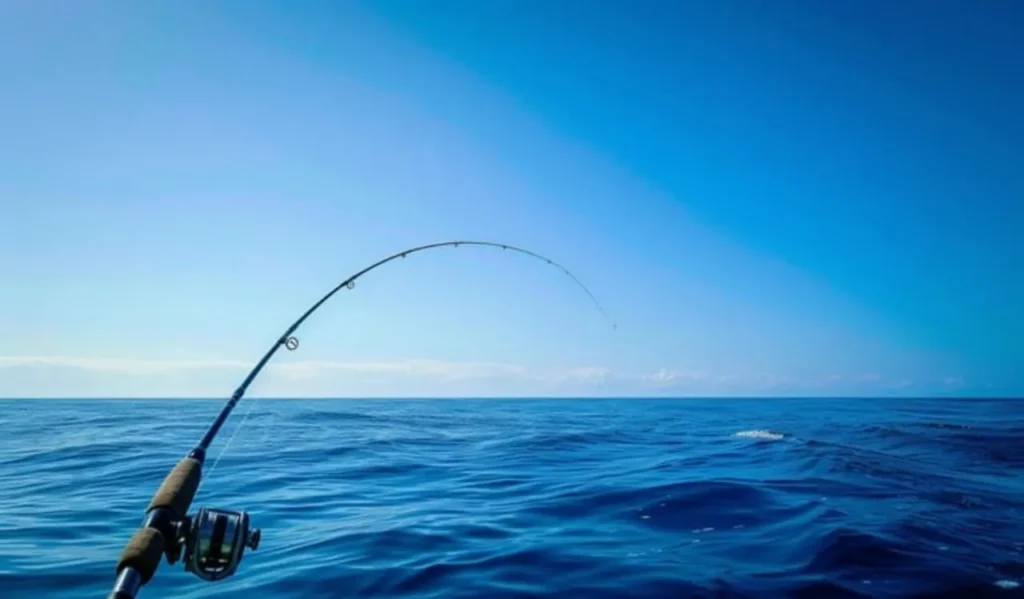
Drifting enables the bait to move freely throughout the ocean currents, and is useful when dealing with large predators. Both methods need various equipment arrangements and demonstrations. It is important that they are placed with proper speed, depth control, and bait placement. Effective deep sea fishers manipulate their strategies according to the sonar, behavior of the fish, and changing ocean water.
Best Baits and Lures for Deep Sea Fishing
Deep sea fishing is highly efficient when natural bait is used since it leaves powerful scent trails at sea. Baits used are common such as squid, mackerel, sardines and live baitfish based on target species. These traps draw great predators over long distances in watery depths where sight is usually low.
Trolling skirt, deep diving plugs and metal jigs are also artificial lures that can work well. The flash and movement produce aggressive attacks of predatory fish due to bright colors. Success rates are enhanced by matching the size of bait and its color to local forage. New bait enhances hook up opportunities and maintains fish concentration in a prolonged struggle.
Must-Read Guide for Top Picks of Best Fishing Reels
Best Time for Deep Sea Fishing
Deep sea fishing is most successful at seasonal migrations, temperature of the water, and the behavior of the species. A great number of offshore predators trace warm water streams with baitfish. Morning and evening are usually fruitful as the fish is actively feeding in warmer light, and in the cooler light.
Deep sea fish activity is influenced by moon phases and tides, which affect their feeding patterns. Tidal movement helps transport nutrients, increasing the chances of a good catch. Seasonal weather impacts both safety and accessibility, so trips should be planned during calm seas. Proper timing not only maximizes catch rates but also reduces the risk of encountering hazardous conditions.
Safety Tips for Deep Sea Fishing
Deep sea fishing is an operation in the open oceans where safety has to be of primary concern. Before departure, weather forecasts have to be verified. Storms, high waves, and strong winds may become dangerous very fast. Life jackets, communication, navigation and emergency safety equipment should be provided in the boats.
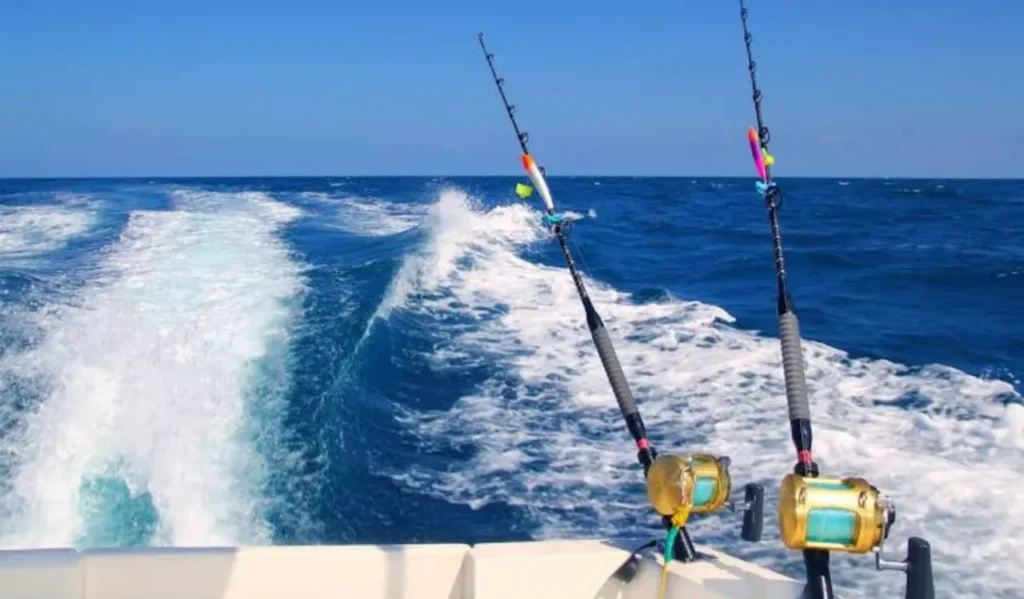
Accidents are avoided by keeping hydrated, wearing protective clothing against the sun, and balancing on shifting decks. Tie up loose clothing to prevent tripping. Captain instructions should be obeyed by the angler. Deep sea fishing is a blessing to planning and care; it is safe to return and have a good time at the same time fighting the strong fish in the offshore waters.
Common Deep Sea Fishing Mistakes
Deep sea fishing is an activity that has been characterized by a lot of mistakes by beginners who use weak equipment that is incapable of handling big fish. Light rods, little reels and slim lines tend to break equipment and lose fish. Another frequent cause of failure in hard fighting with large off shore species is poor knot tying.
Disregard of weather conditions is a risky error that may threaten safety. Inappropriate choice of bait lowers the rates of strike. Too much aggression by fighting fish may break lines or hook. The failure of lines is sudden and due to poor settings of the drag. These errors prevent failure, accidents, and fun in the hard deep sea fishing tour ventures at sea.
Must-Read Guide for Anyone Looking for Top Rods
Deep Sea Fishing for Beginners
Deep sea fishing can be very daunting to a newcomer and therefore guided tours can enable first time fishers to participate in deep sea fishing. Charter boats offer equipment and safety gears as well as skilled captains who know the offshore conditions. Novices acquire good skills, fish handling, and safety regulations and have the adventure without full personal equipments.
By making shorter trips, confidence and physical stamina can be established. Being taught how to handle the drag, rod pressure and positioning of the boat enhances success. Deep water species are difficult to fight without patience. Under proper instruction and planning, amateurs are able to have a safe and enjoyable time of deep sea fishing and catch spectacular trophy fish.
FAQs About Deep Sea Fishing Tips
Final Thoughts
Deep sea fishing provides one of the most exciting fishing activities as it enables fishmen to fight against mighty sea fish in deep waters. The difficulty of the deep depths, great currents and the huge fish is unparalleled excitement. Deep sea fishing is a very safe and an extremely rewarding experience with proper preparation, safety consciousness and proper equipment.
Deep sea fishing is not an easy task, but with the help of the guided tours and adequate training, beginners can become successful. Basic skills such as drag control, bait presentation and fish fighting give confidence. Every excursion will be breathtaking ocean and exhilarating fishing. It also offers an opportunity to fish trophy fish in the deep waters.