Ultimate Fly Fishing Guide: Casting Tips, Flies and Essential Gear
Complete fly fishing guide with rods, reels, flies, casting tips, safety advice, beginner guidance and best times to catch more fish successfully.
Fly fishing is the art of fishing that involves the use of lightweight artificial flies to replicate insects and other small water animals. Fly fishing does not depend on the lure weight, instead, the weight of the line is used to propel the fly. The method is usually applied to rivers, lakes and coastal waters to provide a specific and gentle presentation to visually feeding fishes.
Fly fishing is an activity that many anglers enjoy since it is a skillful process with patience and one that is close to nature. It is an experience to watch a fish taking a fly on the surface of water. Accuracy, drift control and fighting fish can be learned in a short period by beginners with simple equipment and simple techniques, which can be mastered by proper practice and instruction.
What Is Fly Fishing?
Fly fishing is a technique of fishing in which artificial flies of feathers, fur, and synthetic material are used to resemble natural prey. These flies are made to either be floating or submerging in the surface according to the target species. The angler delivers the fly in a manner that replicates the behavior of the insects in order to elicit the aggressive feeding behavior in fish.
Fly fishing does not involve spinning or bait fishing, but rather line weight is used to cast lightweight flies. It requires precision, patience, and attention to water, fish behavior and movement of insects. This is a technical method that renders fly fishing to be difficult, interesting, and very satisfying to all levels of skills among the fishermen.
Must-Read Guide for Anyone Looking for Top Rods
Fly Fishing Rods and Reels
Fishing rods used in fly fishing are light weight, flexible and not meant to be used in brute force but in fine line control. Best Rods are of various lengths and weight rating according to preferred fish species. Light rods are used in catching small trout and panfish, and heavier rods are designed to fish the heavier bass, salmon, pike, and saltwater fish which need more lifting and casting ability.
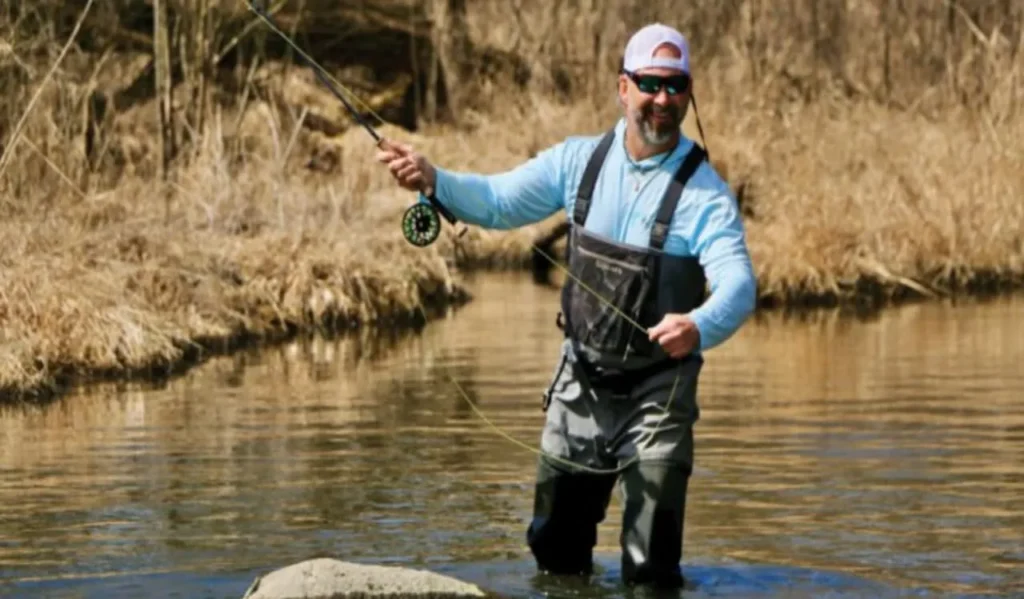
Fly reels are mainly used as storage of fly line and are used to create drag during fish fights rather than to aid in the cast. A drag keeps fragile leaders out of unexpected bursts of energy. The correct rod and reel balance enhances a better casting rhythm, less tiredness and more control. Quality equipment makes learning easier and assists the angler to make consistent and accurate fly presentations.
Fly Fishing Line and Leaders
The fly fishing line is specially built with weight running through the line so that it can cast extremely light flies. The most popular one is floating line which is used in surface fishing. The use of sink-tip and full sinking lines enables the angler to fish deeper into the water where the fish feed beneath the surface during the day.
The fly is tied to the main fly line by leaders and tippets and is not visible under water. These slender parts enable the fly to rest on the currents. The correct leader length and strength enhance bite detection, spooking prevention to fish, and fine presentations in fast running streams and still water lakes.
Must-Read Guide for Top Picks of Best Fishing Reels
Types of Fly Fishing Flies
The fly fishes are categorised under dry flies, wet flies, nymphs and streamers based on their actions in water. Dry flies are left floating on the surface so as to resemble the adult insects. The nymphs merely become submerged in the water to represent immature insects. Streamers resemble miniature fishes or baitfishes, which are actively hunted by larger fishes.
The selection of fly is determined by the conditions of water, time of the year and the feeding pattern of the fish. Strike rates are much higher when the local insect activity is matched, color, size, and movement are among the essential factors. Experienced flyers will have a variety of fly designs and will pay attention to the presentation to be able to adjust as soon as possible and get more results.
Fly Casting Technique
The casting with a fly is different with the traditional casting since the fly has virtually no weight. Rather, the angler employs the controlled back and forward movements to load the rod and fire weighted line forward. The line is made up of tight loops that can be achieved through smooth movement of the wrist, timing and accurate acceleration to provide accurate presentation.
Beginners have the problem of timing and overuse arm strength in casting. Correct technique is based on rhythm and not strength and training is a way of building muscle memory and control of the line. The casting improves with practice and is less fatigating, as well as the angler takes time to become more efficient and confident.
Different Types of Fishing Rods and How to Use Each Rod
Where Fly Fishing Is Most Effective
Fly fishing is very efficient in the rivers, streams, and clear lakes where fish are known to feed mostly on insects. The most popular settings are trout streams since insect activity can be seen and anticipated. Bass, bluegill and carp can also be caught successfully by stillwater fly fishing in areas where the food supply is found close to weed beds and drop-offs.
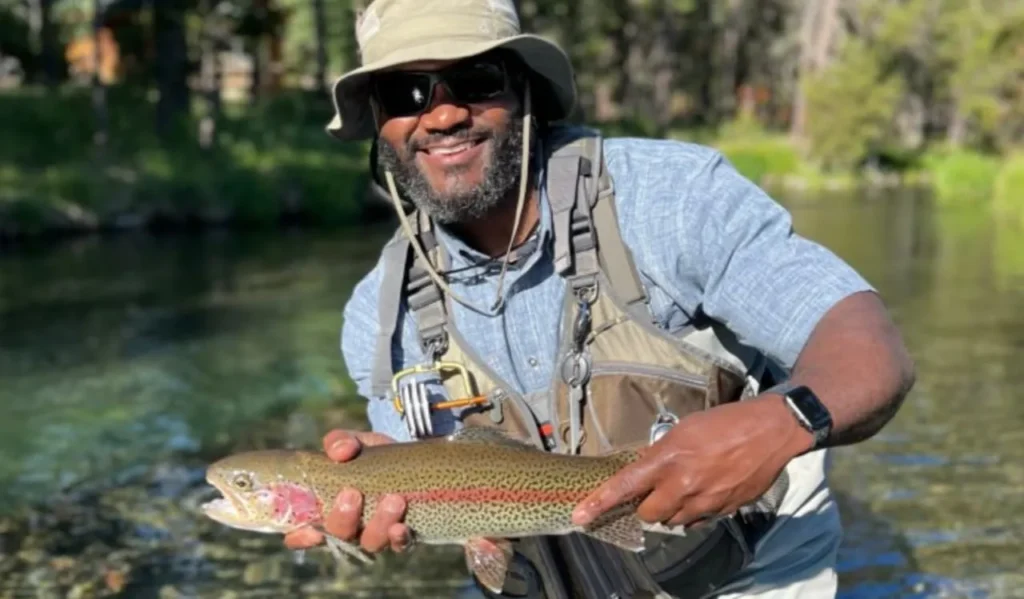
Salt water fly fishing is aimed at the redfish, striped bass, and bone fish in the shallow coastal flats. Fly fishing is effective in clear water and sight feeding conditions. Knowledge of the movement of tides, clarity of water, and seasonal changes assists the fishermen in finding fish in its active period and representing flies in a natural manner with an increased probability of success.
Best Time for Fly Fishing
The most appropriate season to fly fish also relies on insects hatching, water temperature as well as seasonal habits of fish. Mornings and evenings usually prove to be the most fruitful ones as insects are active and fish is aggressive. The dark-cloudy days are also good at increasing the chances of success in fly fishing because of surface glare and fish confidence.
In summer and spring, the hatching of insects causes extreme surface feeding. Streamer fishing is good in the fall because the predatory fish are gorging on food before winter. Winter fly fishing is aimed at slow moving fish with deeper presentations. Seasonal timing aids the angler in changing fly and methods depending on the season to ensure seasonal fly fishing success.
Different Types of Fishing Reels and How to Use Each Reel
Fly Fishing Safety and Etiquette
Fly fishing safety encompasses the usage of protective eyewear to avoid being injured by high velocity hooks. River slipping is prevented with proper traction waders. The weather is unpredictable in the mountains and hence the angler must be well dressed. Powerful currents also need to be taken into consideration because of the necessity to use safe points of entry to avoid hazardous incidents.
Courteousness makes fishing experience positive to all. Casters ought to observe the space of casting, cross lines, and allow room to congested waters. Catch and release is a safe way of protecting fish. Protecting the private property, wildlife, and other fishermen, this is a way of keeping harmony and ensuring that the fishing sites will be enjoyed by people in future.
Common Fly Fishing Mistakes
Poor timing in casting is a problem that beginners may be facing as they cause tangles in the lines and incorrect presentation. The wrong fly or fly pattern may also decrease the success of fishing. Also, overfishing, with leaders that are of the wrong length, or are too exposed can cause fish to be scared and presentations to be unnatural in clear water.
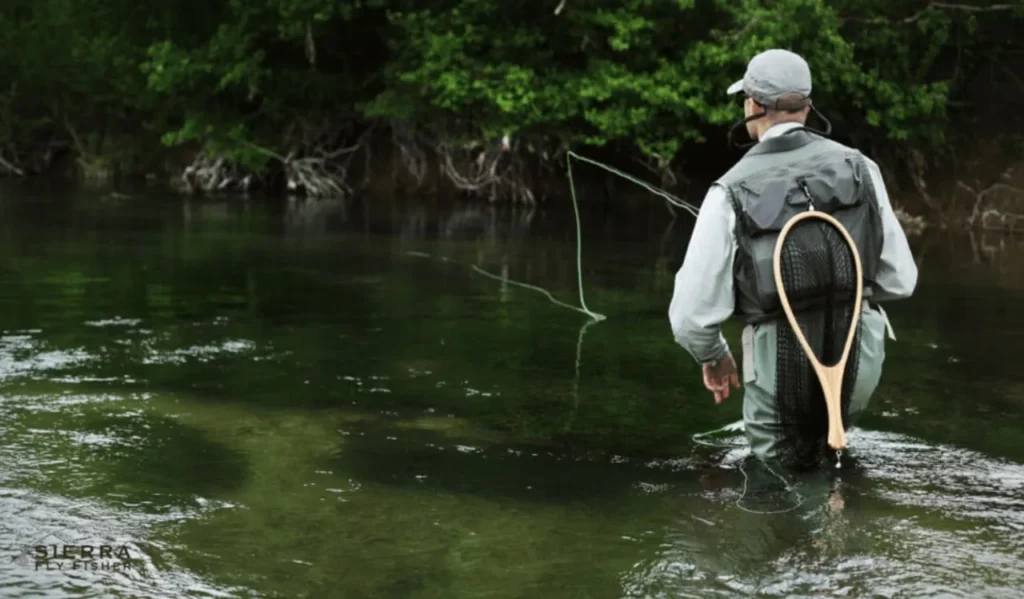
The other pitfall is not taking into account the behavior of fish and water movement. Blindly casting is a waste of time and energy. Fish are able to escape because of poor hook-setting technique. Handling fish in an overhand manner leads to release damage. By fixing such errors, there is an increase in confidence, catch rate and general enjoyment of fly fishing by all levels of angler.
Fly Fishing for Beginners
Fly fishing can seem challenging, however, with the help of basic equipment and practice, a beginner can learn in a short period. It is easy to start with a simple fly rod system, floating line and ordinary dry flies and learn the game. The use of short casting distances allows amateurs to build timing and control and makes them able to make longer, more technical casts.
Guided tours or learning by more experienced anglers helps in achieving progress at a faster rate. Novices learn very fast on how to read water, strike detection, and line management. It is needed to be patient since progress is achieved through repetition. Fly fishing can be a fun as well as confidence building way of fishing at any level of skill with the correct introduction.
FAQs About Fly Fishing Guide
Final Thoughts
Fly fishing is an exclusive experience which incorporates skill, patience and visual stimulation unlike most other kinds of fishing. One can practice it in mountain streams or coastal flats whereby, a fisherman can observe and learn the behaviour and feeding patterns of fish. Fly fishing is a life long affair and a very gratifying endeavor with little more than a handful of simple gears, practice and technique.
Fly fishing is a patient sport; but the learning of it is in itself enjoyable. Each subsequent advance of the casting accuracy and drift reduces the results. Novices who take time to observe and practice are very satisfied. Throughout the years, and with perseverance and inquisitiveness, fly fishing evolves to become one of the most rewarding forms of angling in the current times.