Freshwater vs Saltwater Fishing Gear: Which Should You Choose?
Learn about the Freshwater vs Saltwater Fishing Gear. Discover rods, reels, lines, tackle, maintenance, and expert tips for better angling success.
The fishing equipment of freshwater and saltwater is vastly different in terms of fish species, water and fishing technique. The wrong gear may also destroy equipment, decrease performance and cut down the catch rates. Knowledge of these differences will help an angler to make appropriate choices regarding the rods, reels, lines and tackle that can be used in their specific environment. This guide is an explanation of fresh and saltwater equipment differences.
Freshwater equipment is also lighter in weight, made to fish in rivers, lakes and ponds with smaller fish. Salt water equipment is heavier, stronger and resistant to corrosion of aggressive species in severe marine environments. Through the proper selection of the gear of each environment, the angler is able to have greater control over the environment, minimizes equipment failure, and spends more productive time fishing.
Rod Material and Design
The fishing rods are constructed using lightweight graphite or fiberglass, which are flexible and sensitive when dealing with small to medium sized fish such as bass, trout and panfish. Reduced lengths facilitate navigation in narrow rivers, streams or small lakes. Power suit and rod action Light lures have a higher fineness and casting, and are perfect in the beginner or casual angler looking to have good freshwater performance without being heavy or bulky.
Saltwater rods are heavier, less prone to corrosion, and longer in length to give an advantage over large aggressive fish like a tuna, redfish or snapper. Guides are reinforced and heavy-duty to support heavier lines and larger lures and be able to stand the test of time in severe environments. Harder rods are also used in long fights with fish, and soft ends sense bites. The saltwater rods are strong and reliable and enable the fishermen to fight the large fish in the difficult marine settings.
Fishing Reel Types
The types of freshwater reels are usually spinning, baitcasting and spincast. They are designed to take light to medium fishing lines, which can be cast, retrieved and presented with lures with ease. Fishing Reels with spinning are easier to use and baitcasting reels are precise and can be used by experienced fishermen. They are lightweight, easy to service and used in lakes, rivers and ponds where finesse and precision are significant to success.
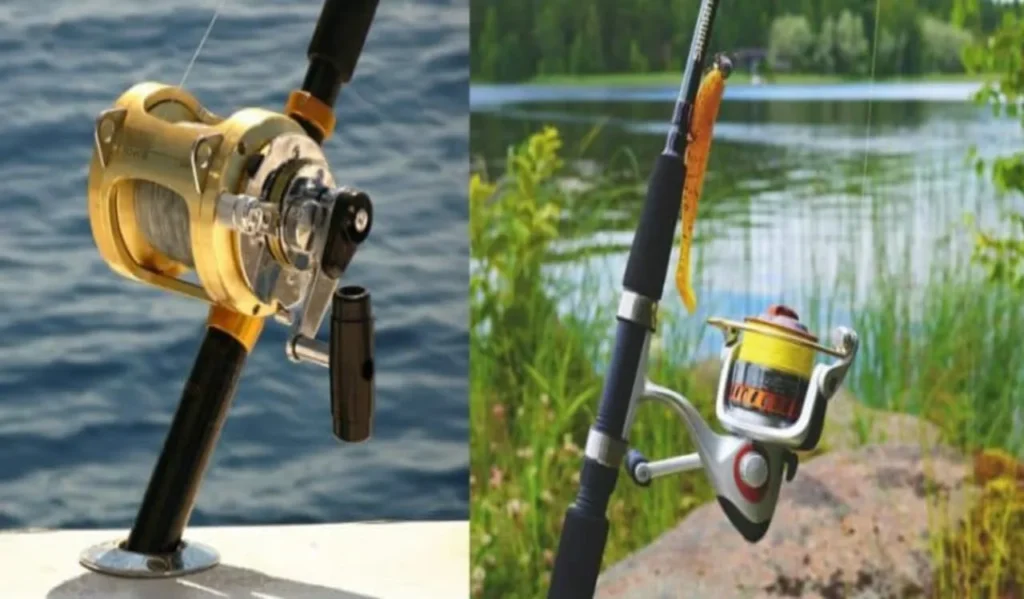
Saltwater reels need to be corrosion free, strong, and should be able to hold much line. The most common are spinning reels, conventional reels and trolling reels of large offshore or inshore game. The sealed drags, stainless steel bearings and heavy-duty construction are some of the features that make it reliable in the face of strong fish pressure. The saltwater reels are tough and can endure the extreme conditions of the ocean as well as offer very smooth retrieval, strong drag.
Must-Read Guide for Anyone Looking for Top Rods
Line and Tackle Differences
Fishing on freshwater employs lighter lines ranging between 2-12 pounds on the basis of the target species. Tackle consists of smaller hooks, lures and baits and accessories that are appropriate in bass, trout and pan fish. Light gears are more sensitive, more accurate and more finely tuned such that when an angler is making a presentation, they can notice slight bites and make a delicate presentation without scaring away fish or breaking the line which is best for beginners.
Large species such as tuna, marlin or redfish require heavier lines usually between 20 and 80 pounds, saltwater fishing. Hooks, jigs, plugs, and artificial lures are heavy-duty and suitable to ocean conditions and fish of great power. Heavy line and tackle minimize the abrasion or high-current and hard-running breakage. Saltwater gears are very robust and strong with the aim of allowing the angler to battle fish.
Corrosion Resistance
Freshwater equipment does not need high levels of corrosion protection since lakes, rivers and ponds contain a low level of salt. Normal aluminum, graphite or composite reels and rods can be used successfully without special coating. Routine cleaning is adequate to keep the performance on track, so casting, recovery, and minimal maintenance of the equipment is necessary among the beginners and amateur fishermen who fish freshwater settings and are not worried about rust.
Saltwater equipment will be required to be resistant to salt and moisture corrosion. Rods, reels, guides, and hardware may be anodized, of stainless steel or of protective coating. Rust can be avoided and durability is maintained by washing with fresh water and lubricating after use. Anti-corrosive equipment ensures the continuity of the smooth working process, eliminates the possibility of long-term damage and increases the duration of the operating equipment.
Different Types of Fishing Rods and How to Use Each Rod
Size and Strength Considerations
Fishing equipment is made lightweight and portable and is specific to smaller species with freshwater. Delicate rods, reels and lines enable an angler to detect the slightest bites and manage delicate encounters. The user-friendly systems also ensure that fishing in lakes, rivers, and other waters is cheap, fun, and comfortable to novices and amateur fishermen.
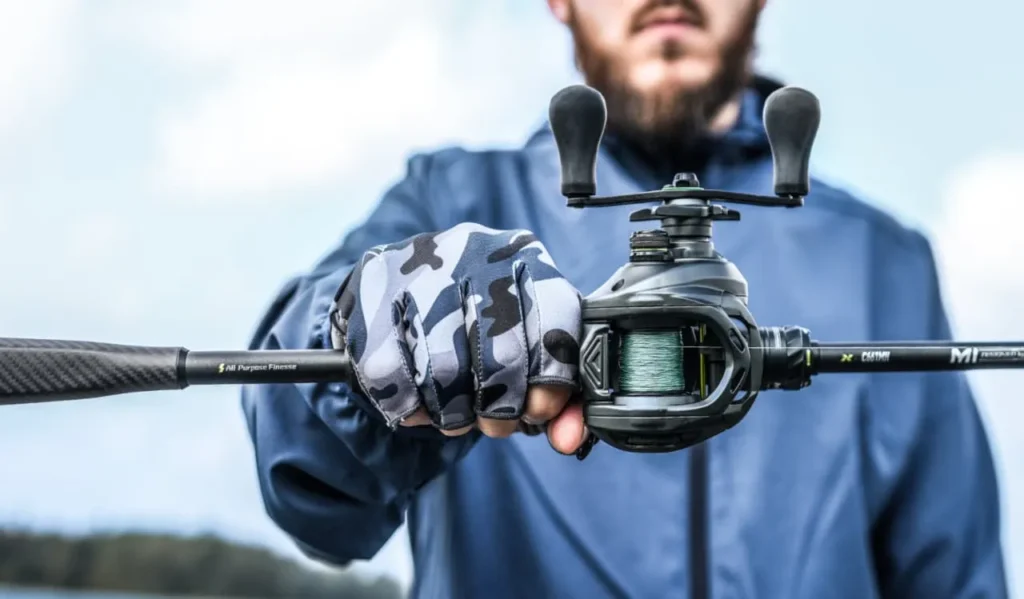
Saltwater equipment is huge, powerful and difficult to operate aggressive sea fish. Strong fish demand leverage rods, high-capacity drag reels, and high-pull lines. Having equipment that is the correct size and that is strong in usage enhances the performance of the angler, increases the catch rates and makes the equipment reliable in harsh saltwater environments.
Must-Read Guide for Top Picks of Best Fishing Reels
Cost Differences
Freshwater fishing equipment is usually cheap due to the light weight of materials, less complex construction, and small lines. Novices need not spend a lot of money to buy efficient systems. Such accessibility would encourage new entrants to begin fishing on lakes, rivers and ponds without performance loss and enjoy quality angling experiences as they learn new techniques and acquire proper skills using affordable freshwater rods, reels and tackle.
Saltwater gears are costlier as they are tough, resistant to corrosions and set up to support increased line capacities. The quality of equipment guarantees the durability, reliability and long-term performance in severe marine conditions. The correct rods, reels, and tackle cost less to break, and enhances the handling of fish, and it is worth the additional money.
Accessibility and Availability
Fishing equipment that is used in freshwater is found in the nearby shops, sporting outlets and online sellers. Newcomers find it easy to start because of beginner-friendly combo, starter kits and low-cost setups. All the necessary equipment needed in lakes, rivers, and ponds is available with the different rod size, power, and type of reel without any special knowledge.
Fishing equipment in the saltwater is typically better-developed and not as widely available in the local stores. The reels, rods and tackles that are used in marine fishing are of high quality, and in most places they can be found online or in specialized shops, therefore it is important to make sure you buy reputable brands that are known to be durable and perform well in the harsh sea environment.
Different Types of Fishing Reels and How to Use Each Reel
Maintenance Requirements
Freshwater gears need very little maintenance, most often being cleaned and lubricated. Rinsing rods, reels and lines with a little water will assist in clearing them of dirt and debris to ensure they work well. The equipment is kept in a cool and dry environment to retain the life of the equipment and even the amateur angler can enjoy fishing without getting frustrated.
Fishing gears that are used in saltwater require proper care as they are exposed to salt, moisture, and other hostile conditions. Rods and reels must be cleaned with fresh water after every use, dried, and a little lubricated, and the bearings, guides, and drag mechanisms examined to ensure that there is no evidence of corrosion. Consistent maintenance will guarantee the smooth working.
Fishing Techniques and Applications
Freshwater fish are mostly caught by means of fly fishing, spinning, baitcasting, or light jigging. The skill is about delicacy, precision, and the ability to perceive minute bites by such species as bass, trout, and panfish in lakes, rivers, and ponds. Freshwater fishing is enjoyable, accurate and simple with lightweight rods and reels and one can easily deal with small to medium fish.
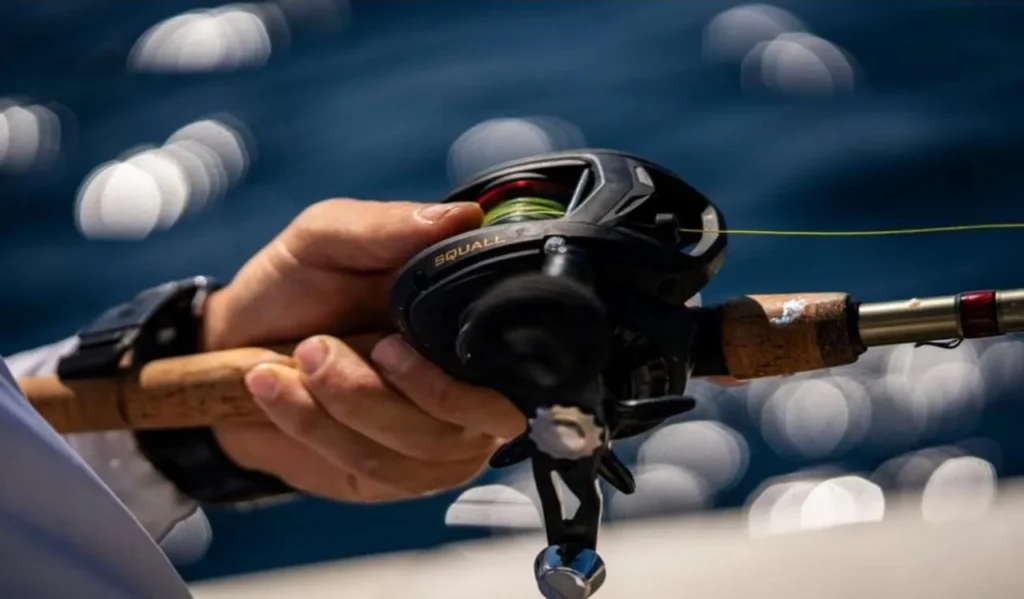
Fishing in salt water is trolling, bottom fishing, surfcasting, jigging, and offshore. Powerful rods, high capacity reels and heavy duty rods are used to assist the angler in dealing with large fishers such as tuna, marlin, redfish and snook. Saltwater fishing needs proper gears to be strong, enduring and comfortable to enable successful and fruitful fishing in harsh ocean conditions.
Why Choose Gear Based on Environment
Using gear suited for freshwater or saltwater ensures top performance, durability and proper fish handling. Saltwater can corrode freshwater equipment, while saltwater gear may be heavy and awkward in freshwater. Selecting the right rods, reels, lines and tackle improves casting accuracy, fish control and overall enjoyment, letting anglers fish efficiently in any water type.
The knowledge of these differences can ensure that beginners and seasoned anglers do not make errors, preserve their equipment, and enhance the success rate. The compatibility of the most suitable equipment to the environment, the target species, and the method guarantees the improved outcomes and the more pleasant fishing experience.
FAQs About Freshwater vs Saltwater Fishing Gear
Final Thoughts
Fishing success relies on understanding the differences between freshwater and saltwater gear. Choosing the right equipment improves durability, fish handling, and overall performance in rivers, lakes, or oceans. Both beginners and experts benefit from using rods, reels, lines, and tackle suited to the environment and target species, enhancing casting, retrieval, and overall fishing enjoyment.
Beginning with freshwater equipment will enable the ability to develop skills and move to saltwater equipment will equip the angler with the ability to deal with larger fish and tougher environments. Proper equipment is the most efficient, as it helps to minimize the problem with equipment and offers enjoyable and productive fishing in any setting.