How to Cast a Baitcasting Reel Without Backlash: Complete Guide
Learn how to cast a baitcasting reel without backlash using proper spool tension, brake settings, thumb control, and proven casting techniques.
Backlash-free baitcasting reel casting is the key to hassle-free and precise fishing. Backlash happens whereby the spool overruns during the cast leading to tangled lines. Proper techniques, reel adjustment and practice habits can enable the angler to prevent backlashes, enhance the accuracy of casting, presentation of the lure and efficiency in freshwater and saltwater fishing trips, every time.
The correct installation and maintenance are an important factor in avoiding backlash. The tension of the spool, brake settings and the type of line manipulate the spool speed and control. When the angler learns to control these elements, he or she can cast with ease, accuracy, and will eliminate wastage of time in unraveling of line knots, thereby making baitcasting fishing reels an effective instrument in both leisure and professional fishing.
Understanding Baitcasting Reel Mechanics
Baitcasting reels are characterized by a rotating spool that must be cast with a lot of accuracy. In contrast to spinning reels, high speed of the spool may lead to overruns, which cause backlash. It is also imperative to understand how the spool rotation, braking systems and handle control works in order to make the cast smooth and controlled without becoming tangled particularly when using heavier lures or long distance casting methods.
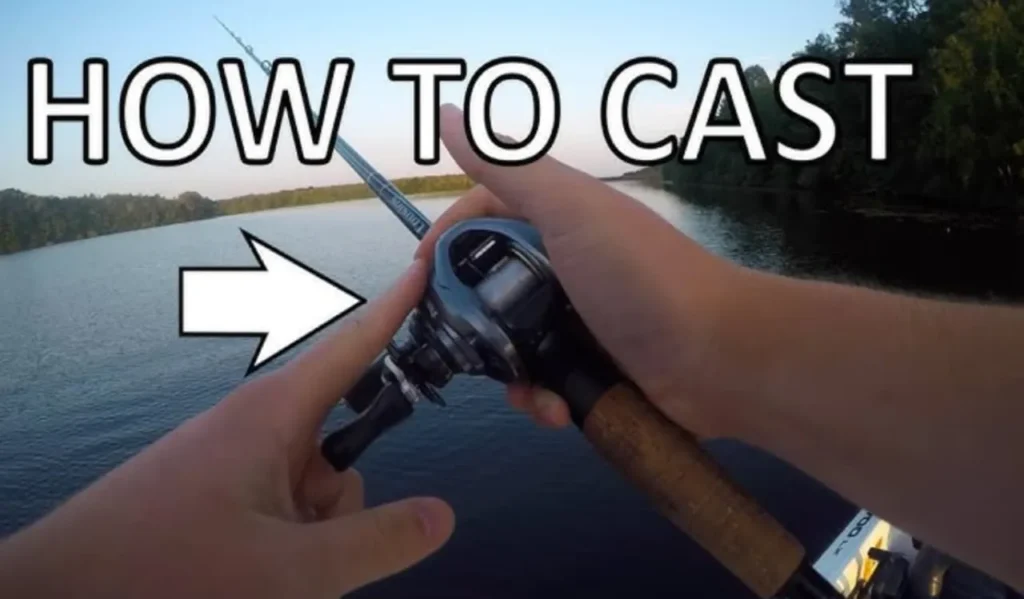
Edification on centrifugal or magnetic brakes regulating the speed of the spool assists in avoiding overruns in the lines. The spool can be adjusted correctly upon release by pressing the thumb properly. The understanding of how the reel works enhances muscle memory, lowers the rate of frustration, and allows them to cast accurately and consistently and minimizes the chances of backlash in a wide range of fishing conditions.
Different Types of Fishing Rods and How to Use Each Rod
Choosing the Right Line
Choice of line affects potential of backlash. Braided lines are fine but powerful and can be used to accelerate the spool whereas the monofilament or fluorocarbon lines are more forgiving. The line type and diameter are matched to lure weight and reel settings to decrease the overrun of the spool and to increase the control of casting, avoiding any tangles and facilitating the smoothness of the operations.
The correct line spooling is a guarantee of the proper tension and minimization of the friction. The spool should not be filled to the brim, since the surplus line may contribute to the risk of backlash. Right line choice in conjunction with a correct spool configuration enables controlled and accurate casts, reduces the amount of backlash and maximizes the range and accuracy in freshwater or saltwater fishing situations.
Adjusting Spool Tension
Spoil tension regulates the speed of release of the line during casting. Adjust spool tension knob properly based on lure weight to ensure free flowing lines that do not run over. A tight tension makes the spool turn slowly decreasing chances of backlash, whereas a loose tension can permit longer casts. Fine tension is used to provide the best casting distance and control.
Tension of test spool Test spool tension by using short practice casts. Get the lure to the target by making small adjustments so that they do not bounce back. The proper tension will provide consistent, proper casts of all types of fishing lures and line types, which enhances efficiency and trust in the procedure of fishing with baitcasting reels in all types of settings.
Must-Read Guide for Anyone Looking for Top Rods
Setting the Brakes
Baitcasting reels have centrifugal brakes, or magnetic brakes, which regulate the speed of the spool. Backlash can be avoided by proper brake adjustment. Adjust the increase or decrease of the brake settings with heavier lures or novice casters or lighter lures and experienced casters. Balanced brakes can be used to make longer casts with minimum entanglement.
Know the impact of the different types of brakes on the rotation of the spool. The magnetic brakes decelerate the spool slowly, centrifugal brakes control it with pins. The use of brakes depending on conditions, the type of line and weight of the lure will help to have a smooth cast, minimize the risk of a backlash, and increase the efficiency of the casting session in the long run.
Using Thumb Control
Thumb is important in spool speed control. Use a little force in casting the spool to avoid overruns. Slowly but surely, the lure should be launched and it should be controlled during the cast. Learning to use the thumb will enable an angler to cast correctly with ease and avoid backlash even when using lightweight lures or making long casts.
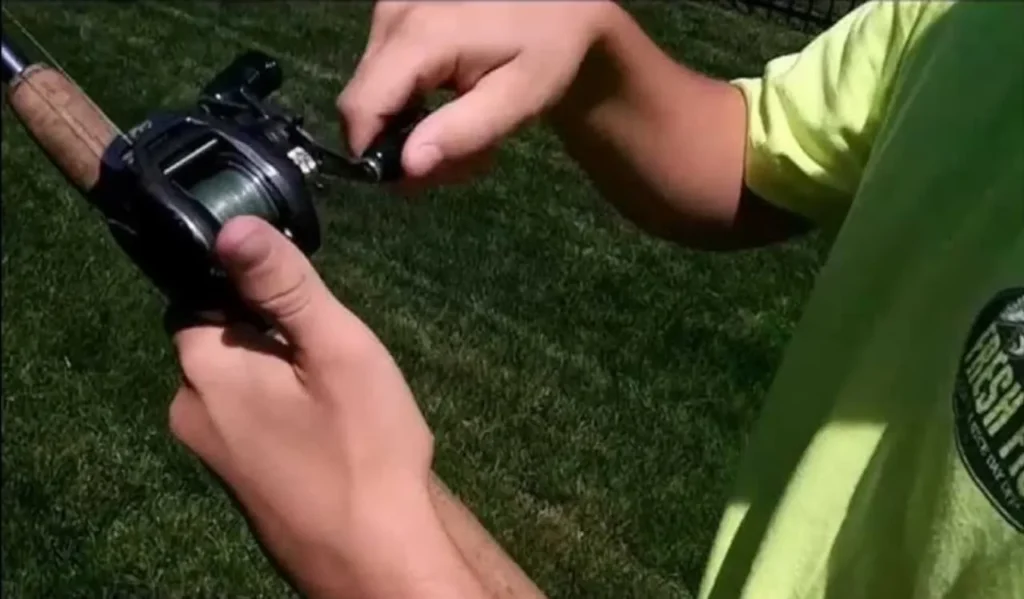
Learn to have a steady spool by applying the thumb. It should not be pressed too hard or it will cut the casting distance, or pressed too lightly it will raise the risk of the backlash. The thumb control and brake adjustment and spool tension allow the casts to be done exactly, efficiently and the overall performance and confidence with the baitcasting reels.
Choosing the Right Lure Weight
Lure weight impacts on spool speed and probability of backlash. The lures with a higher weight will have momentum and will not overrun the spool, whereas very light lures will have a greater risk of backlash. Adjust lure weight to match the tension of the spool, the brake settings and the type of the line to keep the control and guarantee a tangle-free smooth cast.
Light lures need more practice and tuning in to avoid the tangles. The weight of the lure should be gradually increased or weighted rigs should be used to enhance the casting control. The right lure to your reel system will increase accuracy and decrease backlash, and will enable the fisherman to fish effectively across different conditions.
Must-Read Guide for Top Picks of Best Fishing Reels
Practicing Smooth Casting Technique
It is necessary to have smooth casting motion. Jerky motions should be avoided as well as overloading the spool. Rapid rolling, release line, controlled pressure of the thumb, and follow through. Practice makes muscle memory and less error is made and backlash is also avoided and the distance is also increased, the accuracy is improved as well as the presentation of the lure.
Pay attention to time and body coordination. Adequate posture, holding the best fishing rod, and movement of the wrist result in the maximum transfer of energy and control. Repeating also gives confidence and enables the angler to use different weights of lures, different types of lines and wind conditions without the backlash of the baitcasting reel which enhances the performance of the baitcasting reel.
Maintaining the Reel
Backlash due to friction or worn out parts is avoided by proper reel maintenance. Wipe, grease and check bearings, spool and brakes. The high level of smooth operation guarantees the accuracy of control during casts. Failure to maintain will raise the risk of backlash, decrease the efficiency of the casting and decrease the life of reel.
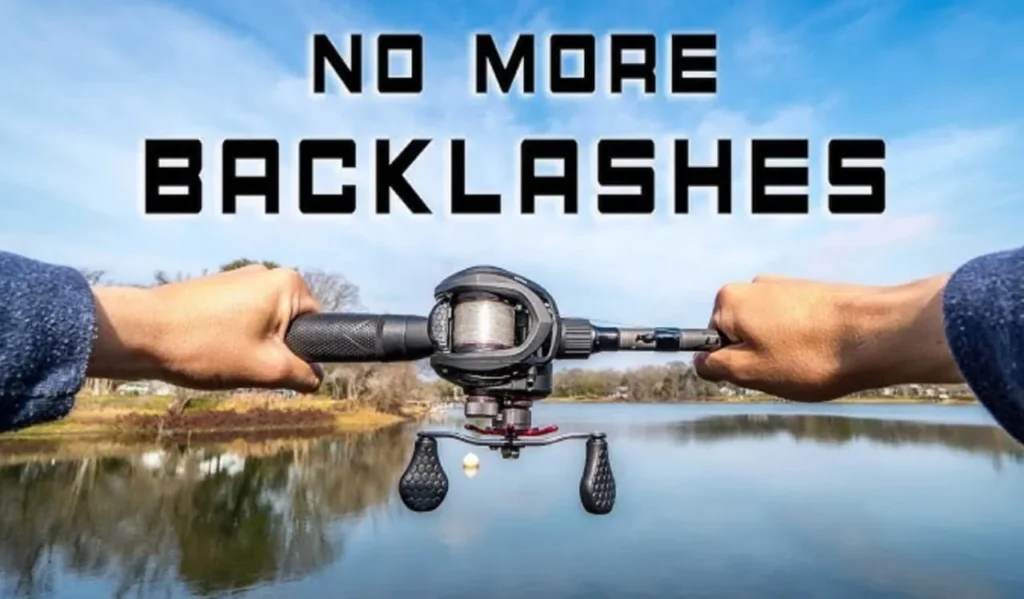
Periodically check drag, check spool bearings, and brake system. Cleanse off dirt, sand or salt deposits to ensure easy rotation. Regular maintenance guarantees the same level of casting and minimizes tangles in addition to prolonging the lifetime of the baitcasting reel, every fishing adventure becomes more productive and pleasurable.
Different Types of Fishing Reels and How to Use Each Reel
Environmental Factors Adjustment
Spool control is influenced by wind, current and obstacles. Be blown into the wind with less strength, and change direction to drifting conditions and consider the obstructions. Knowledge on the environmental impact enables the use of controlled casts to avoid backlash and efficient placement of the lure in problematic freshwater or saltwater environments.
Note water and weather conditions prior to casting. Tilter spool tension and brake settings and thumb. Environmental adaptation increases the range of casting and accuracy and reduces the chance of snarls and backlash, enabling fishermen to efficiently fish in a wide variety of conditions.
FAQs About How to Cast a Baitcasting Reel
Final Thoughts
Backlash-free baitcasting reel casting is an activity that demands proper preparation, skill and practice. Spoil tension, brake adjustments, thumb controls and the selection of the appropriate line and lure all lessen the tangles and make the casts accurate and smooth. Proficiency in these will enable the angler to fish effectively, with more accuracy, hit rates and general pleasure on their freshwater and saltwater outings.
This is important through regular practice, reel care and environmental consciousness. Seasoned fishermen understand how to adjust to circumstances, the weight of the lure to use and how to cast. With these steps, an angler can avoid backlash, have a smooth reel, and have a productive and frustration-free baitcasting time.