
How to Fish for Catfish with Heavy Rods: Ultimate Guide for Beginners
Learn how to fish for catfish with heavy rods using the right tackle, baits, casting techniques, and tips for rivers, lakes, and big fish effectively.
Catfish are low-lying predators, which like deep holes, bends of the rivers, and shaded areas. They are largely night animals and actively feed at night or towards the end of the day. Anglers can use heavy rod to deal with big catfish which fight hard. Heavy tackle ensures effective control, correct casting as well as safe landing of the catfish without breaking the line and losing the fish.
Sudden running and strong shaking of the head are also absorbed with the help of heavy rods. Catfish are powerful and may make long forceful swims after being hooked. A delicate yet durable rod enables the angler to have tension without breaking the line. The heavy fishing rods are superior at pulling fish out of deep holes, structures under water or heavy cover where catfish usually live.
Choosing the Right Heavy Rod for Catfish
The choice of the rod is very important when hunting catfish. Between seven and nine feet heavy or extra-heavy power rods give the strength to cast large baits and handle large fish. Long rods are used in lakes or rivers with an aim of increasing the distance of the cast whereas shorter heavy rods are used in tight places where precision is required.
The sensitivity and control in the fight are influenced by rod action. Quick hook sets and a higher ability to handle strong fish are offered by fast/moderate-fast action rods. Graphite or composite rods are the best to use as they are lightweight and very strong. An appropriate rod makes the activity less exhausting and enables the angler to manage the powerful catfish in a long struggle.
Must-Read Guide for Anyone Looking for Top Rods
Best Reel and Line Setup for Heavy Rods
Heavy rods will demand best fishing reels with high line capacity and high drag. Spinning reels with a 4000-8000 size are best in catfish set up. Smooth drag systems are used to ensure that the line breaks in case of sudden run. When the reel is matched with a heavy rod there is a balance and control and the long distance casting is easy.
Heavy rod catfishing is dependent on the choice of line. Braided line 20-50lb test is the strongest and most abrasion resistant. Shock absorption and stealth Monofilament or fluorocarbon leaders may be added. Adequate line and reel combination will ensure that there is no lost fish and that the performance will be enhanced in deep water or snag-prone areas.
Must-Read Guide for Top Picks of Best Fishing Reels
Choosing Baits for Catfish
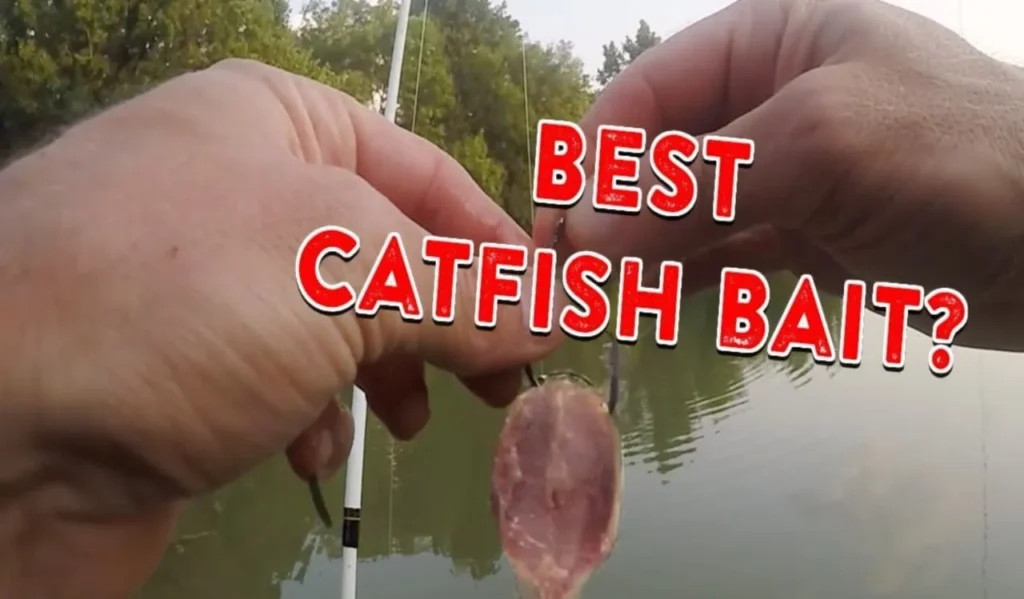
The catfish are attracted to both natural and prepared baits. The most common ones are live bait, which includes shad, minnows, worms, and cut bait. The heavy rods enable the angler to cast huge fishing baits to reach deep holes where catfish feed. Missed hookups are minimized and strike rates are enhanced by proper presentation of a bait.
Catfish are also attracted by prepared baits such as stink baits, dough baits and cut chunks. These baits can be cast much longer using heavy rods without control loss. Vary size of bait according to species of catfish and water conditions. The large catfish is easier to control with the right bait and heavy tackle, and land better.
Casting Techniques with Heavy Rods
Heavy rods are used to cast with and the casts must be made with a proper stance and smooth movement in order to cast up to the weight of the bait used. Depending on the conditions of the water, overhead and sidearm casts are the best. The heavy rods permit the accurate positioning of the baits around the deep holes, buildings and underwater formations where catfish tend to congregate.
Make sure that the rod is loaded correctly on the cast. Nobody should use jerky movements to avoid twisting or tangling of lines. Large rivers and lakes require heavy casts which are made possible by the help of heavy rods. Smooth casting is also good to practice so that the fatigue experienced when fishing catfish over a long period is minimized.
Different Types of Fishing Reels and How to Use Each Reel
Fishing Catfish in Rivers and Streams
Rivers and streams need to be targeted in deep pools, eddies, and behind submerge structures. Strong fish can be controlled using heavy rods and the correct hook tension can be maintained. Placing baits around areas known to have catfish raises the chances of catching them and mostly at the active feeding times.
Keep the tension of the lines constant and observe bite indicators. Catfish are also slow to take the bait and patience is needed. The heavy rods give the power to act promptly in case of the strike of the fish. The movement and form of water also assist the fishermen in identifying the location of catfish better in flowing waters.
Fishing Catfish in Lakes and Ponds
Catfish can be located close to the drop-offs, submerged logs, and the edges of the weeds in lakes and ponds. Heavy rods permit correct casting to the deeper locations and control of the fight. Retrieval of baits will be done slowly to attract wary fish and not to spook them.
Tilter the depth of the baits by adding sinkers or weights to the baits until you get to the bottom. Heavy rods enhance a sense of the slightest bite and enable the angler to bring the fish out of the deep water. Appropriate bait, depth regulation, and patience are beneficial to the success of catching in the still water setting.
Different Types of Fishing Rods and How to Use Each Rod
Setting the Hook with Heavy Rods
The hook setting that involves heavy rods involves strong yet restrained movement. Catfish are powerful-chewed and are able to ingest hooks. The gradual and steady increase in tension will be used to lift the rod so as to achieve the necessary penetration of the hook without dragging the hook away or ripping the bait.
Heavy rods enable the angler to put slow pressure on the line, without over-stressing the line. Do not over jerk the rod. The correct drag adjustment is used in collaboration with hook-setting method. The technique enhances the probability of catching big catfish in an efficient and safe manner.
Fighting and Landing Catfish
Catfish are difficult to fight using heavy rods and need to be dragged appropriately. Allow the rod to take sudden strains with constant pressure. Catfish are powerful and are able to swim a long distance, particularly in deep water. The heavy rods enable the angler to retain a grip without the chances of breaking lines.
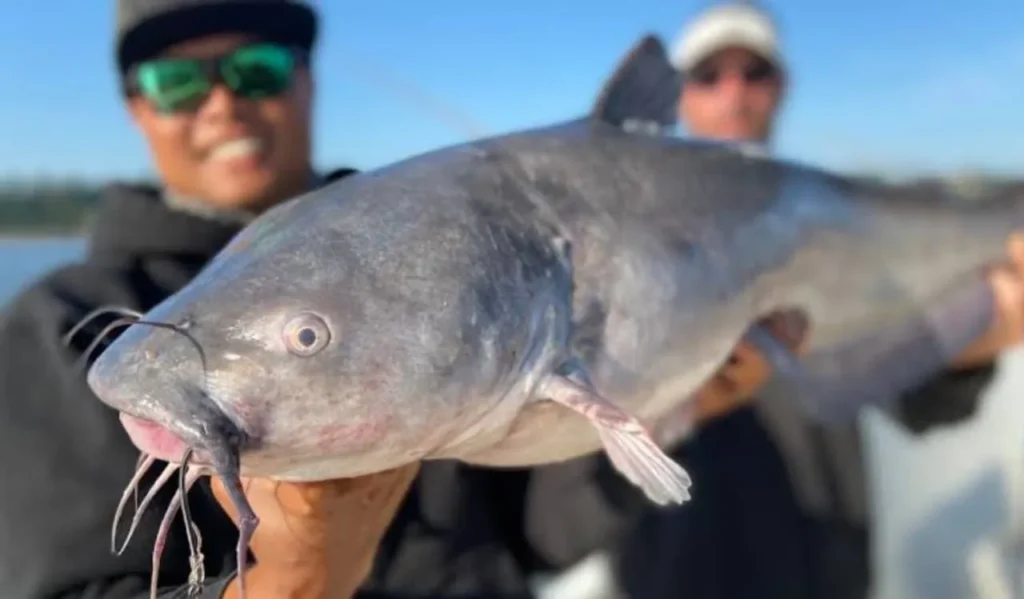
Take the fish ashore using landing net or gaff. The heavy rods offer the power that is required to hoist fish. It is convenient when an assistant is involved when it comes to very large catfish. Correct methodology will make sure that the fish is fastened safely and it will minimize stress to the fisherman and equipment.
Common Mistakes and Final Tips
The most frequent errors are the use of light rods, line insufficient, or drag. These mistakes usually result in lost fish or lost tackle. Large catfish require heavy rods, which offer leverage and strength required by the heavy and powerful fish.
Heavy rods are better in patience and observation. Control bait type, location and the speed of retrieval depending on fish behavior and conditions of the water. With the right combination of rod, reel, line, and bait, catch rates are increased, control and effective catfishing experience is enhanced in rivers and lakes.
FAQs About How to Fish for Catfish
Final Thoughts
Heavy rod fishing of catfish is thrilling and productive particularly in larger catfish. The correct arrangement of rod, reel, line and bait enhances the control, distance of casting and landing. Strong runs and head shakes are absorbed by heavy rods and the fights become manageable and enjoyable. Correct technique will make sure that the angler successfully catches the catfish without causing any harm to the tackle or fish.
It takes patience, observation and correct positioning to become successful. Striking deep holes, bends and drop-offs of rivers and lakes enhance strike rates. Regulate the bait, retrieval and drag according to the behavior of the fish. The heavy rods make the angler have confidence that they can fight strong catfish and make the experience more fruitful, satisfying, and enjoyable among both the beginners and the experienced fishers.