How to Fish for Pike with Casting Rods: Ultimate Guide for Beginners
Learn how to fish for pike with casting rods using the right rod, reel, lures, and techniques for rivers, lakes, and ponds effectively.
Pikes are predatory fish that are aggressive in nature and like ambushing other fish in the vicinity of weed beds, submerged logs, and shallow edges. With the larger lures, we can control and have leverage with the casting rod, and it is easier to target these powerful fish. Learning the behavior of pikes will assist the angler to predict attacks, use the right lures and fish smartly, which will enhance the likelihood of a successful attempt in getting a well-built and aggressive pike to the boat.
With casting rods, it is possible to place lures accurately in the areas where the pike hides and attacks. The leverage of the best fisging rods take up sudden runs and head shakes, the probability of line breaking is minimized. Pike usually strike violently and a casting rod provides an angler with greater control when the fish undertakes such violent attacks. Successful fishing of pike is improved by adequate monitoring of the water temperature, structure, and the feeding areas.
Choosing the Right Casting Rod for Pike
The choice of the rod is important in pike fishing. The medium-heavy to heavy casting rod of 6.5-8 feet length enables the correct casting of big fishing lures and gives strength when there is a fierce fight. Fast action rods provide fast hook sets and provide flexibility to easily shake the pike head to shake off the hook. The performance also depends on the material of the rod.
There is a good balance of strength and sensitivity with graphite or composite rods. The use of medium-heavy rods enables a fisherman to feel the strikes and still has the sufficient backbone to manage large pike. An adequately selected casting rod would be easy to handle during prolonged time and would be less straining when casting heavy lures many times.
Selecting the Best Reel and Line
Pike can be best used with baitcasting reels because they are accurate and controllable. High line capacity reels and smooth drag allow the angler to deal with very long runs and abrupt bursts. Adequate reel balance using the casting rod makes casting heavy lures very easy and recovery of powerful fish very easy. Anti-reverses are also anti-back play and hook sets.
Predator fishing is dependent on the line choice. Braided line 2050lb test gives strength and abrasion resistance. Fluorocarbon leaders safeguard against keen teeth and bites off. The right combination of reels and lines will decrease the probability of lost fish, increase the range, and help the angler to deal with an aggressive pike effectively without gear damage.
Must-Read Guide for Anyone Looking for Top Rods
Choosing Lures and Baits for Pike
Pike take great, gaudy traps like crankbaits, spinnerbaits, swimbaits, and spoons. Reflective finishes and bright colors are of interest in murky water. Casting rods enable a perfect positioning of the lure along the edges of the weeds, along drop offs or submerged obstructions in which the pikes rest thereby enhancing the chances of being hit.
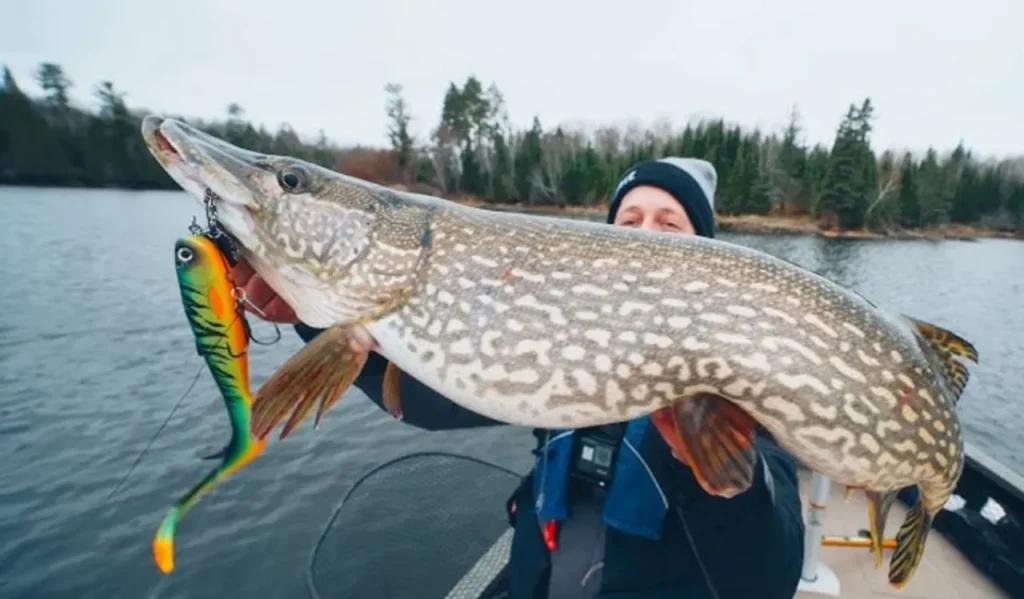
Large minnows or dead baits are also effective as live baits. These baits can be safely handled and placed accurately by the use of heavy casting rods. The methods of retrieving, such as jerks, pausing or constant pulling, replicate prey movement and provoke hostile attacks. The proper casting of the appropriate lure or bait and selection of the right lure or bait contributes to higher success.
Casting Techniques with Casting Rods
Casting rods should have smooth and controlled movements in order to avoid backlash or tangles. Depending on the fishing conditions, overhead and sidearm casts are the best. Allow the rod to load naturally, particularly when using heavy lures, to cover a greater range and be more accurate and have the baits remain within strike zones.
Pike are more concerned with precision than distance. Drop-offs, edges of the weed, and submerged logs over which the pike are in ambush. Correct casting procedure using a casting rod enhances the presentation of lures, minimizes missed prey hits and makes sure the angler places the baits in the areas where predatory pike are sure to strike, resulting in higher success rates of the entire catch.
Different Types of Fishing Reels and How to Use Each Reel
Fishing Pike in Rivers and Streams
Pike have a habit of hiding behind rocks, submerged plants and slow moving edges of currents in rivers and streams. The large lures can be placed precisely at these ambush locations with the use of casting rods and still controlled during unexpected attacks. Aggressive strong fish can cause line breakage, so it is important to fight them smoothly and with constant pressure.
The flow of water is dependent on line management. Anglers must be able to keep tension and leave pike to run. Casting rods take in sudden pulls and hold on to hooks when struck explosively. Monitoring of river depth, currents, and cover enhances chances of success and also aids in the targeting of the biggest pike in running water.
Must-Read Guide for Top Picks of Best Fishing Reels
Fishing Pike in Lakes and Ponds
Pike prefer weed beds, drop-offs, shallow flats and shaded edges in still water. The proper positioning of lures is essential and the casting rods give the necessary force to cast heavy lures accurately. Slow retrieve, pauses and jerks mimic injured prey and cause violent attacks. Depth control is important.
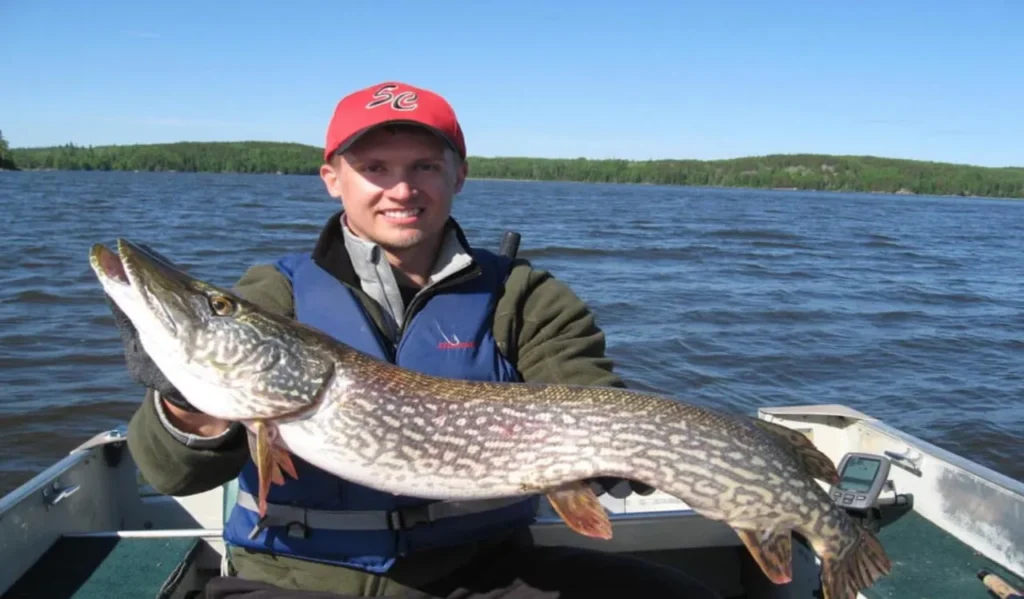
Pike can hang around structure or can feed on the surface. Anglers can use casting rods to fish at the appropriate depth of the lure. The monitoring of water temperature, direction of wind and structure improves targeting. Patience, correct positioning, and lure manipulation are the means of raising the pike catch rates in lakes and ponds.
Setting the Hook Effectively
A firm and restrained hook strike is needed when a pike is struck. Their huge and sharp teeth and tough jaws need accuracy. To hook the rod, pull it up with high force and keep the tension of the line. Jerks that are too aggressive may rip the hook off or break the line.
The casting rods are used to absorb the first run and head shaking to enable improved hook penetration. Preparation of drag is important to make the line stretch and not snap. When using the proper technique and leverage of the rod, the angler is able to land large pikes easily and the number of lost fish in aggressive battle is minimized.
Fighting and Landing Pike
Pike fighting takes time, pressure and handling of the rod. Casting rods take up explosive rushes and head shaking and leave the control of the rod in the hands of the angler. It is not advisable to press fish because the pike are powerful, and can suddenly change direction, and strain line and tackle.
The safe way of landing pike is by a net or lip gripper. Casting rods give leverage in order to direct the fish and not to harm the equipment. The hooking of fish is minimized to minimise harm to the fish and the angler. The correct style will make the fight and landing safe and successful even with huge predatory pike.
Different Types of Fishing Rods and How to Use Each Rod
Common Mistakes to Avoid
The mistakes are the usage of light rods, improper line, or neglect of pike teeth protection. Such inaccuracies usually lead to lost fish or lost tackle. The heavy and middle-heavy casting rods with strong braided lines enhance the control and minimize accidents during the pike fishing sessions. The most important success factors are patience and precision.
Technique and observation enhance the catch rates. By aiming at the appropriate structure, managing retrieves and setting the drag appropriately, the probability of strike is enhanced. The appropriate manipulation of lures and casting a casting rod with a strong bait is a sure guarantee of success. Through experience, the angler can have productive, safe, and exciting pike fishing experiences.
FAQs About How to Fish for Pike
Final Thoughts
Fishing pike with casting rods is both thrilling and productive, especially for larger predatory fish. Using the right rod, reel, line, and lures ensures accurate casting, controlled fights, and better landing success. Proper technique, including smooth hook sets, precise lure placement, and patient retrievals, increases strikes and reduces lost fish, making pike fishing exciting and rewarding for anglers.
Observation, patience, and proper positioning are key to success. Understanding pike behavior, ambush spots, and water structure helps anglers target fish more effectively. Casting rods provide leverage and control for aggressive strikes while keeping line tension steady. Combining equipment knowledge with effective techniques ensures productive, safe, and enjoyable pike fishing sessions in rivers, lakes, and ponds.