
How to Fish Trout with Light Rods: Ultimate Guide for Beginners
Learn how to fish trout with light rods using the right tackle, lures, casting techniques, and tips for streams, rivers, and lakes effectively.
Trout are alert freshwater fish which are best approached with the use of light tackle and finesse fishing. A light rod is used in the effort by an angler to present small lures or baits in a natural manner and at the same time respond to subtle bites well. Insects, small baitfish and aquatic organisms are fed on by the trouts. Offering lures softly with little splash is also a sure way of catching trout in smooth streams, rivers and lakes without scaring them.
Anglers can also use light rods in order to absorb abrupt movements of the trout during the fight. Trout has a reputation of fast running, shaking of heads, and turning, which can easily lose hooks on heavy gear. A delicate light rod is more flexible and it offers better control and flexibility to the angler. This creates less breakage of lines, better hook retention, and creates an exciting, more interactive fishing adventure to trout lovers of all abilities.
Choosing the Right Light Rod for Trout
Effective trout fishing depends on the choice of the light rod. Most freshwater environments are suitable with rods that are five to seven feet long. The shorter rods are used to give more precision in small streams, and the longer ones to give longer casts in open water or lakes. Light rods or ultralight rods are desired because they enhance sensitivity and detect finer bites of the trout better in general fishing outcomes.
Rod action plays a great role in casting and hook set performances. The fast or moderately fast action rods enable the control of the lure with high accuracy in addition to the quick penetration of the hook. The reason why graphite rods are popular is that they are very sensitive and light in weight. The right action and power of a rod will guarantee increased casting accuracy, a smoother retrieve, and an increase in success in different trout habitats, and will enable an angler to be confident when fishing wary fish.
Must-Read Guide for Anyone Looking for Top Rods
Best Reel and Line Setup for Light Rods
To balance the performance of the reel, it is important to combine a light rod with a right spinning reel. The reel size of 1000 to 2500 is ideal in light trout setups. Drag systems have been made smooth to enable trout to run without breaking the line. The small reels are also easier to manipulate and lessen the fatigue in the case of long fishing hours, which gives a better overall control of the accurate lure placement.
The choice of the line is significant in the success of trout fishing. Between two and six-pound the monofilament or fluorocarbon lines work best. There are lighter lines which enhance sensitivity, visibility underwater and lures move naturally. Tangles are avoided by spooling lines properly and casting distance is enhanced. This rod-reel-line combination is as efficient as possible when offering trout bait or lures, in any fresh water setting.
Effective Lures and Baits for Trout
Light rods work well with small fine lures that are used in trout. Small spinners, spoons, soft plastics and trout magnets are examples of popular choices as they resemble natural prey. Such lures can be slowly or gently twitched, a simulation of an insect or bait fish. The rods can be moved accurately due to light rods, and this can assist the angler in offering these lures without frightening trout in clear or pressured water.
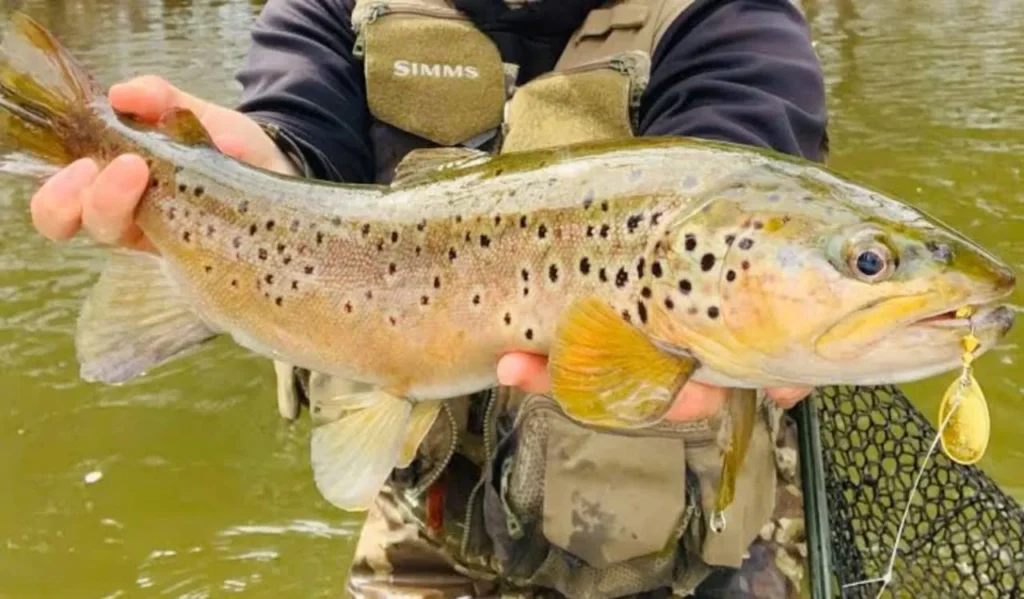
Light rods are also very effective in using live bait. Trout in streams, rivers, and lakes can be attracted by worms, mealworms, crickets and salmon eggs. Light rods enable insensitive bait presentation that increases the accuracy of bite detection. Having smaller hooks and small weight will make bait move naturally. Fine rod together with light rod are sure to provide a natural presentation, more catches and enjoyable trout fishing activities to every level of skill of the angler.
Casting Techniques with Light Rods
When casting with light rods, the movements made should be smooth and controlled otherwise, the line will snap or become tangled. There is no need of aggressive casts because light rods depend on appropriate flex to drive lures. Side arm casts are used in the tight spaces whereas overhead casts are used in open spaces. Always leave the loading of the rod to nature in every cast, so that the lures lie lightly, and in a natural manner to trout in streams, rivers, and lakes.
In trout fishing more importance is placed on accuracy than distance. Lure should be placed close to seams, pools, riffles or shaded places where the trout conceal. Light rods can be easily manipulated and relatively changed to locate and depth. The regular application of soft casts will also decrease fish spooking. When these finesse casting techniques are practiced, the strike rates are improved and overall trout fishing effectiveness is improved particularly in pressured or clear water areas.
Must-Read Guide for Top Picks of Best Fishing Reels
Fishing Trout in Streams and Rivers
Trout when fishing in running water, frequent to be found in the rear of rocks, pools or eddies. Cast into the stream and allow your temptation to flow with the stream. Light rods make the process more sensitive and allow the recognition of minor bites during the drift. By placing the right position, the fishermen can fish the trout without scaring them and increases the success of catching in the small streams and rapid rivers.
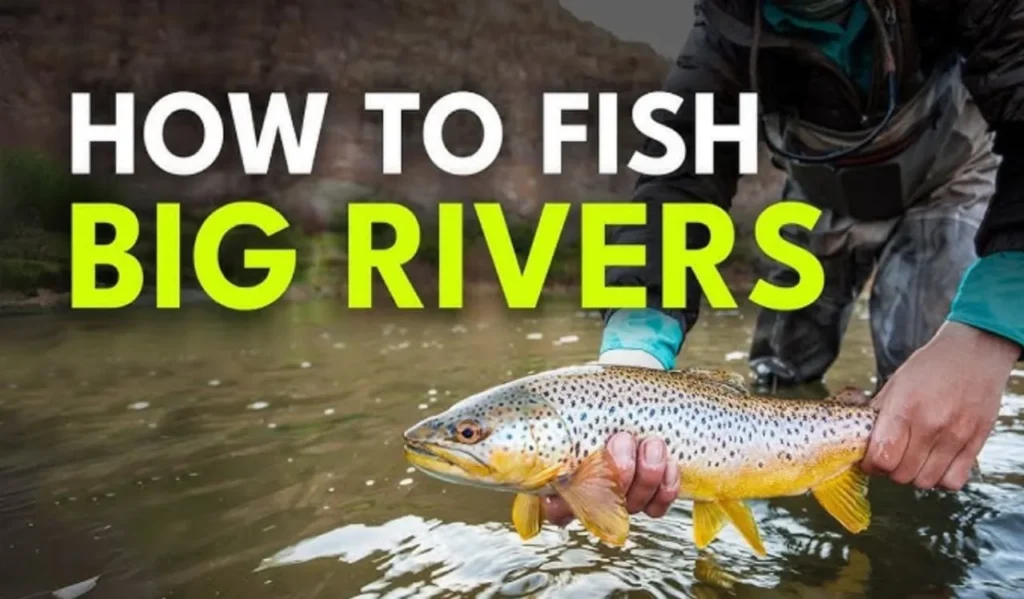
It is important to keep to a light line strain when fishing in rivers. Do not drag the lure out of nature, trout are very sensitive. Light rods make it possible to control lines and present them better. Creep into the bank and do as little disturbance as possible in the water. Studying the behavior of trout such as feeding areas and swimming patterns will guarantee a productive and efficient fishing time with minimum wastage of effort.
Fishing Trout in Lakes and Ponds
Trout can be found at different depths in lakes and ponds and this is likely to change depending on water temperature and light effects. Cast almost to the edge of the weeds or shadowy places and get the best results. Light rods give greater ability to control lure depth, and retrieval speed, which enables the angler to retain a natural motion and lure the trout even when the weather is changing.
In still water, it is necessary to experiment with the speed of retrieval and lure depth. Light rods enhance subtle jigging or slow retrieves, and result in more strikes. The best time to fish trout is in the morning and evening. Trout reaction and presentation manipulation increases success. In lakes and ponds, fishing with a light rod would increase accuracy, control, and catch detection to have more productive fishing times.
Different Types of Fishing Reels and How to Use Each Reel
Setting the Hook with Light Rods
The light rod hook setting needs smooth and restrained movements. Trout have soft-mouthed, and hook sets made violently frequently end up in hook pulled, or lost, fish. On feeling the bite, raise the rod gradually keeping the steady pressure. This is the best way to make sure that the penetration is correct without destroying the trout, as is necessary when operating finesse equipment and light tackle.
Light rods are highly bent enabling tension to be built gradually when setting the hook. No jerking or slapping of the motions, they can break light line. The pre-fight adjustment of the drag settings would guarantee the ability of the trout to run without breaking the line. The correct hook-setting method and the flexibility of the rod are more successful in landing and less frustrating in the difficult trout fishing with small lures or live bait.
Fighting and Landing Trout Safely
Fishing trout on light rods takes time and proper handling of the line. Let the rod take in some jolts and jerks of the head. The fish should not be forced because light lines easily break. Maintaining a constant pressure and leaving the trout to wear himself out is the surest way to find the fish on the end of the line with little or no damage to the gear.
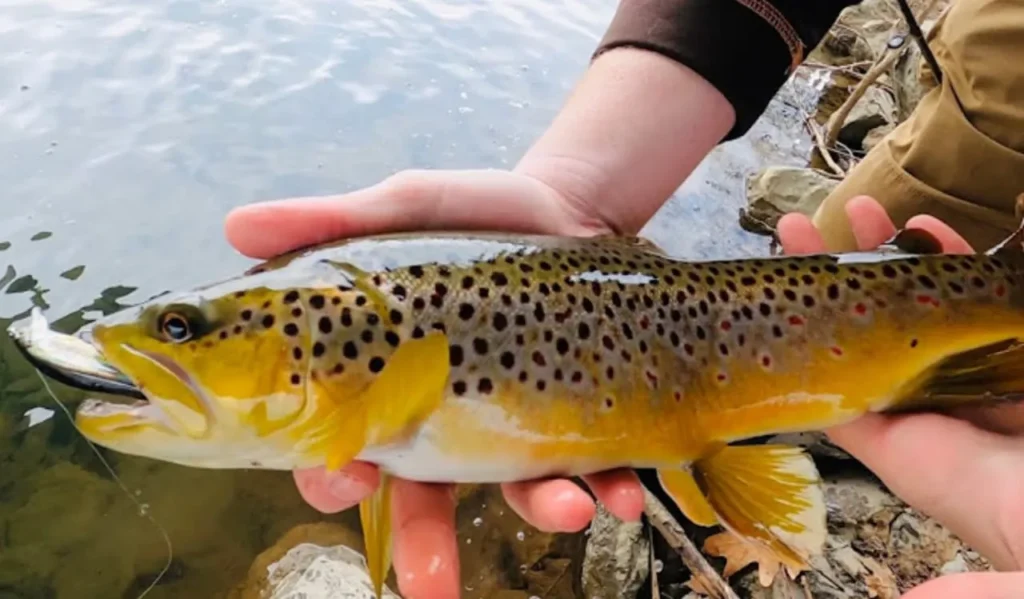
Any landing net should be used as much as possible to minimize the stress of the line and the trout. Light rods are not used to lift fish. Squeeze the trout into the net to avoid damaging hooks, line and fish. The use of light rods is a safe and enjoyable fishing technique because of proper landing techniques that enhance catch-and-release survival and minimise the risk of losing trout.
Different Types of Fishing Rods and How to Use Each Rod
Common Mistakes and Final Tips
The errors associated with light rods are heavy line, oversized lures, or rough retrieves. The mistakes lower the bite rates and scare trout. Light rod fishing involves being delicate, patient, and presentable. Having stealth and watching the behavior of fish increases the chances of success. Minor changes to the position of the lure, depth and retrieve can often result in dramatic changes in catch rates.
Light rod trout fishing is mastered by use of practice. Monitors trout behavior, water, and lure. Modify methods according to the behavior. Fishing with the proper rod, reel, line, and lure, patience, and delicacy is a more pleasant, effective fishing experience. Light rods are used to make trout fishing thrilling to both beginners and professionals.
FAQs About How to Fish Trout with Light Rods
Final Thoughts
Fishing trout with light rods is both rewarding and effective for anglers of all skill levels. The right setup improves sensitivity, bite detection, and natural lure presentation. Using proper rod, reel, line, and lure combinations allows for delicate casting, accurate retrieves, and more enjoyable fights with trout in streams, rivers, and lakes.
Patience, observation, and finesse are key to success with light rods. Understanding trout behavior, adjusting techniques to water conditions, and practicing proper hook sets and landing methods increase catch rates. Light rod trout fishing creates a more immersive and exciting experience, helping anglers connect with the fish and enjoy freshwater fishing fully.