How to Hold a Fishing Rod Correctly: Ultimate Guide
Learn how to hold a fishing rod correctly with proper grip, hand placement, posture, and techniques to improve casting accuracy, comfort, and control.
One of the most essential skills that a fisherman can have is to hold a fishing rod in the correct manner. A proper grip enhances the accuracy of casting, decreases fatigue and is more likely to control when fighting fish. Novices do not give much attention to grip and hand positioning that can have a negative impact on performance. Knowing how to hold the rod, it will make an angler fish more effectively, perceive bites better and spend more time.
Bad habits that make an angler less sensitive and less accurate can be developed by even experienced ones. The right grip will give one consistent casts, easy retrieves, and an improved overall performance on the fishing. It also avoids the unwarranted strain on wrists, arms, and shoulders. Anglers can control their equipment, and become more efficient in fishing by learning to hold the equipment.
Understanding the Fishing Rod Components
It is necessary to know rod parts before finding out the correct grip. The fishing rod comprises the reel seat, guides, handle and tip. All the components influence the way in which the fishing rod is to be held and moved during casting and retrieval. Being aware of these parts will enable the angler to make effective changes to their grip to ensure maximum performance.
The handle gives leverage to casting and the reel is firmly held by the reel seat. Guides are used to move the line in the direction of the rod and the tip is sensitive in detecting bites. The knowledge of these aspects will help to maintain the correct position of the hands, which will lead to more effective casting and a more accurate control of the line and less fatigue on the long fishing trips.
Must-Read Guide for Anyone Looking for Top Rods
Choosing the Right Rod for Your Grip
There are various types of rods and they need different methods of handling. To hold spinning rods, the reel is placed at the bottom, whereas in baitcasting rods it is placed on the top. Fly rods are usually two handed in casting. When selecting a rod, it is important to select one that fits your type of fishing so that it is comfortable, easy to control and handle.
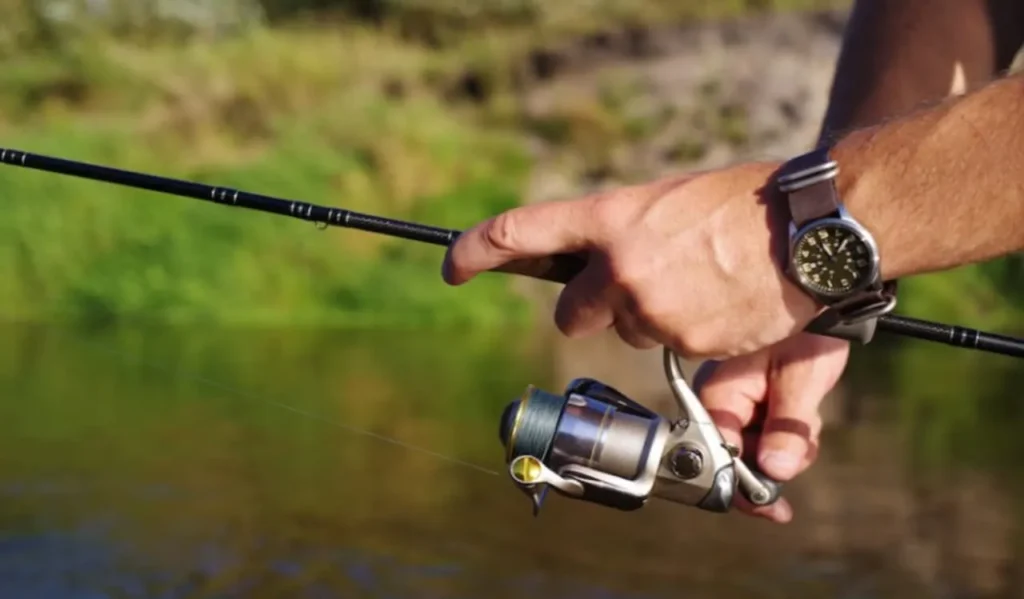
Grip also depends on rod handle length. The longer handles are used to control heavy lures or larger fish with two hands and shorter handles are used to control light tackle fish. The choice of the type of rod and the design of the handle will help to keep the right grip and will minimize the fatigue during the extensive fishing session.
Basic Grip for Beginners
A simple grip with beginners is to have the rod firmly in the hand but loose. Use the hand that is dominating and put it close to the reel handle or the seat and place the fingers around the handle comfortably. The rod may be held over the reel by the other hand making it stable when casting and retrieving.
One should not hold on too tight, which may result in exhaustion and less fluid movement. The loose grip gives a smoother movement of the rod, more sensitive, and cast more accurately. This simple grip is the foundation of more complicated techniques and allows to work with various types of rods and fishing conditions more easily.
Must-Read Guide for Top Picks of Best Fishing Reels
Using Two-Handed Grip for Strength
The two-handed grip is better to use in terms of leverage and control especially when struggling with bigger fish. Hold the reel seat with one hand and the rod handle still higher with the other. This uniformly distributes the weight and offers superior torque in casting and retrieving heavy lures.
Two-handed grips provide stability and do not produce fatigue to the wrist and forearm in long fishing. They are also handy in cases of long casting or in dealing with powerful fish. Training this method enables the fishermen to be regular performers and more self-assured in diverse fishing scenarios.
Positioning Your Fingers Correctly
The position of fingers is important in the control of the line and sensitivity. Use a spinning rod by resting your index finger slightly along the line to assist in controlling the release of the line during casting. Hold onto the handle of your other fingers to be more stable and comfortable.
The wrong positioning of fingers may decrease the accuracy and complicate the control of lines. The light controlled touch enables the angler to sense the bites and enhances accuracy in casting. Finger positioning helps to set better hooks, retrieve easier, and enjoy fishing in general.
Different Types of Fishing Rods and How to Use Each Rod
Adjusting Grip for Different Reels
The various types of reels will need little variation of hand placement. In spinning reels, you should have the reel in your hand below the rod and then retrieve it with your hand that is dominant. In the case of baitcasting reel, place the reel on the top and your thumb to regulate the speed of the spool during the casts.
Fly reels are commonly two handed and the rod is held in one hand and the other hand operates the line tension. Knowing the grip of each type of reel can enable an angler to adjust to various ways of fishing so that they can make efficient throws, ease in the retrieve, and generally perform better on the water.
Maintaining Balance and Posture
Proper rod use requires maintaining correct posture. Stand with your feet shoulder-width apart, bend your knees slightly, and keep your body relaxed. This balanced stance helps you cast with control, reduces unnecessary strain, and minimizes fatigue during long fishing sessions. Good posture ensures smoother movements and makes handling the rod more efficient over time.
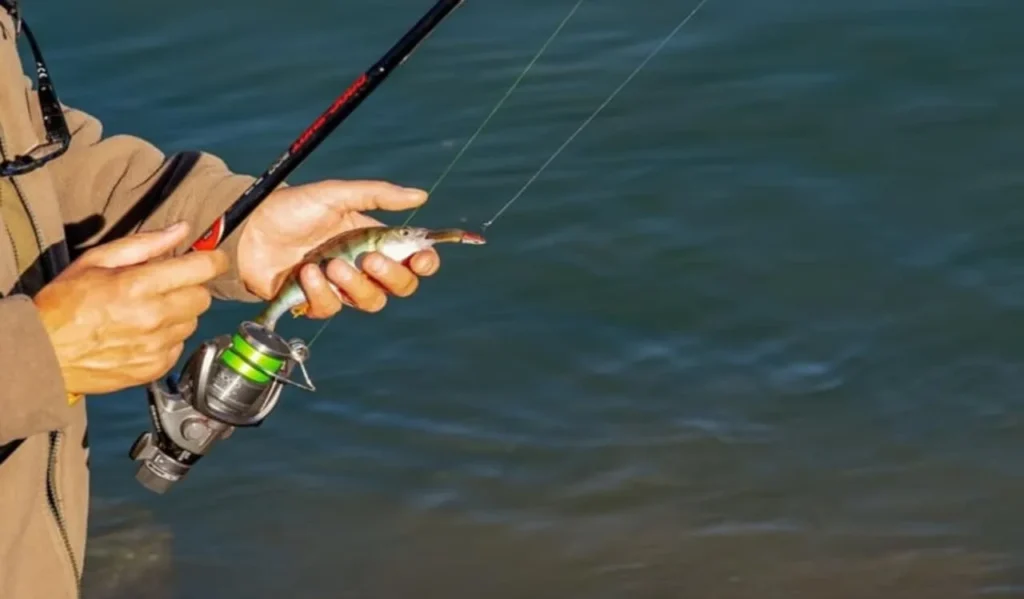
Maintaining correct posture also improves sensitivity and casting precision. Leaning, stooping, or tilting the body reduces accuracy and limits casting distance. A moderate, balanced stance enhances rod control, allows smoother and more natural movements, and prevents body strain during extended fishing periods. Good posture is essential for effective casting and overall comfort while fishing.
Practicing Casting While Holding Correctly
To develop proper grip and hand positioning, consistent practice is essential. Begin with short casts in open areas, focusing on smooth movements, line control, and correct grip. Controlled, repeated practice helps build muscle memory. Over time, this enhances casting accuracy and overall technique.
The practice also makes the angler react more appropriately to the slightest bites and movements of the fish. Correct grip also makes beginners ready to use different methods of fishing, types of rods and weather conditions. When one practices regularly, casting will become natural and easy with time.
Different Types of Fishing Reels and How to Use Each Reel
Avoiding Common Grip Mistakes
Most of the mistakes made by many angllers include holding the rod too tightly, putting the fingers in the wrong position, or holding the rod in awkward positions. Such mistakes may result in fatigue of the wrist and arm, decrease the accuracy of casting, and decrease the ease with which bites are detected. Novices do not always know that minor changes in the position of hands can make a great difference.
The other error is the inconsistency of hand positions when making repeated casts. Switching grip or finger placement will continually decrease muscle memory and influence accuracy. It is possible to maintain the grip of each cast so that performance can be controlled and predictable. The knowledge of such errors assists the beginners to make corrections at an early stage, making the process of fishing more confident and efficient.
Practicing for Consistency and Control
Rod handling and grip technique is learned by practice. Begin with small casts in open fields, with emphasis on good hand position and smooth rod action. The repetitive practice which is controlled develops muscle memory and enhances accuracy. Regular practice also enables the angler to use the other types of rods, line weights, and reelse effective in making the right grip to achieve improved fishing performance.
The constant practice enhances responsiveness to delicate bites and movements of the fish. The angler can get additional time to make hook sets and acquire self-confidence in their casting skills. The right methods of gripping will make the difference between spending the time learning right and enjoying successful and comfortable fishing even when it comes to the long days spent in all kinds of environments.
FAQs About How to Hold a Fishing Rod
Final Thoughts
Fishing rod handling is a fundamental requirement to every fisherman, amateur or professional. Proper grip will also improve the accuracy of casting, minimise fatigue, and also increase sensitivity. Knowledge on the position of hands, position, and location of fingers would guarantee effective fishing and easy management of lures. The use of proper methods will always create muscle memory and train the angler to use various types of rods and reels with ease.
The dividends of time spent in learning how to hold the rod correctly are higher casting rates, better handling of fish and longer and more enjoyable fishing hours. Proper hold also minimizes the stress to wrists and shoulders thus making the fishing less exhausting. It will take time and practice to get the fishing rod in the right position, but once the right positions are understood and the pitfalls are known.