How to Increase Casting Distance: Complete Guide for Beginners
Learn how to increase casting distance with expert tips on rods, reels, line choice, stance, and release techniques for better fishing results.
It is important to increase the distance of casting to catch fish that remain distant or undercover. Longer casts enhance bait placement, presentation of lures and opportunities of catching fish in deep or inaccessible places. The knowledge of appropriate methods, equipment choice, and practice habits enables the angler to cast more distances, have control, and overall improve the performance of fishing in different situations.
The aspect of casting distance depends on the fishing rod action, type of line, reel set-up and the mechanics of the angler. The distance of the lure is also influenced by the wind, current and obstacles which are environmental factors. Once these elements are mastered, an angler is able to make longer and precise casts at all times, which allows one to have more chances of striking and be efficient when out on a freshwater or saltwater fishing excursion.
Understanding Casting Mechanics
The casting mechanics entail the adequate coordination of the rod, wrist, and body in passing of energy to the line. Timing and smooth acceleration are also used to guarantee the maximum distance without losing control. Mechanical errors, including jumpy movements or premature release, decrease the range and precision of casting, decreasing the presentation of lures and their general performance.
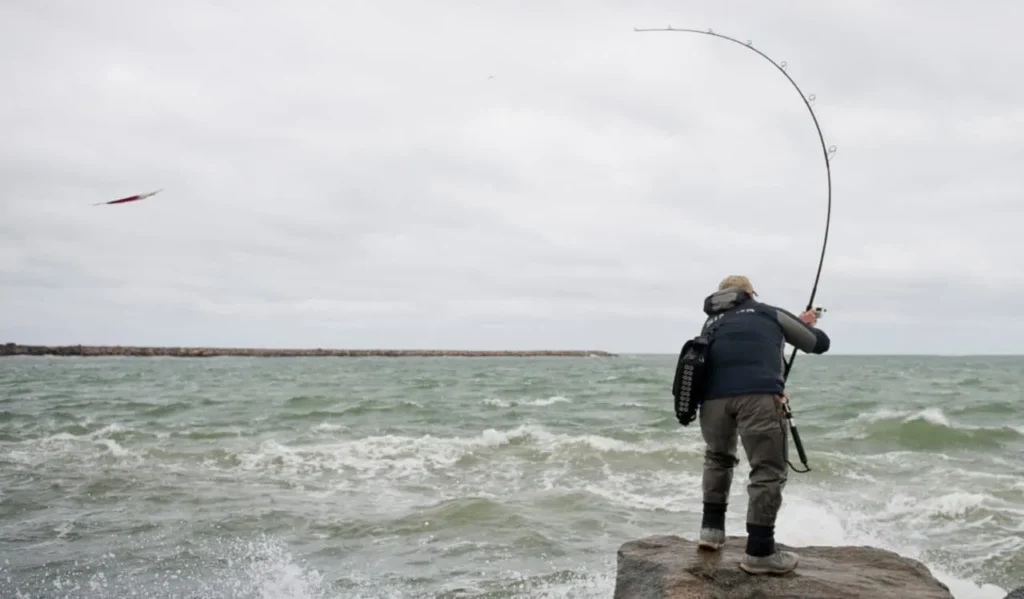
The point of release is important in maximizing the distance. The lure can be thrown longer when the line is released at the maximum tip of the rod. Casting efficiency is enhanced by practice and body mechanics, loading a rod and timing, and this assists an angler to be able to place a lure in a specific spot in a distanced fishing area.
Choosing the Right Rod
Action and rod length have a great influence on casting distance. The longer rods have better leverage and high line speed, which enables longer casts. Fast-action rods are more efficient storing and giving out energy and launching the lures faster with little effort. The right rod will increase the distance and control, and it will improve the overall performance of the fishing.
Bending and taper of the rod have an effect on energy transfer. The lure is released more efficiently or gradually by fast-tip rods and slower rods respectively. Fishing Lures The longer the rod, the heavier the lure, the greater the distance, which a person can cast the rod and the less effort it requires. Regarding weight, the heavier a lure is, the longer a person can cast the rod, and the less effort it demands in different fishing conditions.
Must-Read Guide for Anyone Looking for Top Rods
Choosing the Right Reel
The line flow and casting efficiency depend on the choice of the reel. Spinning reels enable longer casts to be made using lighter lines and reduce backlash whereas baitcasting reels offer accuracy and control when using heavier lures. The correct tension in the spool, drag settings and smooth working is a way of enhancing line release making the casting distance and accuracy to increase with each cast.
Reels should be maintained to guarantee maximum performance. Constant flow of lines is made possible by smooth bearings, lubrication and low friction. Utilizing the fishing reel that is appropriate to the target species and situation will guarantee energy transfer between the rod and line to allow the maximum distance to be reached without losing control or lure display.
Must-Read Guide for Top Picks of Best Fishing Reels
Selecting the Right Line
Casting distance is influenced by the type of line, weight and diameter. Smaller and lighter lines create less air resistance and permit the free flow of air through guides. There are various properties of monofilament lines, fluorocarbon, and braided lines; when selecting the right line, the maximum distance is guaranteed without compromising on the strength and control. Longer casts can only be achieved by proper selection of lines.
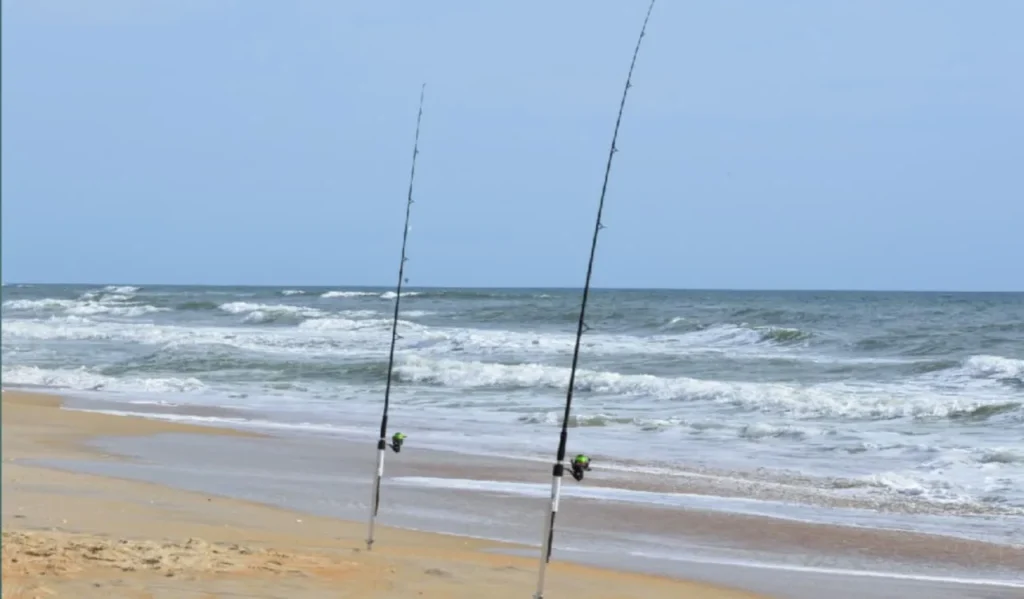
Flow of lines is smooth, which makes it less frictional and more efficient. Braided lines can be cast far, and the fine strength they offer permits very thin diameter, at the same time the stretch of monofilament is needed when making a dainty presentation. Knowing the behavior of a line when used together with a rod and reel will allow one to achieve the longest casting distance with accuracy and lure presentation.
Choosing the Right Rod
Energy transfer and leverage is enhanced by proper grip on the rod. Strong and loose grip enables the control and accurate movements of the wrist. The synchronized movement of the rod tip, wrist, and arm helps to make the best use of the stored energy and make the casts longer. The correct casting method eliminates fatigue and allows efficient delivery of lure at higher distances.
Even release and acceleration are required. The shortening of distance is achieved by jerky movements, whereas the transfer of energy is maximized by fluid movement. Grip, wrist flick, and loading the rod help in increasing the efficiency of casting. Anglers who have mastered technique are always able to cast longer distances without using muscles and diminishing control.
Different Types of Fishing Reels and How to Use Each Reel
Choosing the Right Reel
Position has an influence on balance, power, and casting efficiency. Shoulder width of the feet, slightly bent knees and body straight with the target gives maximum transfer of energy. The torso can be rotated and the entire body can be used to enhance speed in the rod which enhances distance. Exercise position also minimizes fatigue and enhances the range of casting uniformly with repeated casts.
Casting power is increased by weight shift. When switching back and front foot on the cast, this moves the lure further. Stability and smooth motion enables maximum energy transfer hence enabling the angler to cover long distances to the target and maintain control over direction and accuracy in different environmental conditions.
Selecting the Right Line
The time of release is significant to casting distance. At the optimum rod tip acceleration the fishing lure must leave the line. Premature and late releases will shorten the distance and can have an influence on accuracy. Use of accurate release enhances the range and positioning of lures to difficult to reach fishing grounds with high efficiency on every cast.
A combination of wrist movement and rod bending allows a transfer of energy to take place. A regular schedule enables predictable performance and without compromising control, it gives maximum distance. The art of release timing enhances precision and range, thus, allowing angels to position lures appropriately in deeper water, far cover or moving currents.
Different Types of Fishing Rods and How to Use Each Rod
Proper Grip and Casting Technique
Casting distance is influenced by wind, water current and obstacles. thrown out into the wind rather higher, with restrained impulse to keep aloof. Adjust the current by pointing a bit upstream or changing the tension of the line. Environmental adaptation enhances casting distance, precision and presentation of the lures.
The casting decisions are better by observing water and weather conditions. Alter the weight of the lure, rod angle and time of release. This is because the experienced angler would make the most of the cast by taking into account wind, current, and other obstacles so that the lures would be directed to the target with the most efficiency and without losing control or direction.
Optimal Stance and Body Position
Practice makes one perfect in technique, timing and confidence. Use various rods, reels, types of line, and lures, in order to be versatile. Muscle memory is reinforced when repetition is a regular activity, the motion of the wrist is perfected and casts are longer and more successful when it comes to the real fishing excursions.
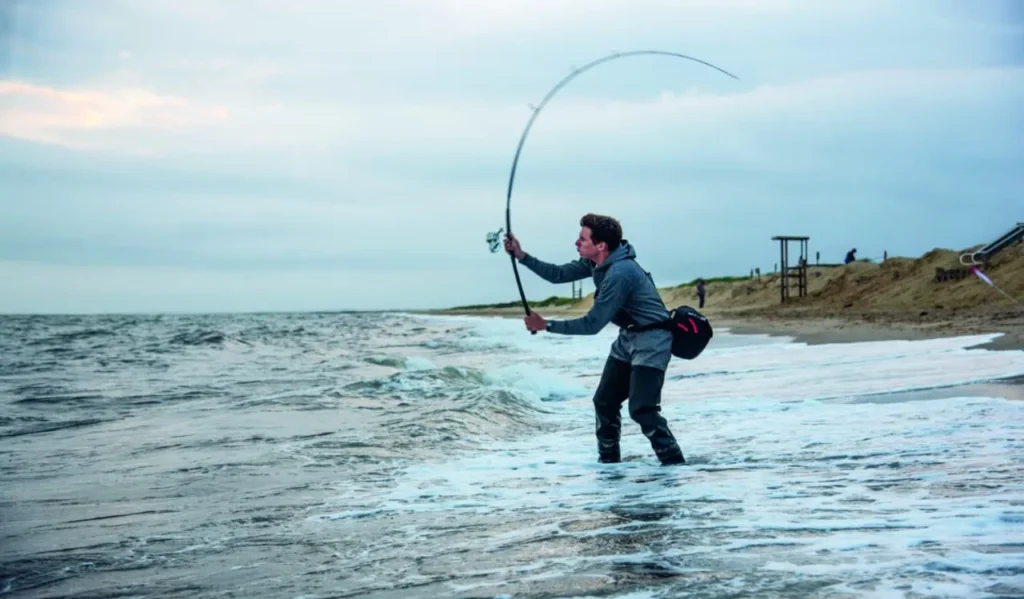
Experiment with distance, placement of targets and type of lure in the course of practice. Mechanics: measure performance and make changes. Intensive and frequent practice makes sure that the angler is always able to reach the far goals without losing accuracy and control, boosting the catch rates and the success of the fishing in general, in the fresh water or salt water setting.
Timing and Release
The effects of overloading the rod, sporadic motions, and inappropriate points of release decrease the distance of casting. Heavy lures and poor line may also be a performance-limiting factor. These are the errors that should be avoided and more emphasis should be given to technique, the right equipment and timing in order to ensure that the length of the cast is always increased and the accuracy rate remains the same and also the fatigue is reduced during fishing.
Hurrying the casts or not paying attention to position decreases productivity. Control wind, current and lure weight mechanics. By taking precautions to avoid the pitfalls, the energy transfer is enhanced, the tangles are minimized and the control is enhanced thus, allowing the angler to achieve their targets that are far. Practice helps to correct mistakes to achieve maximum performance of casting.
FAQs About How to Increase Casting Distance
Final Thoughts
To add more casting distance, one needs to learn rod actions, grip, position, line choice and timing of release. An appropriate equipment and method can result in an effective transfer of energy, which can make it reach further without losing accuracy. Practice and adaptation to environmental conditions contribute to performance and allows the angler to put lures in remote areas that are difficult to reach and increase the success of fishing.
Practice makes the muscles memorize, gain confidence, and be accurate. The knowledge about the interaction of rod, reel, line and body mechanics will provide consistent long-range casting. With technique, wind and current adjustment and appropriate equipment, the angler can obtain the best range of casting, better lure presentation, strike rates, and total fishing efficiency.