
How to Transport Fishing Rods Safely: Ultimate Guide for Beginners
Learn how to transport fishing rods safely using sleeves, tubes, tip protection, reel removal, and smart storage for damage-free travel
Fishing rods are fragile and need careful transport to prevent damage to tips, guides, and reels. Bending, snapping, or tangling can ruin expensive gear and spoil a fishing trip. Using proper handling, protective cases, and organized storage keeps rods safe while traveling. Whether driving, flying, or boating, correct transport methods help rods arrive in perfect condition and ready to fish.
Safe rod transport is not just about protection but also peace of mind while traveling. Proper techniques reduce stress on delicate materials, especially graphite and fiberglass rods. Using best fishing rods sleeves, tubes, and secure placement prevents scratches, guide damage, and broken tips. This guide explains professional methods to transport rods safely for local trips, long travel, or fishing vacations while keeping gear in excellent condition.
Use Rod Sleeves and Tubes
The initial point of protection is the rod sleeves against scratches, dust and small impacts. Padded or cloth sleeves will not cause damage through friction and will keep the rods clean. Hard rod tubes can be used to offer rigid protection to rods in longer trips or shipping, so that they are not bent or broken by weight or pressure. Secure cap tubes are the best to carry a number of rods at the same time so that everything is in order.
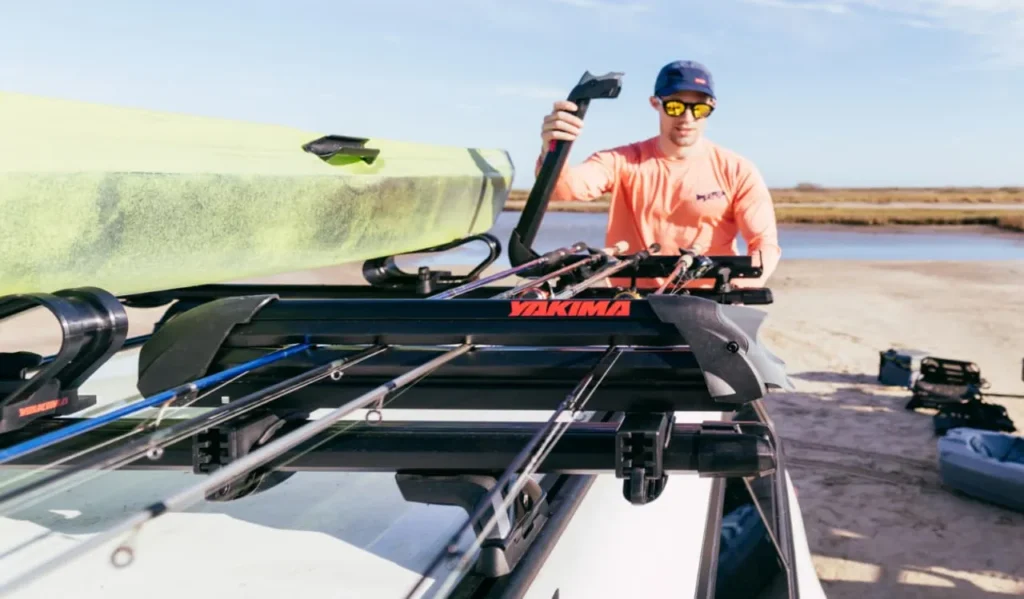
Soft sleeves are ideal for daily travel or short trips, while rigid tubes are best for long-distance transport or flights. Label each tube with the rod type, length, or action for easy identification. Never pack multiple rods together without dividers, as friction can cause damage. Padded interiors and secure closures prevent movement and minimize stress, keeping fragile fishing gear safe during transport.
Disassemble Rods When Possible
Taking apart multi-piece rods reduces their travel length and lowers the risk of bending. Carefully separate each section, making sure the ferrules are clean and free of debris. Store each piece in padded sleeves or tube compartments, and remove the reel to protect delicate reel seats, handles, and guides. Proper dismantling ensures rods arrive safely while preserving their performance and durability.
Label each rod section to make reassembly easier at your destination. Cover the ferrules with soft cloth or foam for extra protection. Arrange the parts carefully to prevent scratches or misalignment during packing. Disassembled rods are easier to organize in vehicles, backpacks, or luggage, making them safer for long trips or when transporting multiple rods.
Different Types of Fishing Reels and How to Use Each Reel
Protect the Rod Tips
The most delicate component is rod tips that should be given special consideration. Wrap tips with foam, bubble wrap or soft cloth to absorb shocks. Do not allow tips to touch any other rods, hard surfaces or the edges of the luggage. More tip guards or business rod tip guards are also advisable. An adequate tip guard allows protection against bending, snapping, and damage of guides in short journeys or during long-distance transportation.
Insert secure tips in special compartments of a rod tube or bag or vehicle rod holder. Make sure that they do not press down due to heavy things or baggage. Even the slightest shocks may break fiberglass or graphite tips. Anglers save money by keeping tips secure during each transportation to save money on repair and also save time in fishing. On every trip, the tip of the rod needs to be carefully taken care of to ensure maximum performance.
Remove or Secure Reels
Whenever there is an opportunity, reels should be taken off the rods to prevent damage during transportation. The loose reels may bounce, scratch rod handles or break reel seats. When it cannot be removed, strap the fishing reel or cover it with some covers. This keeps your rods intact with delicate internal mechanisms, drag systems, and handles that will not need much maintenance and repair work, and that you can use fully when you arrive.
If the reel stays on the rod, fully release the drag to prevent compression. Cover the reel with soft cloth or foam to absorb shocks during transport. Avoid placing heavy items on top, as this can damage bearings or break the spool. Proper protection and secure placement reduce travel risks and help maintain the reel’s performance while preventing costly repairs.
Must-Read Guide for Top Picks of Best Fishing Reels
Use a Dedicated Rod Bag or Case
Specialized rod bag or case offers a protective and convenient way of transporting. Padded interiors do not cause friction and they cushion small impacts. Several rods are divided into compartments and do not tangle or get damaged as guides. Hard cases are perfect when flying or it is a long drive whereas soft bags are perfect when travelling by car. The right type would see to it that the rods are well organized and completely covered during the travel.
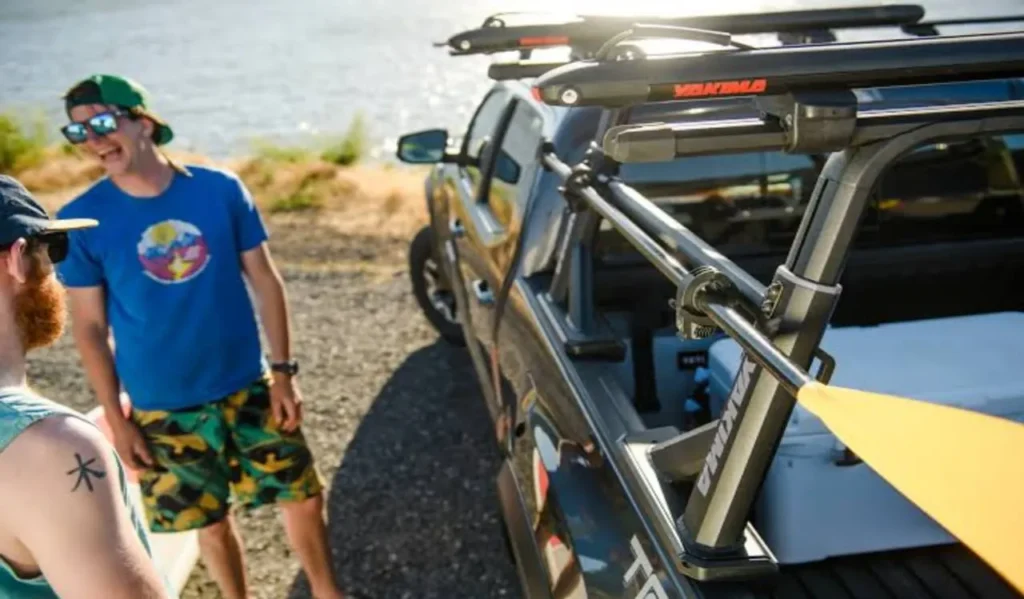
Rod bags are usually designed with outside pockets to store other items such as tackle, reels or lines. Carrying is easier with straps and handles particularly on trips with multi-rods. Label the bags to easily identify the type of rods, length or setup. Padded together with sleeves and safe storage, special cases are the sure way of ensuring that the rods are not damaged accidentally or due to the environmental conditions in transit.
Avoid Extreme Temperatures
Fishing rods, especially graphite or fiberglass ones, can be damaged by extreme heat or cold. High temperatures may warp handles or weaken adhesives, while freezing weather makes rods brittle and prone to snapping. Always transport rods in climate-controlled vehicles or insulated cases. Avoid leaving rods in hot car trunks or on ice, as protecting them from extreme temperatures preserves performance and extends their lifespan.
During summer trips, keep rods out of direct sunlight and store them in the shade. In cold weather, avoid placing rods near heaters or on frozen surfaces. Use padded cases or tubes to protect rods from sudden temperature changes. Maintaining stable, moderate temperatures prevents material fatigue, cracking, and glue separation, ensuring rods stay ready for future fishing trips.
Different Types of Fishing Rods and How to Use Each Rod
Secure Rods During Vehicle Travel
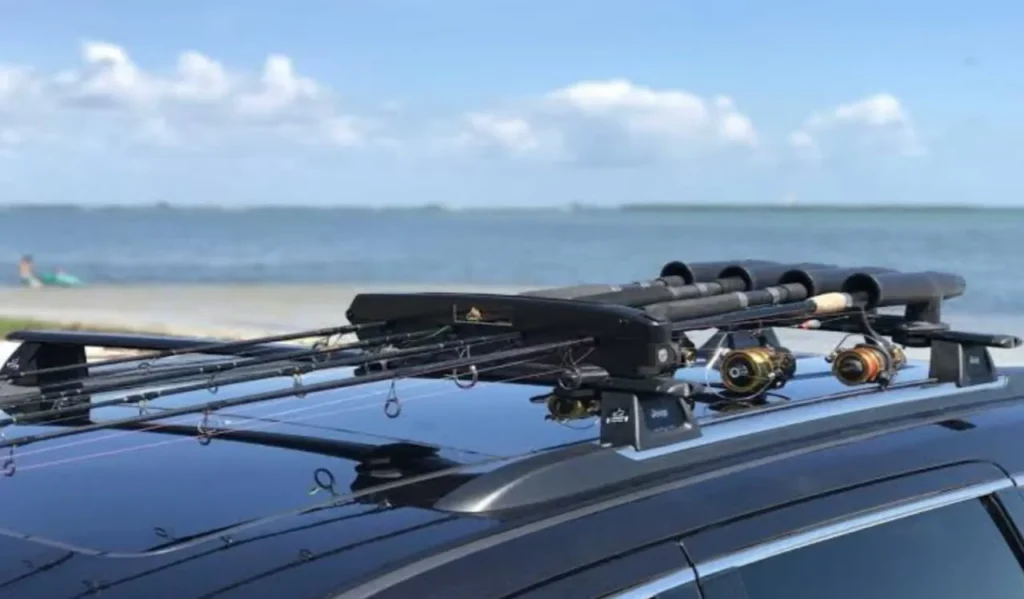
Free rods in a car, truck bed or trailer could bend, scratch or break when there were sudden stops or bumps. Secure rods by the use of straps, rod holders or cargo organizers. Prevent the movements of rods and their contacts with hard objects. The correct restraining will avoid any accidental damage as well as all rods will be safely delivered to your fishing location with no damages or realigning.
When carrying multiple rods, use dividers or padding to prevent sliding and tangling. Keep rods away from sharp tools or other equipment to avoid damage. Vehicle- or trailer-friendly rod holders are the best way to keep rods stable during transport. Securing the rods reduces the risk of tip damage, guide misalignment, and structural strain, keeping both the gear and people safe.
Protect Rod Guides
Rod guides are fragile and are easily bent or broken when being transported. Wrap them with foam, rubber tubing or commercial guide protectors to ensure they are not damaged accidentally. Make sure that guides are not in contact with other rods, gear and hard surfaces. Guide protection ensures proper line flow, casting precision, and rod performance, which is necessary in long-term durability and the best fishing performance in every expedition.
Multiple guide rods on multi-piece rods should have individual pieces of foam or pipe insulation. Areas of sharp bending or pressure that may bend the guides should be avoided. In storing two or more rods at once, guides must not come into contact. Frequent cushioning on transit lowers the chances of guide misalignment, scratches and breakages and your rods are in fully functional conditions and ready to cast accurately upon arrival.
Keep Accessories Organized
Rods may be damaged when rods are transported in loose hooks, lures or line. Store small accessories like tackle boxes or pouch compartments apart with rods. Arranging equipment helps to avoid entangling, scratches and unintentional damage. Adequate organization also helps save time in arranging the rods in your destination and minimizes frustrations as a result of lost or wangled fishing equipment to enhance the overall experience of fishing.
It is also possible to consider labeling compartments or to use separate boxes with hooks, sinkers, and lures. Rod specific bags usually have pockets in the bag to hold the tackle apart. Such an organization minimizes contacts between metal objects and rod surfaces. Transport is also well organized and not only protects the rods but also makes it efficient and makes the trips more enjoyable and safe. The storage of accessories eliminates scratches, snags, or internal reel damages.
Must-Read Guide for Anyone Looking for Top Rods
Use Labels and Rod Organizers
Label rods by type, length or action to facilitate easier transport and storage. Racks or organizers are used to make sure the rods do not tangle or curve on the way. Labeling enhances faster installation at your destination, as well as enhancing safety. Labeling is combined with sleeves, tubes or padded cases to protect fragile tips and guide them and ensure that the rod is readily accessible.
Organizers in vehicles, boats, and home storage keep rods straight and secure. Dividers or slots separate multiple rods to minimize friction and damage. Heavier rods should be placed on lower racks, with lighter rods on top, to prevent stress. Proper organization and labeling reduce scratches, misalignment, and setup time, ensuring safe and efficient transport of multiple rods.
FAQs About How to Transport Fishing Rods Safely
Final Thoughts
Transporting fishing rods requires careful preparation, organization, and protection. Using sleeves, tubes, rod organizers, and padded storage helps reduce damage. Removing reels, loosening the drag, and protecting tips are essential precautions. These practices ensure rods arrive in good condition, maintain performance, reduce repair costs, and provide a safer, stress-free fishing experience.
Safe transportation of rods is enhanced by proper organization, labeling and handling of accessories. Regulation of temperature and humidity safeguards every rod part. These guidelines ensure that rods are in a good condition despite the distance or the mode of transport. These precautions are helpful in making sure that the angler can enjoy longer life of his rod and also get the best out of it.