Jigging Rod vs Trolling Rod: Performance and Technique Guide
Compare jigging rod vs trolling rod for action, power, target species, techniques, and performance to choose the best offshore fishing rod.
To succeed in various types of fishing, it is important to select the fishing rod. Jigging rods and trolling rods are very specific in techniques and species. Jigging is all about vertical movement of lures and rapidity whereas trolling is the dragging of the lures at the back of a moving boat. The knowledge of the difference allows anglers to find the appropriate rod to suit their objectives in fishing.
Both rods differ in action, power, and design depending on fishing depth and target fish. Jigging rods are light, sensitive, and quick to respond, while trolling rods are built strong for pulling heavy fish. Each rod is made for a specific purpose and cannot fully replace the other. Choosing the right rod improves control, reduces angler fatigue, and increases overall fishing success.
What Is a Jigging Rod?
A jigging rod is a special rod that is used to fish in a vertical manner with jig lures. It has a sensitive tip and a powerful backbone to take in the event of sudden hits and rapid hook sets. Jigging rods are also shorter so that they can be more easily controlled and precise. They are mostly applied in deep water, offshore fishing, and aggressive fish species.
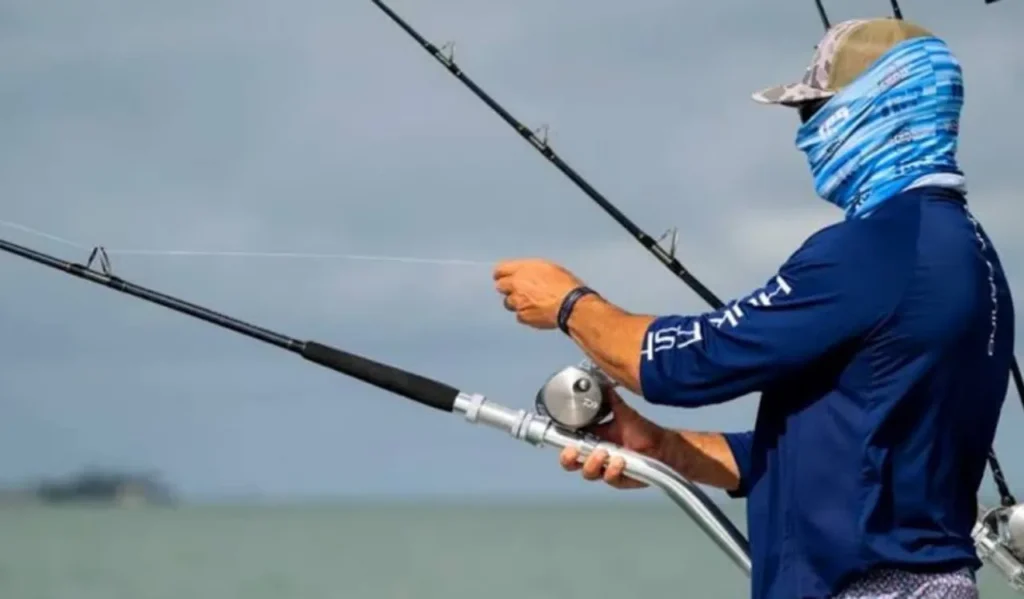
Jigging rods enable the angler to experience slight bites and also lure movement with accuracy. They are fast acting, which increases their responsiveness in the vertical lifting and dropping movements. These rods are used in such species as snapper, grouper, and amberjack. The sensitivity and strength enable the angler to combat powerful fish and have the accuracy to control the jig.
What Is a Trolling Rod?
A trolling rod consists of constructing a rod to drag lures or bait behind a moving boat at constant speeds. These are longer, heavier and very much durable rods. Trolling rods deal with large lines, huge lures, and constant pressure of the water resistance. They are primarily applied in offshore fishing of huge fish species such as tuna, marlin, and kingfish.
Trolling rods are made in such a way that they can withstand long hours of constant pressure. These have hard backbones and medium tips to absorb powerful blows on the way. These rods are normally combined with strong fishing reels and rod holders. They are strong enough to avoid the rod failure in the struggle with high-speed, strong fish striking swiftly and at high trolling speed.
Must-Read Guide for Anyone Looking for Top Rods
Action and Sensitivity Comparison
Jigging rods have quick or even quicker action in order to make a quick response. The sharp tip enables the angler to feel the slightest touch of the taps of the species found in the deep water. Such sensitivity allows making hook sets fast and control lures accurately. Jigging involves continuous movement, and hence, it is very sensitive, one needs to feel all movements and keep time when fishing vertically.
The action of trolling rods is moderate to slow since it is not their main function to have sensitivity. Such fishing rods have to withstand sudden blows when subject to constant tension due to passing water. They are designed to distribute pressure and to last as opposed to detecting bites. Trolling fishermen use rod bend and reel drag as opposed to sensitivity to sense strikes.
Power and Strength
Jigging rods have a high lifting power in comparison to their size. They are constructed with powerful backbones that will help to extract fish at deep water. Although they are shorter, they produce great force when engaged in a vertical fight. This enables the anglers to raise heavy species without fatigue and jigging rod becomes very useful in deep-sea bottom fishing methods.
The trolling rods are much heavier and more powerful than the jigging rods. They have to deal with huge drag settings and unrelenting resistance of flowing water. The trolling rods are constructed to be durable and not fast to lift. The strength enables the angler to struggle with ocean predators which have long continuous pressure on them during protracted offshore struggles.
Rod Length Differences
Jigging rods are shorter in length generally between five and six feet. A shorter length gives it a better leverage and control when it is in the vertical jig movement. It eliminates angler fatigue and increases lifting efficiency. A smaller rod shape is also capable of being more manoeuvred in the event of catching fish right under the boat in deep offshore water.
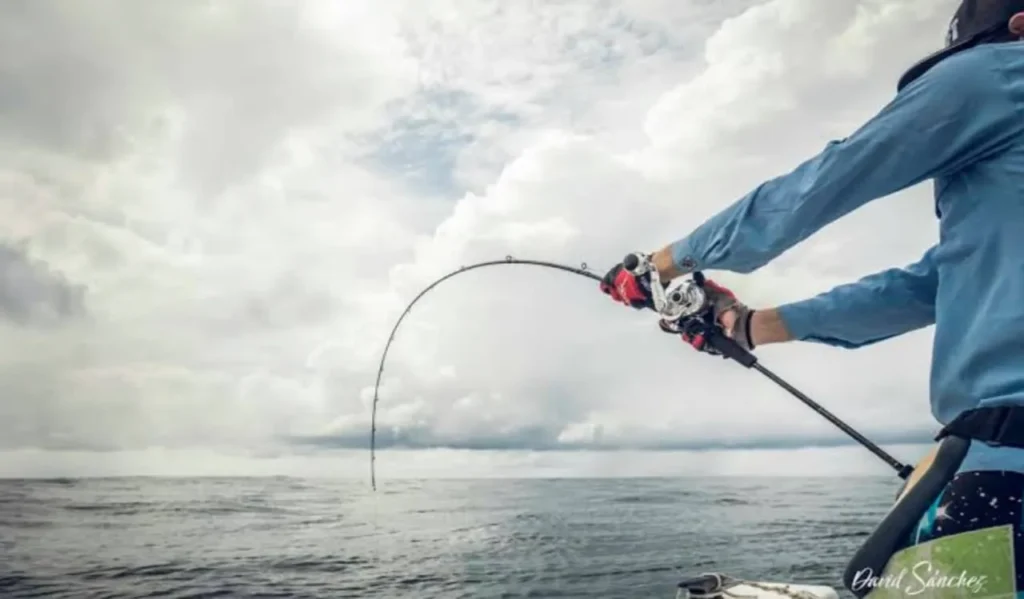
Trolling rods are longer usually between six and eight feet or more. The additional length allows to spread lines away the boat and control large fish when they make large turns. Shorter rods are also shock absorbing. This design eliminates sharp stress in the line when powerful ocean predators strike on the line during high-speed trolling.
Best Fishing Techniques
Jigging rods are suitable in the following techniques of jigging: vertical jigging, slow pitch jigging and high-speed jigging. These techniques employ fast up and down movements of the lure. The shape increases lure action and increases strike response. Jigging is very effective in deep water, reef, and wrecks where the predators lie in wait of a high-speed bait.
Trolling rods would work well in pulling lures, skirted baits or live bait behind a moving boat. The method is effective on the expansive water areas. Trolling is excellent in the open ocean fishing of fast-swimming fish. Planer boards, downriggers and different distances of the lures allow the angler to target various depths and maximize the potential attacks.
Different Types of Fishing Reels and How to Use Each Reel
Target Species Comparison
Jigging rods are best suited in species that are near the bottom or structure. These are popular with snapper, grouper, amberjack, cod and trevally. These fish attack with violence and fight on their feet. Jigging rods provide the lifting power and sensitivity required to be successful in the deep-water with difficult structure and aggressive predators.
Trolling rods are used to fish species that move with rapid speed such as tuna, wahoo, marlin, sailfish, kingfish, and mahi-mahi. These are the species that attack moving bait very fast. Trolling rods should be able to withstand long-runs and high bursts of energy. This is because their strength enables the angler to have control of the fast fish even at longer distances without breaking equipment.
Reel Pairing Differences
The spinning reels or compact overhead reels are usually used along with jigging rods. These reels are easy to drag, fast to retrieve and control lures. Vegetable reel pairing is lightweight and enhances balance and minimizes fatigue when the jigging is carried out continuously. Sharp gear ratios assist in getting jigs back to the surface of deep water after every fall.
Trolling rods are used together with huge conventional reels that have a high line capacity. These reels offer good drag mechanisms and high-performance gears that are required by offshore species. Trolling reels can be fitted in rod holders and designed to work under continual pressure. Their deep, heavy retrieves are perfect when it comes to long term fights with quick moving sea predators.
Must-Read Guide for Top Picks of Best Fishing Reels
Comfort and Fatigue
Jigging rods cause increased physical effort to the angler since the angler is required to constantly move the rod. Their light structure however enables them to reduce fatigue over a long period of time. Anglers make vigorous movements with the lure and this needs stamina and timing. Nevertheless, jigging is a thrilling, hands-on fishing in which most fishermen find very rewarding and involving.
The trolling rods are associated with less active fatigue since they can be held in the holders. The rod is struck without being constantly handled. Trolling however can be very tiresome when fighting big fish on trolling gears. The heavy machinery, prolonged combat and the mighty species demand endurance and strength at the end of the battle.
Which Rod Should You Choose
Select a jigging rod if you prefer active fishing in deep-water areas and around structures. Jigging offers direct control and a fast response to strikes. This method is exciting and keeps the angler fully involved throughout the action. It is ideal for anglers who enjoy hands-on techniques and feeling every lure movement. Jigging rods are especially effective for offshore fishing styles.
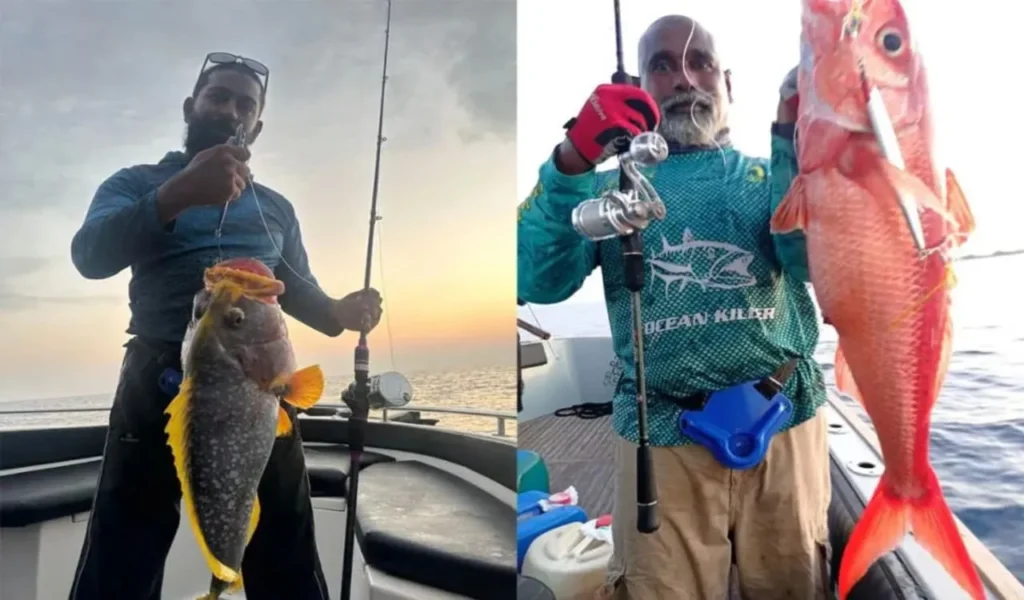
Select a trolling rod in case you want to cover wide water masses and to attack the fast pelagic fish. Trolling is perfect in the open sea fishing and regular strike. It is appropriate to suit the anglers who are fond of fishing in boats and fish fights over a long distance. The choice of the rod will be determined by your fishing environment, your method of choice, and the species you want to fish.
Why Trust Our Reviews
We compare our fishing equipment using the actual onshore and inshore fishing experience. We experiment with jigging and trolling rods in the various species, depth of the water and weather. All the recommendations are tested on the basis of performance, durability, comfort and angler feedback. We aim at giving realistic tips that enhance fish catch.
Rod materials, reel combinations and factual catch performance are also analyzed. We will be able to learn about amateur and professional fishing rigs to provide the best advice. We have experience to be able to explain differences in a clear and honest manner. We advise on the choice of rods that provide consumers with good performances and durability.
Different Types of Fishing Rods and How to Use Each Rod
Customer Feedback
Anglers fishing with jigging rods have stated that they have better bite detection and faster hook sets. It is said that vertical fishing is very exciting and the strength these rods have when it comes to the battle in deep waters. Customers report a decrease in fatigue due to short rod lengths. Jigging fans like the control and responsiveness which improves the success in aggressive species that live in structures.
The users of trolling rods emphasize on strength, durability and reliability when on offshore trips. Anglers boast of their skill in dealing with huge fish and unremitting pressure. Some say they have successfully caught tuna and marlin on the trolling rod. The feedback on the customers always appreciates the stamina and strength that these rods offer when it comes to long and high-speed chases.
FAQs About Jigging Rod vs Trolling Rod
Final Thoughts
Jigging rods and trolling rods are designed entirely on two different fishing methods. The jigging rods are delicate and offer high vertical control of deep-water species. They are practical and can respond quickly to a strike which makes fishing an adventure. Jigging rigs are the most suitable to active fishermen who fish in areas of structure and depth transition.
Trolling rods are designed for strength, durability, and handling constant pressure. They are built fast and powerful to target large fish in deep offshore waters. These rods help anglers control and land fast-moving pelagic species effectively. Choosing the right trolling rod improves performance, reduces gear failure, and increases overall catch success.