How to Choose Rod Action for Bass Fishing: Ultimate Guide
Learn how to choose the right rod action for bass fishing to improve sensitivity, hook sets, lure control, and success in different fishing conditions.
One decision that matters most in bass fishing is the type of rod action to use. Rod action is used to define the amount and location of rod bending under pressure which directly influences the casting accuracy, lure presentation and hook-setting strength. Most of the anglers concentrate on the length of the rods or the power they have but forget about action, and this may result in missed hits or lost fish.
Bass fishing incorporates various methods, lures and settings, and each setting takes certain rod action in order to be effective. Knowing the rod action serves to make sure that the right gear is used, fish more effectively and that a person is more likely to catch bass on a regular basis. The choice of the appropriate action would significantly enhance the water performance and confidence.
Understanding Rod Action Basics
Rod action is a term used to refer to the rate of bending of a fishing rod when pressure is exerted on it. It shows the point of flexing of the rod blank, slow to extra-fast action. The fast action rods are bent primarily at the end of the rod. The action rods are slender and bend over the majority of the rod length making them feel softer and more forgiving.
In bass fishing, the rod action determines the sensitivity, the speed of hook-setting, and the control of lures. The right move guarantees increased feedback of the lure and control in a fight. These basics enable the angler to select the most appropriate rod action in terms of the favorite methods of fishing bass.
Different Types of Fishing Reels and How to Use Each Reel
Fast Action Rods for Bass Fishing
The bending of fast action rods takes place primarily in the upper third of the rod. The design is very sensitive and angler can detect even the slightest bite of the bass. There is also the fast action rods that are characterized with a powerful backbone. This renders them very useful in fast and sound hook sets.
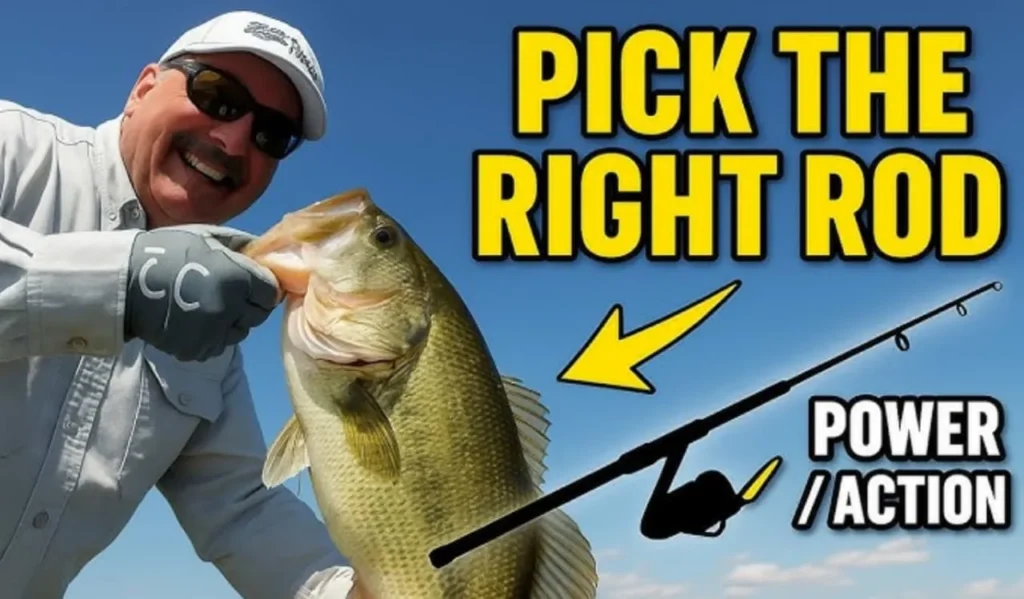
The rods are particularly useful with such techniques as the Texas rigs, jigs, worms, and soft plastics. Bass tend to hit and run using these lures and therefore quick action rods aid in the response of the angler immediately. They are very popular among experienced bass anglers that prefer precision and control.
Extra-Fast Action Rods and When to Use Them
Extra-fast action rods only bend at the very tip and provide the greatest sensitivity and instant reaction. These rods are very useful in the detection of the slightest bites in deep water or heavy cover. They enable quick hook settings and this is important in competitive bass fishing.
Extra-fast action rods however are not as forgiving and therefore need good technique. They prefer single hook lures such as finesse worms and jigs. Extra-fast action rods are generally useful to anglers that like aggressive hook sets and advanced techniques.
Must-Read Guide for Anyone Looking for Top Rods
Moderate Action Rods for Bass Techniques
In the case of moderate action rods, the bend is made at a lower point along the blank, providing a smoother and more forgiving flex. This will assist in absorbing sudden movements by bass in the course of the fight, and the probability of drawing hooks out is reduced. Action rods are moderate in nature and are suitable in the case of baits.
The crankbaits, chatterbaits, and spinnerbaits are most effective in the moderate action rods. These baits possess triple hooks which are not supposed to be rigid, but to be flexible. Action rods of medium size are used to keep bass hooked in during the fight. This enhances the probability of landing the fish.
Moderate-Fast Action Rods as a Balanced Choice
Medium-rapid action rods offer a compromise of sensitivity and flexibility. They curve mainly above the three thirds of the rod which provides high hook-setting strength and shock absorption. This renders them flexible to various bass fishing methods. These rods are particularly handy and versatile to the angler who employs more than one technique.
These rods can be combined with spinerbaits, swim jigs and soft plastics. They can be used by angler who would require a single rod which can support different methods of fishing bass. Beginners should also be advised to use moderate-fast action rods because they are forgiving.
Must-Read Guide for Top Picks of Best Fishing Reels
Matching Rod Action with Lure Types
Varied bass lures are only effective with certain rod actions. Fast action rods or extra-fast action rods are most successful with jigs and soft plastics. These rods are very sensitive and the angler is able to detect the slightest bites. They are also used to identify bottom structure to make the fishing more accurate.
Moderate or moderate-fast action rods help in the use of moving baits such as crankbaits and topwater lures. These rod actions are easier to cast and the hook to hold. The presentation is better when the rod action is matched with the type of lure. This also enhances the probability of successful hook-ups in fishing.
Fishing Environment and Rod Action
Fishing environment is also important in selecting rod action in bass fishing. Heavy cover, e.g. weeds or submerged wood, demands speedy or super speedy action rods to set the hook in a second. These rods assist the angler to fish out bass in thick cover easily. A choice of rod action depending on the surrounding enhances control and landing success.
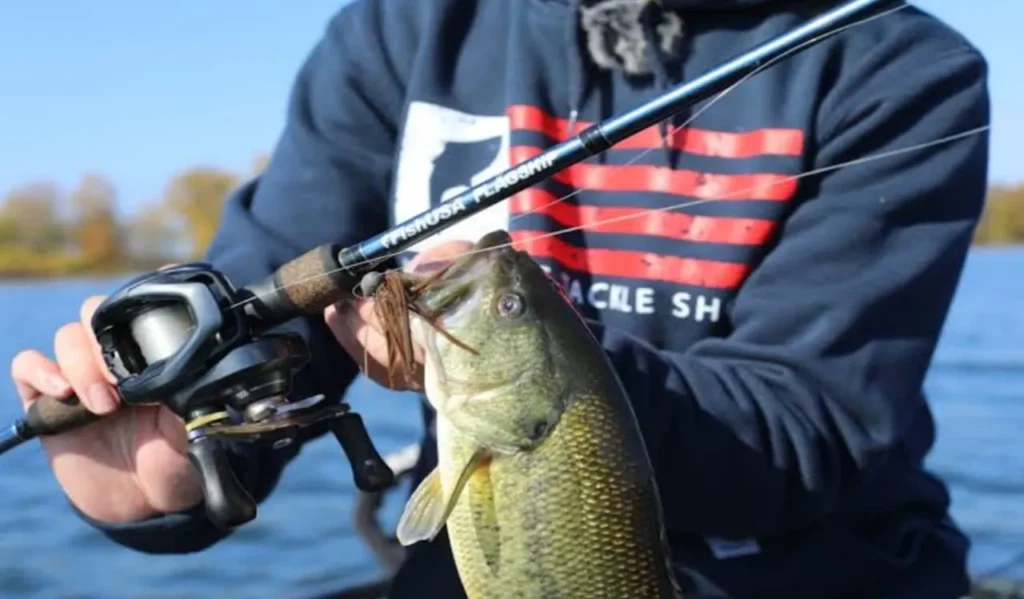
When using in open water, it is better to use more flexible rods, so the moderate or moderate-fast action rods are the best choice. These rod movements minimize the pressure of the line on fish fights. The use of rod action which is dependent on the environment enhances better control. This will also reduce chances of losing fish in the process of fighting them.
Rod Action and Bass Size
The size of the bass should also be used to select the rod action. Bass with large basses need high action rods or extra-fast rods with a powerful backbone. These rods offer the strength required to deal with strong-running and stubborn fish. Big bass prefer the right rod action and make it easier to control and land.
Larger bass should be dealt with with moderate or moderate-fast action rods. These rods provide sufficient control without crippling the fish. Rod action choice, depending on the size of the bass, provides safer and successful fishing. The correctly rated rods contribute to control and minimization of the loss of the fish.
Different Types of Fishing Rods and How to Use Each Rod
Beginner vs Experienced Angler Rod Action
Moderate-fast action rods are flexible and all-purpose, and thus beginners can use them. They assist to minimize errors in hooking and give smooth and controlled casts. Such rods enable novice fishermen to have several techniques of bass fishing in a single set up. The moderate-fast rods build confidence during learning and enhance the general fishing performance.
Fishing experts tend to use speedy or even faster action rods to go fishing in special ways. These rods are time consuming and need control but are better performing. The appropriate rod action increases efficiency and effectiveness in fishing. Rod action is always dependent on the skill level of the angler to achieve maximum results.
Common Mistakes to Avoid
Another mistake is to use the fast action rods and using treble hook lures. This causes fish to be lost frequently as the hooks are removed. An additional mistake is the selection of rod action due to popularity rather than technique of fishing. The right rod action to your style can make sure that you perform better and do not make as many mistakes.
Failure to pay attention to the fishing environment and the type of lure can result in a low performance. Knowledge of rod action can be used to avoid inappropriate gear. The rod action is also a critical decision to make your set-up work. Decision making leads to more successful and pleasurable bass fishing.
FAQs About Rod Action for Bass Fishing
Final Thoughts
When deciding on which rod action to use when fishing bass, it is necessary to select the most appropriate action to improve performance and enjoyment. Rod action influences sensitivity, precision of casting, presentation of lures and hook-setting efficiency. Rod action can be matched with technique, type of lure and fishing environment to result in good output.
Rather than using a single rod to do all the things, an angler ought to know how various actions work. The confidence and lost fish are minimized by taking time and choosing the right rod action. Bass fishing is made more productive, manageable and rewarding through the right rod action.