What Is a Spinning Reel and How Does Spinning Reel Work
Discover what is a spinning reel and how it works with simple explanations of features, gear ratios, drag, maintenance and expert tips.
One of the most used types of fishing reel is a spinning reel which is commonly utilized by both amateurs and professionals. It is attached under the fishing rods and it enables the flow of the line under a specific spool in the casting. The design allows one to cast lures and bait very accurately, even by the inexperienced fishermen and it also minimizes the possibility of backlash and line tangles.
Spinning reels are light and can be used in freshwater and light salt water fishing. They deal with light to medium lines without difficulties enabling casting and easy reeling. The knowledge of the functioning of a spinning reel will enable an angler to select an appropriate model. The right spinning reel enhances the performance and control of the fishing and the general enjoyment of the water.
How a Spinning Reel Works
A spinning reel is used by letting the fishing line pass freely off a stationary spool during casting. Bail arm helps the line to be placed on the spool when retrieving. The angler simply spins the handle clockwise or anti-clockwise to get the line back on the reel in an effective manner with tension and control of the fish.
The fixed-spool design eliminates the possibility of tangling and backlash, thus it is easier to cast, particularly by the novice. There is also smooth line management even when using light lures or small baits. The drag system in the fishing reels enable the resistance to be controlled in case a fish pulls, thus avoiding any breakages in the line and providing a better fishing experience.
Different Types of Fishing Reels and How to Use Each Reel
Main Parts of a Spinning Reel
A spinning reel has a number of important parts. The fishing line is in the spool and the bail arm directs the line in the casting and retrieving process. The spool is rotated with the help of the handle to retrieve the line. The drag mechanism ensures the line is not snapping in the event of a fight with a fish.
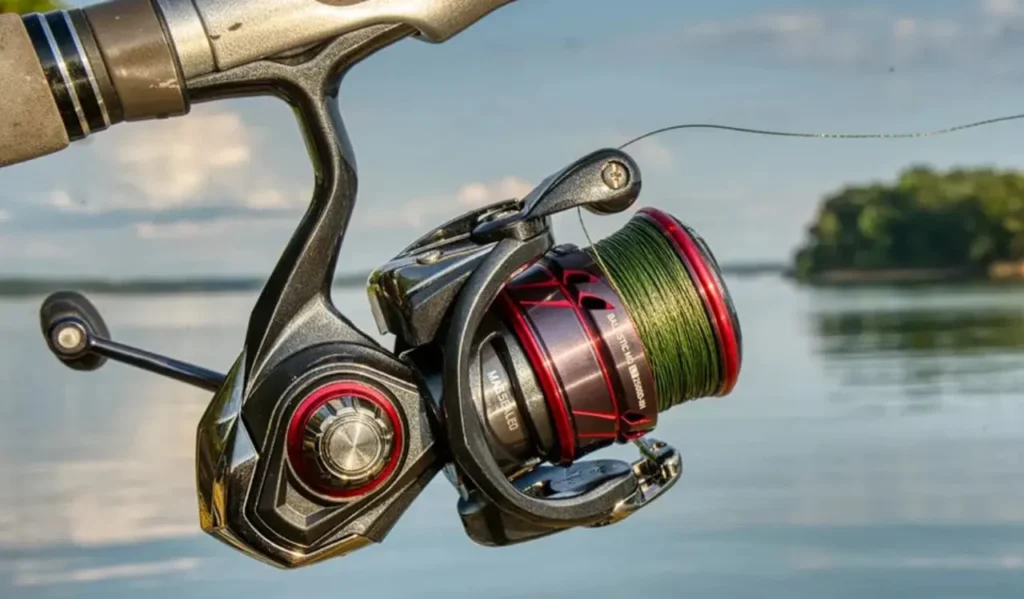
The other components are the reel body which has the inside gears and bearings and the reel foot which fixes the reel firmly on the rod. Bearings minimize friction to ease operation and the anti-reverse system ensures that the handle does not move backwards to improve fish control in a struggle.
Advantages of a Spinning Reel
Spinning reels are simple to operate and are universal and can be applied in a variety of fish and environments. They offer easy casting especially when using light weight lures and reduce the possibility of tangles or backlash on the line. Their design is simple, therefore, making them easy to maintain and use.
The spinning reels are also light and comfortable therefore, the arms do not grow weary during lengthy fishing hours. They have smooth-run and good line control and this enhances the hook-setting. Overall, spinning reels are durable, convenient and can perform, to the amateur and to the expert angler.
Different Types of Fishing Rods and How to Use Each Rod
Types of Spinning Reels
Spinning reels are available in various sizes and designs that suit a certain fishing scenario. Light freshwater species are best suited to small reels, common freshwater or inshore fish to medium reels and saltwater or larger species to large reels. Good reels will be made out of materials that are resistant to corrosion.
Other spinning reels have enhanced elements like multiple bearings to provide smoother action, sealed drags to use in saltwater and lightweight material to avoid fatigue. The correct size and model guarantees the maximum casting distance, the correct position of the lure and the ability to control fish in every fishing trip.
How to Choose the Right Spinning Reel
The spinning reel to use is determined by target species, fishing conditions and compatibility with the rod. An intermediate size reel with a middle power rod should be used by beginners to be versatile. Light reels are used to fish small fish and heavier reels are used to fish large fish and in salt water environment.
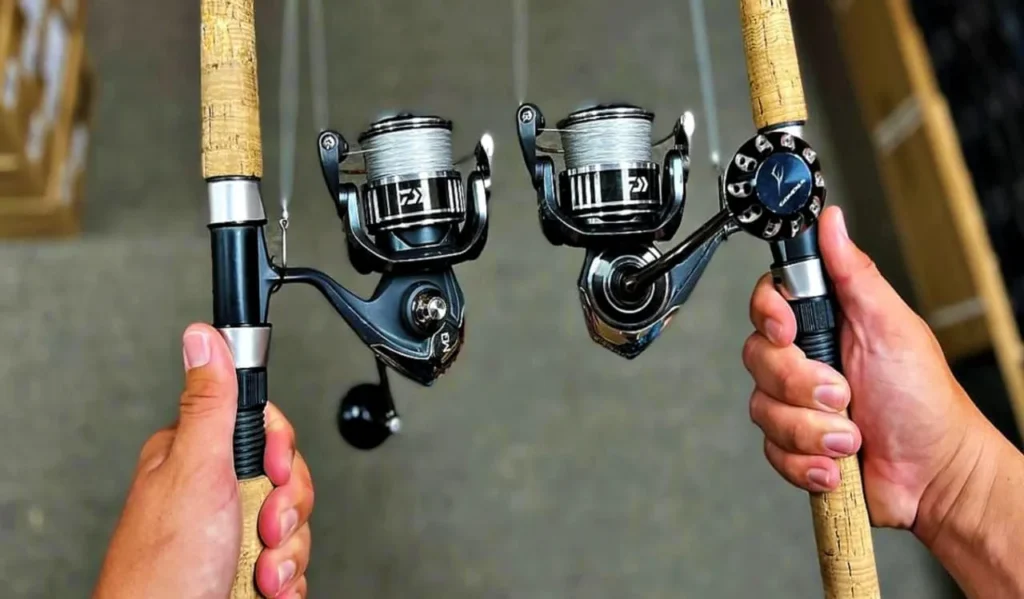
A selection should be based on line capacity, drag strength and reel material. Aluminum or graphite bodies are lightweight and decrease fatigue and increase durability. The reel should be matched to the rod length and style of fishing in order to achieve balance performance, easy casting and control of fish.
Spinning Reel Materials and Durability
Spinning reels tend to be made of graphite, aluminum or composite. Graphite reels are non-corrosive, light and inexpensive. The aluminum reels are also more durable and stronger and can be used in the salt water or heavy duty fishing. The composite reels are designed to be effective hence being heavy and strong.
The material used affects the life of reel, its maintenance and easy usage. Corrosion-resistant materials prevent the effect of exposure to water but trusted metals are applied to ensure that they can resist pressure. The material knowledge will help an angler select a reel that fits the style of fishing, level of skills and type of fish to fish so as to provide the reel with a stable performance.
Must-Read Guide for Top Picks of Best Fishing Reels
Gear Ratios and Drag on a Spinning Reel
The spinning reel is characterized by the gear ratio of the reel: it is the number of times the spool spins with each turn of the handle. The more efficient cast is the higher ratios and this type of cast is suitable in situations when fishing on the topwater or an active fish. Ratios that are reddish are more torque and control oriented and these are the most suitable in deep water fishes.
Drag system is used to regulate line tension on a fish pulling. When the drag is properly adjusted, the line will not break and the hook-setting will be successful as well as the fish will be easily retrieved. The gear ratio and the drag are also important in fishing, as they guarantee increased performance and control to both experienced and inexperienced fishermen.
Mistakes Beginners Make With Spinning Reels
Novices normally over fill the spool, adjust the drag improperly, or select the wrong fishing line. All overfilled spools result in tangles and poor drag settings may lead to lost fish. The incorrect reel size will lower the casting range and precision. These errors also reduce efficiency and performance of fishing.
Failure to maintain the reel is also prevalent. Salt, dirt and debris may deposit resulting in corrosion and rough operation. Proper storage, lubrication and cleaning will avoid damage, extend the life of the reels and ensure smooth operation in each and every fishing session.
Must-Read Guide for Anyone Looking for Top Rods
Tips for Maintaining a Spinning Reel
Wash the reel with fresh water at the end of each use to get rid of dirt and salt. Wipe it completely and pour a drop of light oil on moving parts such as the handle, bail and gears. Inspect bearings periodically, drag washers and screws of wear or damage. Keep the reel in the cool and dry environment, not in sunlight.
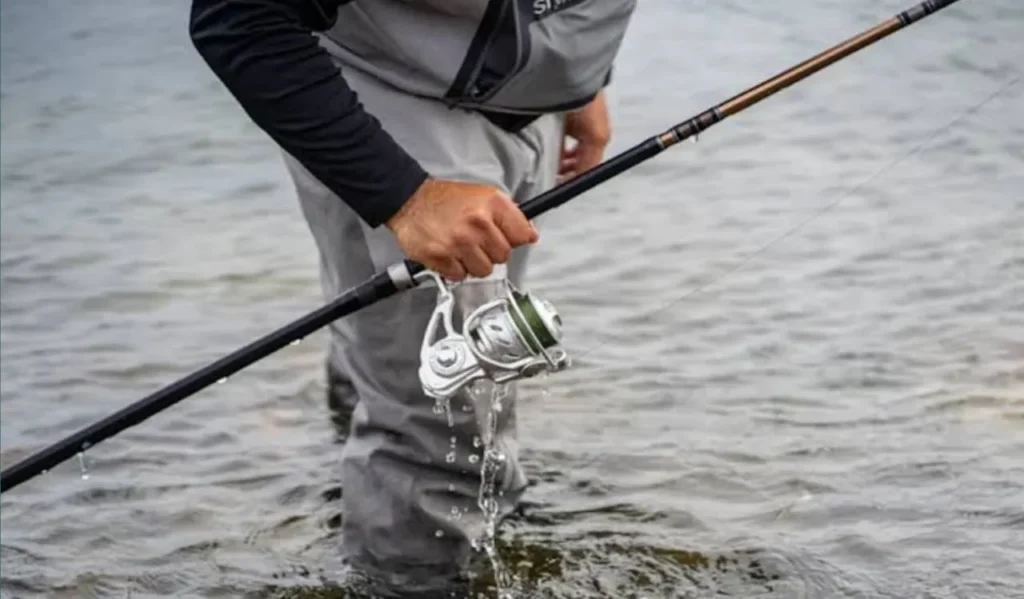
Proper use enhances the performance of the reel, corrosion prevention and increases its life span. Consistent drag and regularity is guaranteed by frequent maintenance. A well maintained reel provides greater control and dependability in the water. This helps to make the experience of fishing better.
Why Spinning Reels Are Ideal for Beginners
Spinning reels are easy to handle, flexible, and forgiving and hence the appropriate kind of reel new angler ought to utilize. They can be cast with light lures, catch a large variety of fish and reduce the possibilities of tangle and backlash of the line. These attributes ensure that amateurs are hopeful in the learning process of acquiring the appropriate fishing skills.
They are light and inexpensive and are also available in various size in great numbers. Spinning reel are worth using, dependable in their operation, and have more control and recreation to fish with, so long as they are chosen, rigged, and in proper condition. The spinning reel is a fair place to begin with and it gives a foundation to angling skills that would not only last a lifetime.
Frequently Asked Questions
Final Thoughts
Spinning reels are a good place to begin the learning process of an inexperienced angler because they are simple, versatile and forgiving. Knowledge of parts, gear ratios, drag and correct use is a way of enhancing casting, fish handling and general fishing. They can be used to offer years of good performance with proper maintenance.
A spinning reel is the best place to start as a beginner because one can develop confidence and learn the essential skills and have fun fishing in freshwater and light saltwater. The correct choice and maintenance will make the process run smoothly, cast correctly, and the angling experience of both beginners and seasoned fishermen to be more successful.