How to Prevent Fishing Rod Breakage: Essential Tips for Anglers
Prevent fishing rod breakage with proper handling, rod selection, maintenance, and storage. Keep your rod safe for long-lasting, reliable performance.
Trips can be spoiled, expensive equipment can be broken or lost through overstrain, abuse, or lack of care of a fishing rod. To avoid it, the angler must know the rod limits, apply good techniques, and keep the equipment in good condition. All these steps will make the fishing safer, casts with ease, and rods durable on any trip.
Fishing rods are better maintained to increase durability and decrease the strain on the rod during long or heavy casts. Guide, reel seat and blanket care keep the rod tough and hardy. Furthermore, proper management of rods enhances accuracy of the cast, smooth flow of the line and avoids abrupt and unpredictable breaks which leaves all the anglers with consistent performance.
Use the Right Rod for the Job
It is recommended that a rod is used to match the species intended to avoid stress and breakage. Light rods are not meant to deal with large fish or heavy lures, and short rods are not good at long-range casting. The correctness of the rod power, action and length all makes it safe and results in the best performance and reduces the strain on the blank, guides and reel seat.
Check line rating and lure weight carefully. Using equipment within recommended specifications maintains even stress distribution along the rod. Proper rod selection allows smooth casting and accurate line control while reducing the risk of snapping. Matching rod and fishing conditions guarantees enhanced performance and helps anglers avoid accidents or costly repairs during their trips.
Must-Read Guide for Top Picks of Best Fishing Reels
Avoid Overloading the Rod
Any overloading of line rating or lure weight may severely harm a rod blank. Overloading causes tension that is not within the designed capacity of the rod which makes the rod permanently weak or it may snap. Even minor recurring stresses build up, making one less flexible and less sensitive. Proper weighting results in longevity and smooth sailing in fish battles and avoids the unnecessary burden on the rod and the damage in the long term.
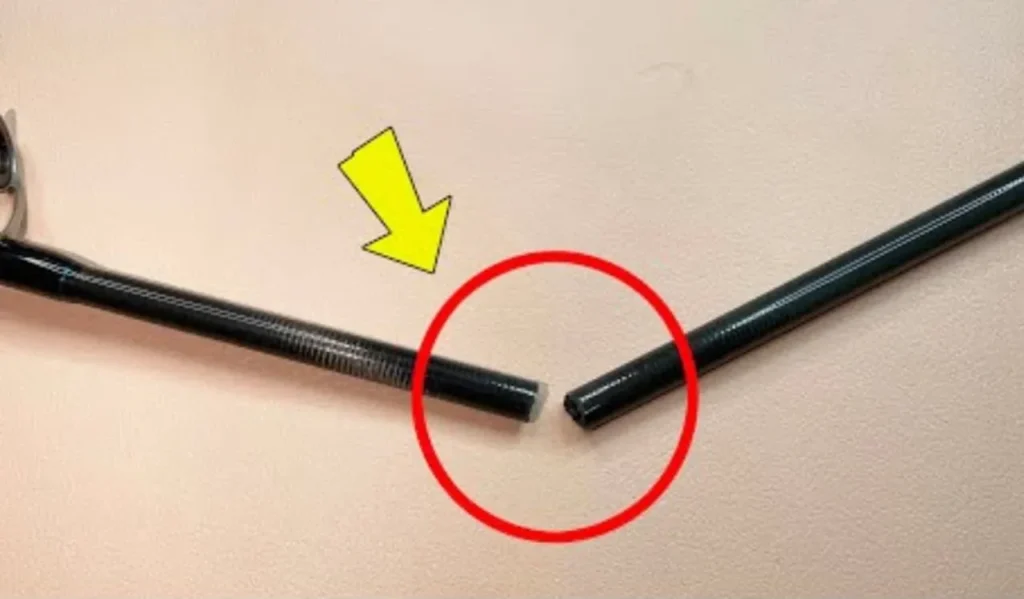
The pressure should be balanced when dealing with tough fish. Excessive pulling or jerking of the rod may ruin the blank and guides. Adequate dispensing of force during fights avoids cracks and preserves the integrity of the rods. The safety of following weight limits does not only protect the rod but also fishing lines so that they may be retrieved easily, less frequently broken, and generally safely handled.
Proper Casting Techniques
Casting should always be smooth and controlled to avoid putting excessive pressure on the rod tip or blank. Abrupt or shaky movements can cause damage over time, while regular, steady motion reduces stress and improves line accuracy. Proper casting techniques also prevent premature wear on the guides and minimize friction that could affect the rod’s performance while fishing.
Relax your hand to enable the rod to bend freely because a tight grip causes tension and the chances of cracking. The careful casting is used to increase the life of the rod. With appropriate methods, the line flow would be smoother, there would be long casts and the possibilities of breaking the rod would be minimised, which makes fishing more enjoyable.
Different Types of Fishing Rods and How to Use Each Rod
Regular Maintenance and Inspection
Oil moving parts frequently and replace worn parts. Before and after the trip, inspect the rods to detect weak spots at an early stage. By maintaining them properly, the rod life is extended, the finishes are kept, structural integrity is assured and the angler is more likely to have confidence in the rod during difficult fishing situations.
Periodically lubricate moving parts and replace worn out parts. Check rods prior to and after each trip to detect weak points at an early stage. Proper maintenance does not only extend the life of the rod and maintain the finishes but also provides the structural integrity and an increased confidence of the angler in the hard fishing conditions.
Avoid Striking Rod Against Hard Surfaces
Accidental impacts can create cracks that weaken the rod blank. Avoid placing rods against walls, rocks, or boats, as these may cause hidden damage. Even minor hits compromise structural integrity, reducing flexibility and increasing breakage risk. Gentle handling during setup, transport and use preserves rod strength for consistent performance during every fishing session.
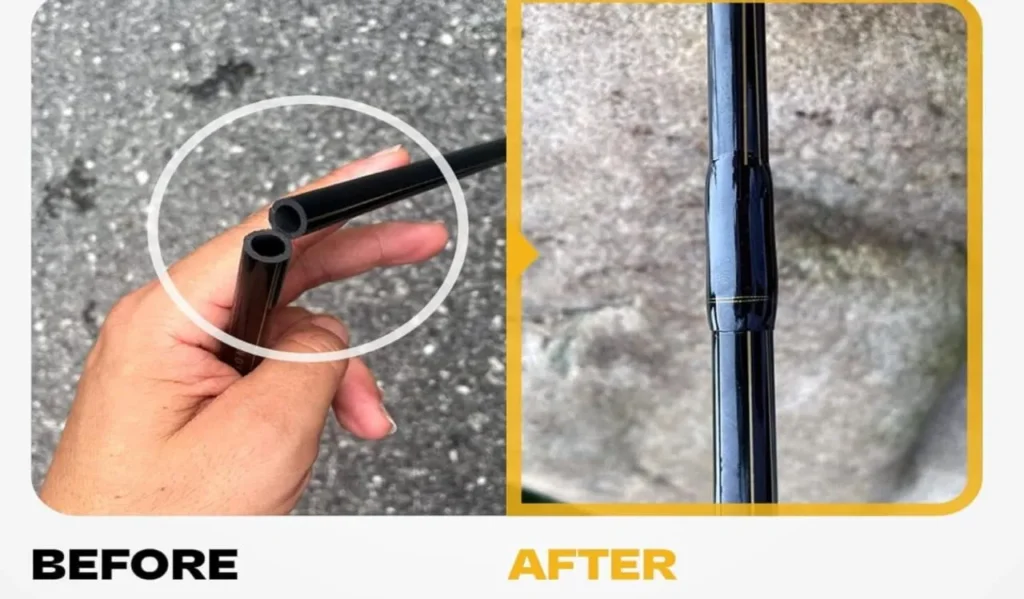
Cover protective rods or tubes when traveling. These stop bending, scratching or snapping under the influence of the outside. The safe handling of the guides and reel seats is taken care of. Cumulative stress is minimized, and hazards of the environment are prevented by careful storage of rods, which ensures durability and performance when used in various fishing missions.
Must-Read Guide for Anyone Looking for Top Rods
Handle Fish Properly
Use steady, consistent pressure when battling fish to avoid bending the rod blank. There should be no jerking motions that may produce stress points. Proper rod placement spreads the force across the blank sparing the weak points. Correct fish handling methods minimize the risk of a sudden rod breakage and enhance the handling of the line and accuracy of the cast in the retrieval.
The use of nets or gloves to land fish reduces the stress at the rod tip. When lifting heavy fish, one may break them around the guides. Anglers ensure integrity of the rod by taking care of fish. Safe fish handling is an addition to the proper choice of rods and the casting technique, as well as to the correct equipment that will last long and the successful and stress-free fishing trip.
Store Rods Correctly
Fishing rods should be stored horizontally or vertically and should be supported well to avoid sagging or twisting. Do not lean rods against walls or put heavy objects upon them, in doing so will cause the blank, guides, reel seats, or tip to be damaged. Correct storage ensures that the rods are not damaged when not in use and also assists in increasing the life span.
Store rods in a dry and shaded place, not in intense heat. Changes in temperature may compromise adhesives, finishes or blank material. Controlled storage is safe and helps in avoiding corrosion and probability of sudden breakage. Systematic storage enhances ease of access as well as increases the life of the equipment to both amateur and professional fishermen.
Different Types of Fishing Reels and How to Use Each Reel
Use Quality Fishing Lines and Lures
Poor lines or wrong weight of the lure cause unnatural pressure on the rod. Fishing lines should be used in line with the rod to achieve a balanced force. Good lines make the guides less frictional and ensure that they do not snap unexpectedly during the casting or fighting of fish. Well-balanced lures reduce the unwarranted stress on the rod blank, increasing both its performance and life.
Lines are not supposed to be tangled or twisted as this will result in uneven stress points and may be destructive. High-quality and balanced equipment provide a high-quality flow of the line and minimize the chances of accidents. Different fishing gear must be matched together to enable the rod to manage the forces effectively to enhance the casting range, accuracy, and the overall fishing efficiency.
Educate Yourself on Rod Limits
Being aware of the power, action, and material limits of your rod will ensure that you do not misuse and abuse it. Breaking these limits several times may reduce the strength of the blank and decrease its lifespan. Through these guidelines, the manufacturer enables the angler to fish in a safe manner and at the same time, attain maximum performance under heavy-duty conditions.
Knowing rod abilities also determines the choice of lure, line and methods. Fishing in these limits maintains the sensitivity and strength. Educated fishermen will be able to eliminate accidental snapping and be able to perform consistently. Rod limits awareness and knowledge is also a necessary measure towards equipment protection and long term fishing success.
FAQs About Fishing Rod Breakage
Final Thoughts
Preventing fishing rod breakage requires care, knowledge, and proper techniques. Using suitable rods, practicing controlled casting, and maintaining equipment prolong durability. Regular inspections and proper fish handling minimize stress on rods, ensuring smooth performance. Following these steps allows anglers to fish confidently while protecting equipment and improving overall success rates during every outing.
Safe storage, quality line, and compatible lures further enhance rod longevity. Consistent preventive maintenance reduces repair costs and ensures reliable performance. Proper care keeps rods functional for years, allowing anglers to enjoy fishing without interruptions. Protecting equipment preserves investment and ensures efficient, enjoyable, and stress-free fishing experiences.