How to Cast in Windy Conditions: Ultimate Guide for Beginners
Learn how to cast in windy conditions. Master rod angle, line control, lure choice, and reel adjustments for accurate, tangle-free casts in gusty weather.
Anglers find it difficult to cast during windy weather because the gusts may cause a reduction in accuracy, distance and line-tangling. Knowing how to cope with wind enables the angler to be in control, secure equipment, and increase the rate of catching. Learning wind casting provides a guarantee that one can fish even when it is windy and make hard conditions work to advantage.
The wind influences the direction of the lures and the lines. Backlash can be avoided by changing the casting technique, the angle of the best fishing rods and the type of line used to enhance precision. Novices tend to have a tough time but with practice, they will learn how to cope up with the windy weather. Mastering how to read wind direction and the right lures to use helps to maximize the productivity of fishing making wind not a problem.
Understanding Wind Effects
Wind blows lines out of course, decreases the length of the cast and may lead to tangles in the lines. Strong winds may cause the lures to act erratically spooking the fish or lowering hook-ups. It is also important to know how wind affects your preferable casting style when fishing to ensure accuracy and to be able to control line tension.
Powerful winds raise the friction and spool resistance particularly when using spinning or baitcasting reels. Line can snag or twist should it be not properly managed. The awareness of the direction, strength, and turbulence of wind enables the angler to change the rod angle, type of line, and the method of casting. With the right preparation, frustration is minimized and chances of successful fishing are enhanced when it is windy.
Selecting an Appropriate Rod and Reel
A stiffer rod with a fast action tip works in a better way under the windy conditions and it is more controlled and the lines are less flattened. Baitcasting reels or low-profile spinning reels with smooth brakes enable the control of the speed of the spool, and one can cast accurately even in the presence of gusts. Correct rod-reel installation enhances working in adverse weather conditions.
Must-Read Guide for Anyone Looking for Top Rods
Tilter rod length depending on the wind strength. The long rods are more useful in the weaker winds and the short rods are more useful during the strong winds. A proper mix of rod and reel will minimize the twist of lines, backlash and errors in casting, which makes windy fishing more productive and enjoyable.
Selecting Appropriate Line and Lures
Strong winds necessitate heavy and low drag lines in order to be in control. The braided or fluorocarbon lines overcome the wind resistance and enhance the sensitivity. Select heavier lures or sinkers to minimize the flutter and drift due to gusts. Therefore, the selection of lines and lures is the guarantee of more precise and consistent casts.
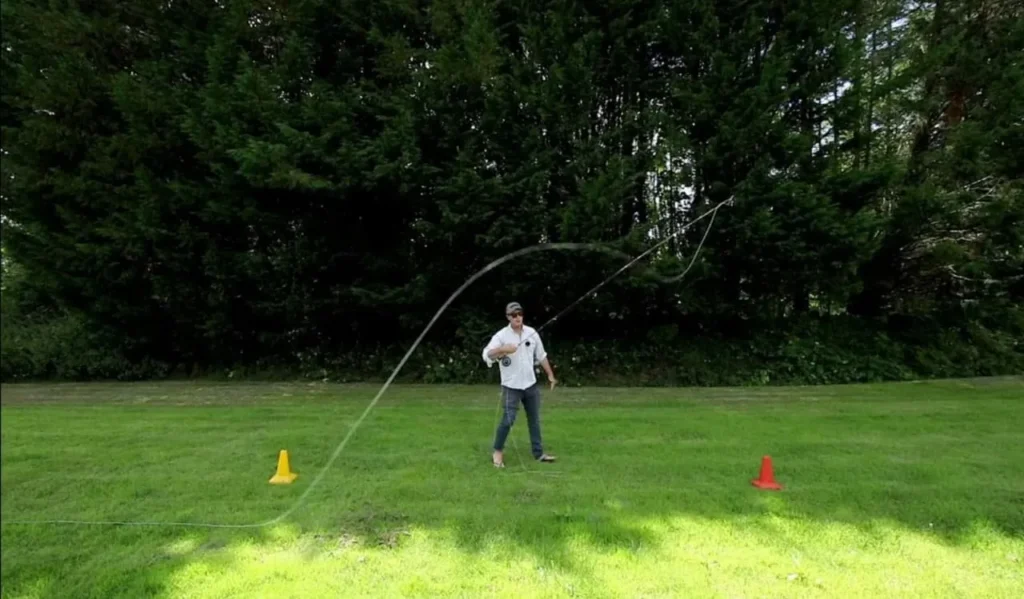
Even moderate wind can blow off the course of the light lures. The heavier baits have a straight course and reduce the air resistance. Accuracy is also influenced by line strength and type. The weight of the lure, the type of line used and the wind will give the angler the chance to cast much farther, land on target and minimize the tangles or backlash.
Must-Read Guide for Top Picks of Best Fishing Reels
Casting Technique Adjustment
In wind, thrown to the lower angle in order to minimize air resistance. Do not use overhead casts which pick up the gusts. Accuracy is enhanced by sidearm or three quarter casts. Control the release time and what happens on the release to suit wind velocity so that the lures are in closer proximity to the target. Restricted movement will decrease splashes and tangles.
Timing is very important release the line a little early or late according to the direction of the wind. Cast towards the wind, slightly higher. Do not slack the line or it will be whipped. Training these adaptations in the open fields creates muscle memory and this allows an angler to be able to stay accurate and at distance even in the face of a very difficult wind.
Using Wind to Your Advantage
When used properly, wind can be used to enhance the distance of casting. When casting slightly up wind the wind will move the fishing lure farther and the trajectory will remain constant. Placing yourself in the right position in regard to the gusts can enhance coverage and this will enhance lure presentation and fishability.
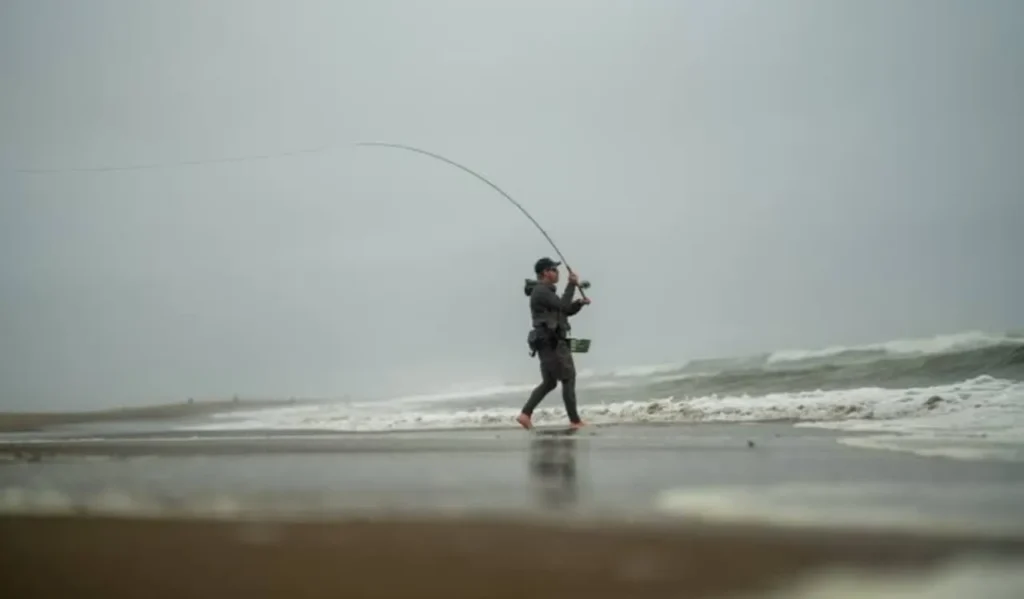
Monitor changes of wind during daytime. You should change the position or the angle of casting to make use of the gusts. Tailwind is able to add distance, whereas, cross winds are able to assist in covering water efficiently. By learning to read the wind and adjust to it, the angler will be able to make the bad weather work to his/her benefit.
Different Types of Fishing Reels and How to Use Each Reel
Managing Line and Backlash
The wind enhances the risk of the line twist and backlash. Set braking systems and spool tension to decrease overrun. Always keep the thumb in control on baitcasters and on spinning reel, always maintain the line tension. Tangles are avoided by proper management and maintain the line integrity and allow easy retrieval during windy conditions.
Every time a cast is made, always look to see whether there are twists or knots. Heavy lines or shorter leaders should be used to overcome the effect of the wind. The right line management and adjusted reel settings enable the fishermen to cast without hesitation even in windy conditions, and stay precise and minimize frustrations when fishing in the wind.
Practice and Patience
Wind casting takes practice to learn how to time, release and control the direction of the cast. The experience with different wind levels allows building intuition on how to manage the rod angle and the line. There is a necessity to be patient because the gusts can alter at any moment, and it is necessary to make fast corrections to avoid backlash and remain precise.
Test various weights of lure, position of rod and angle of casting. Note the effects of wind on each installation and make changes. Practice makes perfect and so on the windy days, it is a productive day and not a frustrating day. Anglers become more confident and can adjust to adverse conditions by the course of time.
Different Types of Fishing Rods and How to Use Each Rod
Maintenance Tips for Windy Fishing
Sand, debris and salt water can be blown into reels and lines by wind and make them more worn. Clean and grease gear following windy days. Check on abrasion on lines and remove abrasion of spools. There is also good maintenance that maintains performance of gears and aids in avoiding failures in difficult environments.
Check reel brakes, drag systems and line guides on a regular basis. Fix loose parts in order to keep their performance constant. The avoidance of accumulation of debris leads to easy casting and retrieval. Proper maintenance practices make the rods and reels last longer and enhance reliability and efficiency when on a windy fishing expedition.
FAQs About How to Cast in Windy Conditions
Final Thoughts
It is difficult to cast in the wind even to experienced fishermen. It is necessary to make appropriate rod and reel choices, line and lure choices and casting. Learning to adapt to the wind enables precise, proper casts, enhances the number of catches and decreases the level of frustration. Practice will help the angler to be able to fish in a gusty weather, and this will convert the challenging weather to a productive one.
Knowledge of wind patterns, modification of methods, and gear maintenance are the key to success. Regular practice makes skillful, time-sensitive and self-confident. The fishermen who learn to play with the wind can reach a serious advantage, covering a lot, becoming much more accurate and getting pleasure during fishing even in the less-than-ideal conditions.