How to Choose the Right Fishing Reel: Ultimate Guide
Learn how to choose the right fishing reel with expert tips, reel types, gear ratios, and maintenance advice for a perfect fishing experience.
Fishing is not just a hobby but a passion that needs the right tools that would make your experience enjoyable. The fishing reel is the most important equipment that defines whether you are successful or not. It can be difficult to select the appropriate fishing reel because there are many different models. Knowing the kind of reels, the materials and their uses will enable you make a sure judgment.
The fishing reel is known to influence the casting distance, speed of retrieval, and general control. Novices tend to choose the wrong reel because they choose it due to its appearance and not its functionality. Your preferences can be reduced by considering your type of fishing, fish species, and the kind of water you like. A well chosen reel will make sure that the performance is smooth, less fatigued and that you will get a chance of a perfect catch.
Understand Different Types of Fishing Reels
Fishing reels are of various varieties and include spinning reels, baitcasting reels, spincast reels and fly reels. Each of them is designed and functions differently, which makes each of them appropriate in particular fishing situations. As an illustration, spinning reels are easy to use and user-friendly, whereas baitcasting reels are precise and powerful and used by professional fishermen.
Spincast reels are simple to operate and suitable to the children or beginners with the simplistic operation of a push-button. Fly reels on the other are designed to suit fly fishing and have to be cast using a different technique. The type of reel to use must be based on your ability, fish and the environment you are fishing. Performance and enjoyment can be impaired by the use of the wrong reel.
Must-Read Guide for Anyone Looking for Top Rods
Consider Reel Material and Build Quality
Fishing reels are produced using materials such as aluminum, graphite and stainless steel. Aluminum reels are robust and weighty and fit in the salt water fishing. Graphite reels weigh less and are not corroded hence they are best in freshwater fishing. The quality of the building affects the durability and performance of the reel and hence investing in a good quality reel can save time and money in the long run.
Note the gearing system and shape of the handle. There is a smooth gear system that allows one to retrieve easily and wear minimally on the reel. Hands are ergonomic, which makes them comfortable when fishing long distances. The reinforced parts ensure that they do not get damaged by excessive catches and rough conditions. Good reels are reusable and they do not change their performance.
Check Reel Size and Line Capacity
The type of reel you want depends on the type of fishing you do. To take an example, a spinning reel with a bigger spool could be perfect in case you want to make long shots. Baitcasting reels are more useful when one needs to place the lure accurately or when they are targeting large freshwater fish. It is important to make sure that you match the reel with your style of fishing so that you can be efficient and this will improve the whole process.
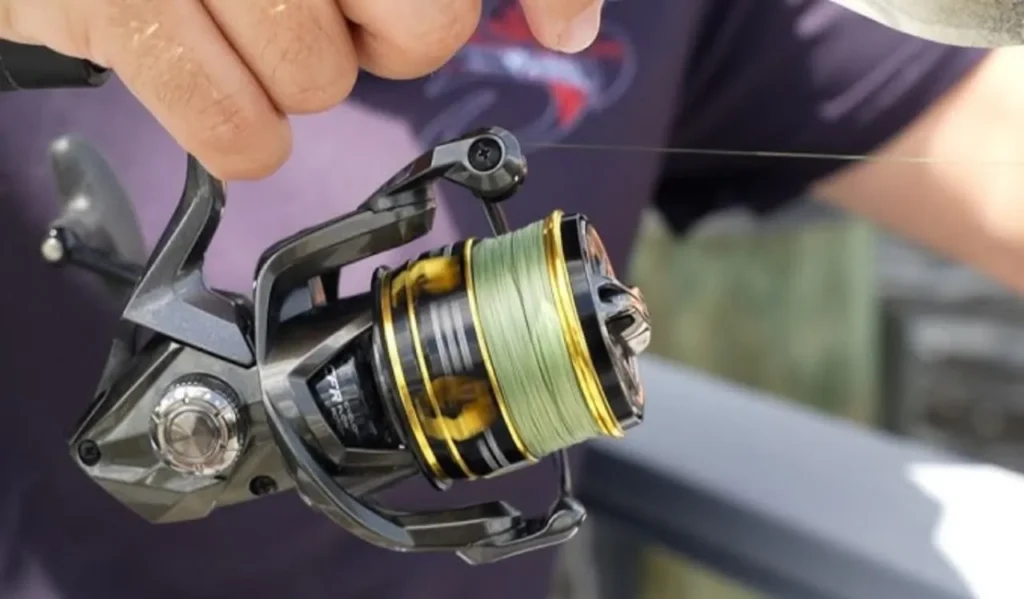
The water environment is also to be considered. Fishing in the saltwater requires corrosion-resistant reels that have a sealed drag system whereas freshwater reels can focus on lightweight design. The reel that fits your needs can be determined by evaluating your fishing habits which could be shore fishing or boat fishing. An incompatibility may cause disappointments and poor performance.
Understand Drag Systems
The size of the reel influences the amount of fishing line that can be carried in it and the ease with which it can fit in your hand. Small reels are used in light freshwater fishing and large reels are used in heavy line fishing and large fish. The correct size makes casting and retrieving easy without using a lot of straining and complications when fishing. When fishing large or fast-moving fish, line capacity is very necessary.
A reel that has not enough line capacity might not perform well when there is a fight, and this results in lost catches. It is always important to check the specifications of the manufacturer regarding the weight and length of the line. It is always a good idea to match your reel with the right line so that you can perform better and avoid breakages when you are in a tight situation.
Must-Read Guide for Top Picks of Best Fishing Reels
Understand Drag Systems
The drag system is used to determine the amount of resistance that the fish experiences when pulling on the line. The drag should be smooth and adjustable to avoid the breaking of the lines and to be able to retrieve a fish successfully. Good drag systems will offer constant pressure since different-size fish can be handled effectively. You can learn to use the drag well to increase your catching rate.
There are various reel drag mechanisms such as front drag and rear drag mechanisms. Front drag systems have greater power and control and rear drag systems are simpler to regulate when struggling with a fish. Knowing the type of drag system and how it works is one thing that will allow you to choose a reel that fits your fishing needs and capabilities.
Gear Ratio Considerations
The gear ratio is used to decide the number of times in which the spool will rotate each time the handle is turned. The gear ratios are high to pick up line at a fast rate, which is ideal when using fast-moving lures or when aggressive fishing. Low gear ratios offer greater torque, which is suitable in big fish and heavy cover. The appropriate gear ratio will match your reel to your fishing methods.
The versatility is also important to consider. Other anglers like medium gear ratios which provide a compromise between speed and power. The desired fishing type, species, and lure type all have an effect on the best gear ratio. Knowing the gear ratios helps you to make sure that your reel is running efficiently and that it is up to your expectations at every fishing trip.
Different Types of Fishing Rods and How to Use Each Rod
Evaluate Reel Maintenance Requirements
Fishing reel life can be increased by regular maintenance. Saltwater reels need cleaning and lubrication regularly so that they are not corroded. Even reels used in freshwater are the ones that need regular maintenance to ensure the gears are smooth and the handles operate well. Failure to maintain may result in low performance and costly repairs.
The maintenance needs are dependent on the type and quality of reels. Entry level reels can need more maintenance whereas some high end reels will have sealed components to minimize maintenance. Knowing what is required to maintain your reel is a guarantee of long life and reliability. Putting time into adequate care enables to maintain the same level of performance and prevent unanticipated problems on the water.
Budget Considerations
The price of fishing reels is very diverse and may vary between affordable and expensive. Although cost is a factor, value, not price, is what matters. A good reel can be costlier at the beginning of the life but can save money in the long-term, as a good reel is durable and reliable. When making a budget, evaluate how often and how much you want to fish.
One should not select a reel just because it is cheap. Cheap reels can be of poor quality in the sense that they do not run smoothly, are not durable and do not have some of the features they should. Mid-range or high-end reels will tend to be smoother, have superior materials and sophisticated drag systems. Be smart and make a long-term investment by balancing your budget with the intended use of the reel.
Different Types of Fishing Reels and How to Use Each Reel
Test the Reel Before Buying
Where feasible, go and test the reel. Test the smoothness of the handle, drag sensitivity and balance in your hand. The reel handling assists in finding out the comfort and usability. The right reel enhances confidence and minimizes fatigue when one is going on extended fishing expeditions.
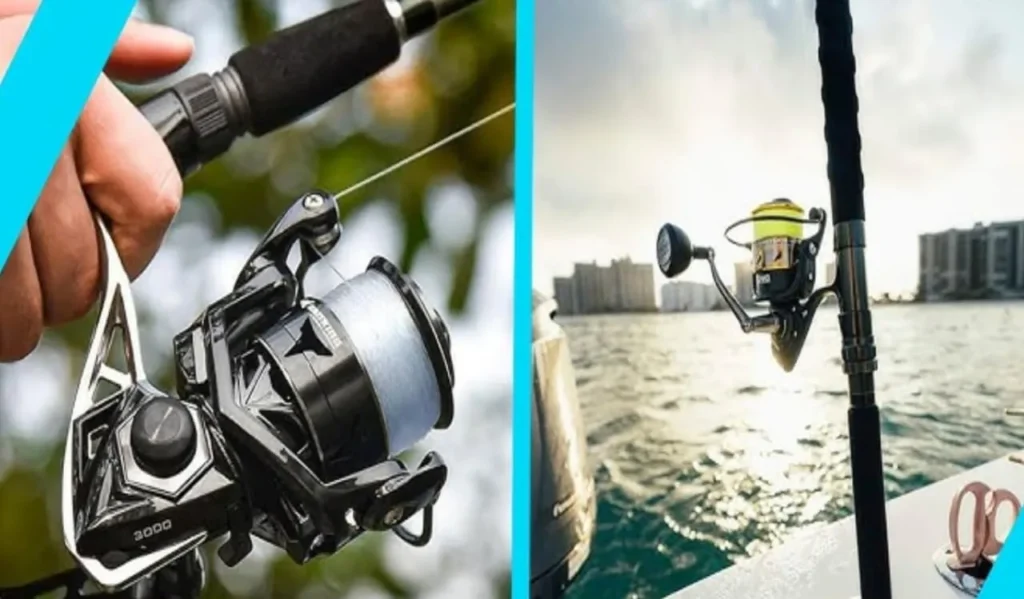
Also, note the reel retrieval and resistance operation. Test the gear system and drag to make sure it works well. Purchasing a reel without testing it can lead to inconvenience or ineffective operation. Experiential testing makes sure that you have the right reel in terms of technical and personal choice.
Seek Expert Advice and Reviews
It is a good idea to consult with the experienced angler or fishing guides. The specialists will be able to recommend reels that will fit your fishing area, your skill and species of fish you want to fish. Via online reviews and forums, you are also able to get real-life experience to make an informed decision.
It is the best results that are achieved by combining the expert advice and the personal preference. Monitor general complaints and compliments. Users are fond of durability, ease of use and performance. A combination of expert opinion, reviews and personal needs is sure to give you a reel that works and makes your fishing experience years later.
FAQs About How to Choose the Right Fishing Reel
Final Thoughts
To have a successful and enjoyable fishing experience, it is necessary to choose the right fishing reel. The knowledge of reel types, materials, drag systems and gear ratios assists in the matching of the reel to your fishing style. On-site testing and meeting with specialists provides comfort and reliability in the course of extended time.
Having a high-quality reel does not just make you perform better, but also makes you feel more confident and have more fun. With regular maintenance and proper care, it can be used to an extended period and it is an important tool in your fishing kitty. Having the right reel, one can find every fishing trip a rewarding experience.